
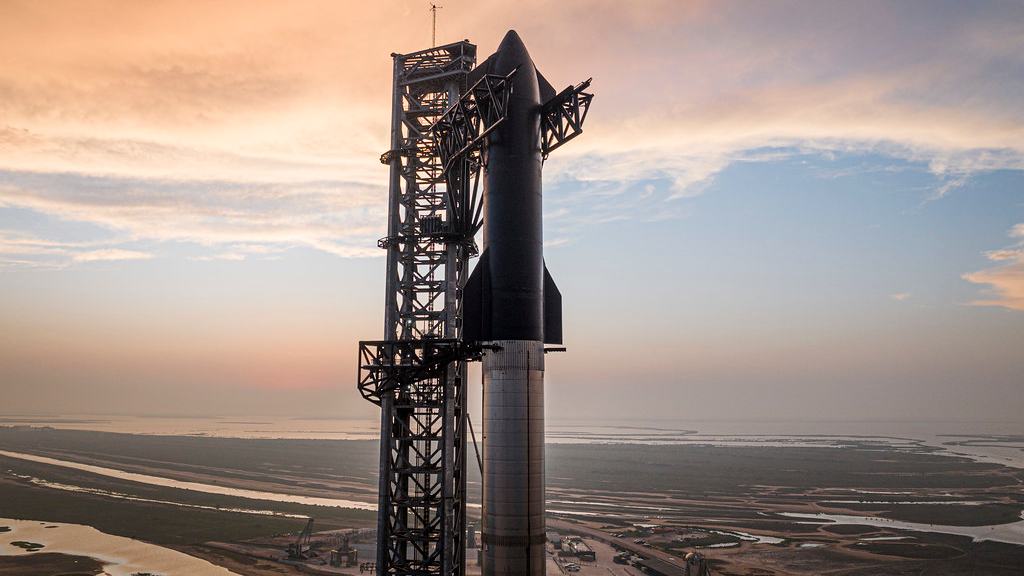
The global technology and space industry received another exciting update this week as Elon Musk shared fresh information about the future of the next-generation Starship V3 rocket. From SpaceX’s ambitious Starship development to updates on Tesla’s Semi truck program and the sustainability plans of xAI’s massive AI data centers, the latest developments highlight how Musk’s companies continue to push the boundaries of engineering, artificial intelligence, and sustainable infrastructure.
This article explores the latest Starship launch timeline, behind-the-scenes SpaceX challenges, Tesla’s progress with electric trucks, and how AI infrastructure is being designed to benefit local communities.
Starship V3 First Launch Timeline Revealed
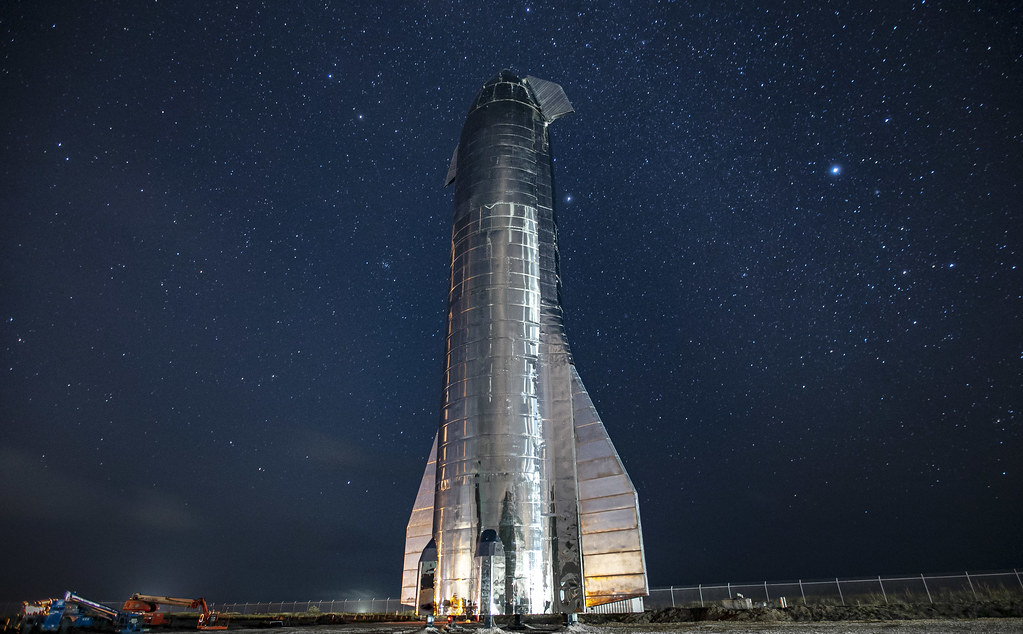
One of the most exciting announcements came directly from Elon Musk, who posted a short but powerful update revealing that the first flight of Starship V3 could happen in about four weeks.
The timeline instantly captured the attention of the global spaceflight community because it places the potential launch window in early April.
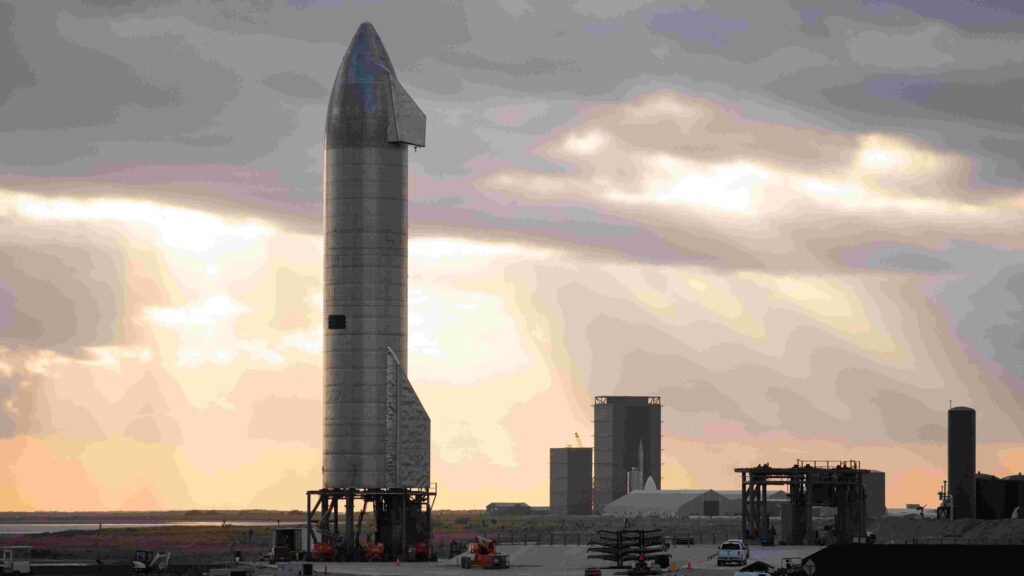
Previously, SpaceX suggested that the next-generation Starship rocket might fly around March, but the slight delay is understandable considering the massive upgrades included in Starship Version 3.
Unlike minor updates seen in previous versions, Starship V3 introduces major changes to:
- Rocket hardware
- Propulsion systems
- Launch infrastructure
- Ground support systems
Because these systems must function together flawlessly, SpaceX must complete extensive testing before liftoff.
Why Starship V3 Is a Major Upgrade
Starship Version 3 represents one of the most significant upgrades in the rocket’s development history. It is designed to improve:
- Launch reliability
- Payload capacity
- Reusability
- Flight cadence
The rocket system includes an upgraded Super Heavy booster and improved Starship upper stage, both powered by the next-generation Raptor V3 engines.
These engines are expected to deliver greater efficiency, higher thrust, and improved reliability, which are crucial for SpaceX’s long-term goals such as:
- Mars colonization missions
- Large satellite deployments
- Deep space exploration
Because of these upgrades, Starship V3 requires a completely new set of infrastructure tests before launch.
Key Milestones Before the Starship V3 Launch
Before the first Starship V3 mission can happen, several major technical milestones must be completed.
1. Launch Infrastructure Testing
The first step involves certifying the new launch infrastructure at Starbase.
This includes testing:
- Upgraded launch tower
- New launch mount
- Enhanced tank farm systems
These upgrades are critical because Starship V3 will place greater stress on ground systems during launch operations.
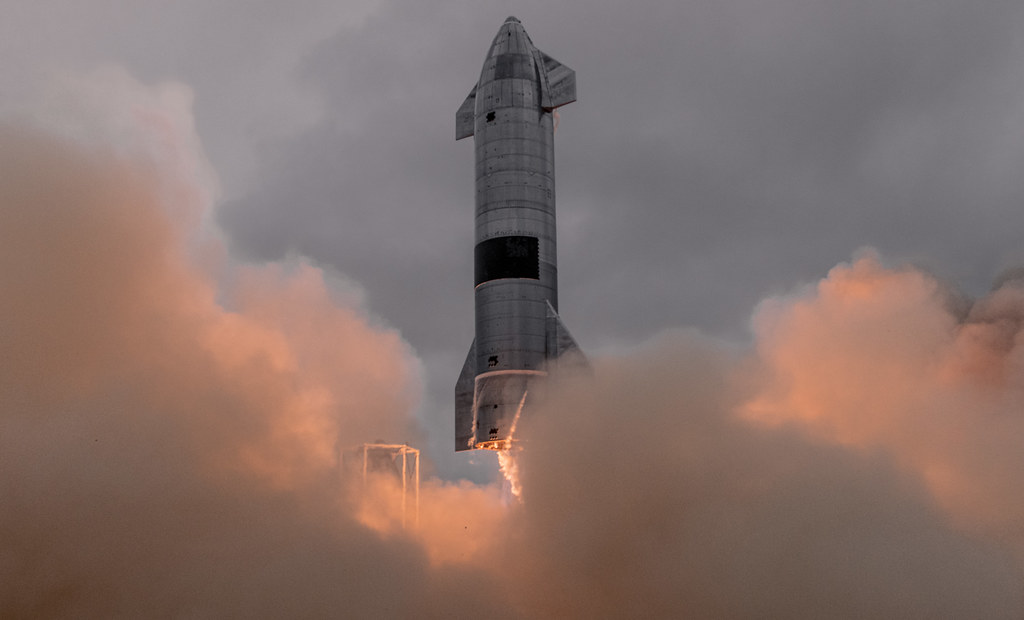
2. Booster 19 Rollout and Fit Testing
The next milestone involves Booster 19, the Super Heavy rocket designed for the mission.
The booster will first be rolled out to the launch site and placed onto the new launch mount for a fit check.
This step ensures that:
- Structural interfaces align correctly
- Mounting systems function properly
- Ground support equipment operates as expected
After the fit check, Booster 19 will return to the production facility.
3. Installing 33 Raptor V3 Engines
Once back at the production facility, Booster 19 will receive its full set of 33 Raptor V3 engines.
This installation marks a major milestone because it will be the first Super Heavy booster equipped entirely with the latest Raptor engine version.
The improvements in these engines are expected to enable higher performance and better launch reliability.
4. First Static Fire Test
After engine installation, Booster 19 will return to the launch site for a full static fire test.
During this test:
- All 33 engines ignite simultaneously
- The rocket remains secured to the launch mount
- Engineers analyze engine performance and stability
This will be the first static fire test ever performed with a full set of Raptor V3 engines.
5. Starship Upper Stage Testing
The Starship upper stage, known as Ship 39, must also undergo its own testing process.
Ship 39 will return to the production facility to receive six Raptor engines before heading back to the test site.
There, SpaceX will perform another static fire test, marking the first time a Starship upper stage fires the new V3 engines.
6. Full Starship V3 Stack Assembly
Once both the Super Heavy booster and Starship upper stage complete their individual tests, they will return for final preparations.
The two vehicles will then be stacked together, creating the first complete Starship V3 rocket system.
This step will also mark the first time the upgraded launch mount supports a fully assembled Starship stack.
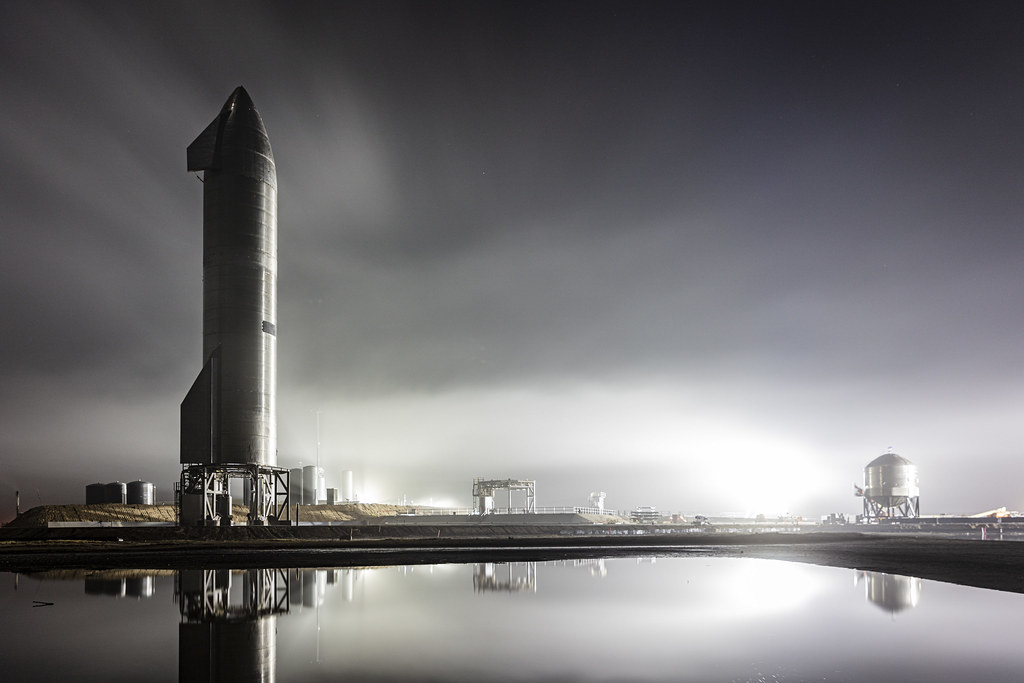
7. Wet Dress Rehearsal
The final step before launch is a Wet Dress Rehearsal (WDR).
During this procedure:
- The rocket is fully fueled with propellants
- Engineers simulate the entire launch countdown
- Systems are tested under real conditions
No liftoff occurs, but the test allows engineers to verify that every system operates correctly.
Because this will be the first full system test of Starship V3, unexpected issues may arise. If problems occur, SpaceX will resolve them before attempting launch.
Flight 12: A New Era for Starship
The upcoming mission, known as Flight 12, could be very different from previous Starship launches.
The new rocket version introduces major performance improvements, which could enable:
- Longer flights
- Higher payload capacity
- Faster reusability cycles
For SpaceX, the successful launch of Starship V3 would represent another huge step toward fully reusable space travel.
SpaceX’s Near-Bankruptcy Moments
Another interesting discussion surfaced this week regarding SpaceX’s financial history.
For many years, people believed that the company nearly went bankrupt only once.
That famous moment occurred in 2008, when the first three launches of the Falcon 1 rocket failed.
The company was running out of funding, and if the fourth launch had failed, SpaceX might not exist today.
Fortunately, the fourth Falcon 1 mission succeeded, allowing the company to secure funding and survive.
However, new comments from SpaceX insiders suggest the company faced multiple near-death moments.
Three Times SpaceX Nearly Collapsed
Former SpaceX propulsion engineer Tom Mueller, the creator of the Merlin rocket engine, recently commented that SpaceX almost died three times.
In response, Elon Musk confirmed that there were indeed multiple crises that were never publicly discussed at the time.
According to speculation from industry observers, those moments may include:
- The 2008 Falcon 1 crisis
- Political uncertainty around NASA’s commercial space programs
- The 2021 Raptor engine production crisis
The 2021 Raptor Engine Crisis
One of the most intense moments reportedly occurred during Starship development in 2021.
At the time, Elon Musk warned employees that Raptor engine production problems could threaten the entire Starship program.
Internal messages suggested that SpaceX faced serious bankruptcy risk if Starship launches did not increase rapidly.
Employees later recalled working 22 consecutive days to resolve the issue.
Those efforts ultimately paid off, allowing SpaceX to continue developing what is now the most powerful rocket system ever built.
SpaceX’s Massive Future Valuation
Today, SpaceX is in a very different position.
The company now:
- Launches rockets more frequently than any competitor
- Operates Starlink, the world’s largest satellite constellation
- Develops Starship, the most powerful rocket ever designed
Some analysts believe that a future SpaceX IPO could value the company at around $1.75 trillion.
If achieved, that valuation would make SpaceX one of the largest companies in the United States.
xAI’s Massive AI Data Center Energy Plan
Another Elon Musk company making headlines this week is xAI, the artificial intelligence startup.
The company recently shared details about its large-scale AI infrastructure project near Memphis, Tennessee.
AI data centers require enormous computing power, which leads to massive electricity demand.
To solve this challenge, xAI plans to build large energy systems alongside its supercomputers.
Tesla Energy’s Role in the Project
The power infrastructure for these AI clusters will use Tesla Energy products, including Megapack battery storage systems.
The project aims to develop over 1.2 gigawatts of power capacity, which will serve as the primary energy source for the supercomputing facilities.
According to company leadership, the energy systems could also support the surrounding communities.
Backup Power for Entire Cities
One surprising aspect of the project is the massive energy capacity of the installation.
Reports suggest the system could provide backup electricity for the city of Memphis and surrounding areas.
This type of infrastructure could help:
- Stabilize local power grids
- Prevent blackouts
- Provide emergency power
Water Conservation Efforts
The project also includes advanced water recycling technology.
These systems are expected to protect approximately 4.7 billion gallons of water per year from being withdrawn from the Memphis aquifer.
This approach reflects a broader trend among Elon Musk companies to combine advanced technology with environmental sustainability.
Tesla Semi Program Shows New Progress
While SpaceX and xAI dominate the headlines, Tesla’s electric truck program is also moving forward.
Recent photos shared online revealed new glimpses inside Tesla’s Semi factory near Gigafactory Nevada.
The images suggest that construction and preparation for production are progressing steadily.
Tesla Semi Production Plans
The Semi factory is expected to play a major role in Tesla’s commercial vehicle strategy.
Once fully operational, the facility could produce up to 50,000 Tesla Semi trucks per year.
This would represent a major shift in the trucking industry as companies transition toward electric heavy-duty transport.
Two Tesla Semi Variants
Tesla plans to offer two different versions of the Semi truck:
Long Range Variant
- Range: 500 miles per charge
Standard Range Variant
- Range: 325 miles per charge
Most public demonstrations have focused on the long-range version, but Tesla recently confirmed that standard-range testing is underway.
Tesla Mega Charger Network Expands
Tesla also announced the launch of its first Mega Charger station in the Los Angeles area.
Mega Chargers are high-powered charging stations specifically designed for Tesla Semi trucks.
They deliver extremely large amounts of energy, allowing the trucks to recharge massive battery packs quickly.
The new site is reportedly open to all Tesla Semi customers, marking another step toward the commercial rollout of electric heavy-duty trucking.
The Bigger Picture: Elon Musk’s Expanding Tech Ecosystem
Taken together, these updates show how Elon Musk’s companies are interconnected.
- SpaceX is developing next-generation rockets
- Tesla is transforming transportation and energy storage
- xAI is building massive AI computing infrastructure
Each company benefits from innovations in the others.
For example:
- Tesla energy systems power AI data centers
- SpaceX technologies influence advanced manufacturing
- AI could accelerate engineering development across all companies
Conclusion
The latest updates from Elon Musk’s companies show that 2026 could become a major year for technology and space exploration.
The potential launch of Starship V3 in early April represents a huge milestone for SpaceX and for the future of reusable rockets.
At the same time, developments in AI infrastructure, sustainable energy systems, and electric trucking demonstrate how Musk’s companies continue to reshape multiple industries simultaneously.
If Starship V3 launches successfully, it will not only mark another historic moment for SpaceX, but also bring humanity one step closer to large-scale space travel and interplanetary exploration.
FAQs
1. What is the latest update on the Starship V3 launch?
Elon Musk recently revealed that the first launch of Starship V3 could happen in about four weeks, which places the potential launch window in early April 2026. The timeline depends on completing several important tests and system checks at SpaceX’s Starbase facility.
2. What is Starship V3?
Starship V3 is the newest version of SpaceX’s fully reusable rocket system, designed to improve performance, reliability, and payload capacity. It includes upgraded engines, improved rocket structures, and enhanced launch infrastructure.
3. Why was the Starship V3 launch delayed?
The launch was slightly delayed because Starship V3 introduces major upgrades that require extensive testing. SpaceX needs to verify the new launch tower, launch mount, engines, and fuel systems before attempting the first flight.
4. What engines power Starship V3?
Starship V3 will be powered by Raptor V3 engines, the latest generation of SpaceX’s methane-fueled rocket engines. These engines offer higher efficiency, improved thrust, and better reliability compared to earlier versions.
5. How many engines does the Super Heavy booster have?
The Super Heavy booster used in Starship V3 will have 33 Raptor V3 engines. These engines work together to produce enormous thrust during liftoff.
6. What is a static fire test?
A static fire test is when rocket engines ignite while the rocket remains secured to the launch mount. Engineers use this test to evaluate engine performance, fuel systems, and structural stability before launch.
7. What is a wet dress rehearsal?
A wet dress rehearsal (WDR) is a full launch simulation where the rocket is fully fueled and the countdown is practiced without liftoff. This allows engineers to test every part of the launch process.
8. What mission will Starship V3 perform on its first flight?
The upcoming mission, often referred to as Flight 12, will primarily test the new Starship V3 systems and upgraded launch infrastructure. It will help SpaceX evaluate the rocket’s performance for future missions.
9. How close has SpaceX come to bankruptcy?
According to comments from Elon Musk and early SpaceX engineers, SpaceX nearly went bankrupt three times. The most famous crisis occurred in 2008 after several Falcon 1 launch failures.
10. What caused the SpaceX crisis in 2021?
In 2021, SpaceX faced serious production challenges with the Raptor engines used for Starship. Elon Musk warned that if engine production did not increase quickly, it could threaten the company’s financial stability.
11. What is xAI and why is it building large data centers?
xAI is Elon Musk’s artificial intelligence company, focused on developing advanced AI systems. It is building massive supercomputer data centers to support large AI models that require enormous computing power.
12. How will xAI power its AI data centers?
xAI plans to use Tesla Energy products such as Megapack battery systems and other large-scale energy infrastructure to provide over 1.2 gigawatts of power capacity for its AI clusters.
13. How will the xAI project benefit local communities?
The energy systems built for the data centers could provide backup electricity for nearby cities and stabilize local power grids, helping communities during outages or high energy demand.
14. What is the Tesla Semi truck?
The Tesla Semi is an all-electric heavy-duty truck designed for long-distance freight transportation. It aims to reduce fuel costs, lower emissions, and improve efficiency in the trucking industry.
15. What are the two Tesla Semi variants?
Tesla plans to offer two versions of the truck:
- Long Range Variant: Up to 500 miles per charge
- Standard Range Variant: Up to 325 miles per charge
Both versions are currently undergoing testing.
16. What are Tesla Mega Chargers?
Mega Chargers are high-powered charging stations designed specifically for Tesla Semi trucks. They deliver extremely large amounts of electricity to recharge the truck’s massive battery packs quickly, making long-distance electric trucking possible.
Read More:
- Tesla showcases Optimus humanoid robot at AWE 2026 in Shanghai
- Elon Musk shares big Tesla Optimus 3 production update
- Tesla Energy gains UK license to sell electricity to homes and businesses
- FCC chair criticizes Amazon over opposition to SpaceX satellite plan
- Brazil Supreme Court orders Elon Musk and X investigation closed
1 thought on “Elon Musk Reveals New Starship Launch Update”