
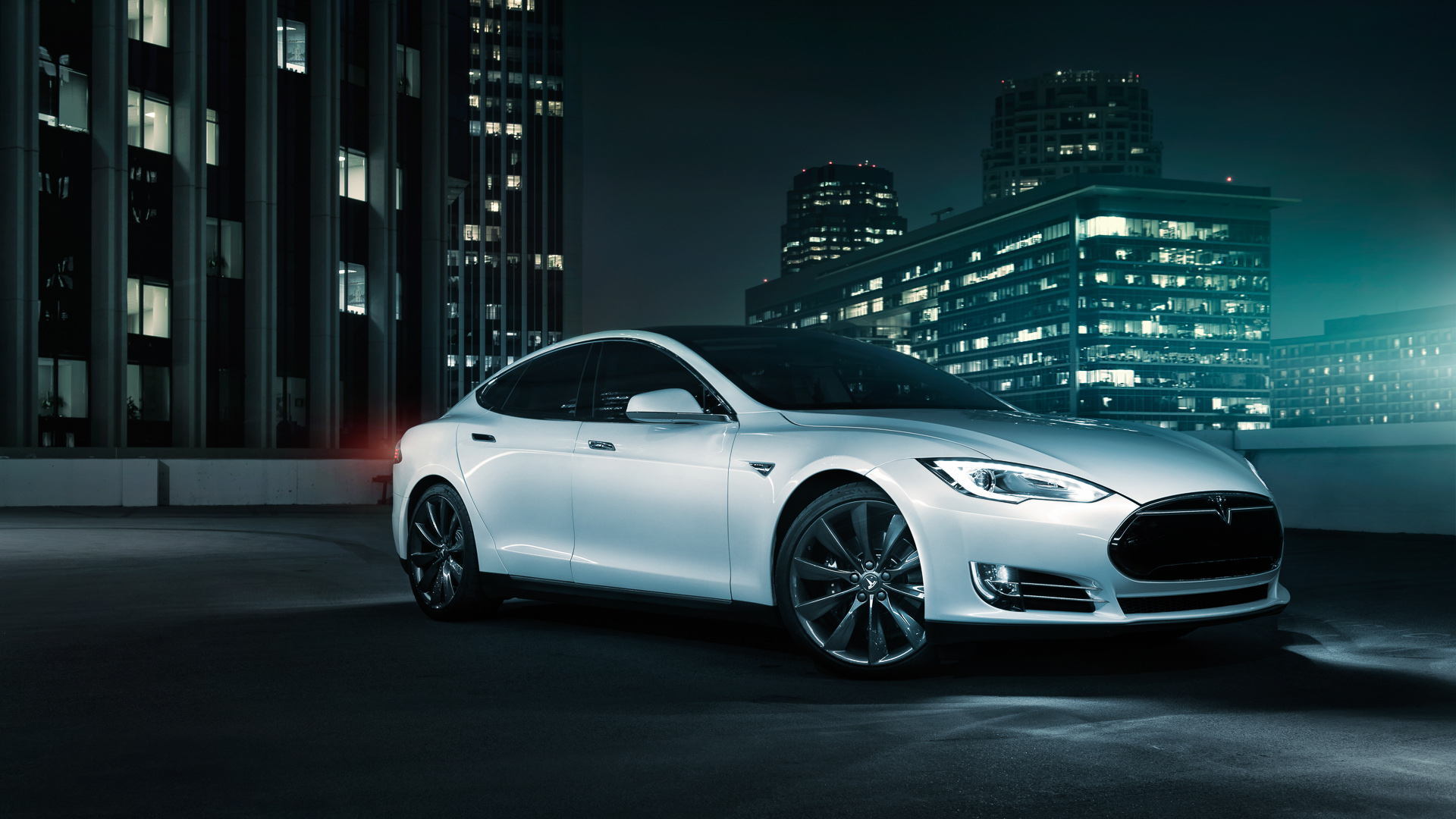
Tesla has once again redefined what the world thought was possible in automotive manufacturing. By pushing production speed to an almost unbelievable level, Elon Musk and Tesla have shattered traditional car-making rules, unveiling a system so fast it feels closer to science fiction than reality.
A fully built car rolling off the production line every 4.5 seconds is not just impressive — it’s revolutionary. This breakthrough is expected to power Tesla’s upcoming Model 2, the company’s most affordable electric vehicle yet, and potentially the most disruptive car in modern automotive history.
Let’s dive deep into how Tesla achieved this insane production speed, why Giga Texas is the heart of this innovation, and what the Tesla Model 2 could mean for the future of electric vehicles worldwide.
Tesla’s Unmatched Production Speed: Breaking Its Own Records
Tesla has built a reputation for setting manufacturing records — and then breaking them again. Unlike traditional automakers, Tesla continuously refines its production lines until there’s almost no wasted movement left to eliminate.
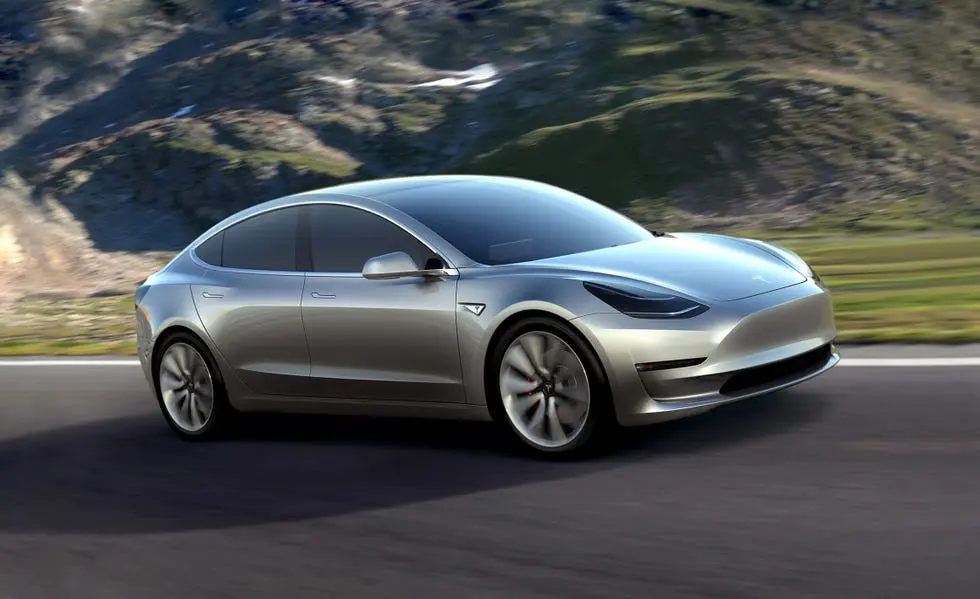
Elon Musk has openly stated that Tesla’s long-term vision is to produce a standard vehicle in under five seconds. That vision is no longer theoretical.
Tesla’s newest production line can now complete a vehicle in just 4.5 seconds, half a second faster than its previous record. At this speed, the human eye can barely follow what’s happening.
To put this into perspective:
- An automatic espresso machine takes 30–60 seconds to make coffee
- In that same time, six or more Teslas can be built
This makes Tesla’s production ramp the fastest ever achieved for a large, complex manufactured product.
Why 4.5 Seconds Is a Big Deal
This isn’t just about speed for the sake of headlines. Production speed directly impacts:
- Vehicle affordability
- Manufacturing cost
- Scalability
- Global market competitiveness
The faster Tesla can build cars, the cheaper it can sell them — and that’s exactly where the Tesla Model 2 comes in.
Tesla Model 2: The Affordable EV Designed for the Masses
The vehicles coming off this ultra-fast production line are expected to be the Tesla Model 2, Tesla’s most affordable electric car to date.
Expected Tesla Model 2 Highlights
- Estimated price: $20,000 – $30,000
- Production volume: Potentially double the Model Y
- Launch window: Early next year
- Target market: Urban and budget-conscious EV buyers
Elon Musk has hinted that the cost of production is around $20,000, making the Model 2 one of the most accessible EVs ever produced by Tesla.
Naturally, such extreme speed raises questions:
Is Tesla sacrificing quality for speed?
To answer that, we need to look at where and how Tesla builds its cars.
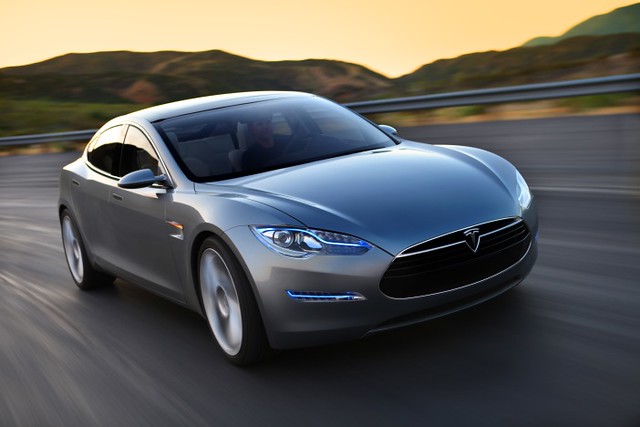
Tesla’s Global Gigafactory Network Explained
Tesla currently operates five major vehicle production factories worldwide, each playing a critical role.
Gigafactory Berlin (Germany)
- Focuses on Model Y production for Europe
Gigafactory Shanghai (China)
- Produces Model 3 and Model Y
- Highest production capacity in Tesla’s global network
Fremont Factory (USA)
Giga Nevada
- Dedicated to the Tesla Semi, one of the most complex EVs ever made
Gigafactory Texas (Austin)
- Produces Cybertruck and Cyber Cab
- Future home of Tesla Model 2
- The fastest, most automated factory Tesla has ever built
Gigafactory Texas: Tesla’s Manufacturing Masterpiece
Giga Texas isn’t just another factory — it’s a manufacturing experiment at full scale.
Inside, you’ll notice something unusual:
- Very few humans near the production line
- Massive robotic arms
- Enormous Gigacasting machines
- Fully autonomous systems running 24/7
The production line looks less like a traditional factory and more like Tesla is mass-producing high-tech toys, similar to how Matchbox cars are made — but on a mind-blowing industrial scale.
The Key to 4.5 Seconds: Body Panels and Structural Frame
The most time-consuming part of car manufacturing has always been the vehicle body and frame.
Old Method: Stamping and Welding
- Dozens of metal sheets
- Hundreds of welds
- Massive stamping presses
- Slow, complex, energy-intensive
Tesla’s New Method: Gigacasting
This is where Tesla’s Giga Press changes everything.
The Giga Press: A Manufacturing Revolution
Elon Musk describes the Giga Press as:
“A Matchbox car-making machine scaled up to real life.”
And that description is surprisingly accurate.
What Makes the Giga Press So Powerful?
- Delivers up to 50,000 tons of clamping force
- Casts massive vehicle sections in 2–3 seconds
- Replaces hundreds of individual parts
Instead of assembling a car frame from dozens of pieces, Tesla casts entire sections in a single shot.
From 70 Parts to One: Why Gigacasting Matters
Before gigacasting:
- Model Y rear body used ~70 components
- Required hundreds of welds
- Complex robotic coordination
After gigacasting:
- Rear underbody becomes one large casting
- Manufacturing cost reduced by up to 40%
- Hundreds of welds eliminated
- Simpler, stronger structure
For the Model 2, Tesla has gone even further.
Next-Generation Giga Press for Tesla Model 2
The Model 2 uses an even larger Giga Press capable of:
- Casting the entire vehicle chassis in one operation
- Producing five complete chassis units per cycle
- Eliminating over 400 welds
This alone allows Tesla to:
- Remove ~450 robots from the production line
- Reduce labor costs by ~20%
- Increase reliability and uptime
Fewer robots mean fewer failures, less maintenance, and lower operational costs.
Faster, Lighter, Stronger: The Hidden Benefits
Gigacasting doesn’t just improve speed.
Key Advantages
- Reduced vehicle weight
- Improved structural rigidity
- Better range and efficiency
- Lower energy consumption
In EVs, weight matters. Every pound saved translates into:
- Longer driving range
- Better performance
- Improved handling
Inside the High-Speed Assembly Line
Once the castings are complete, Tesla’s assembly line becomes a choreographed mechanical ballet.
Robotic arms:
- Lift
- Join
- Paint
- Finish
All with extreme precision and zero hesitation.
Paint Shop Precision: Speed Meets Perfection
Painting remains one of the most delicate steps.
Paint Process Includes
- Primer coating
- Precision sanding
- Multiple color layers
- Clear coat curing
Not all colors are equal:
- White: Simplest, cheapest, fastest
- Red: More layers, metallic particles, higher cost
This is why base models typically ship in white.
The Structural Battery Pack: Tesla’s Secret Weapon
At the heart of the Model 2 is a structural battery pack.
Unlike traditional batteries:
- It’s load-bearing
- Acts as the vehicle’s backbone
- Reduces the need for additional framing
The battery is mounted first, then:
- Front casting attached
- Rear casting attached
- Motors installed
- Suspension and brakes added
At this point, the car becomes a rolling skateboard.
The “Marriage”: Where Everything Comes Together
The most critical step is known as the marriage:
- Body and underbody are joined
- High-strength bolts secure the structure
- Precision alignment is mandatory
Once complete, the vehicle becomes one rigid, safety-optimized unit.
Final Assembly and Quality Control
Despite the speed, nothing leaves the factory unchecked.
Tesla performs:
- Mechanical inspections
- Electrical system checks
- Software validation
Only after passing rigorous quality control does the vehicle leave Giga Texas.
Leaked Tesla Model 2 Design and Features
According to internal leaks (estimated reliability: ~60%), the Model 2 will be:
Exterior
- Compact urban hatchback
- Sharper headlights
- No full-width light bar
- Clean, minimalist design
Interior
- Fabric seats instead of synthetic leather
- No seat heating
- No ambient lighting
- No panoramic roof
- Simplified sound system
This will disappoint some buyers — and that’s intentional.
Technology Still Intact
Despite cost cuts, the Model 2 is expected to retain:
- Full self-driving hardware
- Forward-facing cameras
- Onboard AI processing
This suggests future integration into Tesla’s RoboTaxi ecosystem.
Range and Performance Expectations
Rumored specifications:
- ~300 miles of range
- ~50+ kWh battery
- Lightweight, aerodynamic design
Tesla may also offer a long-range variant at a slightly higher price.
Why Tesla Model 2 Could Change Everything
The Model 2 isn’t just Tesla’s cheapest car — it’s a strategic shift.
Tesla is no longer focused solely on:
- Premium vehicles
- High margins
Instead, it’s targeting:
- Mass adoption
- Urban drivers
- Global affordability
This move directly challenges competitors like BYD and other Chinese automakers.
Final Thoughts: Are EVs Finally for Everyone?
If these leaks prove accurate, the Tesla Model 2 could reshape the global EV market.
It forces the industry to confront a critical question:
Are electric vehicles truly meant for everyone?
With a car built in 4.5 seconds, priced for the masses, and powered by revolutionary manufacturing — Tesla’s answer is clear.
FAQs
1. What is the Tesla Model 2?
The Tesla Model 2 is Tesla’s upcoming most affordable electric vehicle, designed as a compact urban car aimed at mass-market adoption. It is expected to launch next year with a significantly lower price than current Tesla models.
2. How fast is Tesla building the Model 2?
Tesla has developed a production line capable of building a complete vehicle in just 4.5 seconds, making it one of the fastest automotive manufacturing systems in history.
3. Where is the Tesla Model 2 being manufactured?
The Tesla Model 2 is expected to be produced primarily at Gigafactory Texas in Austin, Tesla’s most advanced and automated factory.
4. How much will the Tesla Model 2 cost?
According to estimates and leaks, the Tesla Model 2 price range is expected to be between $20,000 and $30,000, depending on configuration and market.
5. Is Tesla sacrificing quality to achieve such high production speed?
No. Tesla uses advanced automation, gigacasting, and simplified vehicle architecture to increase speed while maintaining strict quality control and inspection standards.
6. What is the Giga Press and why is it important?
The Giga Press is a massive high-pressure die-casting machine that creates large sections of a vehicle’s chassis in a single piece, eliminating hundreds of parts, welds, and robots.
7. How does gigacasting reduce manufacturing costs?
Gigacasting reduces costs by:
- Eliminating hundreds of welds
- Reducing labor and robot count
- Simplifying the assembly line
Tesla estimates up to 40% cost savings on key structural components.
8. What makes Gigafactory Texas different from other factories?
Gigafactory Texas features:
- Extreme automation
- Minimal human involvement
- 24/7 autonomous operation
- Next-generation gigacasting technology
It is optimized specifically for speed, scale, and cost efficiency.
9. What type of battery will the Model 2 use?
The Model 2 is expected to use a structural battery pack, which acts as part of the vehicle’s frame, reducing weight and improving efficiency.
10. What is the expected driving range of the Tesla Model 2?
Leaks suggest the standard Model 2 may achieve around 300 miles of range with a battery capacity of just over 50 kWh, thanks to lightweight design and optimized aerodynamics.
11. Will the Tesla Model 2 support Full Self-Driving (FSD)?
Yes. Despite being a budget model, the Model 2 is rumored to retain Tesla’s full self-driving hardware, making it compatible with future autonomous features.
12. What features are removed to keep the Model 2 affordable?
To reduce costs, the Model 2 may exclude:
- Heated seats
- Premium audio system
- Panoramic glass roof
- Ambient lighting
- Acoustic glass
13. What body style will the Tesla Model 2 have?
The Model 2 is expected to be a compact four-door urban hatchback, optimized for city driving and tight parking environments.
14. How does the Model 2 compare to the Model Y?
The Model 2 will be:
- Smaller and lighter
- More affordable
- Less feature-rich
- Faster to manufacture
It targets a different audience focused on value and efficiency.
15. Why is Tesla focusing on an affordable EV now?
Tesla aims to:
- Expand global EV adoption
- Compete with low-cost EVs from China
- Enter the true mass-market segment
The Model 2 represents a strategic shift toward accessibility.
Read More:
- SpaceX Revealed Big Challenges in First Starship V3 Flight Next Year! HARDER than You Think
- Production-ready Tesla Cybercab hits showroom floor in San Jose
- Wedbush’s Dan Ives sees ‘monster year’ ahead for Tesla amid AI push
- Another Tesla Model 3 variant sold out for January 2026 in China
- Xpeng CEO: Tesla FSD 14.2 has developed “near-Level 4” performance
- Tesla Model Y Standard stuns in new range test, besting its Premium siblings