
After more than five decades since humans last ventured toward the Moon, NASA Artemis II is preparing to make history. What once seemed like a distant milestone is now just weeks away. Soon, astronauts will travel beyond low Earth orbit for the first time since 1972, marking a decisive new chapter in human space exploration.
The upcoming mission under the NASA Artemis program is more than just a repeat of Apollo. It represents a bold technological leap forward—introducing new systems, upgraded spacecraft capabilities, and a renewed ambition to establish a sustainable human presence on the Moon.
Here’s everything you need to know about Artemis II, from its launch preparations and technical upgrades to its mission profile, crew, and global significance.
Artemis II: The First Crewed Lunar Mission in 53 Years
The last time astronauts journeyed toward the Moon was during the Apollo era. Now, Artemis II is set to end that 53-year pause. Unlike its predecessor, Artemis I, which was uncrewed, Artemis II will carry four astronauts on a 10-day mission around the Moon.
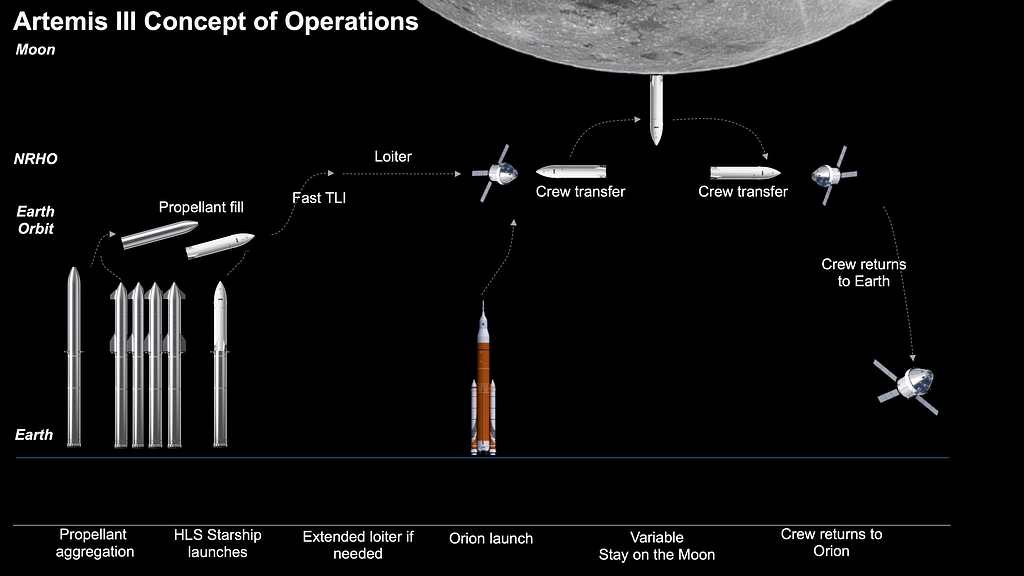
This mission serves as the critical bridge between testing and landing. While Artemis II will not land on the lunar surface, it will validate the systems that will enable future missions like Artemis III.
Launch Vehicle: The Space Launch System (SLS)
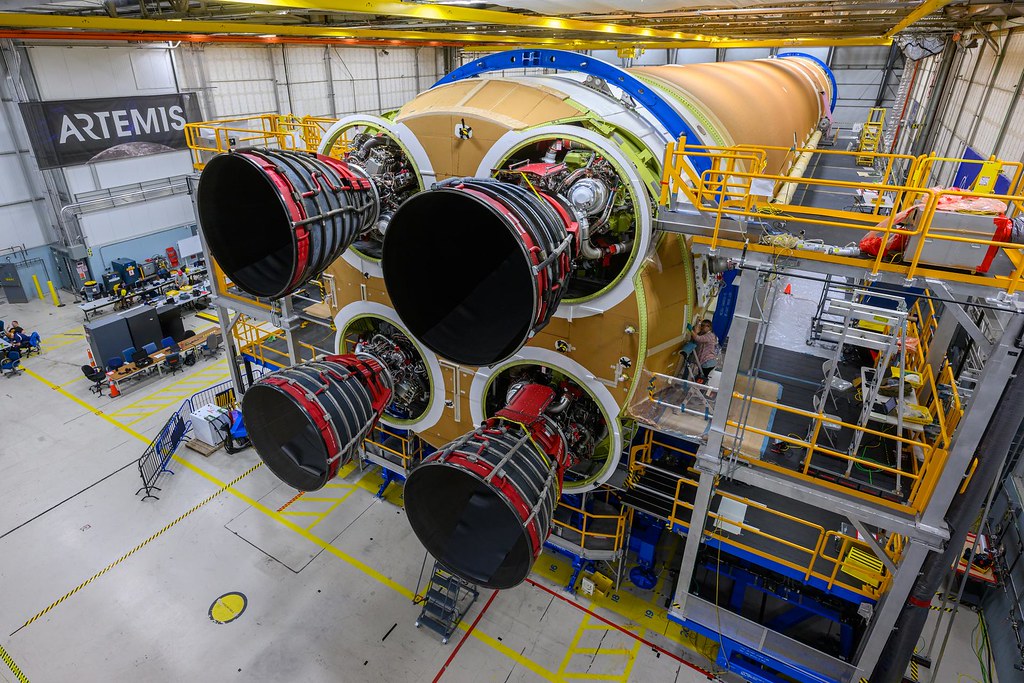
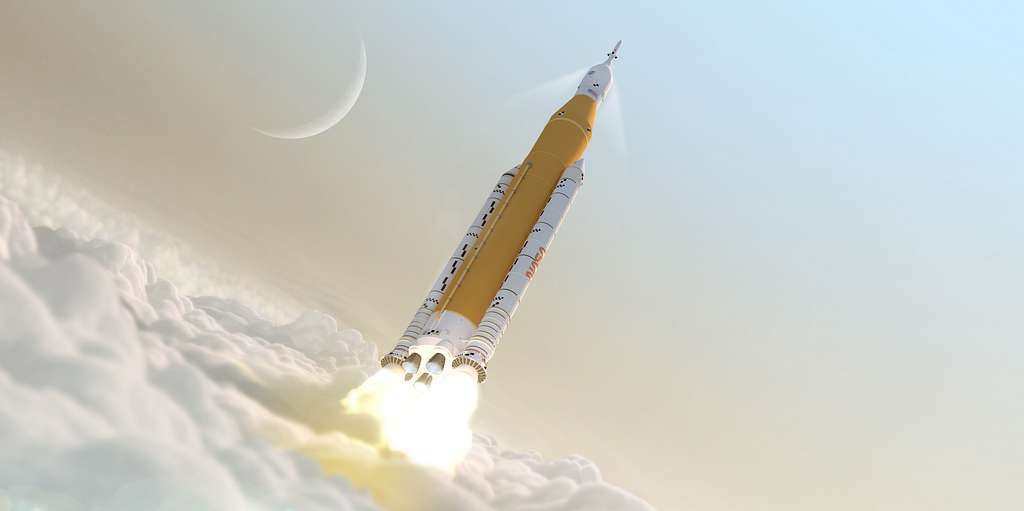
At the heart of Artemis II is the powerful Space Launch System (SLS)—one of the tallest and most powerful rockets ever built.
Key Features of the SLS Rocket
- Two massive solid rocket boosters
- Liquid hydrogen and liquid oxygen core stage
- Interim Cryogenic Propulsion Stage (ICPS)
- Launch Abort System (LAS)
- Designed for deep space missions
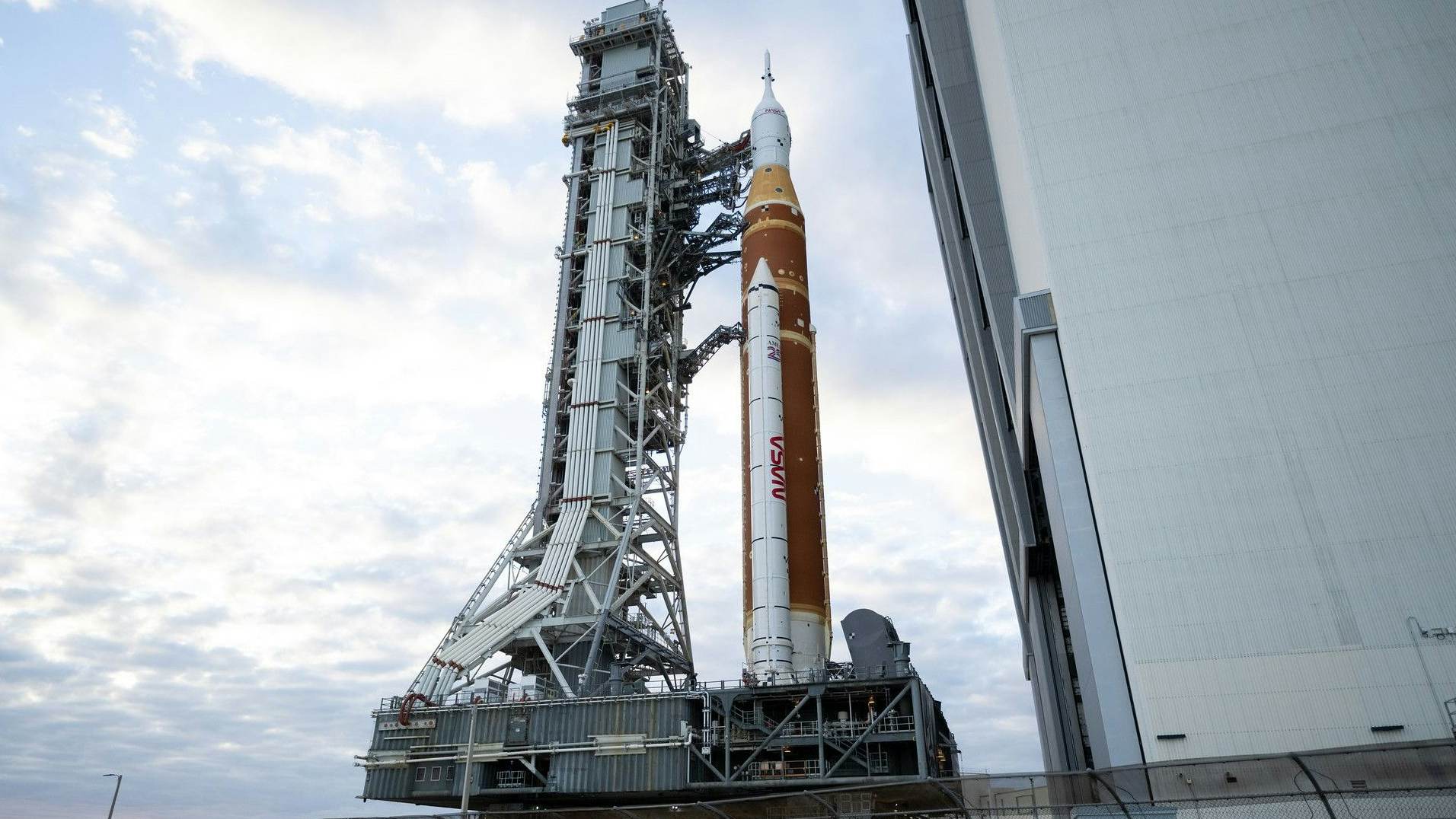
Standing nearly 98 meters tall, SLS was rolled out from the Vehicle Assembly Building to Launch Complex 39B at Kennedy Space Center—a historic moment reminiscent of the Saturn V era.
While SLS replaces the legendary Saturn V, it draws technological heritage from the Space Shuttle program, particularly in its core stage and boosters.
Despite criticism over cost—each launch estimated around $4 billion—SLS remains central to NASA’s deep space strategy.
Orion Spacecraft: Built for Crew Survival Beyond Earth
The Orion spacecraft is the most significantly upgraded component for Artemis II.
Unlike Artemis I, which flew autonomously, Artemis II’s Orion will operate both automatically and under manual control.
Major Orion Upgrades for Artemis II
- Fully active Environmental Control and Life Support System (ECLSS)
- Breathable air and water supply systems
- Carbon dioxide removal
- Waste management systems
- Temperature control
- Enhanced heat shield (improved after Artemis I findings)
- Dedicated crew communications
The spacecraft will support astronauts during their entire 10-day mission in deep space—something not done since Apollo.
The Artemis II Crew: A Historic Team
Artemis II will carry four astronauts closer to the Moon than any human in over half a century:
- Reid Wiseman – Commander
- Victor Glover – Pilot
- Christina Koch – Mission Specialist
- Jeremy Hansen – Mission Specialist
This crew represents a more inclusive era of human spaceflight. It will be the first lunar mission crew to include both a woman and a Black astronaut.
They will wear next-generation suits developed by Axiom Space, designed for intravehicular use inside Orion. These suits are lighter, more advanced, and aligned with NASA’s modern identity.
Mission Timeline: A 10-Day Journey to the Moon
Unlike Artemis I’s 25-day mission, Artemis II is designed to last approximately 10 days.
Mission Breakdown
Day 1:
- Launch and booster separation
- Perigee and apogee burns via ICPS
- Orion separates and remains in Earth orbit for system checks
Day 2:
- Trans-Lunar Injection (TLI) burn using Orion’s engine
Days 3–6:
- Four-day outbound journey to the Moon
Day 6–7:
- Lunar flyby at approximately 4,800 miles (7,700 km) above the lunar surface
Days 7–10:
- Free return trajectory toward Earth
- Capsule re-entry and ocean splashdown
Unlike Artemis I, Artemis II will not enter distant retrograde orbit. Instead, it will follow a free-return trajectory—using the Moon’s gravity to bend its path back toward Earth without major engine burns during flyby.
This fuel-efficient approach enhances mission safety and conserves resources.
Wet Dress Rehearsal: The Critical Pre-Launch Test
Before liftoff, NASA must complete the highly anticipated wet dress rehearsal (WDR).
This full countdown simulation:
- Loads cryogenic propellants
- Tests fueling systems
- Evaluates ground support equipment
- Simulates countdown to T-minus 29 seconds
The only step not performed? Engine ignition.
Hydrogen Leak Challenges
NASA recently identified a liquid hydrogen leak—a known risk due to hydrogen’s small molecular size. Hydrogen must be stored at -253°C, making containment extremely challenging.
A similar issue delayed Artemis I in 2022, and resolving such leaks is essential before launch approval.
Because solid rocket boosters cannot be drained or reused once ignited, NASA will not conduct a static fire test. Each booster was tested individually before integration.
Why Artemis II Differs from Artemis I
1. Shorter Duration
- Artemis I: 25 days
- Artemis II: 10 days
2. Simplified Lunar Profile
- No distant retrograde orbit
- Direct lunar flyby
3. Extensive Earth Orbit Checkouts
- Life support verification
- Proximity operations testing
- Manual handling demonstrations
Crewed missions demand thorough system verification before committing to deep space travel.
Cost, Criticism, and Reliability Concerns
Artemis II has not been without controversy.
Major Criticisms
- High launch costs (~$4 billion per flight)
- Development delays (Artemis I took nearly a decade)
- Heat shield wear observed after Artemis I
- Hydrogen fueling challenges
There were even proposals to cut or alter the program during budget reviews. However, congressional support preserved NASA’s core lunar strategy.
Now, success depends on flawless execution.
International Competition and Global Significance
Artemis II is unfolding during a renewed global race to the Moon.
China has made remarkable advances, including:
- Landing on the Moon’s near side
- Landing on the Moon’s far side
- Returning lunar samples to Earth
These milestones strengthen China’s ambitions for a long-term lunar presence.
Unlike the Apollo missions—which were short visits—the Artemis program aims to establish sustained lunar infrastructure, paving the way for Mars exploration.
Commercial Partnerships: SpaceX and Blue Origin
NASA is not working alone.
The Artemis program integrates commercial partners such as:
These companies are developing lunar landers and supporting systems for future crewed surface missions.
The shift toward public-private collaboration represents a new era in space exploration—combining government oversight with commercial innovation.
Launch Windows and What Happens Next
NASA has established multiple launch windows across February, March, and April to provide flexibility for technical adjustments.
Before launch, the team must complete:
- Radio frequency interference testing
- Cryogenic fueling tests
- Emergency evacuation drills
- Full wet dress rehearsal
Each step ensures astronaut safety and mission reliability.
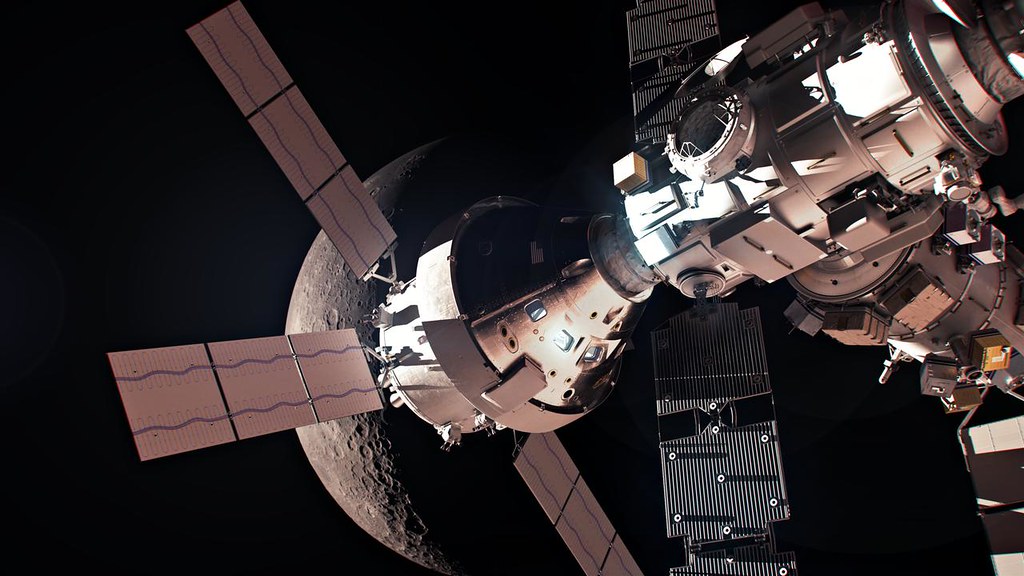
Why Artemis II Matters
Artemis II is not just a mission—it is a turning point.
It will:
- Validate life support systems in deep space
- Demonstrate crew safety beyond Earth orbit
- Gather data for Artemis III lunar landing
- Strengthen U.S. leadership in space
- Inspire a new generation
Like Apollo 8, Artemis II will fly humans around the Moon without landing. Yet its impact will be profound.
The Road to a Sustainable Lunar Presence
The long-term goal of the Artemis program is not a brief visit—but permanence.
Future missions aim to:
- Establish lunar habitats
- Deploy surface infrastructure
- Utilize lunar resources
- Prepare for human missions to Mars
Artemis II is the proving ground for that future.
Final Thoughts: A Defining Moment in Space History
After years of delays, technical hurdles, budget debates, and intense scrutiny, NASA stands on the verge of a historic return to deep space.
The Space Launch System has rolled out. Orion is assembled. The crew is ready.
What remains is execution.
If successful, Artemis II will signal that humanity is once again capable of pushing beyond Earth orbit—not for a brief visit, but for a sustained presence.
We are closer to the Moon than we have been in over half a century.
And this time, we’re going back to stay.
FAQs
1. What is NASA Artemis II?
Artemis II is NASA’s first crewed lunar mission in more than 50 years. It is part of the broader Artemis program and will send four astronauts on a 10-day journey around the Moon without landing on its surface.
2. When will Artemis II launch?
NASA is targeting upcoming launch windows pending completion of final testing, including the wet dress rehearsal and cryogenic fueling validation. Exact dates depend on technical readiness and weather conditions.
3. How long will the Artemis II mission last?
The mission is planned to last approximately 10 days, including time in Earth orbit, a lunar flyby, and the return journey to Earth.
4. Who are the astronauts flying on Artemis II?
The Artemis II crew includes:
- Reid Wiseman – Commander
- Victor Glover – Pilot
- Christina Koch – Mission Specialist
- Jeremy Hansen – Mission Specialist
5. Will Artemis II land on the Moon?
No. Artemis II will perform a lunar flyby but will not land. The first Artemis landing is planned for Artemis III.
6. What rocket will launch Artemis II?
Artemis II will launch aboard NASA’s powerful Space Launch System (SLS), one of the most powerful rockets ever built.
7. What spacecraft will carry the crew?
The astronauts will travel in the Orion spacecraft, which is designed for deep space missions beyond low Earth orbit.
8. How is Artemis II different from Artemis I?
Unlike Artemis I, which was uncrewed and lasted 25 days, Artemis II will carry astronauts and last about 10 days. It will also follow a simpler free-return trajectory instead of entering distant retrograde orbit.
9. What is a free-return trajectory?
A free-return trajectory uses the Moon’s gravity to naturally bend the spacecraft’s path back toward Earth without requiring major engine burns during the flyby. This improves safety and fuel efficiency.
10. What is the purpose of the wet dress rehearsal?
The wet dress rehearsal is a full launch countdown simulation where NASA loads cryogenic propellants and tests systems up to T-minus 29 seconds, stopping just before engine ignition.
11. Why is liquid hydrogen such a challenge?
Liquid hydrogen must be stored at extremely low temperatures (below -253°C) and is prone to leakage due to its tiny molecular size. Detecting and fixing leaks is critical for launch safety.
12. How high above the Moon will Artemis II fly?
Orion will pass approximately 4,800 miles (7,700 km) above the lunar surface during its flyby.
13. What upgrades does Orion have for Artemis II?
Key upgrades include:
- Fully active life support systems
- Improved heat shield
- Manual flight capability
- Enhanced crew communications
14. How much does an Artemis II launch cost?
Each SLS launch is estimated to cost around $4 billion, making it one of the most expensive rockets currently in operation.
15. Why is Artemis II historically significant?
It will be the first crewed mission to travel toward the Moon since Apollo and marks a major step toward sustainable lunar exploration.
16. How does Artemis II compare to Apollo missions?
Like Apollo 8, Artemis II will orbit the Moon without landing. However, it uses modern systems, digital controls, and advanced life support technologies.
17. What role do commercial partners play in the Artemis program?
NASA collaborates with companies such as SpaceX and Blue Origin to develop lunar landers and future mission systems.
18. What happens after Artemis II?
The next major milestone is Artemis III, which aims to land astronauts on the lunar surface and begin establishing a long-term presence.
19. Why does Artemis II matter for the future of space exploration?
Artemis II validates critical systems needed for sustained lunar exploration and future Mars missions. It represents a turning point in humanity’s return to deep space—not just to visit, but to stay.
Read More:
- New details emerge on The Boring Company’s Universal tunnel plans
- Elon Musk’s X sees outage on Monday as users report issues
- Tesla Sweden’s port deal sparks political clash in Trelleborg
- Tesla leaves a single loophole to purchase Full Self-Driving outright
- Tesla owners explore potential FSD pricing options as uncertainty looms
1 thought on “NASA Artemis II Launch Journey to the Moon Revealed! SOONER than Expected”