
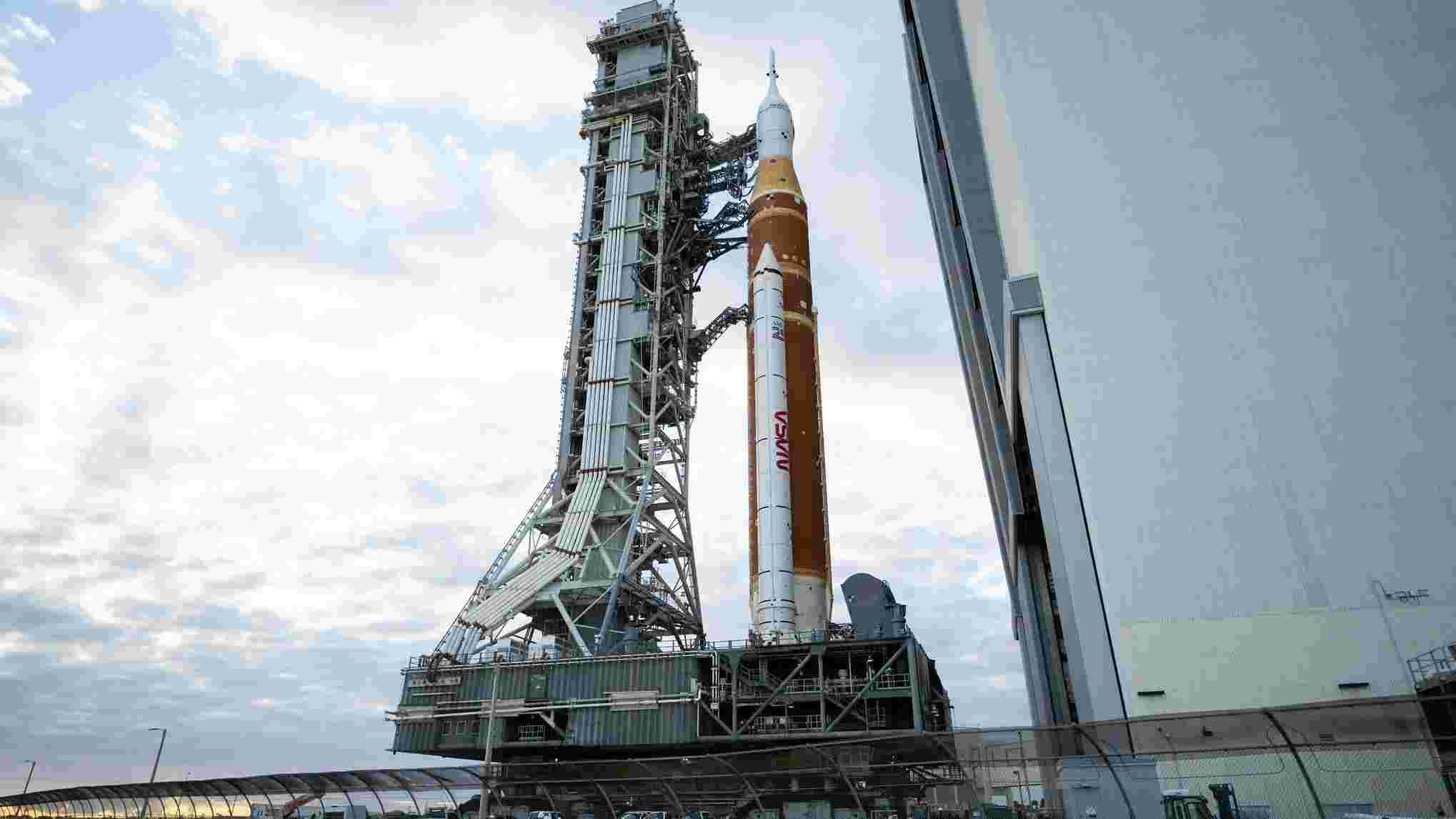
Humanity is standing on the edge of a new era in space exploration. Just a few more weeks remain before NASA’s Artemis II mission launches, carrying astronauts closer to the Moon than we have been in more than half a century. After years of delays, redesigns, and intense testing, this historic flight is no longer theoretical — it’s real, it’s ready, and the countdown has officially begun.
In this blog post, we’ll walk through the Artemis II mission timeline, step by step, from launch to lunar flyby and back to Earth. Whether you’re a space enthusiast or a casual observer, this mission is shaping up to be one of the most important moments in modern space history.
What Is Artemis II? A Historic Mission in the Making
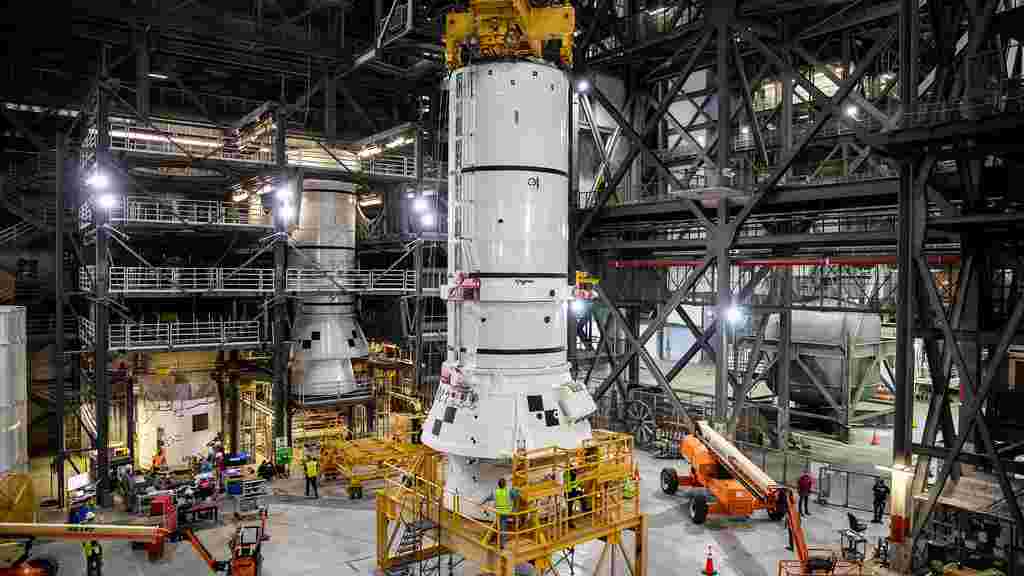
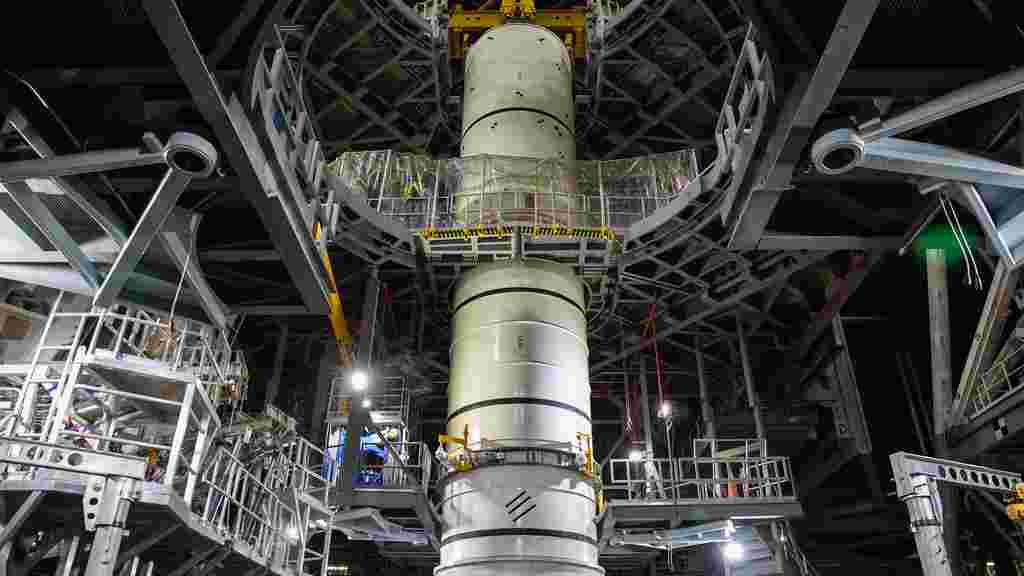
Artemis II is the second mission in NASA’s Artemis program, and it will be the first crewed flight to use NASA’s deep space exploration system — including the Space Launch System (SLS) rocket, the Orion spacecraft, and the mobile launcher. Unlike modern commercial missions, every major component is fully operated by NASA, representing a bold return to human lunar exploration.
This mission is not designed to land on the Moon. Instead, it will take astronauts around the Moon and back, testing critical systems and proving NASA’s ability to operate in deep space with humans on board.
Meet the Artemis II Crew
Artemis II will carry a diverse and experienced crew:
- Commander Reed Wiseman
- Pilot Victor Glover
- Mission Specialist Christina Koch
- Mission Specialist Jeremy Hansen
Together, they represent NASA and international partners, and they are trained to execute the mission’s complex timeline with precision.
Mission Timeline: From Launch to Lunar Flyby
Launch Day Preparations
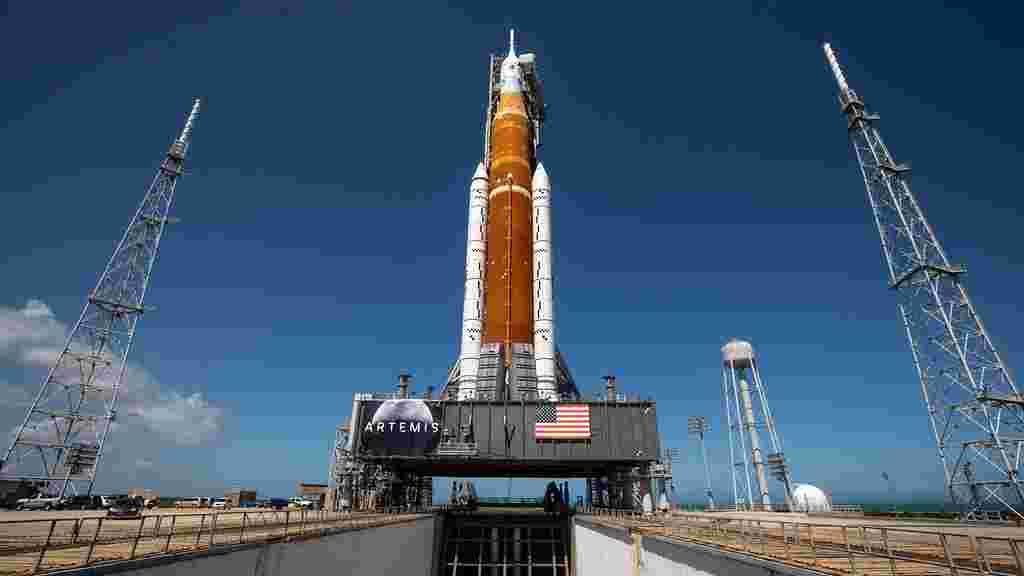
The Artemis II mission has been rehearsed through rigorous testing, including a wet dress rehearsal that simulated the entire launch process. Teams practiced propellant loading, countdown procedures, and system checks in real time — without astronauts onboard.
This rehearsal helped NASA confirm timelines, identify issues, and refine procedures for the actual mission.
T-Minus 49 Hours — Final Preparations Begin
Two days before launch, the official countdown begins.
- Astronauts complete quarantine procedures.
- The crew is transported to Kennedy Space Center (KSC).
- Engineers begin final system checks.
- Software, hardware, and ground systems are verified.
This phase ensures everything is ready for the final countdown.
Launch Day — The Countdown Begins
T-Minus 3 Hours — Astronauts Suit Up
At the Neil Armstrong Operations and Checkout Building, the crew suits up for launch. These suits protect them during ascent and re-entry and provide emergency support if needed.
Boarding the Orion Spacecraft
Artemis II differs from modern commercial missions. Unlike SpaceX’s approach, where astronauts board before fueling, NASA is expected to fuel first and board later.
This method minimizes astronaut exposure to hazardous cryogenic propellant loading — a major safety priority for NASA.
Fueling the SLS Rocket
The SLS core stage uses liquid hydrogen and liquid oxygen, while the two solid rocket boosters are already fueled.
Once fueling is complete, teams conduct:
- Pressure checks
- Leak inspections
- Safety confirmations
This process typically takes 30 minutes to 1 hour.
T-Minus 10 Minutes — Final Checks
At this stage, final system checks are performed. The countdown can be paused or recycled if any anomalies are detected.
T-Minus 33 Seconds — Final Approval
Control transfers to the SLS autonomous flight system.
T-Minus 10 Seconds — Engine Ignition
The SLS engines ignite, and liftoff begins.
Ascent to Orbit — Following Artemis I’s Footsteps
Once the rocket lifts off, the ascent timeline mirrors Artemis I:
- T+ 1 minute 10 seconds — Max Q (maximum aerodynamic pressure)
- T+ 2 minutes 12 seconds — Solid rocket boosters separate
- T+ 3 minutes 11 seconds — Service module fairing jettisoned
- T+ 8 minutes 3 seconds — Core stage engine cutoff
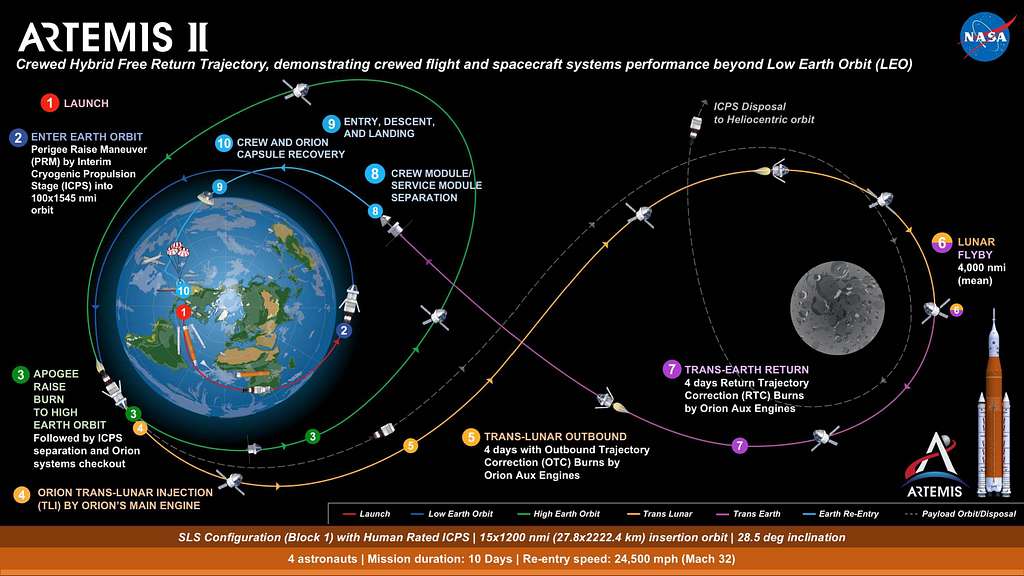
- T+ 52 minutes 56 seconds — ICPS perigee raise burn
High Earth Orbit — A Critical Crew Checkout
Unlike Artemis I, Artemis II does not immediately perform a trans-lunar injection.
Instead, the mission enters a high Earth orbit for a 24-hour checkout period.
Proximity Operations Demonstration
During this period, Orion performs proximity operations — testing its ability to maneuver and conduct manual flight.
This is essential for future missions involving docking or rendezvous.
Trans-Lunar Injection — Heading Toward the Moon
After one full orbit around Earth, Orion performs the trans-lunar injection burn using its main engine.
This puts the spacecraft on a free-return trajectory toward the Moon.
Days 2–5 — Outbound Transit to the Moon
During this phase:
- Trajectory correction maneuvers may occur.
- The crew monitors systems and prepares for lunar approach.
- Orion performs the outbound powered flyby burn.
Day 6 — Lunar Flyby: The Closest Human Approach in 50 Years
Artemis II will pass between 7,400 and 10,000 kilometers above the lunar surface, marking the closest humans have been to the Moon in over 50 years.
Why This Flyby Matters
This flyby is more than a photo opportunity. It provides:
- Critical science data
- Observations of lunar regions
- Insight into future landing sites
- Imagery of Earth and Moon together
The astronauts will capture stunning photos that may be more dramatic than those from Artemis I.
Deep Space Testing — The Mission’s Core Objective
Artemis II is not only a lunar flyby — it’s a comprehensive test mission.
NASA will evaluate:
- Environmental control systems
- Life support performance
- Navigation and communication systems
- Crew operations in deep space
- Orion’s heat shield integrity
Day 7–10 — Return to Earth
After the lunar flyby, Orion uses lunar gravity to begin its return.
The return journey takes about 4 days.
Final Re-entry and Splashdown
As Orion approaches Earth:
- The service module separates and burns up in the atmosphere.
- The crew module re-enters using its heat shield.
- Parachutes deploy for a safe splashdown in the Pacific Ocean.
Recovery teams quickly secure the capsule and bring the crew safely home.
Why Artemis II Matters for the Future
Although Artemis II won’t land humans on the Moon, it sets the stage for the next critical mission — Artemis III — which aims to land astronauts on the lunar surface.
Artemis II is a cornerstone mission because:
- It proves NASA’s deep space systems with humans onboard.
- It validates critical technology for future lunar landings.
- It builds confidence for sustainable lunar exploration.
Conclusion: The Countdown Is Real
Artemis II is not just another mission — it’s a milestone that will define the next era of human space exploration. With launch day approaching, humanity is preparing to witness the first crewed lunar mission in more than 50 years.
So get ready for a historic journey — from Florida to the Moon and back — and remember that the future of space exploration is now closer than ever.
FAQs
1. What is Artemis II?
Artemis II is NASA’s second mission in the Artemis program, and it will be the first crewed flight of the Space Launch System (SLS) and Orion spacecraft to travel around the Moon and return to Earth.
2. When will Artemis II launch?
The launch date is subject to change due to technical or environmental factors, but the mission is expected to launch within the next few weeks, as preparations are in the final stages.
3. How many astronauts will fly on Artemis II?
Artemis II will carry four astronauts aboard the Orion spacecraft.
4. Who are the Artemis II astronauts?
The crew includes:
- Commander Reed Wiseman
- Pilot Victor Glover
- Mission Specialist Christina Koch
- Mission Specialist Jeremy Hansen
5. What is the mission objective of Artemis II?
The primary objective is to test NASA’s deep space systems with a crew onboard, validate Orion systems, and complete a lunar flyby, marking the closest human approach to the Moon in over 50 years.
6. Will Artemis II land on the Moon?
No. Artemis II will not land on the Moon. The mission will perform a flyby and return to Earth.
7. What rocket will launch Artemis II?
Artemis II will launch aboard NASA’s Space Launch System (SLS) rocket, the most powerful rocket NASA has ever built.
8. What spacecraft will carry the crew?
The crew will fly inside NASA’s Orion spacecraft, supported by the European Service Module (ESM).
9. How long will Artemis II last?
The mission is expected to last about 10 days, including outbound transit, lunar flyby, and return to Earth.
10. What is the “free return trajectory”?
A free return trajectory uses the Moon’s gravity to automatically guide the spacecraft back to Earth, minimizing the need for major propulsion burns.
11. What is the closest distance Artemis II will reach to the Moon?
Artemis II is expected to pass between 7,400 and 10,000 kilometers above the lunar surface.
12. What happens during the 24-hour high Earth orbit checkout?
During this period, the crew tests critical systems, performs proximity operations, and verifies spacecraft performance before heading to the Moon.
13. Why does Artemis II perform a high Earth orbit before heading to the Moon?
This orbit allows NASA to verify Orion systems with a crew onboard, ensuring safety and readiness for deep space travel.
14. Will the solid rocket boosters be recovered?
No. Unlike Space Shuttle missions, the solid rocket boosters will not be recovered and will fall into the ocean after separation.
15. What is the role of the European Service Module (ESM)?
The ESM provides propulsion, power, thermal control, and life support systems for Orion during the mission.
16. What happens during re-entry and splashdown?
The service module separates and burns up in Earth’s atmosphere. The crew module re-enters using its heat shield, deploys parachutes, and splashes down in the Pacific Ocean.
17. Why is Artemis II important for future missions?
Artemis II is a critical test for future lunar landings, especially Artemis III, and will validate technologies needed for sustained human presence on the Moon.
18. Will Artemis II carry any experiments or science instruments?
Yes. Artemis II will collect valuable science and operational data, including imaging of the Moon and Earth, testing life support systems, and evaluating Orion’s performance in deep space.
Read More:
- 2026 Tesla Pi Phone Under $317 is HERE. Elon Musk Unveils 7 Features
- Tesla Makes History: Autonomous Coast-to-Coast Drive, Record-Breaking Sales, and the Future of Electric Transportation
- Break it! Elon Musk’s SpaceX Insane Secret Starship Goals in 2026 Shocked NASA
- Tesla Sweden uses Megapack battery to bypass unions’ Supercharger blockade
- Tesla Model Y and Model 3 named safest vehicles tested by ANCAP in 2025
1 thought on “NASA Artemis II Mission Timeline to the Moon Revealed! The Countdown Begins”