
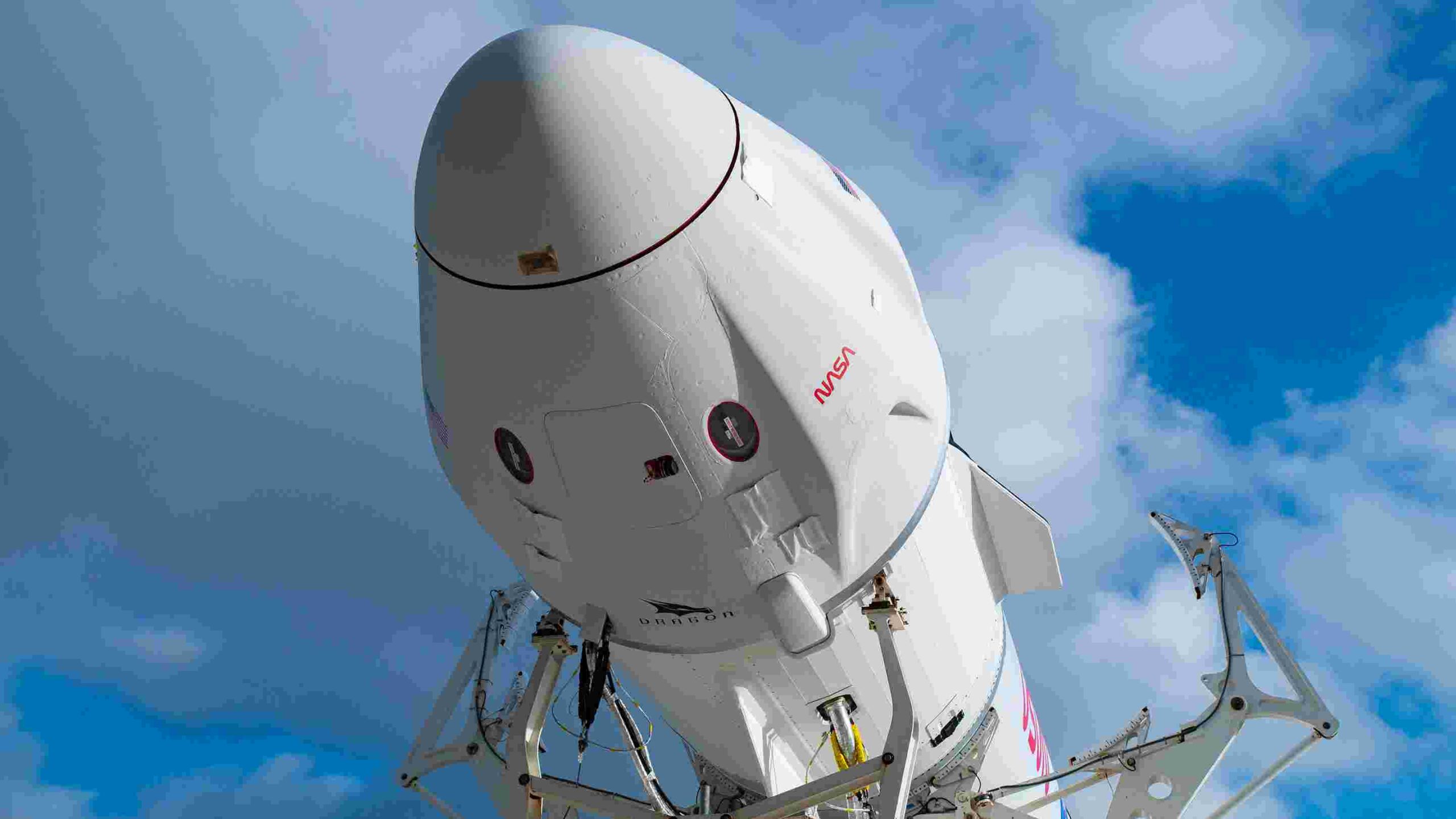
The global space community is closely watching a rapidly evolving situation aboard the International Space Station (ISS)—one that NASA itself has described as the most serious medical challenge since continuous ISS operations began more than 25 years ago. Mission timelines are shifting, contingency plans are being activated, and once again, SpaceX’s Dragon spacecraft stands ready as NASA’s most reliable safety net.
At the same time, the broader spaceflight landscape is anything but quiet. United Launch Alliance (ULA) is preparing a crucial Vulcan rocket launch tied to U.S. national security, while China accelerates toward its ambitious Chang’e 7 lunar mission, potentially beating the rest of the world to confirmed water ice at the Moon’s south pole.
This article breaks down every major development, why it matters, and how these events could shape the future of human spaceflight.
A Medical Crisis Aboard the International Space Station
NASA has confirmed that Crew-11, currently living and working aboard the ISS, is facing an unexpected and serious medical situation involving one astronaut whose identity has not been publicly disclosed.
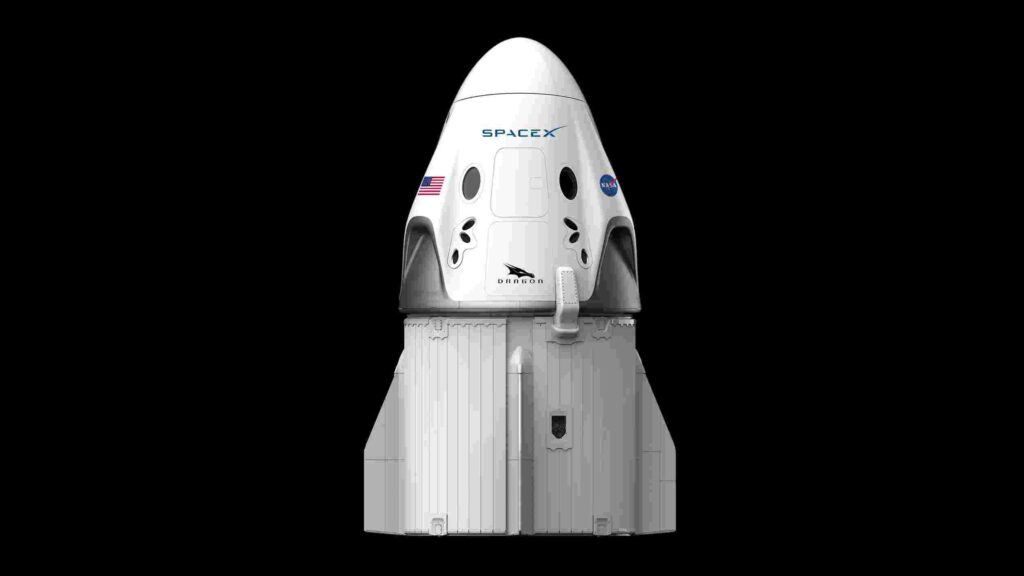
Who Is Crew-11?
Crew-11 arrived at the ISS on August 1, with a standard six-month mission duration. Under normal circumstances, their return would have occurred in the latter half of February. That timeline is now in question.
NASA previously delayed a planned extravehicular activity (spacewalk) due to this medical issue. While the agency continues to report that the crew remains stable, it has become clear that the condition cannot be fully diagnosed or treated aboard the ISS.
NASA Leadership Speaks Out
NASA Administrator Jared Isaacman addressed the situation directly, stating:
“The capability to diagnose and treat this properly does not live on the International Space Station.”
Following consultations with NASA’s Chief Health and Medical Officer, Dr. JD Polk, and senior leadership across the agency, NASA has determined that astronaut health and safety must take priority over mission timelines.
Early Return to Earth: Crew-11’s Accelerated Timeline
As a result, NASA has decided that Crew-11 will return to Earth earlier than planned.
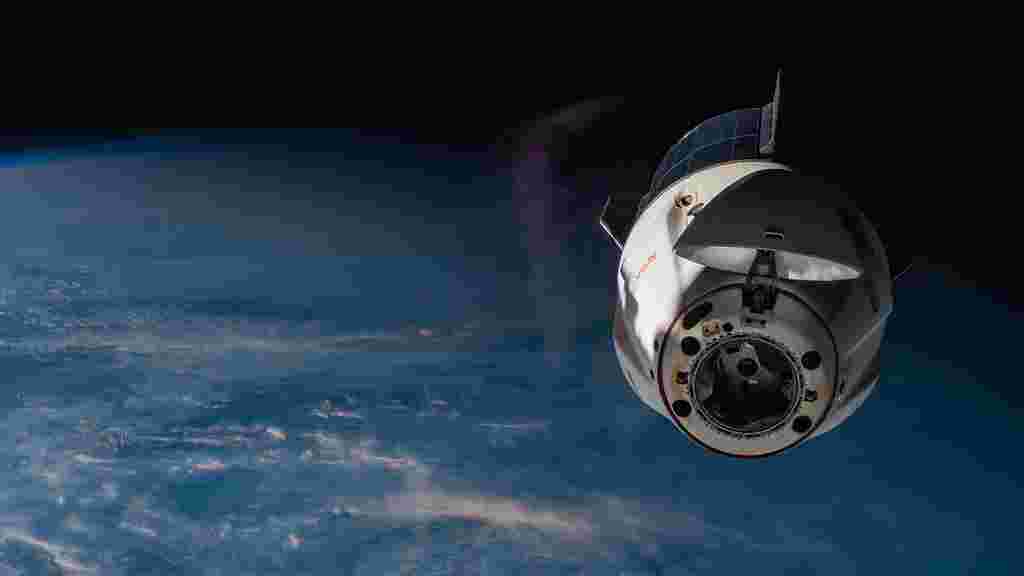
Crew-11 Members Returning on Dragon Endeavor
The Dragon Endeavor spacecraft will soon undock from the ISS carrying:
- Commander Zena Cardman
- Pilot Mike Fincke
- Kimya Yui (JAXA)
- Oleg Platonov (Roscosmos)
This return will mark Dragon Endeavor’s sixth mission, exceeding its original design expectation of five flights, a testament to SpaceX’s engineering confidence and reliability.
Is This an Emergency Deorbit? NASA Clarifies
Despite the seriousness of the situation, NASA has emphasized that this is not an emergency deorbit.
Isaacman reassured the public:
“It is not an emergency deorbit, even though we always retain that capability. NASA and our partners train for that potential routinely.”
This distinction matters. NASA prepares extensively for medical contingencies, and the current response reflects careful risk management—not panic.
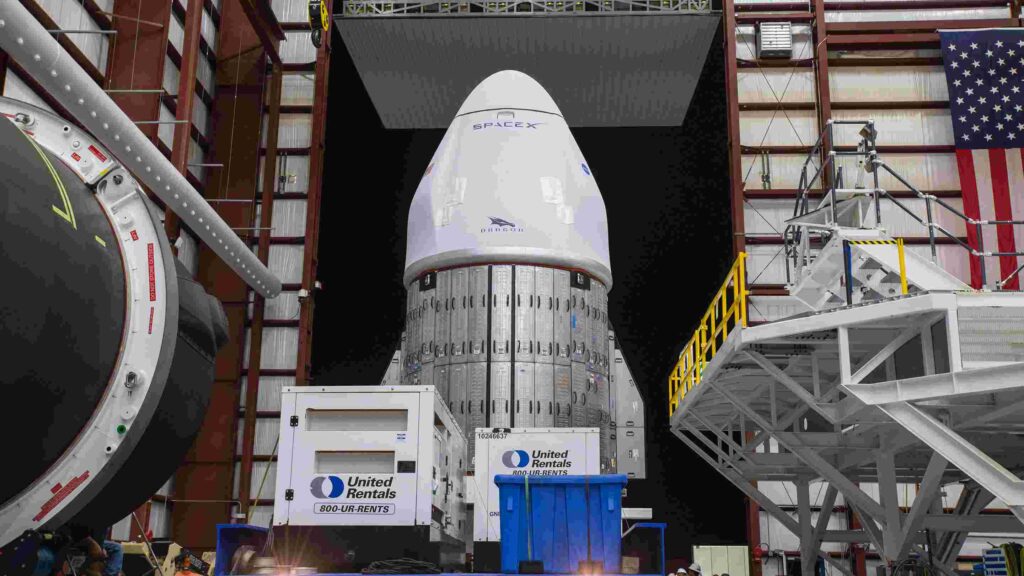
Two Possible Scenarios NASA Is Evaluating
NASA is currently weighing two primary operational paths.
Scenario 1: Crew-11 Returns Before Crew-12 Arrives (Most Likely)
If the medical issue becomes more urgent, Crew-11 would depart before Crew-12 launches.
Why this works:
- The ISS currently hosts three Soyuz MS-28 crew members, including NASA astronaut Christopher Williams
- This ensures continuous U.S. presence in orbit
- Remaining crew are fully trained to handle increased workloads
NASA has expressed high confidence in this option, and it appears to be the leading scenario.
Scenario 2: Accelerated Crew Handover
If the medical issue remains stable:
- Crew-12 could launch earlier than planned
- A compressed handover period would occur
- This would reduce strain on the Soyuz crew
However, this option requires:
- Accelerated training
- Rapid spacecraft and launch readiness
- Tight coordination across NASA, SpaceX, and international partners
While feasible, it is far more complex.
Meet Crew-12: NASA’s Next ISS Team
Crew-12 is currently scheduled for mid-February, though that date may move earlier.
Crew-12 Astronauts:
- Jack Hathaway (NASA)
- Jessica Meir (NASA)
- Sophie Adnot (ESA)
- Andrey Fatyov (Roscosmos)
Training was already well underway, meaning NASA is not starting from scratch, only accelerating the process.
SpaceX Dragon: NASA’s Most Trusted Lifeline
Once again, SpaceX’s Crew Dragon is playing a critical role.
Dragon Endeavor’s Reliability
- Sixth mission completed
- Surpassed original design expectations
- Maintains a perfect crewed flight record
NASA’s confidence in Dragon stands in sharp contrast to the challenges faced by competing programs.
Available Dragon Capsules
SpaceX currently has four additional Crew Dragon capsules ready on Earth:
- Freedom – Returned from Crew-9 (March 2025)
- Endurance – Returned from Crew-10 (August 2025)
- Resilience – Returned from Fram-2 (April 2025)
- Grace – Returned from Axiom-4 (July 2025)
Based on turnaround timelines, Freedom or Resilience are the most likely candidates for Crew-12.
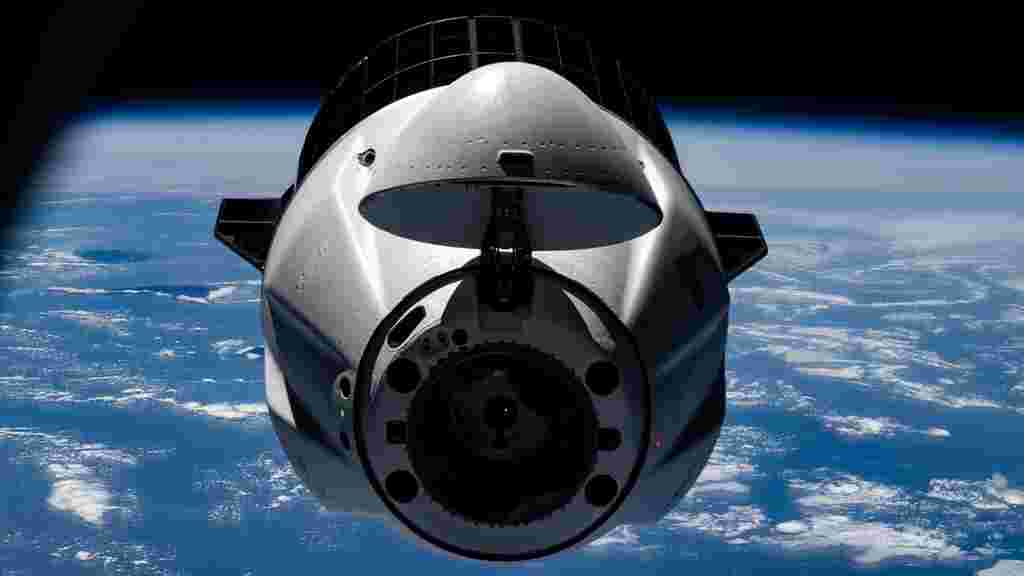
Why Dragon Outshines Starliner and Others
Dragon’s steady performance has quietly made it the most dependable human-rated spacecraft in service today.
Comparisons with Other Programs
- Starliner: Ongoing technical challenges, crewed mission delays
- Dream Chaser: Development setbacks and uncertainty
- Cygnus & Signet: Cargo-only limitations
In contrast:
- Dragon maintains 100% mission success
- Continues receiving new NASA contracts
- Has already rescued astronauts affected by Starliner’s failures
If a dedicated space rescue capability were ever created, Dragon would be the obvious foundation.
SpaceX’s Role Since 2020
Since the historic Doug Hurley and Bob Behnken mission in 2020, SpaceX has:
- Restored independent U.S. human spaceflight
- Eliminated reliance on Russia for crew access
- Delivered consistent ISS support across crew and cargo missions
As geopolitical tensions rise, NASA is now planning to accelerate resupply missions, further cementing SpaceX’s central role.
United Launch Alliance and the Vulcan Rocket: A Pivotal Moment
While SpaceX dominates headlines, ULA faces a defining test.
Vulcan Centaur USSF-87 Mission
ULA announced that Vulcan Centaur will launch the USSF-87 mission on February 2 from SLC-41 at Cape Canaveral.
Mission Highlights:
- Deploys GSSAP-7 and GSSAP-8 satellites
- Supports geosynchronous space situational awareness
- Uses VC4S configuration with four solid rocket boosters
- Marks Vulcan’s fourth launch overall
Challenges Facing ULA
This launch comes amid significant headwinds:
- Only three Vulcan launches so far
- Five-month gap since last flight (August 2024)
- Loss of NSSL Phase 3 missions
- Retirement of Delta IV Heavy
- Atlas V nearing end of service
- CEO Tory Bruno’s departure
Without backup rockets, Vulcan must succeed. A failure would deepen doubts about ULA’s future competitiveness against SpaceX.
China’s Chang’e 7: Racing Ahead on the Moon
China is also pushing forward with its Chang’e 7 lunar mission, scheduled for later this year.
Mission Objectives
Chang’e 7 will:
- Conduct detailed reconnaissance of the Moon’s south pole
- Deploy:
- An orbiter
- A lander
- A rover
- A lunar hopper designed to search for water
The lander is expected to touch down near Shackleton Crater, one of the Moon’s most scientifically valuable regions.
Why Chang’e 7 Matters So Much
According to planetary scientist Norbert Schörghofer, Chang’e 7 could become:
“The first mission to definitively detect water ice at the lunar south pole.”
If successful:
- China could be years ahead of competitors
- It would strongly support the International Lunar Research Station
- It raises strategic concerns for the United States and its allies
This mission serves as a clear warning that lunar leadership is far from guaranteed.
The Bigger Picture: A New Space Race Reality
Across NASA, SpaceX, ULA, and China, one truth is clear:
Spaceflight is no longer routine—it is strategic, competitive, and unforgiving.
- NASA depends on SpaceX’s operational stability
- ULA faces a make-or-break year
- China is advancing aggressively toward lunar dominance
Final Thoughts: Safety First, Eyes Forward
NASA, SpaceX, and international partners are expected to finalize decisions on Crew-11’s return and Crew-12’s launch in the coming days. Thanks to Dragon’s unmatched reliability, confidence remains high that all astronauts will return safe and healthy.
As we watch these developments unfold, one thing remains certain:
Curiosity, imagination, and inspiration will always follow those who keep looking up.
FAQs
1. Why is NASA calling this the biggest medical issue on the ISS in over 25 years?
NASA considers this the most serious medical situation since continuous ISS operations began because the condition cannot be fully diagnosed or treated in orbit, potentially requiring an early crew return to Earth, which directly affects mission timelines and station operations.
2. Is the astronaut experiencing a life-threatening emergency?
No. NASA has clearly stated that this is not an emergency deorbit situation. The astronaut is stable, but the medical issue requires Earth-based diagnostic and treatment capabilities.
3. Which crew is affected by the medical issue?
The issue involves Crew-11, a NASA-led crew currently aboard the ISS. The identity of the affected astronaut has not been publicly disclosed for privacy reasons.
4. When did Crew-11 arrive at the ISS?
Crew-11 arrived at the International Space Station on August 1, with an originally planned six-month mission duration.
5. Why is Crew-11 returning earlier than planned?
NASA leadership determined that astronaut health and safety must take priority, and the medical condition cannot be properly addressed aboard the ISS.
6. Which spacecraft will bring Crew-11 back to Earth?
Crew-11 will return aboard SpaceX’s Dragon Endeavor, one of the most reliable crewed spacecraft currently in service.
7. How many times has Dragon Endeavor flown?
This mission will mark Dragon Endeavor’s sixth flight, exceeding its original design expectation of five missions.
8. Is SpaceX the only option for NASA right now?
For U.S. crewed spaceflight, SpaceX Dragon is currently NASA’s most dependable and readily available option, especially given challenges faced by other programs like Starliner.
9. What happens to the ISS if Crew-11 leaves early?
The ISS will continue operating with Soyuz MS-28 crew members, including a NASA astronaut, ensuring continuous U.S. presence in orbit.
10. When will Crew-12 launch?
Crew-12 is currently scheduled to launch as early as mid-February, though NASA is evaluating earlier launch opportunities.
11. Who are the members of Crew-12?
Crew-12 includes:
- Jack Hathaway (NASA)
- Jessica Meir (NASA)
- Sophie Adnot (ESA)
- Andrey Fatyov (Roscosmos)
12. Which Dragon capsule will be used for Crew-12?
SpaceX has not officially assigned a capsule yet, but Freedom or Resilience are considered the most likely candidates based on turnaround readiness.
13. How does this situation highlight SpaceX Dragon’s importance?
Dragon provides operational stability, emergency flexibility, and a proven safety record, making it NASA’s primary safety net during unexpected ISS events.
14. What is the Vulcan rocket, and why is its next launch important?
Vulcan Centaur is ULA’s new heavy-lift rocket. Its upcoming USSF-87 mission is critical for proving operational reliability and launch cadence after years of delays.
15. What is China’s Chang’e 7 mission, and why does it matter?
Chang’e 7 is a lunar mission targeting the Moon’s south pole. It may become the first mission to definitively confirm water ice, giving China a major advantage in lunar exploration.
16. What does all of this mean for the future of space exploration?
These events show that spaceflight is entering a highly competitive and strategic era, where reliability, speed, and preparedness—especially from providers like SpaceX—are more important than ever.
Read More:
- Tesla analyst teases self-driving dominance in new note: ‘It’s not even close’
- Tesla Cybercab ‘breakdown’ image likely is not what it seems
- Elon Musk Announces 2026 Tesla Motorhome For Under $9,999
- Tesla is coming to Estonia and Latvia in latest European expansion: report
- Tesla seeks engineer to make its iOS Robotaxi app feel “magical”
1 thought on “NASA Faced Biggest Medical Issue on the ISS after over 25 Years! SpaceX Dragon Ready to Help”