
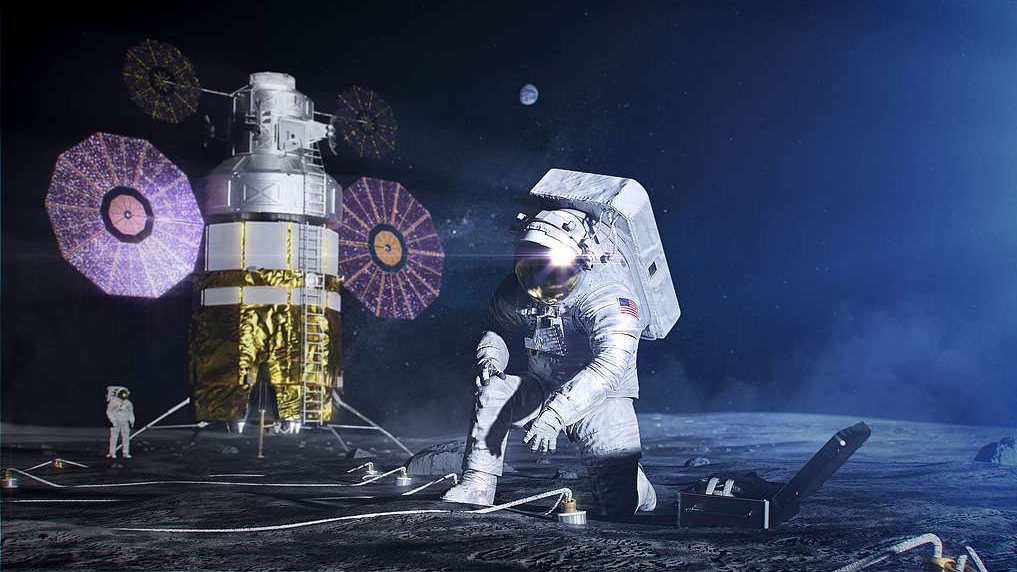
The Artemis program was supposed to be the next big leap for NASA — returning humans to the Moon after more than 50 years. But after three years, the same problem keeps resurfacing: liquid hydrogen leaks during fueling.
The question isn’t just “Why is this happening?” but rather:
Why hasn’t NASA solved this already?
In this blog post, we’ll break down the root causes, explain why hydrogen is so hard to manage, and reveal how SpaceX is avoiding the same issues with a different fueling strategy.
Why Does the SLS Still Leak Hydrogen?
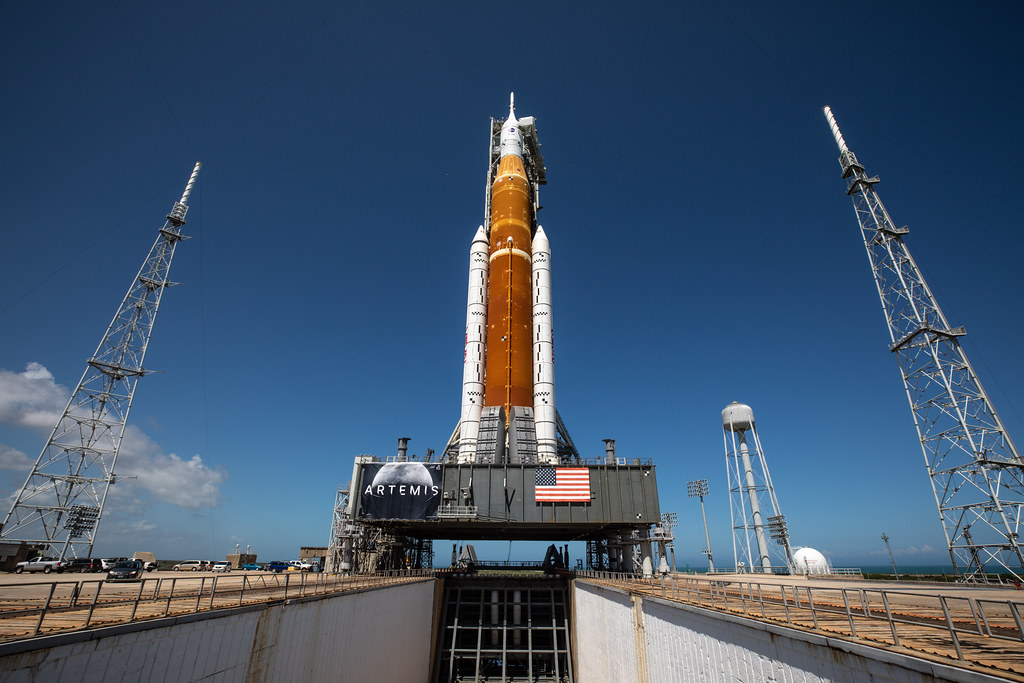
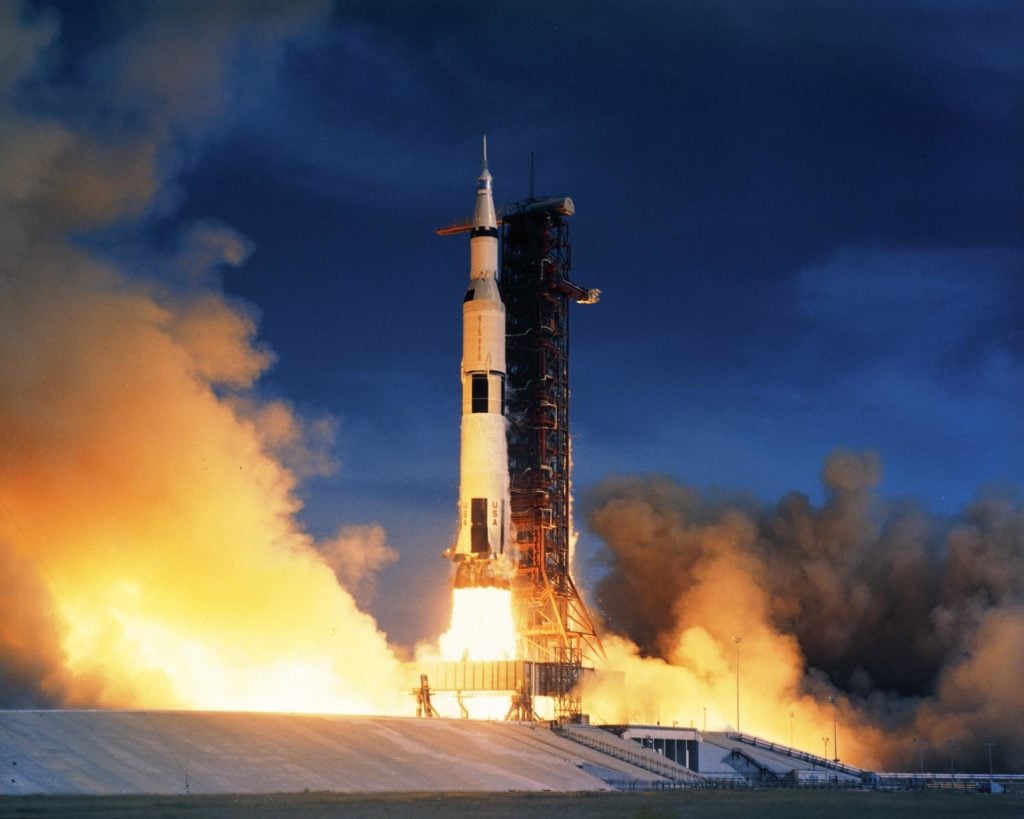
During NASA’s latest wet dress rehearsal (a full launch simulation including fueling), the Space Launch System (SLS) experienced a liquid hydrogen leak — once again.
These leaks were first seen during Artemis 1, and were thought to be a known risk. But now, after years of experience and data, the problem is still unresolved.
What Happened During the Wet Dress Rehearsal?
NASA successfully loaded cryogenic propellant into the rocket, but the process was disrupted when:
- A liquid hydrogen leak occurred at the fueling interface
- Engineers had to stop fueling
- The interface was warmed so seals could re-seat
- Fuel flow rates were adjusted
- The rocket was eventually filled
But later, the leak spiked again, triggering an automatic shutdown.
The leak was traced to the Tail Service Mast Umbilical Quick Disconnect — a key fueling interface at the base of the SLS.
This caused NASA to lose the February launch window, pushing the mission into March.
Why Is Hydrogen So Hard to Contain?
Hydrogen is the smallest and lightest molecule in the universe. That makes it extremely difficult to hold in tanks and pipes — even microscopic gaps can allow hydrogen to escape.
Key Reasons Hydrogen Leaks Are Nearly Impossible to Eliminate
1. Hydrogen Molecules Are Tiny
Hydrogen molecules can slip through microscopic gaps that other fuels cannot.
2. Materials Are Not Perfect
Even “solid” tanks are made of atoms with tiny gaps. Hydrogen can escape through these spaces.
3. Extreme Cold Temperatures
Liquid hydrogen must be cooled to -253°C. This causes:
- Thermal contraction
- Stress on tank walls and seals
- Increased brittleness and potential cracks
4. Rapid Boil-Off
Hydrogen vaporizes easily, causing pressure buildup. This requires complex systems like:
- Insulation
- Pressure relief valves
- Management systems
These systems add mass, complexity, and cost, and still don’t guarantee leak-free performance.
So Why Does NASA Keep Using Hydrogen?
Despite its challenges, hydrogen remains the top choice because of two major factors:
1. Performance
Hydrogen offers the highest specific impulse of any chemical rocket fuel:
- Hydrogen: 450–460 seconds (vacuum)
- Methane: ~360 seconds
- RP-1 (kerosene): 300–360 seconds
This means rockets can go farther or carry heavier payloads with less fuel.
2. Legacy and Infrastructure
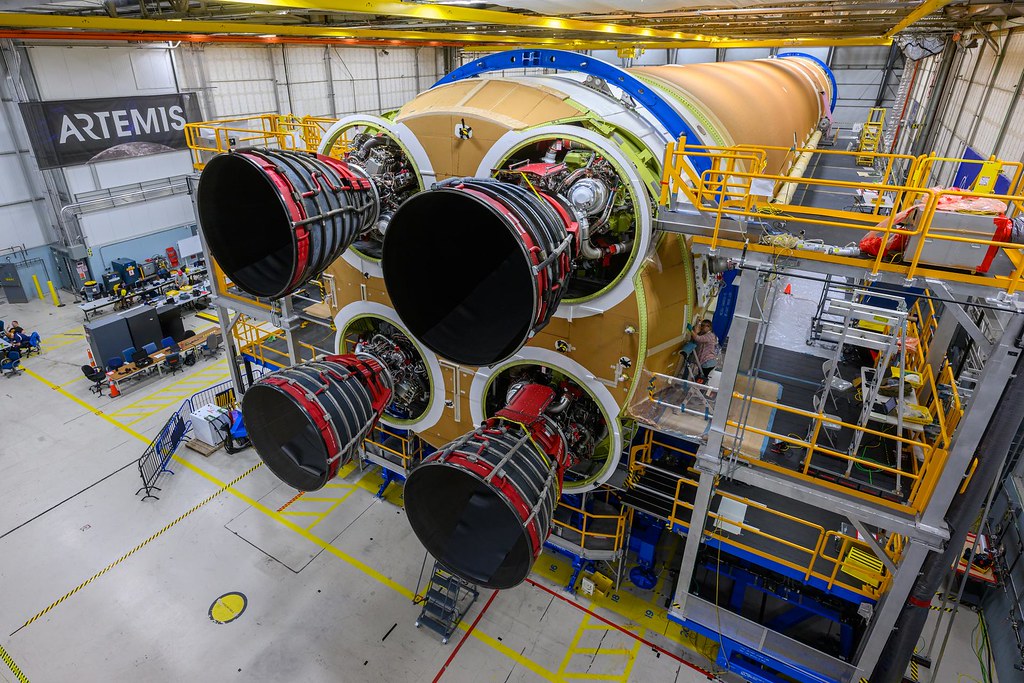
NASA’s RS-25 engines are derived from the Space Shuttle program.
When Congress required NASA to use existing hardware, infrastructure, and workforce, the SLS became a continuation of the shuttle’s design philosophy.
This legacy choice has helped NASA save development time, but it also comes with long-term consequences.
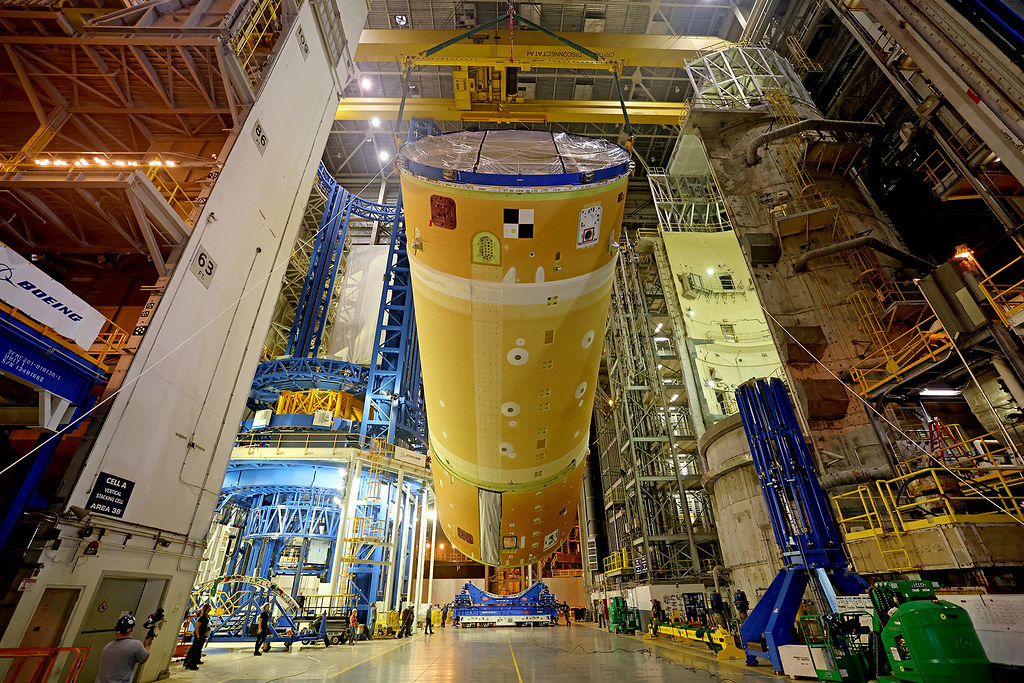
Is SLS Sustainable Long-Term?
Even NASA officials admit the SLS may not be a long-term solution.
NASA Administrator Jared Isaacman (yes, the one involved in commercial space initiatives) has acknowledged that SLS is rooted in older design philosophies and may only be practical up to Artemis 5.
So the big question remains:
Should NASA keep upgrading the SLS, or replace it entirely?
SpaceX’s Different Approach: Why Methane Avoids Hydrogen’s Problems
SpaceX chose a different path. Instead of hydrogen, Starship uses liquid methane and liquid oxygen.
This choice is not accidental — it’s strategic.
Why Methane Is a Better Fuel for Long-Term Spaceflight
1. Much Less Leakage
Methane molecules are larger and heavier than hydrogen, making them far less likely to leak through tiny gaps.
Most Starship leaks are structural or manufacturing-related, not fuel-related.
2. Cheaper and Easier to Handle
Methane is far more cost-effective than hydrogen and simpler to manage.
SpaceX even captures methane vapor during testing, recondenses it, and reuses it.
3. Better Storage
Liquid methane stays liquid at -162°C, which is far easier to manage than hydrogen’s -253°C.
It also boils off more slowly, making long-term storage easier.
4. Fits Reusable Rockets
Methane is ideal for reuse and repeated launches — a core part of SpaceX’s strategy.
The Mars Advantage: Methane Is the Future
SpaceX’s long-term goal is Mars colonization, and methane is the perfect fuel for that mission.
Mars has:
- Abundant carbon dioxide
- Water ice below the surface
These resources can be used to produce methane and oxygen — meaning fuel can be made on Mars.
That’s a huge advantage over hydrogen, which cannot be easily manufactured on Mars.
The Big Picture: NASA vs SpaceX
NASA’s SLS is powerful and fast for lunar missions — but it’s a legacy system with known flaws.
SpaceX’s Starship is built for long-term sustainability and reuse, using a fuel that is:
- Easier to manage
- Cheaper
- Less prone to leaks
- Better for long-term missions
What’s Next for NASA?
NASA now faces two urgent problems:
1. The Hydrogen Leak
NASA must reduce or eliminate the leak before launch.
No rollback to the assembly building has been announced, indicating NASA plans to troubleshoot at the launchpad.
2. Orion Hatch Pressure Loss
The hatch assist system experienced sudden pressure loss — a serious crew safety concern.
NASA must resolve this issue fully before committing to launch.
Final Thoughts
Hydrogen leaks are not just a technical problem — they’re a symbol of legacy design limitations.
NASA’s SLS may have been the fastest way to return humans to the Moon, but the recurring hydrogen issue raises serious questions about its future.
Meanwhile, SpaceX’s choice of methane shows a long-term vision that aligns with:
- Reusability
- Reliability
- Cost efficiency
- Mars colonization
If NASA continues relying on the SLS, hydrogen leaks may continue to delay missions.
If NASA shifts to newer technology or partners more with commercial companies, the future of lunar exploration may become more sustainable — and far more exciting.
FAQs
1. Why does the SLS still leak hydrogen after 3 years?
The SLS uses liquid hydrogen, which is extremely difficult to contain due to its tiny molecular size, extreme cold temperatures, and high energy properties. Even with years of data and improvements, leaks remain a persistent challenge.
2. What caused the latest hydrogen leak during the Artemis 2 wet dress rehearsal?
The leak was traced to the Tail Service Mast Umbilical Quick Disconnect at the base of the SLS. It occurred during fueling and caused the countdown to stop at T-minus 5 minutes.
3. Why can’t NASA fully eliminate hydrogen leaks?
Hydrogen molecules are so small that they can escape through microscopic gaps in tanks and seals. This makes complete containment nearly impossible, meaning engineers can only reduce leakage, not eliminate it entirely.
4. How cold is liquid hydrogen?
Liquid hydrogen must be cooled to approximately -253°C to remain liquid. This extreme cold creates thermal stress on tank materials, causing contraction and potential cracking.
5. Why is hydrogen still used if it’s so difficult?
Hydrogen offers the highest specific impulse (efficiency) of any chemical rocket fuel, allowing rockets to travel farther with less fuel. It also produces mainly water vapor, making it cleaner than kerosene.
6. What is specific impulse and why does it matter?
Specific impulse measures fuel efficiency in rockets. Higher specific impulse means more thrust per unit of fuel, which allows for longer missions or heavier payloads.
7. What is NASA’s main reason for using hydrogen on SLS?
The RS-25 engines are derived from the Space Shuttle program. Congress required NASA to use existing hardware and infrastructure, leading to the continued use of hydrogen.
8. Is the SLS a long-term solution for lunar missions?
Many experts believe SLS is only practical for a limited number of missions (possibly up to Artemis 5) due to cost, complexity, and recurring technical issues like hydrogen leaks.
9. How does SpaceX avoid hydrogen leak issues?
SpaceX uses liquid methane, which is less prone to leakage due to larger molecular size and easier handling. Methane also requires less insulation and storage complexity.
10. Why did SpaceX choose methane for Starship?
Methane is cheaper, easier to store, less prone to leaks, and aligns with SpaceX’s long-term goals for Mars, where methane can be produced using local resources.
11. Can methane be produced on Mars?
Yes. Mars has abundant carbon dioxide and water ice, which can be used to produce methane and oxygen through chemical processes like the Sabatier reaction.
12. What makes methane better for reusable rockets?
Methane is cleaner-burning, less corrosive, and easier to store long-term. It also supports reusable engine cycles, making it ideal for SpaceX’s mission strategy.
13. What is the major difference between hydrogen and methane storage?
Hydrogen must be cooled to -253°C, while methane remains liquid at -162°C, making methane storage easier and reducing boil-off issues.
14. What happened to the Orion spacecraft during the rehearsal?
The Orion hatch assist system experienced a sudden loss of pressure, raising concerns about potential hatch failure during operations or emergencies.
15. What are NASA’s next steps after the leak?
NASA is expected to continue troubleshooting at the launchpad and conduct additional testing before attempting launch windows in early March.
16. Why is the Artemis mission timeline still uncertain?
Recurring technical issues like hydrogen leaks and Orion hatch problems, along with the complex nature of the mission, make launch dates vulnerable to delays.
Read More:
- SpaceX strengthens manufacturing base with Hexagon Purus aerospace deal
- Tesla tops France reliability rankings, beating Toyota for the first time
- Elon Musk confirms Tesla Semi will enter high-volume production this year
- Elon Musk pivots SpaceX plans to Moon base before Mars
- Ferrari Luce EV: Italian supercar maker reveals interior and interface design