

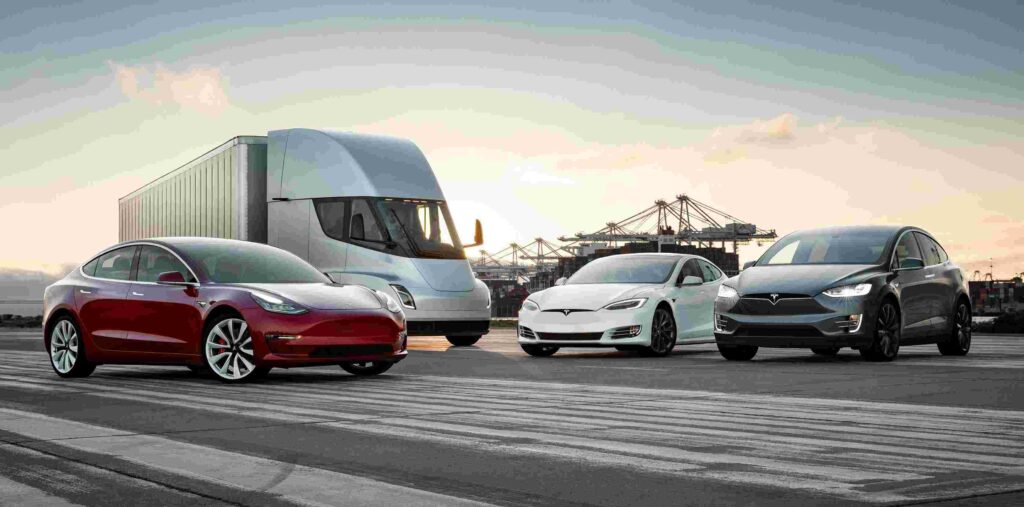
The electric trucking world may look back on today as a historic turning point. For the very first time, an upgraded Tesla Semi has been spotted openly in the real world—not hidden behind press renders, factory walls, or controlled unveilings. This mysterious new version, referred to by the online community as Tesla Semi Atlas, appeared fully exposed, undeniably real, and clearly different from the original model.
With at least 12 visible design changes, strong hints of internal technological upgrades, and growing confidence that Tesla is preparing for true mass production, the Tesla Semi Atlas could redefine the future of freight transport. Many observers now believe this version could even hit a price point below $200,000, dramatically accelerating adoption across the logistics industry.
Welcome to Elonbuzz.com, where we break down everything we know so far about the Tesla Semi Atlas—its design changes, technology upgrades, production plans, and why it may soon become the most important commercial vehicle on Earth.
Tesla Semi Atlas: A Real-World Sighting That Changes Everything
Unlike previous prototypes, the Tesla Semi Atlas was not teased through official images. Instead, it was captured on video, spreading across the internet at lightning speed. This authenticity has fueled excitement, as enthusiasts and industry experts alike agree: this is not a minor refresh—it’s a serious evolution.
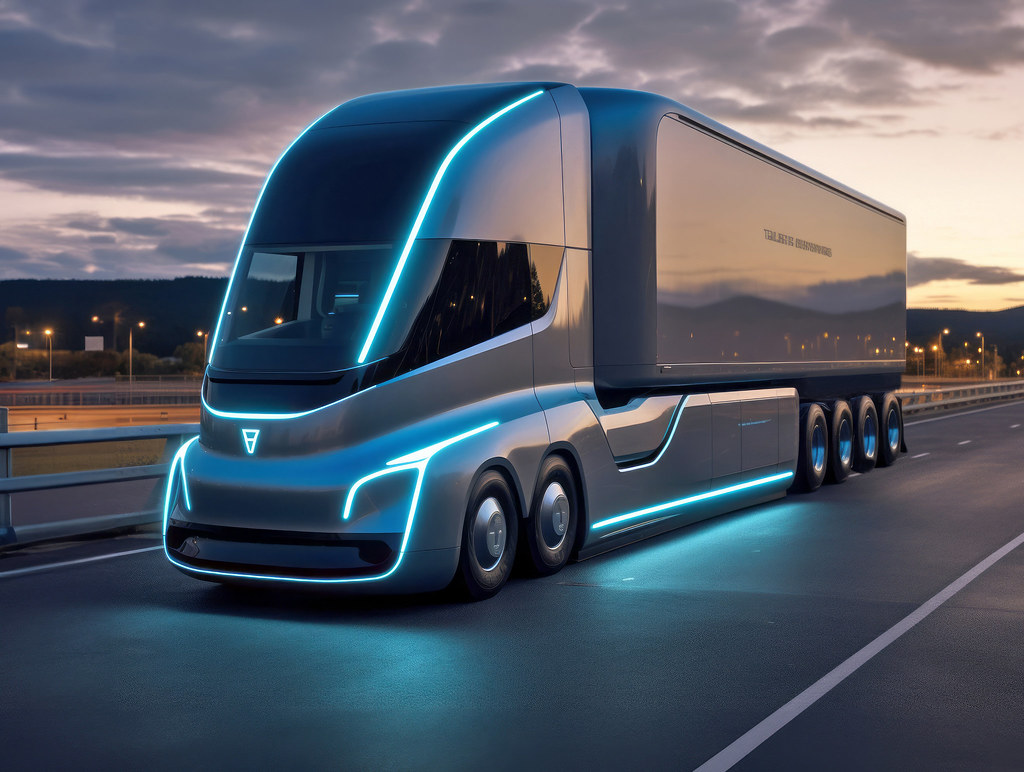
Many viewers describe the refreshed Semi as a powerful beast that is also strikingly beautiful. While respecting the original Tesla Semi, observers praise Tesla’s commitment to real-world testing, learning from early deployments, and refining the truck into a more capable and manufacturable machine.
Why the Name “Atlas” Matters
The name Project Atlas has not been officially confirmed by Tesla, but multiple clues suggest it is more than speculation. Components discovered at Giga Texas were reportedly labeled with the Atlas designation, echoing how “Juniper” once served as the internal code name for the refreshed Model Y.
If true, Atlas is a fitting name—a symbol of strength, endurance, and carrying the weight of global transportation on its shoulders.
12 Major Design Changes Spotted on the Tesla Semi Atlas
1. New Front Light Bar
The most obvious change is the front light bar, a clear visual indicator that this is a refreshed model. It modernizes the Semi’s face while improving visibility.
2. Shorter Side Windows
The side windows now end earlier toward the rear, giving the cab a more compact and refined profile.
3. Transparent Roof Section
A new transparent section on the roof and upper aerodynamic fairing is believed to house an additional camera, potentially allowing the truck to see over taller vehicles.
4. Enhanced Camera-Based Vision
This roof-mounted camera could complement Tesla’s camera-based mirror replacement system, further improving situational awareness.
5. Improved Cab Entry Steps
The steps now feature ribbed metal diamond plate surfaces, improving grip, durability, and driver safety.
6. Bare Cab Prototype Configuration
One Atlas Semi was spotted without aerodynamic fairings, revealing the raw structure beneath—likely an intermediate testing phase.
7. Slightly Smaller Dimensions
While unofficial, the Atlas appears slightly shorter and possibly lower than the original Semi.
8. Reduced Chassis Weight
Even a 1-foot (30 cm) reduction in chassis length could significantly reduce the weight of the heavy C-channel steel frame.
9. Higher Payload or Longer Range
This weight savings could enable either greater driving range or a higher GVWR, allowing more cargo capacity.
10. New Clearance Lights
A newly added clearance light suggests preparation for European regulatory compliance.
11. Global Design Standardization
Tesla may be moving toward a single global Semi design, avoiding costly regional variants.
12. Subtle Aerodynamic Refinements
Even small changes hint at improved airflow and efficiency, reinforcing Tesla’s obsession with aerodynamics.
Transporting the Tesla Semi: Why Dolly Systems Matter
One Atlas Semi was seen surrounded by technicians preparing a dolly towing setup. This allows the Semi to be transported by another vehicle rather than driving under its own power.
Why this matters:
- Prevents unnecessary mileage
- Avoids charging logistics during delivery
- Enables cost-effective long-distance transport
Until the Mega Charger network is fully built out nationwide, Tesla may rely on diesel transport for long distances, while West Coast deliveries could be handled under the Semi’s own power.
Mega Chargers, V4 Chargers, and the Future of Semi Charging
Near the prototype, observers spotted a Tesla charging cabinet capable of supporting up to eight V4 charging stalls. This raises an important question:
👉 Are Mega Chargers and V4 Chargers merging into one system?
Tesla previously revealed a liquid-cooled charging connector capable of delivering up to 1,200 kW, allowing the Semi to charge to 80% in roughly 30 minutes. If V4 chargers can support both passenger vehicles and Semis, Tesla may streamline its entire charging ecosystem.
What You Can’t See: Battery and Powertrain Upgrades
Most of the Tesla Semi Atlas improvements are hidden beneath the body.
Potential 4680 Battery Cells
There is growing speculation that the Atlas Semi may use Tesla’s 4680 battery cells, instead of the older 2170 format.
Why this matters:
- Higher energy density
- Lower cost per kWh
- Lighter overall pack
While 4680 cells are typically associated with structural battery packs, Tesla has a history of breaking its own rules.
Inside Tesla’s Semi Pilot Production Line
At the 550 Milan site near Giga Nevada, Tesla currently operates what appears to be a pilot production facility:
- Highly manual assembly lines
- Overhead cranes as primary equipment
- Limited automation
This confirms Tesla is refining manufacturing processes before ramping to full-scale production.
Comparing Atlas vs First-Generation Tesla Semi
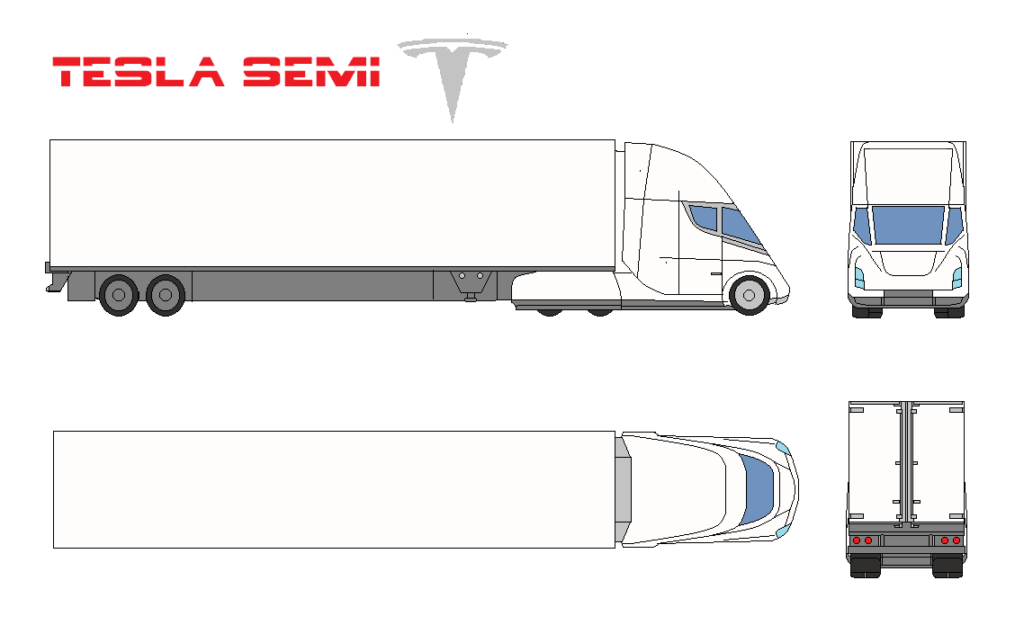
Another Atlas Semi was spotted fully fitted with aerodynamic fairings, allowing side-by-side comparison with first-gen units. While similar in length, the Atlas may be slightly shorter, reinforcing the weight-saving theory.
Even modest reductions can translate into huge efficiency gains in heavy-duty trucking.
Tesla’s Bold Production Goal: 50,000 Semis Per Year
Tesla has announced a target of 50,000 Tesla Semis annually by 2026, or roughly 150 trucks per day.
This may sound unrealistic—until you consider:
- Tesla builds a Model Y every 40 seconds at Giga Shanghai
- The new Semi factory spans 4 million square feet
- A $3.6 billion investment backs the project
At full capacity, Tesla could build one Semi every 5–10 minutes.
Real-World Performance: The Data Speaks Loudly
So far, Tesla has produced around 200 Semis, with more than half delivered to customers like PepsiCo.
Fleet Performance Highlights
- 4.6 million miles driven by September
- One truck exceeded 250,000 miles in just 18 months
- 95% uptime, including maintenance
Unmatched Power
- 0–60 mph in 20 seconds fully loaded
- Maintains 60 mph on a 10% grade
- Three independent electric motors
Range, Charging, and Record-Breaking Feats
- Up to 500 miles per charge
- 1,076 miles in a single day with just three charging stops
- Fleets exceeding 1,000 miles per day
This proves the Tesla Semi can be a true 1:1 replacement for diesel trucks.
Efficiency That Defies Expectations
- ~1.73 kWh per mile fully loaded
- More efficient per mile than a Hummer EV
- Maintenance costs around $0.10 per mile, compared to $0.20 for diesel
Elon Musk calls it a “money-printing machine”—and the numbers back him up.
Challenges Ahead: Charging Infrastructure
The biggest hurdle remains long-haul charging infrastructure. Tesla has faced setbacks after being denied federal funding for Semi charging corridors, slowing nationwide expansion.
However, political shifts and private investment could rapidly change this outlook.
Autonomy and the Future of Trucking
Elon Musk has confirmed the Semi is being tested with Full Self-Driving technology. While fully autonomous trucks are still years away, advanced driver assistance could:
- Reduce fatigue-related accidents
- Improve efficiency
- Increase safety
Why Tesla Semi Atlas Could Change the World
With:
- 500-mile range
- Mass production efficiency
- Lower operating costs
- Zero emissions
The Tesla Semi Atlas represents a fundamental shift in global logistics.
Imagine highways filled with quiet, clean electric trucks, cutting emissions by tens of tons per vehicle every year. That future suddenly feels very close.
Final Thoughts: Is the Tesla Semi Atlas the Future of Freight?
If Tesla executes its plan, 2026 could mark the beginning of mass-produced electric trucking. Prices may fall, adoption will accelerate, and diesel could finally face its greatest challenge yet.
So what do you think?
- Would you welcome a world of zero-emission trucking?
- Do you believe the Tesla Semi price will drop with mass production?
FAQs
1. What is the Tesla Semi Atlas?
Tesla Semi Atlas is believed to be the internal code name for the upgraded and refreshed version of the Tesla Semi, recently spotted in real-world testing with multiple design and technology improvements.
2. Is “Atlas” an official Tesla name?
No official confirmation has been made by Tesla. However, components labeled “Atlas” found at Giga Texas strongly suggest it is an internal project name, similar to how “Juniper” was used for the refreshed Model Y.
3. What are the biggest design changes in the Tesla Semi Atlas?
Key visible changes include a new front light bar, shorter side windows, transparent roof section with a camera, improved cab entry steps, and new clearance lighting for global compliance.
4. How many design changes does the Tesla Semi Atlas have?
At least 12 distinct design updates have been identified so far, with many more likely hidden within the truck’s internal systems.
5. Is the Tesla Semi Atlas smaller than the original Semi?
It appears slightly shorter and possibly lower, although Tesla has not released official dimensions. Even small reductions could lead to significant weight savings.
6. Why does reducing the Semi’s size matter?
A shorter chassis could reduce frame weight, allowing either more cargo capacity (higher GVWR) or longer driving range, both critical for commercial trucking.
7. What is the purpose of the transparent roof section?
The transparent section likely houses an additional forward-facing camera, helping the truck see over taller vehicles and enhancing Tesla’s camera-based vision system.
8. Does the Tesla Semi Atlas use new battery technology?
There is strong speculation that it may use Tesla’s 4680 battery cells, which offer higher energy density, lower cost, and reduced weight compared to older 2170 cells.
9. What is the range of the Tesla Semi Atlas?
Tesla has previously confirmed a real-world range of up to 500 miles per charge, and there is no indication that Atlas will reduce this capability.
10. How fast can the Tesla Semi charge?
With Tesla’s Mega Charger technology, the Semi can charge at up to 1,200 kW, allowing it to reach around 80% charge in approximately 30 minutes.
11. Will the Tesla Semi Atlas be sold globally?
Yes, Tesla appears to be preparing the Semi for global markets, including Europe and Asia, as indicated by new clearance lighting that aligns with EU regulations.
12. When will the Tesla Semi Atlas go on sale?
Tesla has not announced an official sales date, but mass production is expected to begin in 2026, once the new Semi factory in Nevada becomes fully operational.
13. How many Tesla Semis will Tesla produce per year?
Tesla’s stated goal is 50,000 Semis per year, with initial production likely starting lower and ramping up rapidly.
14. How does the Tesla Semi compare to diesel trucks?
The Tesla Semi offers:
- Lower operating costs
- Zero tailpipe emissions
- Instant torque and faster acceleration
- Up to 95% uptime
All while matching or exceeding diesel trucks in daily driving distance.
15. Will the Tesla Semi support Full Self-Driving?
Tesla has confirmed that the Semi is being tested with Full Self-Driving and advanced driver-assistance features, aiming to improve safety and reduce driver fatigue over long hauls.
Read More:
- Why Starship First Orbital Flight Is even more IMPORTANT than You think
- Tesla analyst claims another vehicle, not Model S and X, should be discontinued
- Rumored SpaceX-xAI merger gets apparent confirmation from Elon Musk
- Tesla Giga Texas to feature massive Optimus V4 production line
- Tesla confirms that it finally solved its 4680 battery’s dry cathode process
- Tesla Cybercab spotted with interesting charging solution, stimulating discussion