
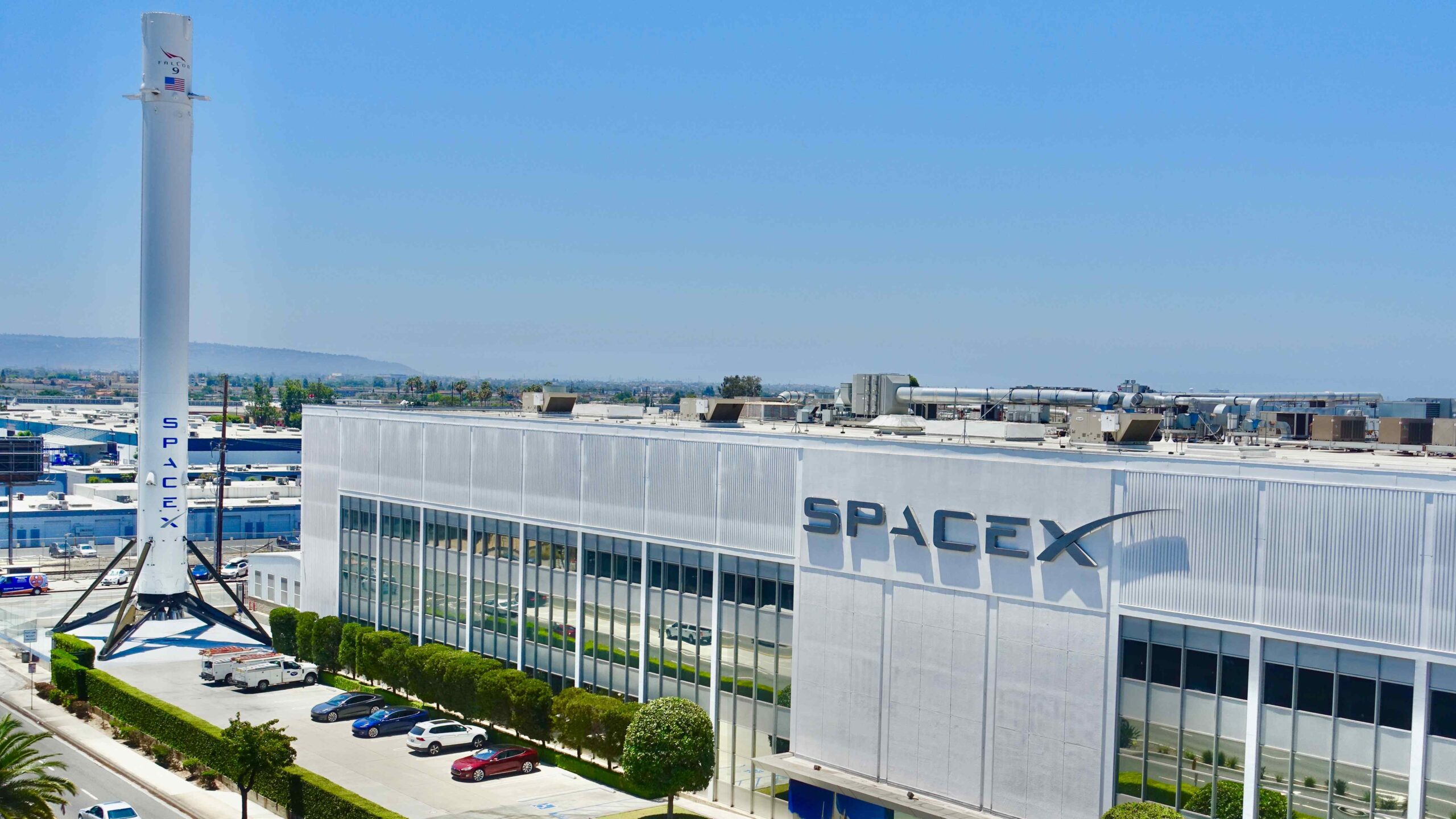
SpaceX may be bringing back one of its boldest ideas yet: landing Starship on massive offshore oil rig platforms. After years of silence and the apparent sale of its original rigs, a mysterious structure resembling an oil platform—reportedly named Demos—has been spotted near the Port of Brownsville close to Starbase.
Could this signal the revival of Elon Musk’s ocean spaceport vision? And more importantly, is offshore landing essential for Starship’s long-term success?
Let’s break down what’s happening, why it matters, and how floating platforms could become a cornerstone of SpaceX’s future.
From Routine Falcon 9 Drone Ship Landings to Starship Ambitions
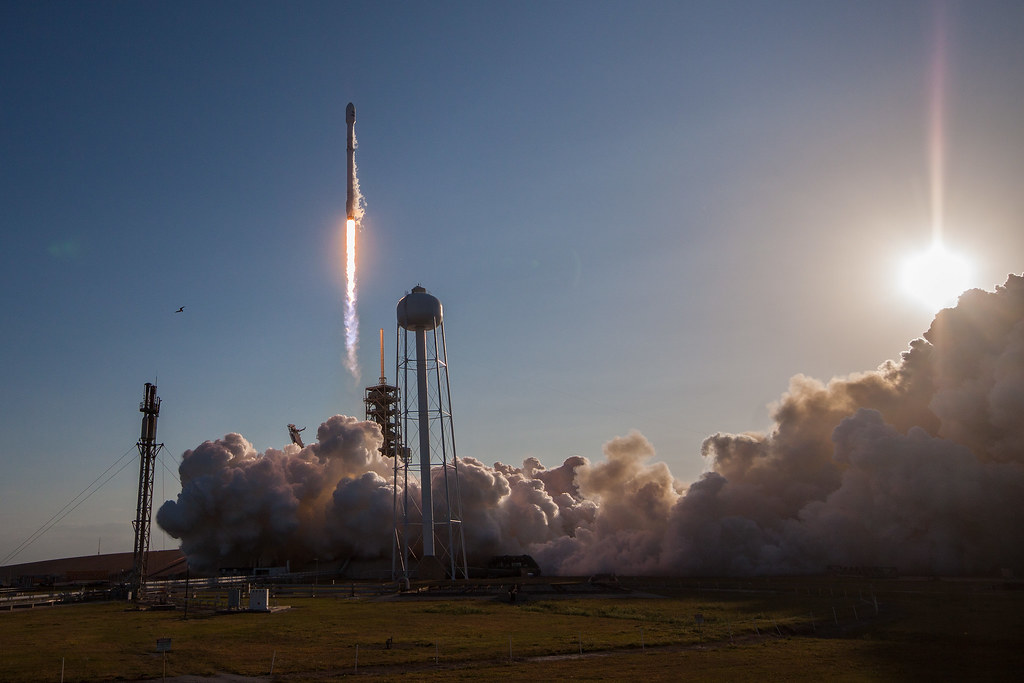
For years, landing rockets on drone ships has been routine for SpaceX. The company’s workhorse, the Falcon 9, regularly touches down on autonomous drone ships stationed in the Atlantic and Pacific Oceans.
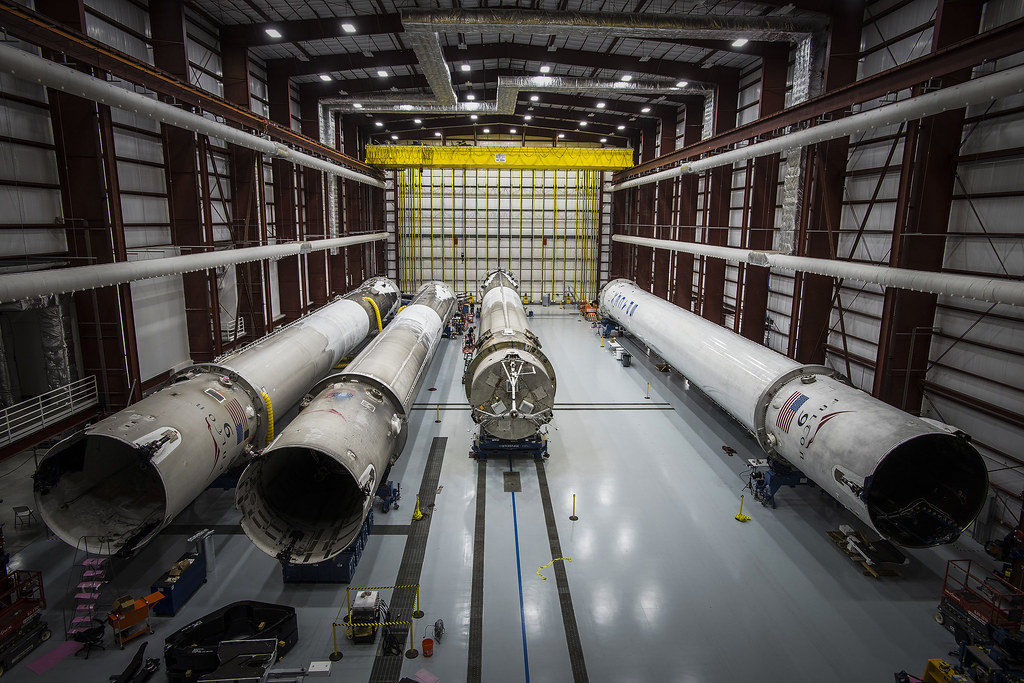
What once seemed impossible is now almost ordinary.
This mastery of ocean landings dramatically reduced launch costs and enabled rapid reuse. Now, SpaceX appears ready to scale that proven model to something far bigger: Starship.
The Mysterious Oil Rig Near Starbase
The recent appearance of a massive offshore structure near the Port of Brownsville has reignited speculation.
Observers noted:
- The structure resembles a semi-submersible oil rig
- A visible nameplate reading “Demos”
- Its proximity to Starbase
For longtime followers of SpaceX, the name immediately stands out.
Back in 2020, SpaceX purchased two offshore oil rigs from Valaris—originally designated 8500 and 8501—and renamed them Phobos and Deimos, after the two moons of Mars.
At the time, the company envisioned converting them into floating spaceports for:
However, in 2023, SpaceX President Gwynne Shotwell confirmed the rigs had been sold. Most assumed the idea was dead.
Now, it may be returning.
Elon Musk’s Original Ocean Spaceport Vision
In 2020, Elon Musk publicly announced plans to build floating superheavy-class spaceports for Mars missions and global hypersonic travel.
This wasn’t speculation—it was a declared strategic direction.
The logic was compelling:
- Offshore sites avoid populated areas
- They reduce regulatory constraints
- They isolate noise and blast effects
- They allow flexible landing trajectories
At the time, the plan appeared aggressive but achievable.
So why did it pause?
Why SpaceX Sold the Oil Rigs (Temporarily)
Around 2022, visible work on the rigs stopped. Soon after, they were sold.
The likely reason? Strategic prioritization.
Starship development hit major technical hurdles:
- Stage separation challenges
- Precision landing requirements
- Heat shield durability
- Rapid reuse systems
SpaceX focused its energy on tower-based catch systems using its massive “Mechazilla” arms at Starbase. These towers allow the Super Heavy booster to be caught mid-air, eliminating landing legs and reducing weight.
Offshore platforms weren’t abandoned due to failure—they were likely deferred.
Now, with Starship V3 progressing, the timing may finally be right.
FAA Documents Confirm Offshore Landing Plans
Environmental reviews by the Federal Aviation Administration mention offshore landing scenarios for Starship and Super Heavy.
Plans for launch complexes at:
explicitly reference potential ocean-based landings.
This confirms the concept never fully disappeared from official planning.
Why Offshore Landings Make Strategic Sense
1. Greater Mission Flexibility
A drone ship can reposition to match the mission profile.
This means:
- Less fuel reserved for return
- Heavier payload capacity
- More efficient orbital insertions
For high-energy missions—especially deep space launches—this flexibility is invaluable.
2. Reduced Congestion at Launch Sites
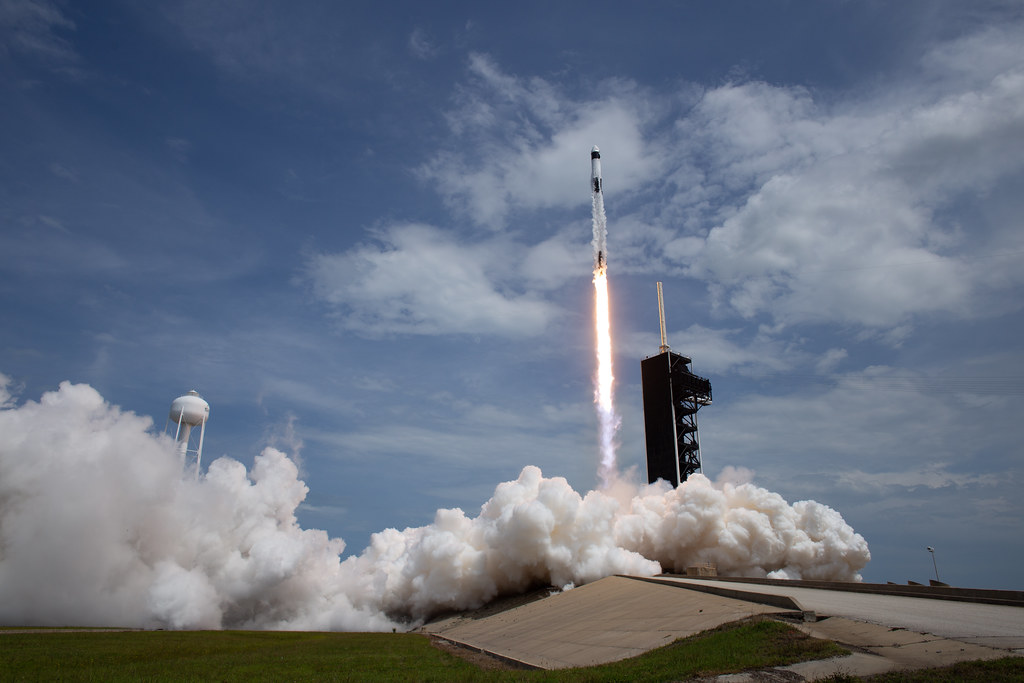
Starbase is currently approved for 25 launches annually.
In Florida, projections show:
- Up to 44 launches per year at LC-39A
- Up to 76 launches per year at SLC-37
Because both Starship stages are intended for recovery, landings would double operational strain.
Offshore recoveries ease that burden.
3. Improved Safety and Environmental Isolation
Landing offshore:
- Minimizes risk to populated areas
- Isolates acoustic and pressure shockwaves
- Reduces debris concerns
- Simplifies regulatory approvals
Ocean recoveries are simply cleaner from a logistics perspective.
How Big Would a Starship Drone Ship Need to Be?
Starship operates on an entirely different scale than Falcon 9.
Mass Comparison
- Super Heavy booster: ~200 tons dry
- Starship upper stage: ~100 tons dry
Landing Thrust
Starship will use three Raptor engines during landing. With Raptor 3 upgrades, landing thrust could approach 840 tons.
For comparison:
- Falcon 9 lands using a single Merlin engine
- Landing thrust: ~86 tons
Starship’s landing force is roughly 10 times greater.
That means any landing platform must:
- Be significantly larger
- Withstand extreme exhaust plumes
- Maintain stability in rough seas
- Handle intense thermal and acoustic loads
Offshore oil rigs are uniquely suited for this.
Why Oil Rigs Are the Perfect Foundation
Oil rigs are engineered for:
- Massive structural loads
- Long-term ocean operation
- Harsh environmental conditions
- Heavy equipment mounting
With modifications, they can serve as:
- Landing pads
- Propellant storage hubs
- Maintenance platforms
- Future launch sites
However, major upgrades would still be required.
Required Modifications
- Enhanced Station-Keeping Systems
To reposition quickly and precisely. - Landing Stabilization & Clamping Mechanisms
Especially for Starship’s legless configuration. - Thermal Protection Reinforcements
To handle plume heating. - Water Deluge Systems
For acoustic suppression and cooling. - High-Capacity Power Infrastructure
To support onboard operations.
Could Offshore Platforms Eventually Launch Starship?
In theory, yes.
But the challenges are enormous.
Starship V3 liftoff thrust is expected to approach 9,240 tons. Supporting that requires:
- Reinforced launch mounts
- Massive propellant storage
- Complex fueling systems
- Deep structural reinforcement
Fueling alone presents a significant obstacle.
For now, landing operations are the more likely first step.
The Bigger Picture: Scaling Toward High Cadence
Elon Musk has discussed ambitions of more than one Starship launch per hour in the future.
No fixed land-based tower network could support that alone.
Floating platforms offer:
- Scalability
- Geographic distribution
- Redundancy
- Global reach (Pacific, Indian Ocean, etc.)
Together, tower catches and drone ship landings form a resilient architecture.
Starship V3: The Critical Turning Point
Before offshore platforms can become operational, Starship must prove its core capabilities.
Upcoming improvements include:
- Hot staging system refinements
- Upgraded Raptor engines
- Redesigned grid fins
- Improved heat shield durability
- Enhanced catch interfaces
These systems must deliver:
- Reliable stage separation
- Controlled atmospheric reentry
- Consistent landing accuracy
- Rapid turnaround
Without precision landing reliability, offshore operations cannot scale.
Why Offshore Platforms May Be Essential—Not Optional
The evidence suggests offshore platforms are not just beneficial—they may be required.
Consider:
- Aggressive launch cadence targets
- Dual-stage recovery needs
- Infrastructure constraints in Florida
- Limited tower capacity
- Future Mars mission preparation
Floating platforms relieve congestion while enabling global operations.
For Mars missions, ocean-based recovery offers flexibility in reentry trajectories and fuel margins.
What Happens Next?
If the oil rig near Brownsville truly belongs to SpaceX, we may soon see:
- Visible retrofitting activity
- Structural modifications
- Deck reinforcement
- Station-keeping upgrades
A basic landing platform could theoretically become operational within months, depending on engineering timelines.
Starship’s Unmatched Flexibility
Few rockets in history were designed with:
- Tower catch compatibility
- Drone ship landing capability
- Ocean-based operations
- Lunar landing variants
- Mars landing variants
Starship’s architecture is modular and adaptable.
That versatility may define its success.
The Road to 2026 and Beyond
By 2026, Starship must:
- Demonstrate full orbital reusability
- Achieve reliable stage recovery
- Enable payload deployment
- Support sustained high-cadence operations
Once these milestones are met, acceleration will likely be rapid.
Offshore platforms could become a global recovery network—ready wherever Starship returns.
Conclusion: A Strategic Revival in Motion
The reappearance of an oil rig named “Demos” near Starbase may not be coincidence.
It may represent the next phase of SpaceX’s long-term strategy.
What once looked like an abandoned experiment could soon become a foundational element of Starship’s operational architecture.
Offshore platforms provide:
- Flexibility
- Safety
- Scalability
- Mission efficiency
- Infrastructure relief
Tower catches and drone ship recoveries are not competing systems—they are complementary.
As SpaceX continues pushing toward Mars, lunar missions, and ultra-high launch cadence, floating spaceports may prove indispensable.
One thing is certain: if offshore landings return, they will not be experimental—they will be integral.
And if history has taught us anything, it’s this:
When SpaceX revisits an idea, it’s usually because the time is finally right.
Curiosity. Imagination. Inspiration. The future of spaceflight may soon be floating at sea.
FAQs
1. Is SpaceX really buying another oil rig for Starship?
While SpaceX has not officially confirmed a new purchase, a structure resembling an offshore oil rig—reportedly named “Demos”—has been spotted near the Port of Brownsville close to Starbase. This has sparked speculation that SpaceX may be reviving its offshore platform strategy.
2. Why does SpaceX want an offshore oil rig?
Offshore oil rigs can be converted into floating landing platforms for Starship and Super Heavy. They provide operational flexibility, reduce congestion at land-based launch sites, and improve safety by keeping high-energy landings away from populated areas.
3. Didn’t SpaceX sell its original oil rigs?
Yes. SpaceX previously purchased two oil rigs in 2020 but later sold them. Gwynne Shotwell confirmed the sale in 2023, leading many to believe the offshore spaceport concept had been paused or abandoned.
4. What were the original oil rigs called?
After purchasing them, Elon Musk renamed the rigs Phobos and Deimos, after the two moons of Mars, symbolizing SpaceX’s long-term interplanetary ambitions.
5. How would a Starship landing platform differ from a Falcon 9 drone ship?
The Starship is far larger and more powerful than the Falcon 9. A Starship platform would need to withstand significantly higher landing thrust, greater mass, and stronger exhaust forces.
6. Why not just land everything at Starbase?
Starbase has limited launch approvals and infrastructure capacity. Offshore landings reduce strain on launch towers and allow more frequent operations.
7. Are offshore landings mentioned in official documents?
Yes. Environmental reviews by the Federal Aviation Administration reference potential offshore landing scenarios for Starship and Super Heavy.
8. Could offshore platforms eventually launch Starship too?
Possibly, but launching would require major upgrades, including reinforced launch mounts, fueling systems, and acoustic suppression infrastructure. Initial offshore operations would likely focus on landings first.
9. How much thrust does Starship generate during landing?
Starship’s landing burn using upgraded Raptor engines could reach approximately 840 tons of thrust—nearly ten times the landing thrust of Falcon 9.
10. Why are oil rigs suitable for rocket landings?
Oil rigs are engineered to handle massive structural loads and harsh ocean conditions. With modifications, they can provide a stable and durable foundation for rocket recovery operations.
11. How would offshore landings increase launch cadence?
By moving recovery operations offshore, SpaceX can reduce congestion at land-based launch sites and support a higher number of total launches per year.
12. Will Starship always use tower catches instead of drone ships?
Not necessarily. Tower catches and offshore drone ship landings are complementary systems. Each offers different advantages depending on mission profile and location.
13. What role does Florida play in these plans?
SpaceX plans to operate Starship from Kennedy Space Center Launch Complex 39A and potentially Cape Canaveral Space Launch Complex 37, where offshore recovery could help manage high launch volumes.
14. When could a Starship offshore landing platform become operational?
If SpaceX has acquired a rig and begins modifications soon, a basic landing platform could potentially become operational within months, depending on engineering progress.
15. Is offshore landing essential for Mars missions?
While not strictly required, offshore platforms provide flexibility in return trajectories and fuel margins, which could be valuable for high-energy missions beyond Earth orbit.
16. What does this mean for the future of Starship?
If revived, offshore platforms could become a critical part of Starship’s long-term strategy—supporting high launch cadence, global recovery operations, and SpaceX’s vision of becoming a multi-planetary species.
Read More:
- Tesla wins FCC approval for wireless Cybercab charging system
- Tesla Giga Berlin plant manager faces defamation probe after IG Metall union complaint
- Elon Musk’s xAI Secures $3B Investment From Saudi AI Firm HUMAIN
- Musk company boycott proposal at City Council meeting gets weird and ironic
- Tesla dominates JD Power EV Satisfaction ranking, grabbing top two spots