
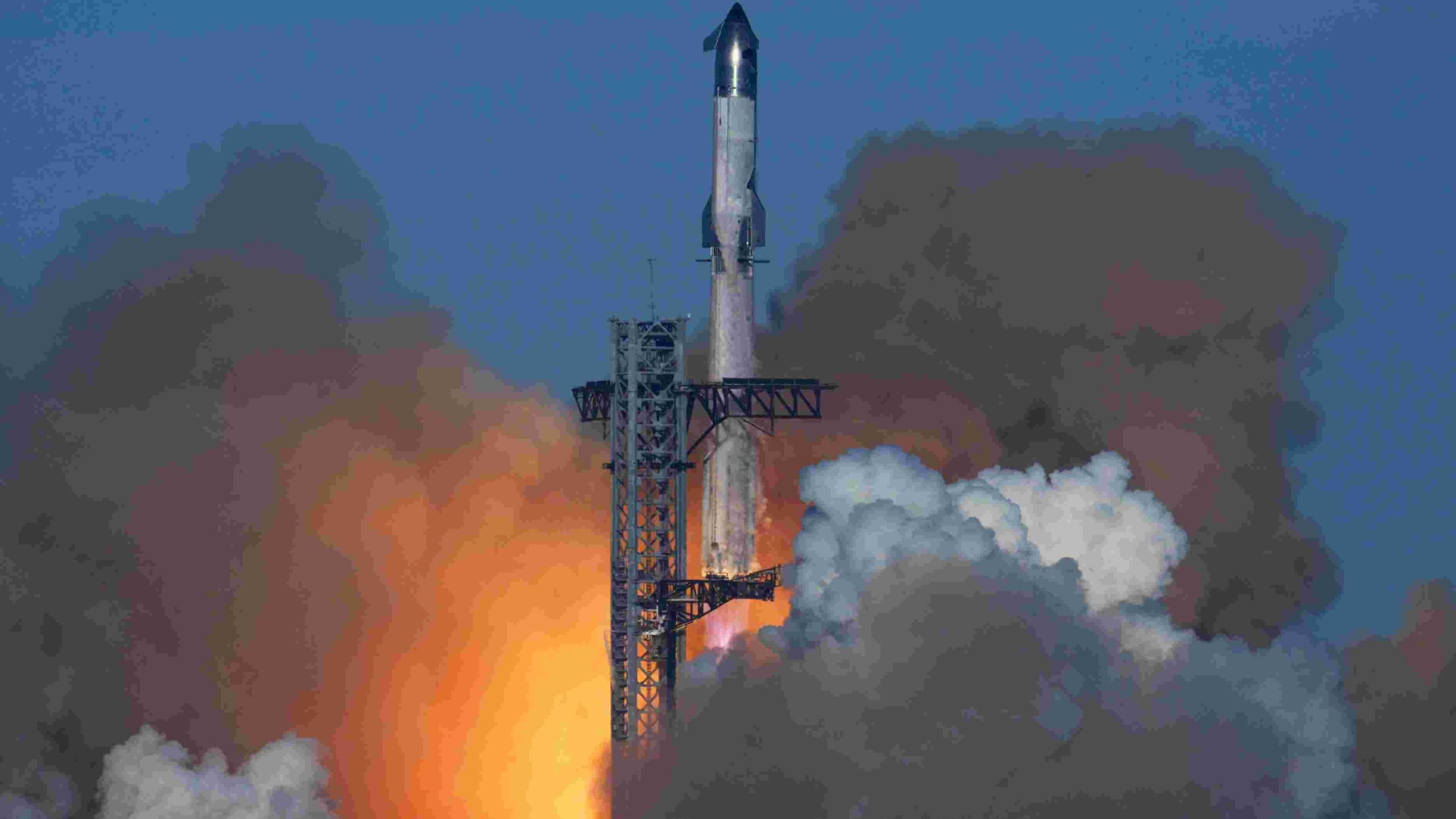
The global space industry is entering another high-energy phase, with SpaceX, Blue Origin, and China’s space program all making meaningful progress within weeks of each other. From Starship Flight 12 preparations, to Blue Moon Mark 1’s major qualification milestone, and China’s Tiangong space station expansion, the momentum across multiple fronts suggests that 2026 is shaping up to be a defining year for space exploration.
In this in-depth, we break down what’s happening, why it matters, and what comes next—all while keeping a close eye on timelines, testing milestones, and strategic implications.
Starship Flight 12: Preparations Enter a Critical Phase
As January draws to a close, expectations around Starship Flight 12 have shifted noticeably. While many observers initially expected a late-January launch, the reality on the ground suggests a February testing and launch window is now far more realistic.
This shift is not a delay born of trouble—it reflects deliberate pacing and methodical preparation.
Why February Now Looks More Likely
Despite early optimism, the Flight 12 hardware has not yet entered its full testing campaign. SpaceX appears committed to avoiding rushed procedures, particularly after lessons learned from previous booster issues.
To meet a February timeline, however, SpaceX must accelerate activity rapidly, and all signs indicate that groundwork for this acceleration is already in place.

Major Test Stand Movements Signal Testing Readiness
Ship Static Fire Test Stand Returns to Action
One of the clearest indicators of progress emerged on January 13, when the ship static fire test stand departed the Massie test site.
This stand had previously suffered damage during the S36 incident, but repairs are now complete. More importantly, visual evidence suggests that Starship V3 upgrades were integrated during refurbishment—hinting that Flight 12 may test next-generation design elements.
Rather than heading directly to Mega Bay 2, the stand was staged at the Sanchez site, likely due to:
- Pending transport route closures
- Remaining work on Ship 39 (S39)
Subtle but Important Movement at Mega Bay 2
On the same day, a ship lifting jig was moved into Mega Bay 2. While easily overlooked, these movements often signal a vehicle transitioning into final preparation phases.
Booster Cryogenic Test Stand Relocation Confirms Momentum
Booster Testing Infrastructure Comes Online
On January 19, SpaceX relocated the booster cryogenic test stand, a structure significantly larger than its ship counterpart.
This size difference is expected. The Super Heavy booster supports:
- A far greater number of engines
- More complex plumbing and structural systems
Unlike static fire stands, this cryostand is not designed to withstand thrust, allowing engineers to incorporate high-resolution instrumentation and finer structural elements.
V3 Compatibility Likely Built In
Just like the ship stand, the booster cryostand appears to have been upgraded for V3 hardware requirements—a strong sign that SpaceX is laying the foundation for long-term iteration, not just Flight 12.
When Will Rollouts Begin?
Although neither Booster 19 (B19) nor Ship 39 (S39) rolled out immediately after these moves, the message is clear:
SpaceX is transitioning from static readiness to active vehicle movement.
Based on current pacing:
- Rollouts are likely late January
- Cryogenic and static fire testing may begin in early February
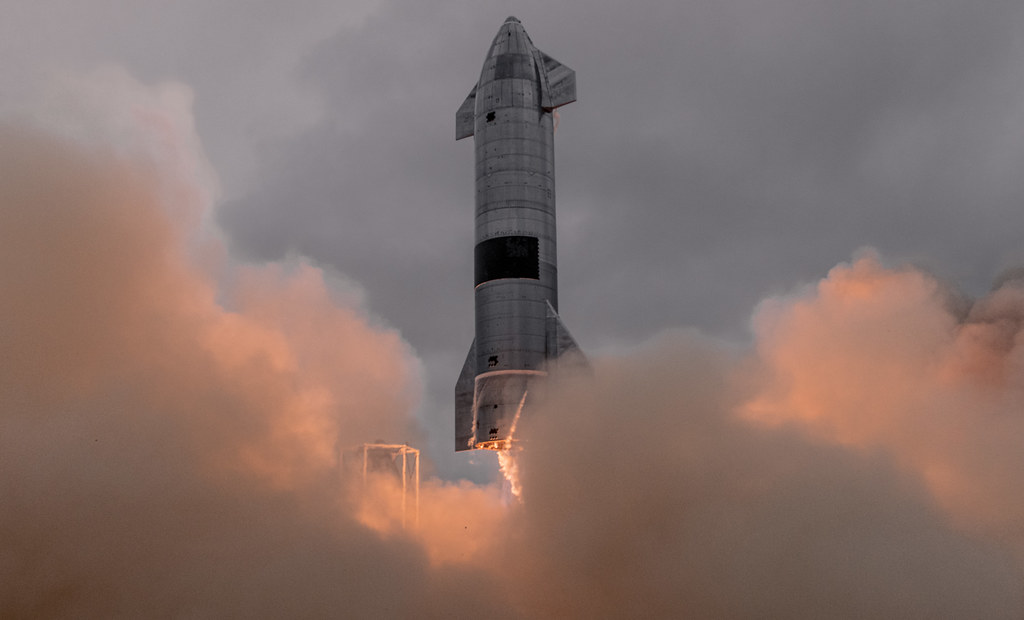
S39 vs B19: Which Will Roll Out First?
To answer this, we need to look at vehicle-specific progress.
Ship 39 Enters a Critical Installation Phase
Aft Flaps Installed Earlier Than Expected
On January 19 and 20, teams installed aft flaps on S39—a notable departure from recent Version 2 workflows.
Previously, SpaceX typically:
- Completed cryogenic testing
- Installed aft flaps and engines afterward
This earlier installation resembles Version 1 sequencing, suggesting a deliberate strategy shift.
Why Install Aft Flaps Before Cryo Testing?
There are two compelling reasons:
1. Schedule Efficiency
With transport closures still pending, SpaceX is using available time to complete installations that would otherwise delay later stages.
2. Technical Validation
Aft flaps remain a challenging component, particularly during atmospheric re-entry, where thermal exposure and geometry create persistent issues.
Installing them early allows engineers to:
- Expose flaps to cryogenic temperatures
- Observe performance under static fire vibration and heat
- Identify vulnerabilities earlier in the test campaign
Heat Shield Inspection Completed on S39
Prior to aft flap installation, S39 underwent extensive heat shield inspections.
- Scaffolding surrounded the vehicle
- Technicians examined thermal protection tiles
- Corrections were completed before scaffolding removal
This removal is a classic indicator that a phase of work has concluded successfully.
During a visit from Department of Transportation officials, S39 was observed:
- Centered in Mega Bay 2
- Surrounded by multiple workstands
This configuration typically indicates near-term readiness for testing.
Booster 19 Still Has Work Ahead
By contrast, B19 shows signs of ongoing underside work, including:
- Plumbing
- Alignment
- Structural inspections
While progress continues steadily, these observations suggest that S39 may be slightly ahead in the preparation sequence.
That said, final rollout order will depend on:
- Test stand availability
- Closure schedules
- Internal SpaceX priorities
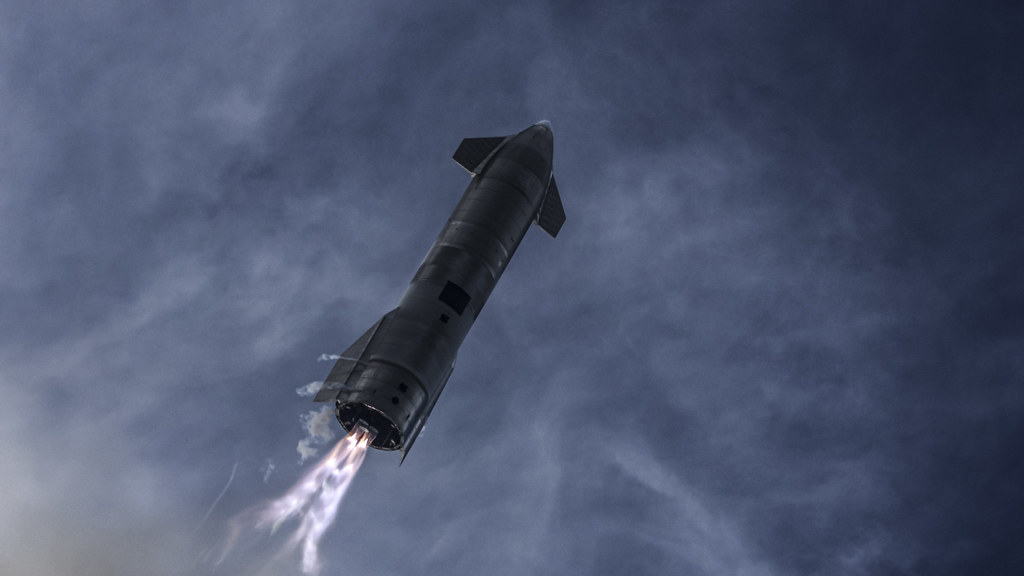
Lessons Learned from B18 Shape Current Strategy
The extended preparation period appears intentional.
SpaceX is clearly avoiding a repeat of B18-related issues, recognizing that rushing testing can:
- Cause preventable failures
- Trigger longer regulatory delays
- Undermine confidence among partners and regulators
A slow, deliberate approach now may yield faster progress later.
Massie Test Site Activity Remains High
Beyond the vehicles themselves:
- Three test tanks are undergoing active testing
- Construction continues on a previously undisclosed structure
- Completion may be required before testing advances
Progress is happening—but often in sudden bursts, rather than daily visible changes.
Blue Origin Advances Blue Moon Mark 1 “Endurance”
While SpaceX prepares for Starship testing, Blue Origin has achieved a major milestone with its Blue Moon Mark 1 lunar lander.
Lander Departs Factory for Advanced Testing
The lander has officially left the production facility and is en route to:
- A port for shipment
- Houston, where it will undergo further qualification testing
This follows images released during a visit by NASA Administrator Jared Isaacman, showing the lander undergoing acoustic testing.
Direct Field Acoustic Testing Completed
Blue Origin CEO Dave Limp confirmed that direct field acoustic testing was completed successfully—a major flight qualification milestone.
Inside the Test
- 34-foot-tall speaker towers surrounded the lander
- Sound pressure exceeded 138 decibels
- Tanks were pressurized with helium and nitrogen
- All avionics and guidance systems were active
- 43 tri-axial accelerometers measured structural response
Because the lander’s vibration environment is dominated by acoustic loads, this test replaces traditional shaker-based vibration testing and more accurately reflects real ascent conditions.
Blue Moon Mark 1 Officially Named “Endurance”
Blue Origin also revealed the lander’s official name: Endurance.
The name honors Ernest Shackleton’s legendary Antarctic vessel, symbolizing:
- Resilience under pressure
- Survival in extreme conditions
- Alignment with lunar south pole missions

What’s Next for Endurance?
Following acoustic testing:
- Endurance has been transported to NASA’s Johnson Space Center
- It will undergo thermal vacuum testing
- This phase simulates space’s extreme temperatures and pressures
If testing proceeds smoothly:
- The lander will ship to Kennedy Space Center
- It will launch aboard New Glenn
- This mission is expected to be New Glenn’s third flight
Potential Launch Timeline
While officially listed as “early in the year,” progress suggests:
- A March launch window is plausible
- Final timing depends on remaining tests and New Glenn readiness
China Prepares Fourth Module for Tiangong Space Station
Meanwhile, China continues the steady expansion of its Tiangong space station, which began assembly in 2021.
Currently operating three modules, China plans to expand to six.
Sun Xun (CSST): A Space Telescope Joins the Station
The next module is Sun Xun, also known as the Chinese Space Station Telescope (CSST).
Key Features
- 2-meter primary mirror
- 2.5-billion-pixel camera
- Field of view 300× larger than Hubble
- Observes from near-UV to near-infrared wavelengths
Scientific Goals
- Cosmology
- Galaxy formation
- Milky Way structure
- Exoplanets
- Dark matter and dark energy
Launch and Servicing Strategy
After launching aboard a Long March 5B rocket:
- Sun Xun will operate independently in low Earth orbit
- It will periodically dock with Tiangong
- Astronauts can service and upgrade it—similar to Hubble missions
Recent reports indicate full end-to-end observational simulations are complete, suggesting launch preparations are nearing final stages.
A Shifting Balance in Low Earth Orbit
With the ISS aging and commercial stations facing delays, China’s progress:
- Strengthens its long-term orbital presence
- Intensifies international competition
- Makes the coming years decisive for human spaceflight
Final Thoughts: A Pivotal Moment for Spaceflight
From Starship Flight 12 testing preparations, to Blue Moon Endurance nearing launch, to China’s expanding orbital infrastructure, the space sector is accelerating on multiple fronts.
Progress may appear uneven—but beneath the surface, methodical engineering, careful testing, and long-term vision are shaping the future of space exploration.
FAQs
1. When is SpaceX expected to launch Starship Flight 12?
SpaceX is now targeting a February launch window for Starship Flight 12, following the completion of key testing preparations and infrastructure upgrades.
2. Why was the Starship Flight 12 launch delayed from January?
The launch timeline shifted because the vehicle had not yet entered its full testing campaign. SpaceX is taking a methodical approach to avoid rushed testing and prevent repeat issues seen in earlier flights.
3. What major steps has SpaceX completed for Starship Flight 12?
SpaceX has relocated both the ship static fire test stand and the booster cryogenic test stand, completed heat shield inspections, and installed aft flaps on Ship 39.
4. What is Ship 39 (S39)?
Ship 39 is the upper-stage Starship vehicle assigned to Flight 12 and is currently in the final phases of preparation at Mega Bay 2.
5. What is Booster 19 (B19)?
Booster 19 is the Super Heavy booster intended to support Starship Flight 12 and is undergoing continued underside and systems work ahead of testing.
6. Why were aft flaps installed early on Starship S39?
Installing aft flaps before cryogenic testing allows SpaceX to test them under real flight-like conditions, including extreme temperatures and vibration, improving reliability during re-entry.
7. Which vehicle will roll out first, S39 or B19?
Based on current progress, S39 appears slightly ahead, though final rollout order depends on transport closures and test stand availability.
8. What upgrades are included in the Starship V3 design?
While SpaceX has not disclosed full details, visual evidence suggests testing infrastructure has been updated to support V3 hardware, indicating improved performance and durability.
9. What is Blue Origin’s Blue Moon Mark 1 lander?
Blue Moon Mark 1 is Blue Origin’s uncrewed lunar lander, designed to support future Artemis missions and lunar south pole exploration.
10. Why is the Blue Moon lander named Endurance?
The lander is named Endurance after Ernest Shackleton’s ship, symbolizing resilience, survival, and mission endurance under extreme conditions.
11. What testing has Blue Moon Endurance completed so far?
Endurance has successfully completed direct field acoustic testing, simulating the intense sound and vibration environment during launch inside New Glenn’s payload fairing.
12. When will Blue Moon Endurance launch?
If thermal vacuum testing proceeds smoothly, Endurance could launch as early as March, aboard New Glenn’s third flight.
13. What is China’s Sun Xun (CSST) space telescope?
Sun Xun, also called the Chinese Space Station Telescope, is a wide-field space observatory designed for deep-space surveys and advanced astrophysics research.
14. How does Sun Xun compare to the Hubble Space Telescope?
While slightly smaller than Hubble, Sun Xun has a much wider field of view and a 2.5-billion-pixel camera, making it highly efficient for large-scale sky surveys.
15. Why is Tiangong’s expansion important for space exploration?
As the ISS ages and commercial stations face delays, Tiangong’s growth strengthens China’s long-term presence in low Earth orbit and reshapes the future of international spaceflight.
Read More:
- No Need Lithium! Donut Lab Confirms World’s FIRST Solid-State Battery! Toyota Worried
- Tesla states Giga Berlin workforce is stable, rejects media report
- Elon Musk to attend 2026 World Economic Forum at Davos
- Elon Musk shares incredible detail about Tesla Cybercab efficiency
- Tesla Earnings Call: Top 5 questions investors are asking
- BREAKING: Tesla launches public Robotaxi rides in Austin with no Safety Monitor