
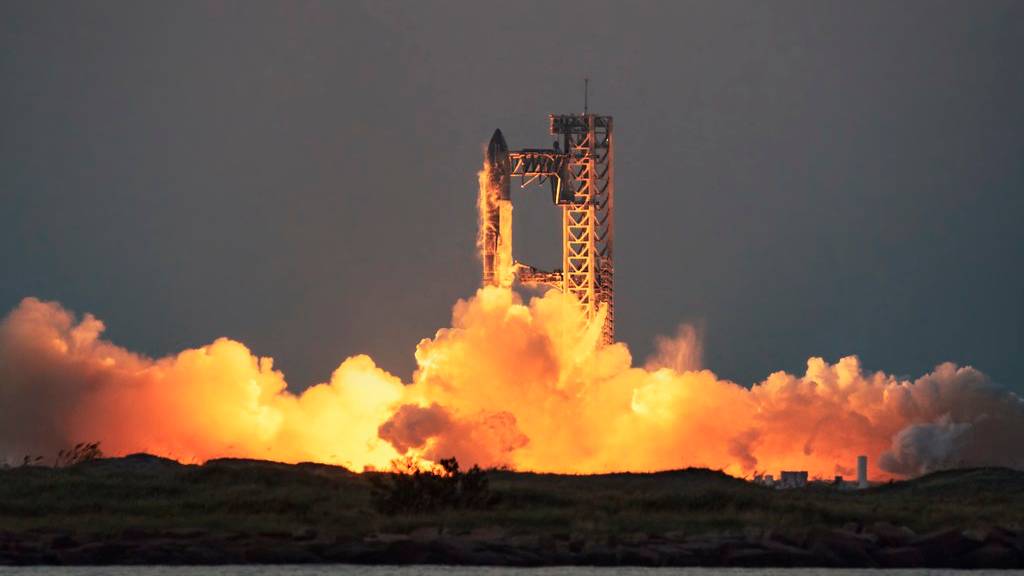
The global space community is once again focused on SpaceX’s Starship program, as new developments reveal a possible launch window for Starship Flight 12. After months of testing, delays, and technical milestones, SpaceX President Gwynne Shotwell has indicated that the highly anticipated launch may still be several weeks away.
While many space enthusiasts expected the next flight earlier in 2026, recent updates suggest that Starship Flight 12 cannot launch before early April. The delay comes as SpaceX continues rigorous testing of the S39 Starship vehicle and B19 Super Heavy booster, ensuring that every system is ready for flight.
At the same time, NASA’s Artemis program is undergoing major changes that could influence the future of lunar exploration. From technical repairs on the Space Launch System (SLS) to a revised roadmap for Artemis missions, the coming months could reshape the path back to the Moon.
In this article, we’ll break down everything you need to know about Starship Flight 12, the S39 cryogenic tests, booster development, and NASA’s evolving Artemis strategy.
Why Starship Flight 12 Has Been Delayed
Early Expectations for the Launch
Originally, SpaceX planned to launch Starship Flight 12 much earlier. In fact, initial projections suggested the mission could take place in January 2026. However, unexpected technical issues and testing requirements forced the company to revise its timeline.
After an incident involving the B18 booster, SpaceX pushed the schedule further. Later, Elon Musk suggested that the launch might occur within six weeks, pointing toward an early March window.
But as testing progressed, it became clear that additional verification steps were needed.
Recent updates from SpaceX leadership now indicate that Flight 12 is likely 4–6 weeks away, placing the most realistic launch window in early to mid-April.
If this timeline holds, the mission will occur approximately six months after Starship Flight 11, which launched in October.
Key Preparations Underway for Flight 12
Launch Pad Upgrades and Testing
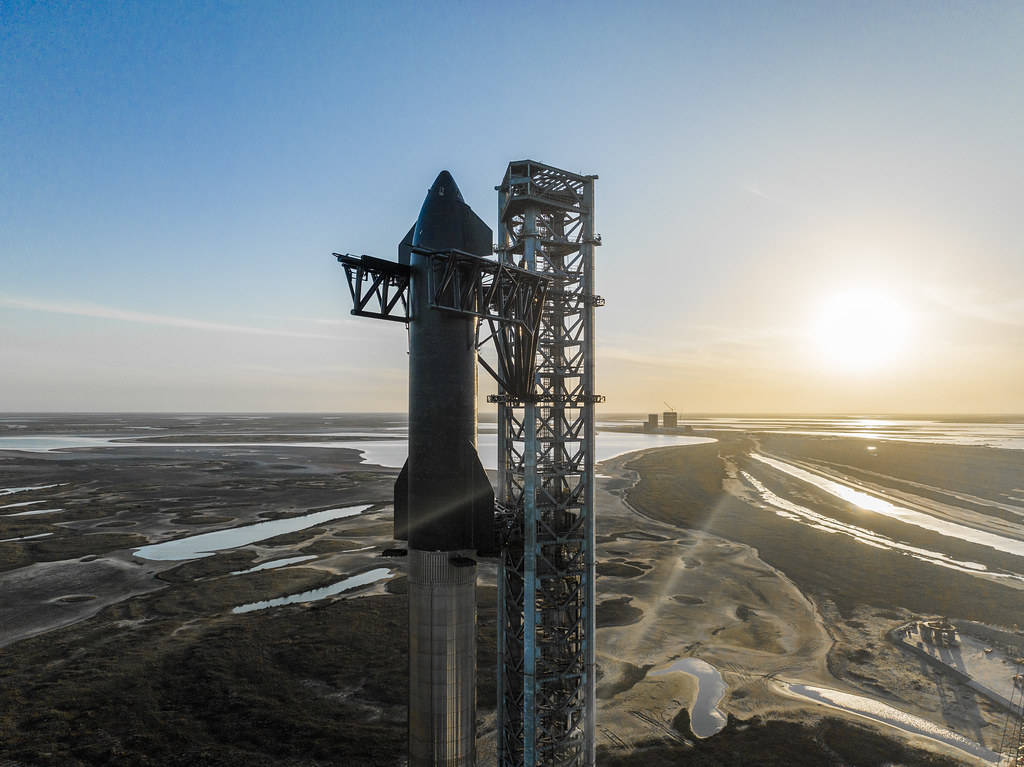
Before any Starship launch can occur, the launch infrastructure must be fully validated. SpaceX has been conducting major tests at the launch site, including:
- Full water deluge system tests to protect the pad from extreme heat during liftoff
- Verification of the mechanical “chopsticks” designed to catch the Super Heavy booster
- Testing of quick disconnect arms that supply fuel to the rocket before launch
These upgrades are critical for improving the durability and turnaround speed of Starship launches.
Super Heavy Booster B19 Progress
Cryogenic Testing Completed
The B19 Super Heavy booster, which will power Flight 12, has already completed its cryogenic test. This important procedure involves loading extremely cold propellants into the rocket’s tanks to verify structural strength and plumbing systems.
During cryogenic testing:
- Tanks are filled with liquid methane and liquid oxygen
- Engineers monitor pressure levels and thermal contraction
- Structural integrity is analyzed under flight-like conditions
After completing this test successfully, B19 moved into Mega Bay 1, where engineers are installing its 33 Raptor engines.
Next Step: Static Fire Test
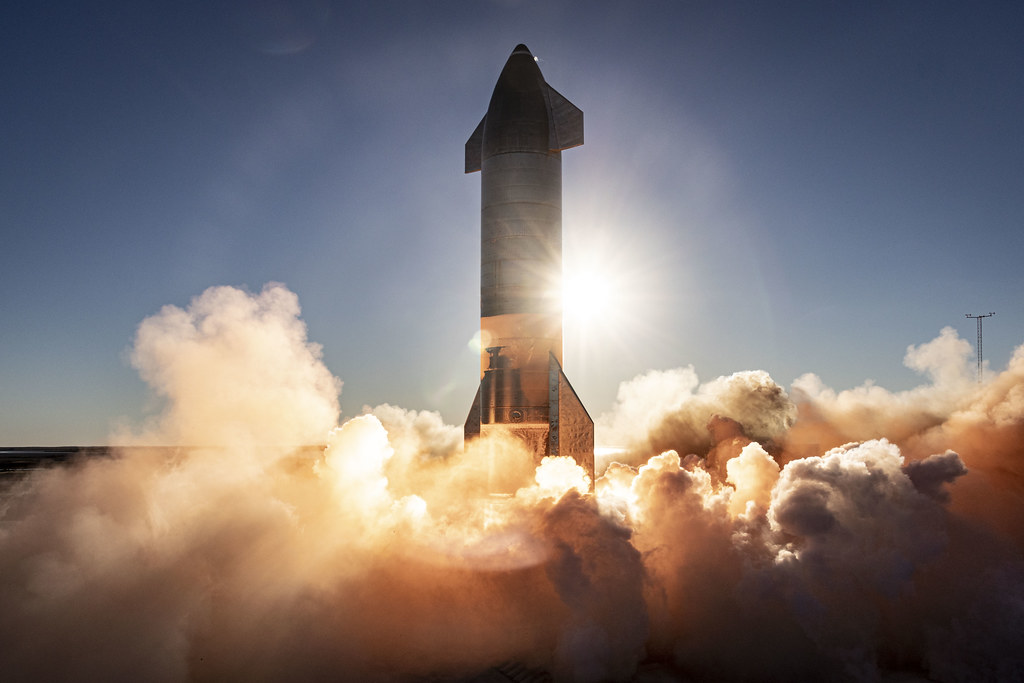
Once engine installation is finished, the booster will undergo a static fire test at the launch pad.
During this test:
- All 33 Raptor engines ignite simultaneously
- The booster remains secured to the launch mount
- Engineers measure thrust performance and system stability
A successful static fire will clear B19 for final launch preparations.
Starship S39 Testing: A Major Milestone
Cryogenic Tests at the Massey Test Site
While booster development has progressed rapidly, the Starship S39 upper stage has taken more time to validate.
After arriving at the Massey test site in late February, S39 began a series of cryogenic tests to verify its tank systems and structural resilience.
So far, the spacecraft has completed:
- Four overall cryogenic tests
- Three full propellant loading tests
These tests simulate real launch conditions by filling the vehicle with super-cold propellants.
Why Full Cryogenic Testing Matters
Full cryogenic tests are one of the most important steps before flight. During these tests:
- Both methane and oxygen tanks are fully loaded
- The vehicle experiences thermal stress similar to launch conditions
- Engineers monitor tank pressure, structural behavior, and fuel flow
For the Starship V3 design, this process involves loading around 1,600 tons of propellant.
Future versions, such as Starship V4, could carry up to 2,300 tons, significantly increasing payload capacity and efficiency for orbital refueling missions.
What Happens Next for S39
After completing its cryogenic testing phase, S39 will return to the production site for further work.
The next steps include:
1. Detailed Vehicle Inspection
Engineers will inspect the spacecraft for:
- Structural stress
- Micro-fractures
- Plumbing anomalies
2. Raptor Engine Installation
S39 will receive six Raptor engines:
- Three sea-level Raptors
- Three vacuum-optimized Raptors
Vacuum Raptors feature larger nozzles, improving efficiency in space.
3. Static Fire Test
Once engines are installed, the vehicle will return to the Massey test site for a static fire test.
This will be the first static fire test of a Starship V3 vehicle, marking a major milestone.
4. Final Integration
If everything goes smoothly, engineers will install:
- Payload mass simulators
- Flight termination system (FTS)
- Additional flight hardware
This phase typically takes about a week.
Only after completing all these steps will S39 be cleared to move to the launch pad.
Why Flight 12 Probably Won’t Launch Before April
Based on the current testing schedule, the timeline for Flight 12 looks like this:
Early March
- S39 completes cryogenic tests
Mid March
- Engine installation begins
- Booster static fire preparations
Late March
- Starship static fire test
Early April
- Final integration and launch pad rollout
Because these steps require careful inspection and verification, launching before April appears unlikely.
Flight 13 Hardware Is Already Being Built
Even while Flight 12 preparation continues, SpaceX is rapidly building hardware for Starship Flight 13.
Booster B20 Assembly
Construction of the next booster began in February, and major components have already arrived at the production facility.
The aft section of B20, which houses the engines, has been moved into the assembly area. This marks the beginning of final integration.
Starship Ship 40 Progress
The upper stage for Flight 13, Ship 40, is also advancing quickly.
Recent milestones include:
- Delivery of the aft structural segment
- Installation of methane and oxygen plumbing
- Mounting of large aerodynamic aft flaps
These flaps help guide Starship during atmospheric re-entry, allowing it to maneuver safely during descent.
If current progress continues, Flight 13 hardware could be ready by late March.
This rapid production pace could eventually allow faster launch cadence for Starship missions.
Starship’s Role in NASA’s Artemis Program
The Starship program is not only important for SpaceX—it is also critical to NASA’s lunar exploration plans.
NASA selected Starship as the Human Landing System (HLS) for future Artemis missions.
To support these missions, SpaceX must demonstrate several capabilities:
- Orbital refueling
- Docking with other spacecraft
- Long-duration space operations
- Lunar landing and ascent
Flight 12 will contribute to validating these technologies.
NASA Faces Challenges With Artemis 2
While SpaceX prepares for its next launch, NASA is dealing with its own challenges.
The Artemis 2 mission, which will send astronauts around the Moon, has faced technical issues involving helium flow in the upper stage propulsion system.
To fix the problem, NASA rolled the Space Launch System rocket back into the Vehicle Assembly Building for repairs.
Current plans aim to return the rocket to the launch pad around March 19.
Major Changes to the Artemis Mission Plan
NASA has also introduced significant adjustments to the Artemis timeline.
Artemis 3 Changes
Originally planned as the first crewed lunar landing, Artemis 3 will now focus on:
- Docking tests in Earth orbit
- System integration verification
- Human landing system evaluations
This approach mirrors Apollo 9, which tested lunar landing systems before committing to a Moon landing.
First Lunar Landing Delayed
Under the revised plan:
- Artemis 4 will perform the first crewed lunar landing
- Artemis 5 will follow with another landing mission
Both are currently targeted for 2028.
Why Artemis 2 Is So Important
The success of Artemis 2 will have a huge impact on future missions.
A timely launch would:
- Provide critical flight data
- Allow NASA to refine hardware designs
- Preserve schedule margin before Artemis 3
However, delays could compress the entire lunar mission timeline.
The Global Space Race Is Heating Up
Another reason NASA is under pressure is the growing competition in space exploration.
China has announced plans to land astronauts on the Moon by 2030, supported by several successful lunar missions.
These include:
- Chang’e-4, the first mission to land on the far side of the Moon
- Chang’e-5, which returned lunar samples to Earth
As global space competition intensifies, maintaining progress in the Artemis program becomes increasingly important.
What the Future Holds for Starship
Despite the delays, the Starship program continues to advance rapidly.
If Flight 12 launches successfully, it will represent another major step toward:
- Reusable super-heavy launch systems
- Affordable space transportation
- Large-scale lunar missions
- Future Mars exploration
SpaceX’s aggressive development pace means that even as Flight 12 approaches, Flight 13 and beyond are already in production.
This rapid iteration could eventually allow frequent Starship launches, dramatically transforming space exploration.
Conclusion
The road to Starship Flight 12 has been longer than expected, but the progress made during testing shows that SpaceX is moving closer to another major milestone.
With S39 completing critical cryogenic tests, B19 preparing for static fire, and launch infrastructure upgrades underway, the mission is steadily approaching readiness.
However, based on current timelines, Starship Flight 12 cannot launch before early April.
At the same time, NASA’s Artemis program is evolving, with new mission structures and schedules shaping the future of human lunar exploration.
The coming months will be crucial. If testing continues successfully, Starship Flight 12 could mark another breakthrough in the development of the world’s most powerful rocket system—and bring humanity one step closer to returning to the Moon and eventually reaching Mars. 🚀
FAQs
1. When will SpaceX launch Starship Flight 12?
SpaceX is currently targeting early to mid-April 2026 for the launch of Starship Flight 12. The launch cannot happen earlier because the S39 Starship and B19 Super Heavy booster still require additional testing, inspections, and final integration.
2. Why has Starship Flight 12 been delayed?
The delay is mainly due to ongoing cryogenic tests, engine installations, static fire tests, and safety verifications. SpaceX prioritizes reliability and safety before launching such a powerful rocket.
3. What is Starship S39?
Starship S39 is the upper-stage spacecraft planned for Starship Flight 12. It belongs to the Version 3 (V3) design, which includes improvements in fuel capacity, structural strength, and engine efficiency.
4. What is cryogenic testing in rocket development?
Cryogenic testing involves filling rocket tanks with extremely cold propellants like liquid methane and liquid oxygen. This test checks the rocket’s structural strength, plumbing systems, and tank performance under real launch conditions.
5. How much propellant does Starship V3 carry?
The current Starship V3 design carries around 1,600 tons of propellant, including liquid methane and liquid oxygen.
6. What is the Super Heavy booster B19?
B19 is the Super Heavy booster assigned to power Starship Flight 12. It is the first stage of the Starship launch system and uses 33 Raptor engines to generate massive thrust during liftoff.
7. What is a static fire test?
A static fire test is when rocket engines ignite while the rocket remains securely attached to the launch pad. This test verifies engine performance, fuel systems, and thrust levels before launch.
8. How many engines does the Starship upper stage have?
The Starship upper stage carries six Raptor engines, including three sea-level Raptors and three vacuum-optimized Raptors designed for efficient operation in space.
9. What are Raptor engines?
Raptor engines are SpaceX’s methane-fueled rocket engines designed for high efficiency and full reusability. They power both the Starship spacecraft and the Super Heavy booster.
10. What is the purpose of the Starship program?
The Starship program aims to create a fully reusable spacecraft capable of carrying large payloads and humans to the Moon, Mars, and beyond.
11. What role does Starship play in NASA’s Artemis program?
Starship will serve as NASA’s Human Landing System (HLS) for the Artemis program, helping astronauts land on the Moon during future lunar missions.
12. What is the Artemis program?
The Artemis program is NASA’s initiative to return humans to the Moon and establish a long-term lunar presence, eventually preparing for missions to Mars.
13. Why was Artemis 3 changed to a test mission?
NASA adjusted Artemis 3 to focus on Earth-orbit docking and system testing to ensure spacecraft and lunar landers work perfectly before attempting a lunar landing.
14. When will astronauts land on the Moon under Artemis?
Under the revised plan, the first crewed lunar landing is expected during Artemis 4 in 2028, followed by another landing during Artemis 5 later that year.
15. What is the launch cadence SpaceX aims for with Starship?
SpaceX aims to significantly increase launch frequency in the future, potentially reaching multiple Starship launches per year or even per month once the system is fully operational.
16. What is orbital refueling and why is it important?
Orbital refueling involves transferring fuel between spacecraft in orbit, allowing Starship to carry enough propellant for long-distance missions to the Moon or Mars.
17. What improvements are expected in future Starship versions?
Future versions such as Starship V4 could carry up to 2,300 tons of propellant, improving payload capacity and mission capability.
18. How does SpaceX catch the Super Heavy booster?
SpaceX plans to use launch tower “chopsticks”, large mechanical arms that catch the returning booster, eliminating the need for landing legs and enabling faster reuse.
19. Why is Starship considered the most powerful rocket ever built?
Starship combined with the Super Heavy booster will produce over 70 million newtons of thrust, making it the most powerful launch vehicle ever developed.
Read More:
- Elon Musk Reveals Major New Cybercab Update
- Elon Musk Unexpectedly Announced SpaceX First Ship-Catching Schedule Sooner than We Think
- Tesla preps to build its most massive Supercharger yet: 400+ V4 stalls
- Tesla wins another award critics will absolutely despise
- Elon Musk’s xAI plans $659M expansion at Memphis supercomputer site