
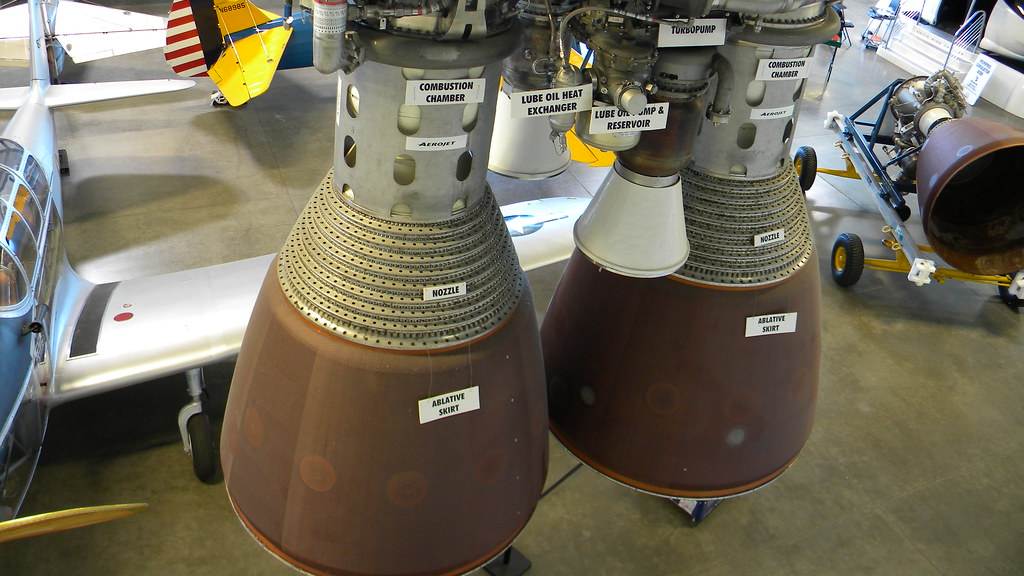
On March 16, 1926, Robert Goddard launched the first liquid-fueled rocket, forever changing the trajectory of space exploration. Exactly 100 years later, SpaceX is poised to shatter conventional aerospace wisdom with the Raptor 4 engine. Unlike incremental upgrades of the past century, the Raptor 4 represents a fundamental shift in how humanity accesses the stars, combining unprecedented power, efficiency, and reusability.
Breaking the “Engineers’ Rule”
For decades, aerospace engineers at NASA and in the Soviet Union operated under an unwritten law: you could make a rocket engine more powerful or lighter, but never both. Pushing performance typically required heavy cooling systems and thick metal walls to prevent catastrophic engine failure.
SpaceX has defied this rule, leveraging radical innovations to produce an engine that is both lighter and more powerful than its predecessors.
The Three Radical Innovations Behind Raptor 4
1. Methane Fuel
Unlike kerosene, which leaves soot that clogs engine components, methane burns clean. This clean combustion allows rapid reuse of the engine without the massive overhauls that engines like the Space Shuttle RS-25 demanded. Methane’s properties also make it a viable fuel for Mars missions, as it can theoretically be synthesized on the Red Planet from local resources.
2. Full-Flow Staged Combustion (FFSC)
The FFSC cycle is considered the “holy grail” of rocket engine design. In this system, every molecule of fuel and oxygen is turned into high-pressure gas before combustion. Although both the U.S. and USSR failed to master this in the 1960s, SpaceX has perfected it in the Raptor engine, creating unmatched efficiency and performance.
3. 3D Printing and Advanced Alloys
SpaceX uses proprietary SX500 alloy and 3D printing to embed cooling channels directly into the engine structure. This approach allows fuel to circulate and cool the engine from the inside out, eliminating bulky external heat shielding and reducing overall weight. The result is an engine that is lighter, stronger, and more reusable than anything previously designed.
Raptor 4: The Stats of a Giant
Elon Musk has confirmed that Raptor 4 is being developed for the Starship Version 4 (V4), promising performance leaps that make prior rockets seem outdated.
| Feature | Raptor 1 | Raptor 3 | Raptor 4 (Projected) |
|---|---|---|---|
| Thrust | ~185 tons | 280 tons | 300+ tons |
| Mass | Complex/Heavy | 1,525 kg | Target < 1,500 kg |
| Thrust-to-Weight | ~100:1 | ~180:1 | ~200:1 |
| Cost | High | $200k – $500k | < 1/10th of Merlin |
With 33 Raptor 4 engines, the Super Heavy V4 booster will generate over 10,000 tons of thrust—more than three times the power of the Saturn V, which powered the Apollo missions.
Why Do We Need Raptor 4?
The push for a larger, more powerful engine stems from SpaceX’s ambitious projects requiring unprecedented lift capacity.
Starship V4
The Starship V4 is expected to reach a staggering 142 meters tall, equivalent to a 40-story building. Its booster alone will be 81 meters high, necessitating the 90-meter doors currently being installed at SpaceX’s Gigabay factory in Florida.
The “SAT Mini” Project
Rumors indicate SpaceX is planning a new generation of AI-driven satellites over 170 meters long. FCC filings suggest deployment of up to 1 million satellites, requiring the payload capacity of a Raptor 4-powered Starship.
These ambitious projects demonstrate why Raptor 4 is more than just an engine upgrade—it’s a game-changer for orbital logistics and interplanetary travel.
The Economics of the Stars
The most disruptive aspect of Raptor 4 isn’t just its power—it’s its cost-efficiency.
A single NASA RS-25 engine costs approximately $146 million. For that price, SpaceX could build nearly 300 Raptor engines. This dramatic reduction in cost allows for rapid production, with SpaceX currently producing roughly one Raptor engine per day.
The economic advantage is clear: if an engine fails, it does not end the mission financially. This paradigm shift transforms rocket engineering risk into manageable operational costs.
Raptor 4 and Mars Missions
The Raptor 4 is designed to enable Mars round-trips, with features that optimize both fuel efficiency and thrust performance.
- Chamber Pressure: 350 bar
- Specific Impulse (ISP): 380 seconds
- Propellant Savings: 10-20% over Raptor 3
Timeline for Mars Missions
- Late 2026: Demonstration of orbital refueling, a critical milestone often called the “Holy Grail” of space logistics.
- 2027: First operational flights of Starship Version 3.
- Late 2027 / Early 2028: Debut of Starship V4 and the Raptor 4 engine.
These milestones indicate that within the next few years, humanity could see the first fully reusable interplanetary rockets.
Raptor 4 vs Historical Rocket Engines
SpaceX’s Raptor 4 is redefining aerospace standards by combining power, efficiency, and reusability in a way no engine has before.
Comparison with RS-25 (Space Shuttle Engine):
- RS-25 Thrust: 1.8 MN
- RS-25 Cost: $146 million per engine
- Reusability: Requires months of maintenance
Raptor 4 Advantages:
- Thrust: 3x higher per booster (with 33 engines)
- Cost: < 1/10th of the cost per engine compared to RS-25
- Reusability: Immediate turnaround between flights
The combination of FFSC technology, methane fuel, and 3D-printed cooling channels makes Raptor 4 light, efficient, and extremely durable.
How SpaceX is Redefining Space Logistics
SpaceX is not just building a new engine—they are rebuilding the space infrastructure around it.
Orbital Refueling
The ability to refuel Starships in orbit could reduce launch costs significantly and allow larger payloads to reach Mars or beyond.
Mechazilla Catch System
The “Mechazilla” system aims to catch Starships mid-flight, enabling reusable booster recovery without traditional ocean splashdowns. The Raptor 4’s reliability is essential for this precision maneuvering, as it must operate flawlessly under extreme conditions.
Scaling Up Satellite Deployment
With the “SAT Mini” project, SpaceX plans mass deployment of AI-driven satellites. Only an engine with the Raptor 4’s thrust and efficiency can support the payload capacity for such a massive constellation.
Environmental and Technological Advantages
Methane fuel and reusable engines reduce the carbon footprint of launches. Unlike kerosene, methane burns cleanly, leaving no residue inside the engine. Additionally, 3D printing and advanced alloys allow for lighter engines, reducing the amount of material required per launch.
The result is a more sustainable path to space exploration, combining eco-friendly technology with record-breaking performance.
The Future of Human Spaceflight
By the end of the decade, SpaceX aims to:
- Lower cost per kilogram to orbit to near-zero levels compared to current standards
- Enable regular Mars missions using fully reusable Starships
- Deploy massive satellite constellations for global internet and AI-driven applications
- Make interplanetary travel a realistic goal for humanity
The Raptor 4 engine is the mechanical heart of this vision, demonstrating that engineering limits exist to be broken.
Conclusion
The Raptor 4 engine is more than a technological marvel; it’s a symbol of human ingenuity and ambition. From breaking century-old engineering rules to enabling Mars colonization, SpaceX is redefining what is possible in aerospace engineering.
By combining methane fuel, full-flow staged combustion, and advanced 3D-printed alloys, Raptor 4 achieves unprecedented thrust, efficiency, and reusability. It positions SpaceX as a pioneer in the era of interplanetary exploration.
As Starship V4 prepares to launch, humanity stands at the threshold of a new space age, where reaching the stars is no longer a dream but a tangible reality. Raptor 4 has made the impossible possible—and the next decade promises to prove it.
FAQs
1. What is the Raptor 4 engine?
The Raptor 4 is SpaceX’s next-generation methane-fueled rocket engine, designed for the Starship Version 4 (V4). It delivers higher thrust, lower weight, and improved reusability compared to previous engines.
2. How powerful is the Raptor 4 engine?
Raptor 4 is projected to produce over 300 tons of thrust per engine, with 33 engines on the Super Heavy V4 booster generating more than 10,000 tons of total thrust—over three times the power of the Apollo-era Saturn V.
3. What makes Raptor 4 different from older rocket engines?
Raptor 4 combines methane fuel, full-flow staged combustion (FFSC), and 3D-printed advanced alloys, making it both lighter and more powerful—breaking the traditional engineering trade-off between thrust and weight.
4. Why does SpaceX use methane instead of kerosene?
Methane burns cleaner than kerosene, reducing engine residue, preventing internal clogging, and allowing rapid reuse without extensive maintenance. It is also potentially manufacturable on Mars, making it ideal for interplanetary missions.
5. What is full-flow staged combustion (FFSC)?
FFSC is an engine cycle where all fuel and oxidizer are converted to high-pressure gas before combustion, maximizing efficiency and performance. SpaceX has perfected this design in the Raptor engine, unlike previous attempts by NASA and the USSR.
6. How does 3D printing benefit Raptor 4?
3D printing allows embedded cooling channels in the engine’s structure, enabling internal fuel cooling. This reduces weight, eliminates bulky external heat shields, and enhances engine durability and reusability.
7. What is the cost of a Raptor 4 engine?
While precise costs are proprietary, estimates suggest less than 1/10th the cost of a NASA RS-25 engine, making mass production and replacements financially feasible.
8. How reusable is the Raptor 4?
Raptor 4 is designed for rapid reuse, with minimal overhauls between launches, thanks to methane fuel and advanced cooling systems. This dramatically reduces launch costs.
9. When will Starship V4 and Raptor 4 debut?
The Starship V4 and Raptor 4 engine are expected to debut late 2027 or early 2028, following testing of Starship V3 and orbital refueling demonstrations.
10. How does Raptor 4 help Mars missions?
Raptor 4’s high thrust, specific impulse (ISP) of 380 seconds, and propellant efficiency make round-trip Mars missions possible by saving 10-20% of fuel compared to earlier engines.
11. What is the thrust-to-weight ratio of Raptor 4?
The Raptor 4 is projected to achieve a thrust-to-weight ratio of approximately 200:1, a significant improvement over previous generations like Raptor 1 and Raptor 3.
12. How many Raptor 4 engines will a Super Heavy V4 booster have?
The Super Heavy V4 booster will use 33 Raptor 4 engines, producing over 10,000 tons of thrust, enough to lift Starship V4 into orbit.
13. What is the “Mechazilla” system?
“Mechazilla” is SpaceX’s planned system to catch Starship boosters mid-flight, allowing fully reusable rocket operations. Raptor 4’s reliability is crucial for these precise recovery maneuvers.
14. Can Raptor 4 be used for satellites and commercial launches?
Yes. The engine’s high payload capacity makes it suitable for deploying massive satellite constellations like the rumored “SAT Mini” project, supporting up to 1 million AI-driven satellites.
15. How does Raptor 4 impact space travel costs?
Raptor 4 drastically reduces launch costs due to its affordable production, reusability, and efficiency, potentially making space travel almost as cheap as air travel per kilogram to orbit.
Read More:
- Tesla Pi Phone 2026: $199 leak + no-monthly-bill Starlink + 7yr battery + XOS limits
- NASA’s Artemis II Moon Rocket is finally on Pad for Launch in 2 Days. Why Risk it?
- NASA sends humans to the Moon for the first time since 1972 – Here’s what’s next
- Tesla reports Q1 deliveries, missing expectations slightly
- Tesla’s Q1 delivery figures show Elon Musk was right
1 thought on “SpaceX’s Raptor 4 Just Did Something No Rocket Engine Has Ever Done Before”