
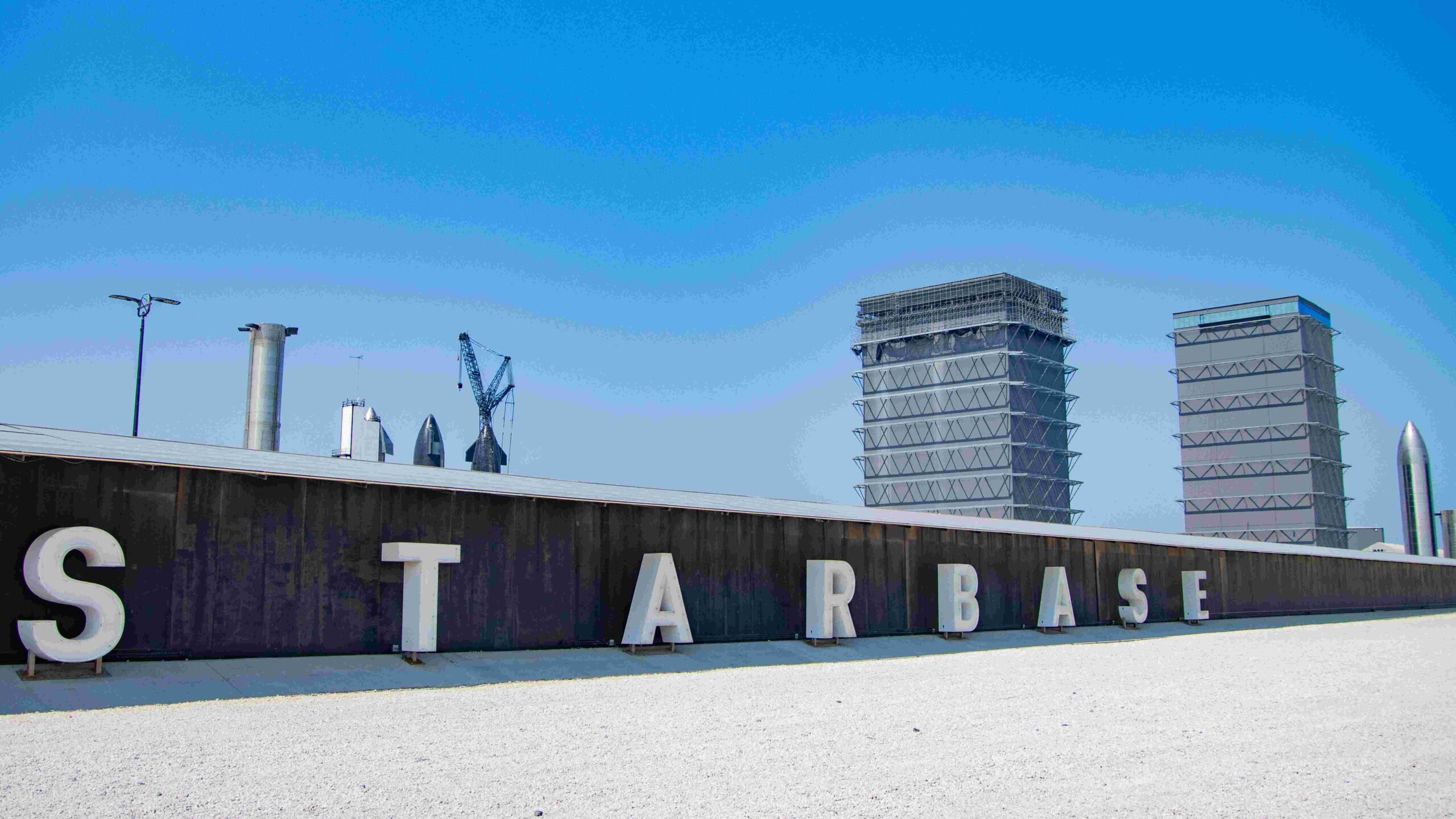
The Starship program is entering a thrilling new chapter as SpaceX accelerates upgrades at Starbase in Texas and expands operations to Florida. The transition from Starship V2 to V3 is more than a mere upgrade—it’s a complete transformation of launch infrastructure, vehicles, and operational systems.
As 2026 approaches, the aerospace world watches closely, eager to see which launchpad will reach operational status first and how SpaceX’s next-generation Starship vehicles will reshape humanity’s access to space.
In this blog, we explore SpaceX’s pad upgrades, infrastructure expansion, and the broader vision for Starship operations.
The Transformation from V2 to V3 at Starbase
SpaceX’s shift from Starship V2 to V3 is already visible in the launch vehicle itself, but the changes at Launchpad 1 reveal the scope of this transformation. The old pad, which has supported over 11 official launches, is now undergoing a complete overhaul.
Legacy Systems Make Way for the Future
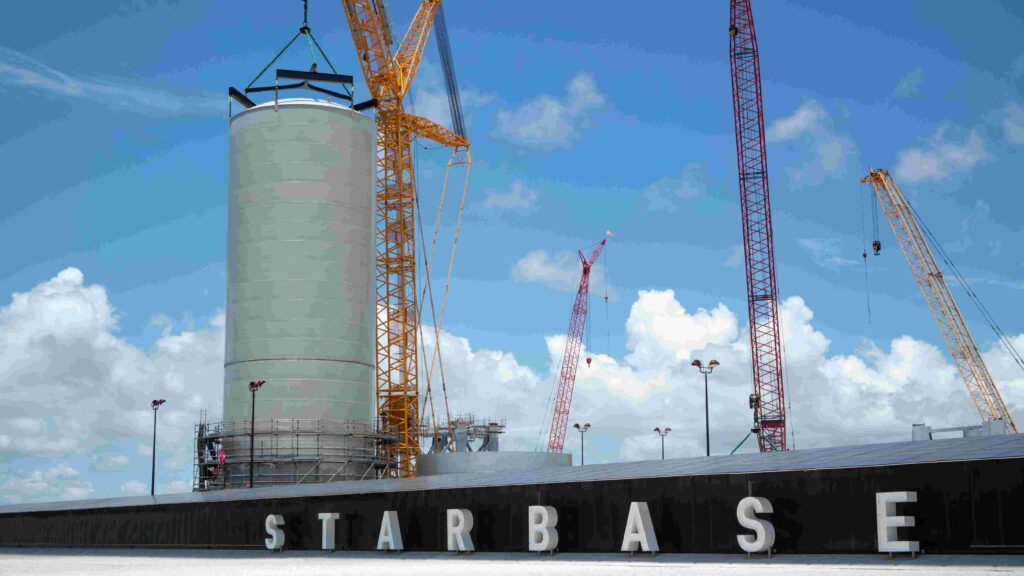
At Starbase, Launchpad 1 is being redesigned to meet the demands of the next-generation Starship vehicles. Over the past weeks, SpaceX engineers have methodically dismantled legacy components:
- Removal of the BQD hood and system
- Dismantling of the OOLM shield
- Cutting of the OM table ring to separate the pad’s four legs
Each of these steps is a dramatic milestone in preparing the pad for V3 Starship launches.
\\\\\\\The chopstick arms, iconic fixtures at Starbase, are being reimagined for greater precision and reduced mass. Their modifications include:
- Shortened lengths for flexibility
- Integration with Superheavy booster grit fins
- Redesigned lifting and catching mechanisms
These upgrades ensure that Starship V3 vehicles will be supported with unmatched efficiency and reliability.
Upgrading Pad 1: Step by Step
The overhaul of Launchpad 1 is not limited to the tower. Surrounding systems, including the tank farm and burm, are being transformed to enable higher launch cadence and safety.
Tank Farm Overhaul
Key steps in the pad’s modernization include:
- Removal of the liquid oxygen and methane pumps
- Reconfiguration of storage tanks for greater capacity
- Installation of updated pipelines and control systems
These changes indicate SpaceX’s preparation for a comprehensive fuel infrastructure capable of supporting frequent V3 Starship launches.
Structural Upgrades
Beneath the launch tower, the OOLM system is being completely replaced:
- Clamp arms, tubing, and interface panels removed
- Old BQD frame and support legs dismantled
- New flame trench and concrete foundation installed
- Flame deflector buckets and exhaust systems added
The goal is a robust, heat-resistant platform ready for high-thrust Starship launches.
The Chopstick Arms: Precision Meets Power
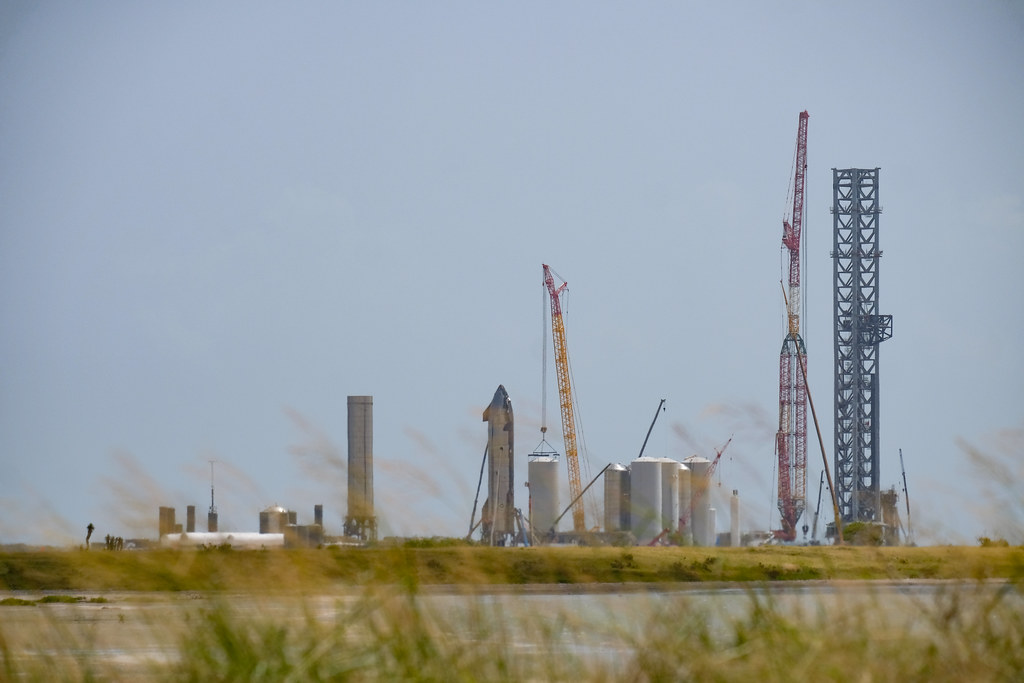
The chopstick arms have long been a symbol of SpaceX’s innovative approach. At Starbase, these arms are being upgraded to:
- Handle next-generation boosters
- Reduce overall mass for smoother operations
- Integrate with catching mechanisms in Superheavy fins
Once upgraded, they will resume lifting trials and full operational checks, ensuring compatibility with V3 Starship vehicles.
Expanding Starship Operations to Florida
While Starbase remains the birthplace of Starship, Florida is rapidly becoming the second center of operations. Launch Complex 39A (LC39A) and Space Launch Complex 37 (SLC37) are set to support dozens of Starship launches annually.
LC39A: A Historic Pad Reimagined
LC39A, famous for Apollo and Falcon Heavy missions, is undergoing a dramatic transformation:
- Upgraded OOLM installed
- Flame trench and buckets prepared
- Gantry and quick-disconnect systems integrated
- Chopstick arms adjusted for V3 Starship
The pad is on track to support operational Starship launches by mid-2026, well ahead of earlier predictions.
SLC37: Building from Scratch
SpaceX is also constructing two new pads at SLC37, designed for high-frequency Starship operations. Expected to be operational by 2027, these pads will complement Starbase and LC39A, enabling a global network of Starship launch sites.
Infrastructure Beyond the Pads
Successful Starship operations depend on more than just launch towers. SpaceX is building the necessary infrastructure in Florida to support frequent missions:
- Gigabay facility for stacking, testing, and refurbishment
- StarFactory Florida for advanced manufacturing, including high-precision welding and 3D printing
- Dedicated fuel production and storage plant
- Testing stands for static fire and structural verification
Together, these systems ensure Florida can operate independently, reducing reliance on Texas production facilities.
Orbital Refilling: The Next Frontier
A crucial component of Starship’s deep-space missions is orbital refilling. SpaceX aims to achieve precise fluid transfer between spacecraft, enabling extended missions to the Moon and Mars.
- Elon Musk compares orbital refilling to Dragon’s ISS dockings, which SpaceX has mastered
- Once perfected, it could be implemented as early as next year
- Florida pads will play a key role in supporting these refilling operations
This innovation will unlock longer missions and pave the way for Starship lunar habitats.
Comparing Starbase and Florida: Who Will Lead?
Both Starbase and Florida are racing toward operational V3 Starship launches, but each has unique advantages:
| Feature | Starbase | Florida (LC39A & SLC37) |
|---|---|---|
| Primary testing site | ✅ | ⚪ |
| Launch cadence | 25/year | 44-76/year |
| Infrastructure | Existing pad 1 & 2 | LC39A rebuilt, SLC37 new |
| Production proximity | Starship factory | Initially reliant on Texas transport |
| Expansion potential | Moderate | High, with multiple pads and gigafactories |
While Starbase leads in early testing, Florida is positioned to become the long-term operational hub, supporting a massive increase in launch frequency.
Construction Milestones at LC39A
SpaceX’s pace in Florida has been remarkably swift:
- Upgraded OM installation completed early 2024
- Flame trench excavation and flame buckets placed
- Chopstick modifications underway for V3 Starship
- Testing phase expected by April or May 2026
Once operational, Florida could support NASA Artemis missions, orbital refilling tests, and numerous commercial launches.
Starship V3: A Game-Changer
The V3 Starship generation brings enhancements across the board:
- Improved boosters for orbital operations
- Optimized catch systems for safer landings
- Compatibility with lunar missions
- Increased payload capacity for deep-space exploration
These upgrades will accelerate humanity’s ability to travel beyond Earth, making Starship V3 a cornerstone of space infrastructure.
The Vision for 2026 and Beyond
With upgrades at Starbase, LC39A, and SLC37, SpaceX is preparing for a new era of spaceflight:
- Potential for up to 145 Starship launches annually across all pads
- Orbital refilling and lunar operations enabled
- Dual launch sites for redundancy and efficiency
- Advanced manufacturing and testing facilities supporting V3 production
This bold expansion ensures SpaceX remains the leader in commercial and scientific spaceflight, surpassing all competitors in scale, efficiency, and technological capability.
The Legacy and the Future
While old structures at Starbase will soon give way to next-generation infrastructure, it’s important to honor their legacy:
- Early OM table and chopstick arms enabled historic Starship trials
- The original pad design laid the foundation for V3 innovations
- Starbase will continue as a primary testing ground, while Florida emerges as the operational powerhouse
Together, these sites reflect SpaceX’s relentless drive for innovation, pushing the boundaries of space technology.
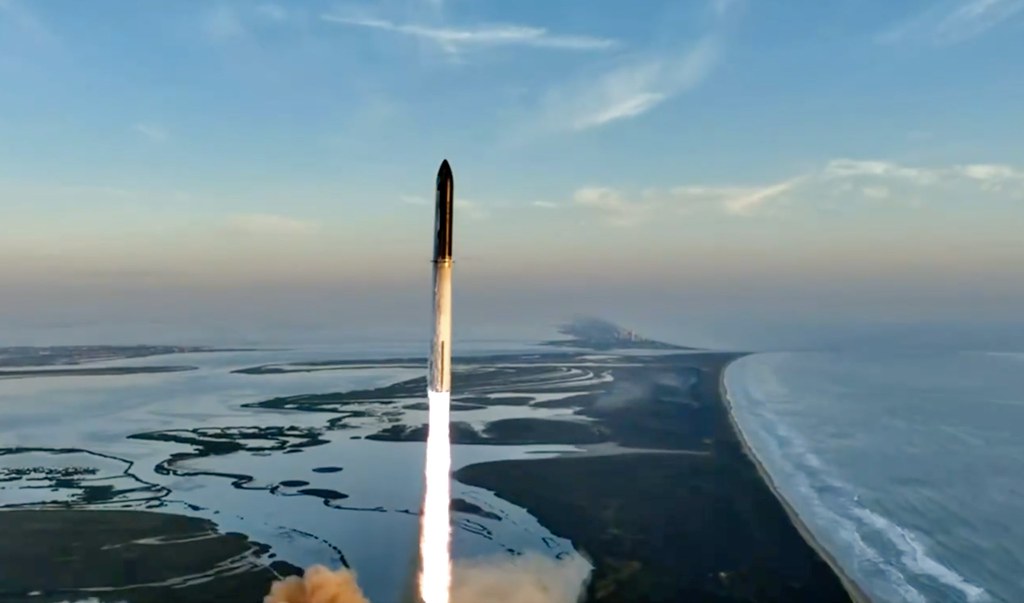
Conclusion: A Dual-Starship Future
SpaceX’s transformation of Starbase and expansion into Florida marks a defining moment in space exploration. By 2026, we could witness:
- Simultaneous V3 Starship launches from Texas and Florida
- Operational orbital refilling enabling lunar and deep-space missions
- Expanded manufacturing and testing facilities supporting higher cadence
The combination of legacy knowledge, rapid innovation, and cutting-edge infrastructure positions SpaceX to achieve milestones that were once considered impossible.
Starbase may be down, but Florida is rising fast—ushering in a new era where Starship launches become routine, and humanity moves closer to a permanent presence beyond Earth.
FAQs
1. What is happening at Starbase Launchpad 1?
Launchpad 1 at Starbase is undergoing a complete transformation to support the new Starship V3 generation. Major upgrades include dismantling the old chopstick arms, removing the OOLM table, upgrading the tank farm, and constructing a new flame trench and support structures.
2. Why is SpaceX upgrading Launchpad 1?
The upgrades are necessary because the old pad systems cannot support the next-generation Starship vehicles. The transformation is designed to handle heavier rockets, improve safety, and enable faster launch operations.
3. What are chopstick arms, and why are they being modified?
Chopstick arms are large mechanical structures used to lift and catch the Starship booster. They are being shortened and redesigned to reduce mass, improve precision, and integrate with the upgraded Superheavy booster.
4. What is the OOLM, and why is it important?
The Orbital Launch Mount (OOLM) is a key support structure for Starship launches, holding the rocket in place and facilitating fueling and other operations. Its upgrade ensures compatibility with V3 Starship vehicles.
5. How long will Starbase Launchpad 1 upgrades take?
Major structural upgrades are expected to be completed within the next 1–2 years, aligning with SpaceX’s plan to begin full Starship V3 operations soon after construction and testing are finalized.
6. What changes are happening to the tank farm at Starbase?
SpaceX is removing and refurbishing liquid oxygen and methane pumps, potentially adding larger tanks, upgrading piping and control systems, and improving fuel distribution efficiency to support higher launch cadence.
7. What role does Launch Complex 39A in Florida play?
LC39A is being upgraded to serve as a second major hub for Starship operations. It will feature upgraded OOLM, chopstick arms, flame trench, and support systems to handle V3 Starship launches and orbital refilling tests.
8. When is LC39A expected to be operational?
Current projections suggest major construction could be completed by mid-2026, with testing beginning shortly after. The pad could support Starship operations later that year.
9. What is the flame trench, and why is it being upgraded?
A flame trench directs rocket exhaust away from the launch pad to prevent damage. Upgrades include excavation, reinforced concrete foundations, installation of flame deflectors, and exhaust piping to handle Starship’s massive thrust.
10. What is orbital refilling, and why is it important?
Orbital refilling involves transferring fuel between spacecraft in orbit. It is critical for long-duration missions, deep space travel, and establishing a sustainable lunar or Martian presence.
11. What is StarFactory Florida?
StarFactory Florida is a planned production facility for Starship and Superheavy boosters. It will use advanced manufacturing techniques to accelerate production and reduce reliance on transporting rockets from Starbase.
12. How does Florida complement Starbase operations?
Florida provides a secondary launch hub, allowing simultaneous operations. Starbase focuses on testing and early production, while Florida supports high-cadence launches, testing, and future refueling operations.
13. What are the Gigabay and its purpose?
The Gigabay is a massive structure near Roberts Road in Florida that will support stacking, testing, and refurbishment of multiple Starship and Superheavy prototypes, enhancing operational efficiency.
14. How many Starship launches could occur annually from these pads?
Projections suggest up to 25 launches per year from Starbase, 44 from LC39A, and 76 from SLC37 once both pads are operational, demonstrating SpaceX’s potential for a high-frequency launch program.
15. Will Starship be used for lunar missions?
Yes. Upgraded Starships, including the HLS (Human Landing System) version, will support NASA lunar missions, deep space exploration, and potentially serve as lunar habitats.
16. Why is SpaceX investing in multiple launchpads?
Multiple pads ensure operational redundancy, higher launch frequency, and global expansion. They enable simultaneous testing, production, and launches, supporting SpaceX’s goal of making Starship the most frequently flown rocket in history.
Read More:
- Tesla Holiday Update is incoming, and the wishlist is Merry and Bright
- Tesla scores major court win as judge rejects race bias class action
- Tesla analyst sees Full Self-Driving adoption rates skyrocketing: here’s why
- Tesla opens Robotaxi access to everyone — but there’s one catch
- Where to Buy Tesla Pi Phone: Your Ultimate Guide
1 thought on “Starbase Down, Florida Up! SpaceX Races Toward Double Starship V3 ONE Time in 2026”