
Tesla hinted at a potential Starlink internet terminal integration within its vehicles in a recent patent, which describes a vehicle roof assembly with integrated radio frequency (RF) transparency.
The patent, which is Pub. No U.S. 2025/0368267 describes a new vehicle roof that is made of RF-transparent polymer materials, allowing and “facilitating clear communication with external devices and satellites.”
Tesla believes that a new vehicle roof design, comprised of different materials than the standard metallic or glass elements used in cars today, would allow the company to integrate modern vehicular technologies, “particularly those requiring radio frequency transmission and reception.
Tesla has recently filed a US patent application on integrating RF transparent materials into the roof structure.
“facilitating clear communication with external devices and satellites”
Tesla fleet is getting @Starlink connectivity integration soon. LFG @Tesla @elonmusk… pic.twitter.com/bLa8YtPLd1
— Chansoo Byeon (@Chansoo) December 9, 2025
Instead of glass or metallic materials, Tesla says vehicles may benefit from high-strength polymer blends, such as Polycarbonate, Acrylonitrile Butadiene Styrene, or Acrylonitrile Styrene Acrylate.
These materials still provide ideal strength metrics for crashworthiness, stiffness for noise, vibration, and harshness control, and are compliant with head impact regulations.
They would also enable better performance with modern technologies, like internet terminals, which need an uninterrupted signal to satellites for maximum reception. Tesla writes in the patent:
“By employing polymer blends, some examples enable RF transmission from all the modules to satellites and other communication devices both inside and outside the vehicle.”
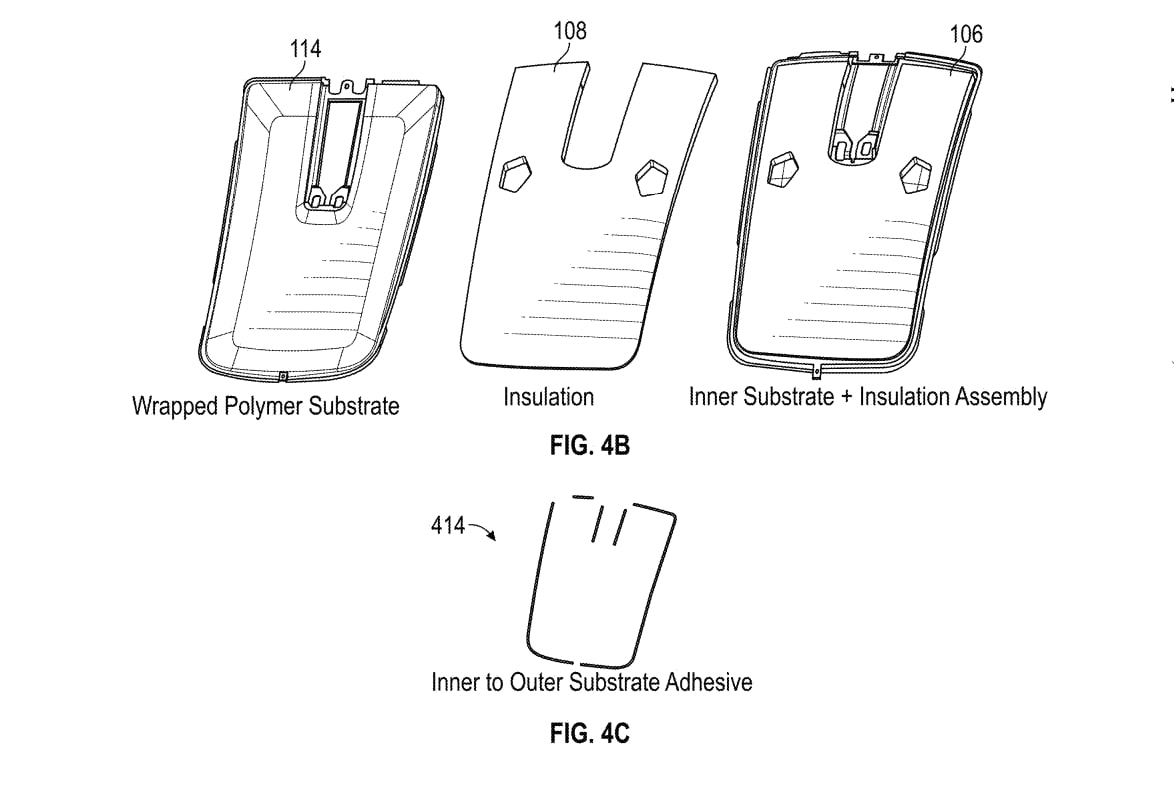
One of the challenges Tesla seems to be aware of with this type of roof design is the fact that it will still have to enable safety and keep that at the forefront of the design. As you can see in the illustration above, Tesla plans to use four layers to increase safety and rigidity, while also combating noise and vibration.
It notes in the patent that disclosed examples still meet the safety requirements outlined in the Federal Motor Vehicle Safety Standards (FMVSS).
Starlink integrated directly into Tesla vehicles would be a considerable advantage for owners. It would come with a handful of distinct advantages.
Initially, the inclusion of Starlink would completely eliminate cellular dead zones, something that is an issue, especially in rural areas. Starlink would provide connectivity in these remote regions and would ensure uninterrupted service during road trips and off-grid adventures.
It could also be a critical addition for Robotaxi, as it is crucial to have solid and reliable connectivity for remote monitoring and fleet management.
Starlink’s growing constellation, thanks to SpaceX’s routine and frequent launch schedule, will provide secure, stable, and reliable internet connectivity for Tesla vehicles.
Although many owners have already mounted Starlink Mini dishes under their glass roofs for a similar experience, it may be integrated directly into Teslas in the coming years, either as an upgrade or a standard feature.
The post Tesla hints at Starlink integration with recent patent appeared first on TESLARATI.