
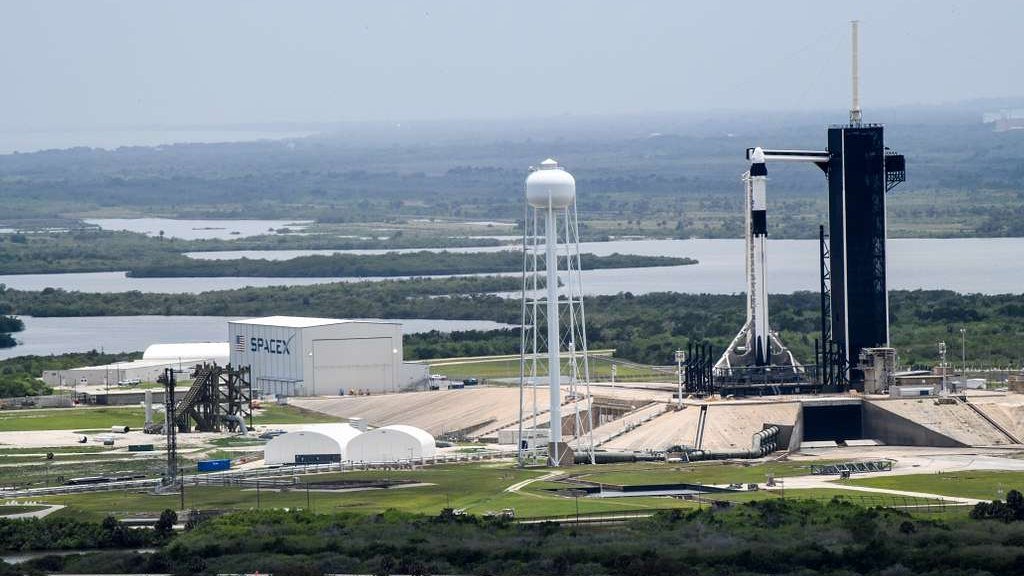
The Real Reason SpaceX Chose Louisiana: SpaceX’s Louisiana expansion could become one of the most important developments in the company’s long-term Starship strategy. While Starbase in Boca Chica, Texas, has played a critical role in developing and testing the Starship rocket, the facility faces an increasingly important limitation: available space.
As SpaceX moves toward its ambitious goal of making humanity a multiplanetary species, the company needs an infrastructure network capable of supporting an unprecedented number of rocket launches, vehicle manufacturing operations, propellant production, and transportation activities.
That is where Starbase 2 in Louisiana comes into the picture.
SpaceX has acquired approximately 125,000 acres of land in Louisiana, creating a potential mega-spaceport that is around 125 times larger than the roughly 1,000-acre Starbase Texas facility. The enormous site near Pecan Island in Vermilion Parish could give SpaceX the land, launch flexibility, infrastructure, and resources required for high-frequency Starship launches.
Why SpaceX Needs a Second Starbase
The Texas Starbase has been instrumental in the development of Starship. However, as the number of launches increases, the limitations of a relatively compact coastal facility become more significant.
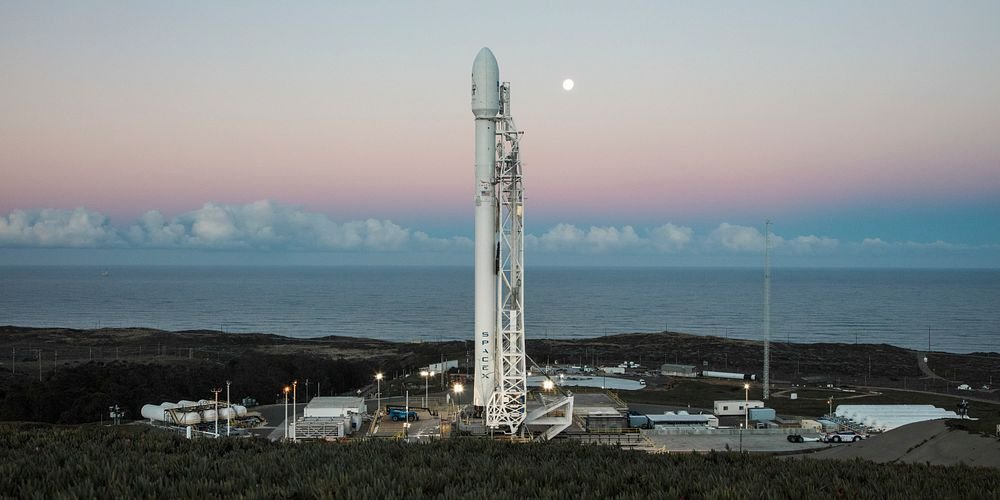
A future Starship operation will require much more than a launch pad. SpaceX needs multiple launch towers, manufacturing facilities, propellant plants, storage tanks, roads, transportation infrastructure, safety zones, and coastal protection systems.
The Louisiana property provides something Texas cannot easily provide: massive contiguous land with relatively low population density.
The planned site is centered around Pecan Island, an unincorporated community with only a few hundred residents. Its remote location provides a substantial buffer between rocket operations and populated areas, potentially reducing concerns involving rocket noise, launch safety, and industrial activity.
A Huge Difference in Scale
The difference between the two locations is dramatic:
- Starbase Texas: roughly 1,000 acres
- Starbase 2 Louisiana: approximately 125,000 acres
- Scale advantage: around 125 times larger
- The Louisiana property is also more than three times the size of Disney World
This enormous footprint could allow SpaceX to build an integrated aerospace manufacturing and launch complex rather than simply expanding an existing launch site.
Louisiana Offers Major Launch Trajectory Advantages
Land availability is only part of the reason Louisiana is strategically important. Orbital trajectory flexibility may be an even more significant factor.
Rockets cannot simply launch in any direction. During ascent, flight paths must account for populated areas, national borders, airspace, shipping lanes, and orbital requirements.
Starbase Texas Has a Narrower Launch Corridor
From South Texas, Starship launches face geographical constraints. The vehicle must initially follow a trajectory over the Gulf of Mexico and work within a relatively limited corridor before reaching its intended orbit.
This can make certain orbital inclinations more complicated to achieve.
Florida’s Kennedy Space Center offers excellent eastward launch opportunities, but it also has limitations for certain southern and polar trajectories.
Pecan Island Could Provide Greater Flexibility
The Louisiana location is strategically positioned near the Gulf of Mexico. From Pecan Island, SpaceX could potentially access different trajectories, including eastward and southward flight paths over open water.
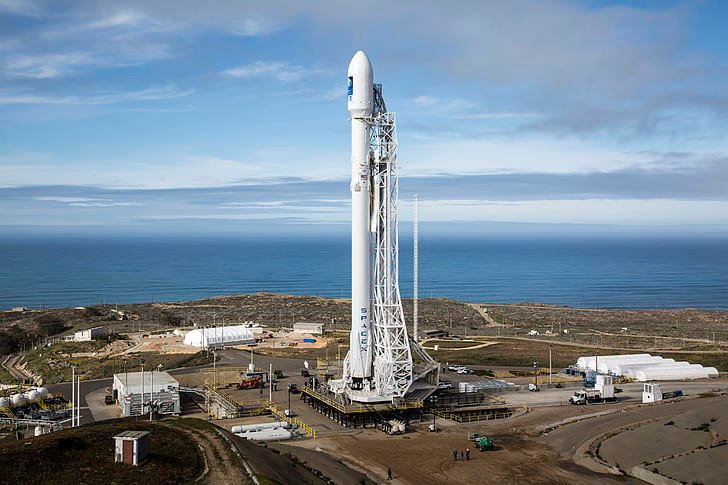
That flexibility could be particularly valuable for future Starlink satellite deployment.
Polar and near-polar orbits are important for achieving comprehensive global satellite coverage, while equatorial and lower-inclination orbits can serve different communications and operational requirements.
Having one facility capable of supporting multiple orbital regimes could significantly simplify SpaceX’s launch architecture.
Local Methane and Oxygen Production Could Transform Starship Operations
Another major advantage of Louisiana is its connection to the region’s historic oil and natural gas infrastructure.
Starship’s Raptor engines use liquid methane (CH₄) and liquid oxygen (LOX) as propellants. Since commercial natural gas consists largely of methane, the surrounding energy infrastructure could potentially support local fuel production.
The Pecan Island region has a long history of oil and gas activity, leaving behind pipelines, canals, processing infrastructure, and access to regional energy resources.
From Natural Gas to Rocket Fuel
A future integrated system could involve:
- Natural gas extraction or supply
- Methane purification
- Conversion and chilling into liquid methane
- Air separation to produce liquid oxygen
- Storage in large cryogenic tanks
- Direct delivery to Starship launch infrastructure
This could reduce SpaceX’s dependence on transporting enormous quantities of propellant by road.
At Starbase Texas, transporting cryogenic propellant can require a large number of tanker deliveries. A Louisiana facility with on-site propellant production could instead create a continuous fuel supply system.
That is crucial if SpaceX eventually wants to achieve very high Starship launch frequencies.
Starbase 2 Could Become a Massive Industrial Spaceport
The Louisiana project appears designed to be far more than another launch site. It could become a fully integrated Starship manufacturing and launch ecosystem.
Plans and concepts associated with the development include 10 or more launch pads or towers, expanded manufacturing facilities, storage infrastructure, transportation networks, and a deep-water port.
Manufacturing, Launch and Shipping in One Location
An expanded Starfactory could manufacture and assemble next-generation Starship vehicles at a much larger scale.
A deep-water shipping facility could also provide an efficient way to move rocket components, raw materials, and potentially completed hardware around the Gulf Coast.
The proposed infrastructure could include:
- Multiple Starship launch towers
- Expanded Starship manufacturing buildings
- Cryogenic propellant storage
- Autonomous transportation systems
- Roads and industrial infrastructure
- Potential aviation facilities
- Coastal levees and flood-control systems
- A deep-water shipping port
The project could also generate thousands of jobs, ranging from engineers and technicians to welders, pipe benders, construction workers, and industrial specialists.
Louisiana’s Biggest Challenge: Hurricanes and Coastal Erosion
Building a giant spaceport on the Louisiana coast comes with a major disadvantage: the environment itself.
The Louisiana coastline is highly vulnerable to coastal erosion, flooding, hurricanes, and storm surges. Some areas lose substantial amounts of land every year, creating a serious long-term challenge for any large industrial development.
SpaceX therefore needs to treat coastal protection as a core component of the project.
Marsh Restoration and Levee Systems
Potential solutions include wetland restoration, engineered levees, drainage improvements, and reinforced coastal barriers.
Healthy marshlands can absorb wave energy and provide natural protection against storms. Engineered dikes and levees can provide an additional defensive layer around critical infrastructure.
SpaceX may also have to address legacy industrial infrastructure from decades of oil and gas activity, including abandoned facilities and vulnerable canals.
Protecting the site is essential because the company could ultimately invest tens of billions of dollars into the region.
The Bigger Strategy: Moving Beyond Falcon 9
The most important reason for the Louisiana expansion may be SpaceX’s long-term transition toward Starship as its primary heavy-lift system.
Falcon 9 has successfully supported SpaceX’s satellite launch operations for years, particularly for Starlink. But Starship is designed to offer dramatically greater payload capacity and, eventually, rapid reusability.
If SpaceX wants to deploy and replace massive numbers of Starlink satellites while also supporting lunar missions, Mars missions, and other commercial payloads, it will need a launch infrastructure capable of operating at an entirely different scale.
Building an Industrial-Scale Launch Network
That means SpaceX cannot rely on a single compact launch facility.
Instead, the company needs multiple launch sites, multiple towers, high-volume manufacturing, local propellant production, efficient transportation, and rapid turnaround capabilities.
Louisiana potentially brings all of these elements together in one enormous location.
Why Louisiana Could Be Critical to SpaceX’s Future
The decision to develop a second Starbase in Louisiana is ultimately about scale.
Texas provided SpaceX with the environment needed to develop Starship. Louisiana could provide the physical infrastructure required to industrialize it.
The combination of 125,000 acres, low population density, flexible launch trajectories, natural gas infrastructure, Gulf Coast access, manufacturing potential, and room for expansion makes the Louisiana site strategically significant.
If SpaceX succeeds in turning the property into a high-frequency Starship launch and manufacturing hub, Starbase 2 could become a cornerstone of the company’s vision for reusable space transportation.
The goal is no longer simply to launch a rocket occasionally. SpaceX is working toward an aerospace system capable of launching, landing, refueling, manufacturing, and launching again at an unprecedented pace.
And that is the real reason SpaceX chose Louisiana: not just because it needs another launch pad, but because its long-term ambitions require an entire industrial-scale spaceport ecosystem.
FAQs
1. Why did SpaceX choose Louisiana for a new Starbase?
SpaceX chose Louisiana because the proposed site offers massive amounts of land, low population density, Gulf Coast access, flexible launch trajectories, and existing energy infrastructure. These factors could help the company support a much higher Starship launch cadence.
2. How large is SpaceX’s Louisiana property?
The proposed Louisiana site covers approximately 125,000 acres, making it dramatically larger than the roughly 1,000-acre Starbase facility in South Texas.
3. How much larger is Starbase 2 than Starbase Texas?
At approximately 125,000 acres, the Louisiana property is about 125 times larger than the roughly 1,000-acre Texas Starbase site.
4. Where is SpaceX’s Louisiana Starbase located?
The proposed facility is centered around Pecan Island in Vermilion Parish, Louisiana, near the Gulf of Mexico and the Freshwater City Canal.
5. What makes Pecan Island suitable for Starship launches?
Its remote location and relatively low population density provide SpaceX with a large safety buffer. Its position along the Gulf Coast also offers access to open-water launch corridors.
6. What launch advantages does Louisiana offer SpaceX?
The Louisiana location could provide greater orbital trajectory flexibility, potentially allowing Starship to target different orbital inclinations, including polar and equatorial orbits, from the same general launch complex.
7. Why are polar orbits important to SpaceX?
Polar and near-polar orbits are useful for achieving broad satellite coverage across the Earth. They could be particularly valuable for expanding and maintaining the Starlink satellite network.
8. Will SpaceX produce rocket fuel in Louisiana?
The planned industrial ecosystem could potentially include on-site methane purification and liquid oxygen production. This would allow SpaceX to produce or process important Starship propellants closer to the launch facilities.
9. What fuel does the Starship rocket use?
SpaceX’s Starship uses liquid methane (CH₄) and liquid oxygen (LOX) to power its Raptor engines. Methane can be derived from natural gas, which is abundant in the broader Gulf Coast region.
10. Why is natural gas infrastructure important for Starbase 2?
The Louisiana site has a history of oil and natural gas activity, meaning the surrounding region already has energy infrastructure and pipelines. This could potentially support a future rocket-fuel production and distribution system.
11. How many Starship launch facilities could SpaceX build in Louisiana?
Concepts for the large-scale facility have included 10 or more launch towers or pads, allowing SpaceX to operate multiple launch complexes and potentially increase Starship flight frequency.
12. Could Starbase 2 manufacture Starships?
Yes. The proposed development could include an expanded Starfactory with large manufacturing and assembly buildings designed to support production of next-generation Starship vehicles.
13. What environmental challenges does SpaceX face in Louisiana?
The biggest challenges include coastal erosion, hurricanes, flooding, and storm surges. Protecting the facility could require levees, dikes, wetland restoration, drainage improvements, and other coastal-defense measures.
14. How many jobs could the Louisiana Starbase create?
The project has been associated with estimates of thousands of jobs, potentially reaching around 10,000 positions as the facility expands. These could include engineers, technicians, welders, construction workers, and other aerospace and industrial specialists.
15. Why is Starbase 2 important to SpaceX’s future?
Starbase 2 could provide the industrial-scale infrastructure SpaceX needs to dramatically increase Starship operations. With large manufacturing facilities, multiple launch towers, local propellant infrastructure, transportation links, and enormous expansion capacity, Louisiana could become a major part of SpaceX’s long-term goal of high-frequency spaceflight and making humanity multiplanetary.
Read More:
- Tesla Full Self-Driving will now overtake manual driving to avoid disaster
- Tesla Robotaxi will be a 24/7 service: here’s when
- SpaceX Falcon 9’s Retirement Begins Totally Shocked the Industry, Why? Can Starship Replace?
- NEW TESLA MODEL 2 IS REAL! The Cyber Cab Trick That Could Destroy BYD, Ford & GM in 2026
- Tesla hints its already prepping for Cybercab fleet orders
1 thought on “The Real Reason SpaceX Chose Louisiana”