
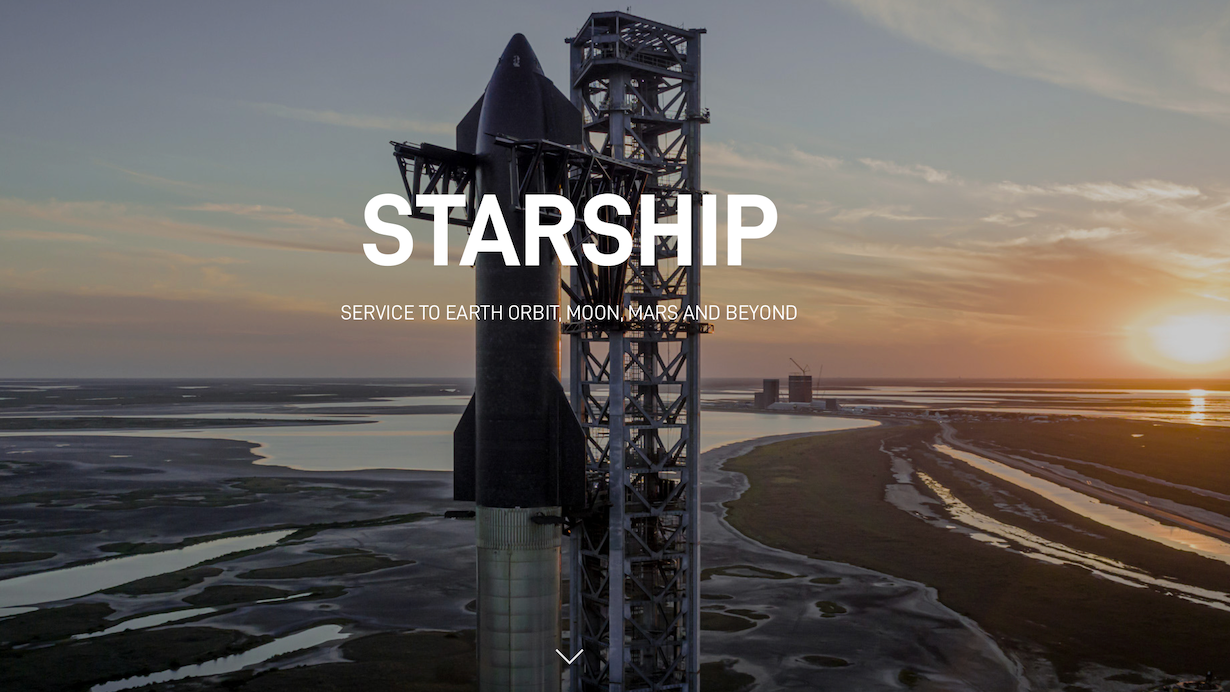
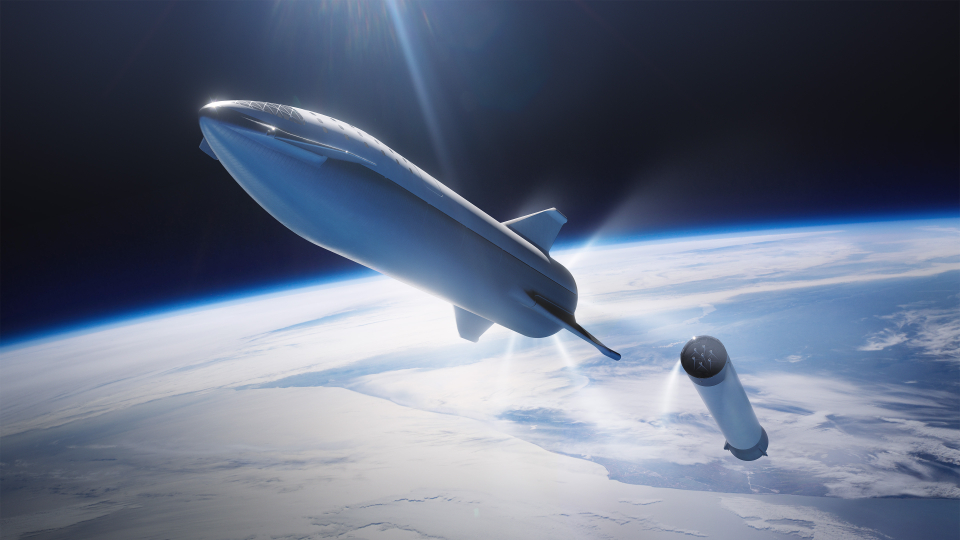
After months of anticipation, road closures, hardware movements, and visible preparations at Starbase, SpaceX has officially rolled out the first Starship V3 prototype—Ship S39—to the Massey test site. The new vehicle marks a major shift in the Starship program, signaling the beginning of a bold new chapter aimed at achieving full reusability.
At the same time, the broader space industry is witnessing pivotal developments. The U.S. Space Force has paused national security launches of ULA’s Vulcan Centaur, raising questions about competition in the heavy-lift market. Meanwhile, a Cargo Dragon spacecraft safely returned from the International Space Station (ISS) after completing a critical resupply and reboost mission.
Let’s break down what this means for SpaceX, Vulcan, and the future of orbital access.
Starship V3 Rolls Out: A Historic Moment at Starbase
The momentum began building on February 26, when a scheduled road closure from 10:00 a.m. to 2:00 p.m. hinted at significant activity underway. Daylight transport typically signals high-confidence operations, and this time was no different.
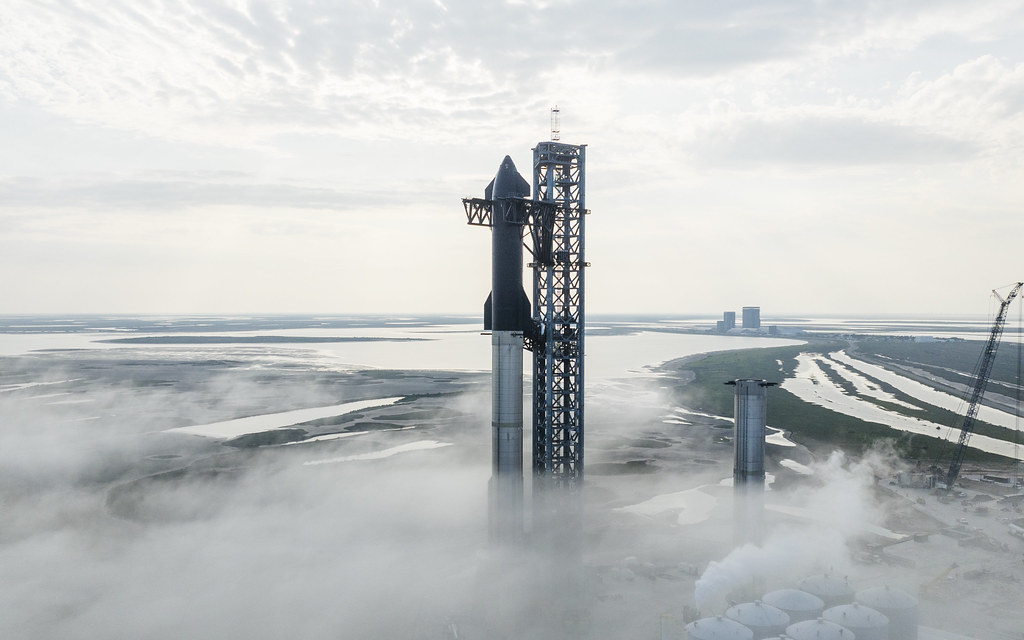
Ship S39 emerged from Mega Bay 2 and made the 3.5-hour journey to the Massey test site, where it was positioned inside a newly constructed steel framework at the static fire platform.
Soon after, SpaceX confirmed the milestone on X, stating:
“The first Starship V3 has left the build site to begin pre-launch testing.”
That wording was intentional. This is not simply another prototype iteration. It is officially designated Version 3.
Shortly after, Elon Musk reinforced the milestone, referring to S39 as Starship V3 SN1 and highlighting a defining objective:
Starship V3 is engineered to achieve full reusability.
This goal is central to SpaceX’s long-term vision—dramatically lowering launch costs while enabling Mars missions, lunar cargo operations, and global point-to-point travel.
Why the Return to Massey Matters
The rollout of S39 marks the resumption of full ship prototype testing at the Massey site.
After the S36 incident last year, operations at Massey were scaled back significantly. While cryogenic and tank testing continued, static fire operations were largely suspended.
Booster B19 recently became the first Super Heavy to resume testing after that extended pause. However, for ships, the last major cryogenic campaign occurred in July 2025 with S38.
S39 changes everything.
The return of full ship testing indicates:
- Static fire capability is restored
- Ground infrastructure has been upgraded
- Launch cadence is expected to increase
- Version 3 development is moving aggressively forward
March is shaping up to be one of the busiest months in Starbase history.
Starship V3: What’s New and Improved?
Starship V3 is not just a cosmetic update. It appears to incorporate significant structural, thermal, and operational upgrades.
1. A Fully Installed Heat Shield
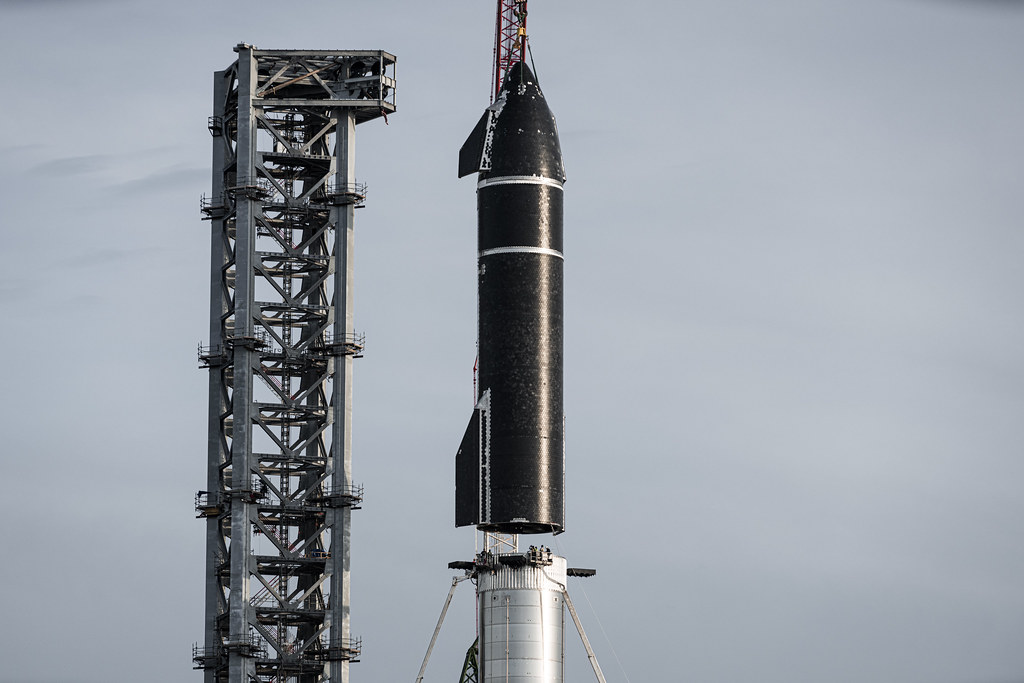
Unlike Version 2, which flew with exposed metallic sections and selectively removed tiles, V3 appears to feature a complete thermal protection system (TPS).
This suggests:
- Improved tile composition
- Enhanced mounting systems
- Greater durability for repeated re-entries
- Reduced maintenance turnaround
The familiar “crunch wrap” configuration remains, reinforcing structural continuity while supporting high thermal loads.
Full heat shield coverage signals confidence in durability—essential for reusability.
2. Strengthened Structural Reinforcement
Two prominent bracing elements along the hull appear more substantial than previous versions.
This likely indicates:
- Reinforced vertical load paths
- Increased tolerance to ascent stress
- Improved re-entry force handling
If Version 3 is designed for rapid reuse, structural robustness is non-negotiable.
3. Orbital Refueling Hardware
Beneath the payload door, visible connection points appear to support survivability testing for orbital refueling interfaces.
Orbital refueling is fundamental to deep space architecture, enabling:
- Lunar missions
- Mars transfers
- High-mass payload deployment
Without refueling capability, Starship’s interplanetary ambitions stall.
4. Potential Starlink Camera Mounting Points
Near the catching interface, there appears to be a shielded mounting location possibly intended for Starlink hardware or cameras.
If installed, cameras could provide:
- High-resolution views of heat shield performance
- Data on chopstick tower catches
- Improved insight into recovery operations
This would represent a leap forward in real-time engineering analysis.
Testing Timeline: When Will Starship V3 Launch?
With S39 now at Massey, testing is expected to proceed in phases:
Step 1: Structural Load Validation
Baseline structural integrity checks ensure the vehicle can withstand propellant loads and launch stress.
Step 2: Cryogenic Testing
Supercooled propellants will be loaded into the tanks.
During Booster B19’s cryogenic campaign, SpaceX conducted one of the most extensive cryo tests in years, replicating full launch conditions.
For S39:
- Frost formation will concentrate on lower tank sections
- The payload bay will remain mostly frost-free
- Partial fill tests may validate plumbing and pressure systems
Step 3: Engine Installation
After cryo validation, S39 will likely return to Mega Bay 2 for Raptor engine installation.
Step 4: Static Fire at Massey
Once engines are installed, S39 will return for its first static fire.
A mid-March static fire is plausible.
If successful, a late March launch remains possible, with early April as a conservative estimate.
Raptor 3 Engines: The Real Game-Changer
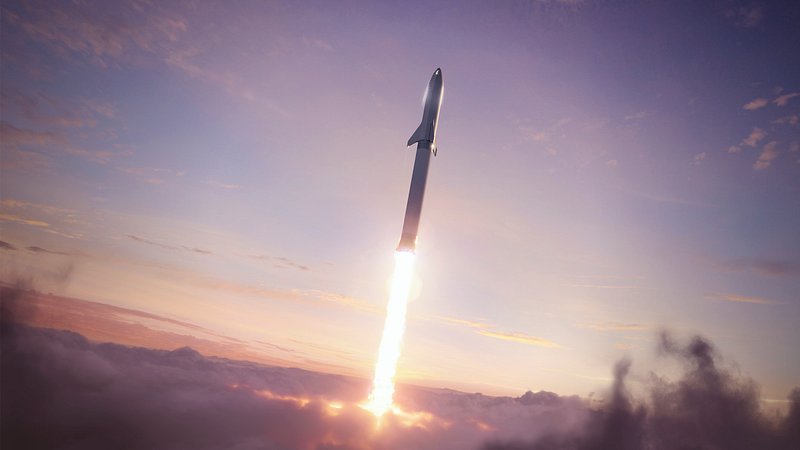
Version 3 is expected to debut the upgraded Raptor 3 engine, designed for:
- Higher efficiency
- Simplified plumbing
- Greater thrust
- Improved reliability
This is not incremental refinement.
It is a structural reset of the Starship architecture.
Meanwhile: Vulcan Centaur Faces a Major Pause
While SpaceX accelerates, United Launch Alliance faces mounting pressure.
In mid-February, ULA conducted the fourth flight of Vulcan Centaur. The payload reached orbit, but performance irregularities reappeared in one of the solid rocket boosters—echoing issues from the 2024 CERT-2 mission.
Although the core stage compensated and the mission succeeded technically, recurrence of the anomaly raised concerns.
In response, the United States Space Force paused all national security launches on Vulcan until the issue is resolved.
Colonel Eric Zarbinsky stated:
“Until the anomaly is solved, we will not be launching Vulcan missions.”
This is not a minor delay—it’s a full suspension.
What This Means for National Security Launches
Under Phase 2 of the National Security Space Launch (NSSL) Program, ULA holds a substantial mission share.
Now:
- Defense missions are on hold
- Investigation may take months
- Vulcan could be sidelined for the remainder of the year
ULA does maintain commercial contracts, including launches for Amazon’s Kuiper constellation and Sierra Space’s Dream Chaser.
However, defense and intelligence missions form the backbone of ULA’s revenue.
Could Atlas V bridge the gap?
Not realistically.
The vehicle is nearing retirement, inventory is limited, and remaining missions leave little flexibility.
If Vulcan remains grounded, launch reallocation becomes likely.
The primary beneficiaries?
- SpaceX Falcon 9
- SpaceX Falcon Heavy
Both already operate at high cadence for defense payloads.
This moment could significantly reshape competitive positioning ahead of Phase 3 of NSSL.
Cargo Dragon CRS-33: A Quiet but Powerful Milestone
While Starship testing and Vulcan suspension dominate headlines, another major achievement deserves attention.
On February 26, at 12:05 p.m. Eastern, a SpaceX Dragon spacecraft undocked from the International Space Station.
The CRS-33 mission concluded a 185-day stay at the station.
Splashdown Success
After departure burns and deorbit maneuvers, Dragon safely splashed down off the coast of Southern California at 11:45 p.m. Pacific.
The mission proceeded without incident.
Dragon’s New Capability: ISS Reboost Operations
CRS-33 introduced a powerful new feature.
Dragon’s modified trunk includes:
- An independent propellant system
- Two dedicated Draco engines
While docked, Dragon performed six ISS reboosts, delivering a total of 9,034 meters per second of velocity to maintain station altitude.
Historically, these maneuvers were performed by Russian Progress spacecraft.
Now, NASA has a U.S.-based alternative.
This provides:
- Strategic redundancy
- Reduced reliance on international partners
- Increased operational resilience
As the ISS enters its later service years, flexibility becomes increasingly important.
March: A Turning Point in Modern Spaceflight
We are witnessing:
- The return of full Starship ship testing
- Debut of Version 3 architecture
- Raptor 3 engine integration
- Vulcan’s pivotal regulatory challenge
- Expanded Dragon capabilities
For SpaceX, this is not a small upgrade cycle.
It is a new phase of operational maturity.
Starship V3 is engineered for full reusability.
Dragon is expanding orbital infrastructure support.
Falcon continues dominating launch cadence.
Meanwhile, ULA faces one of the most consequential investigations in its history.
What Happens Next?
Key milestones to watch:
- Booster B19 static fire
- Ship S39 cryogenic testing
- First Raptor 3 static fire
- Launch date confirmation
- Space Force findings on Vulcan
If S39’s testing proceeds smoothly, we could see the first Starship V3 flight within weeks.
That would mark:
- The operational debut of a new generation
- A potential leap in reusability capability
- Another acceleration in SpaceX’s long-term Mars strategy
Final Thoughts: A New Chapter Begins
The rollout of Starship V3 is more than another prototype move.
It signals:
- Restored testing capacity
- Renewed momentum
- A structural redesign aimed at full reusability
- An intensifying competitive landscape
As Dragon reinforces ISS reliability and Vulcan navigates uncertainty, SpaceX continues advancing at remarkable speed.
All eyes are now on Massey.
Will the static fire ignite on schedule?
Will Raptor 3 perform as expected?
Will Version 3 prove the leap forward Musk envisions?
One thing is certain:
The next phase of Starship development has officially begun.
And the countdown is underway. 🚀
FAQs
1. What is Starship V3?
Starship V3 is the latest evolution of SpaceX’s fully reusable spacecraft system developed by SpaceX. It represents a structural and performance upgrade over previous versions, engineered specifically to achieve full reusability and support deep-space missions.
2. What makes Starship V3 different from Version 2?
Starship V3 features a more complete thermal protection system (heat shield), stronger structural reinforcements, upgraded plumbing, and is expected to debut the more advanced Raptor 3 engines. Unlike Version 2, V3 appears designed for operational durability rather than experimental testing.
3. Who announced the rollout of Starship V3?
The rollout was publicly reinforced by Elon Musk, who referred to Ship S39 as “Starship V3 SN1” and emphasized that the new design aims for full reusability.
4. What is the purpose of the Massey test site?
The Massey test site at Starbase is used for cryogenic testing and static fire engine tests. It validates structural integrity and engine performance before a launch attempt.
5. When is Starship V3 expected to launch?
If testing proceeds without delays, a late March launch is possible, though early April is considered a more conservative estimate. The schedule depends on successful cryogenic testing and static fire completion.
6. What is a static fire test?
A static fire test involves igniting the rocket’s engines while the vehicle remains secured to the ground. This confirms engine performance, propellant flow stability, and structural resilience before flight.
7. What are Raptor 3 engines?
Raptor 3 is the latest version of SpaceX’s methane-fueled rocket engine. It is designed to offer greater efficiency, simplified design, higher thrust output, and improved reliability compared to earlier Raptor versions.
8. Why is full reusability important?
Full reusability dramatically reduces launch costs, increases flight cadence, and supports long-term goals such as Mars colonization and sustained lunar missions.
9. What happened to ULA’s Vulcan Centaur rocket?
The heavy-lift Vulcan Centaur, developed by United Launch Alliance**, experienced recurring solid rocket booster irregularities during recent flights, prompting concern from defense customers.
10. Why did the U.S. Space Force pause Vulcan launches?
The United States Space Force paused national security missions on Vulcan until the booster anomaly is fully investigated and resolved. This is a full suspension, not just a minor delay.
11. Could SpaceX benefit from Vulcan’s suspension?
Yes. If Vulcan remains grounded, missions under the National Security Space Launch program could be reassigned to SpaceX’s Falcon 9 or Falcon Heavy, both of which already serve defense payloads.
12. What is CRS-33?
CRS-33 is a cargo resupply mission flown by the SpaceX Dragon to the International Space Station. It delivered supplies and scientific research materials and later returned safely to Earth.
13. How long did Dragon stay docked to the ISS?
The Dragon spacecraft remained attached to the ISS for approximately 185 days (around six months) before undocking and returning to Earth.
14. What new capability did Dragon demonstrate?
Dragon introduced an independent propellant system with dedicated Draco engines capable of performing ISS reboost maneuvers, helping maintain the station’s orbital altitude.
15. Why is Dragon’s reboost capability important?
Historically, Russian Progress spacecraft handled reboost operations. Dragon’s capability adds redundancy and reduces reliance on external partners, strengthening NASA’s operational flexibility.
16. What does this mean for the future of Starship?
Starship V3 represents a structural reset aimed at rapid reuse and long-term sustainability. If successful, it will accelerate lunar missions, Mars planning, and large-scale satellite deployment.
17. Why is March considered a critical month for SpaceX?
March may include multiple static fire campaigns, the debut of Raptor 3 engines, and potential launch preparations for Starship V3. It marks a high-intensity phase in the next generation of Starship development. 🚀
Read More:
- 2026 Tesla Model 3 Big Changes: New Interior & $2,000 FSD Upgrade Still Available?
- Tesla Full Self-Driving v14.2.2.5 might be the most confusing release ever
- SpaceX President Gwynne Shotwell details xAI power pledge at White House event
- Tesla workers push back against Giga Berlin unionization
- Tesla ships out update that brings massive change to two big features
- Elon Musk Announces 2026 Tesla Optimus Bot Gen 3 Under $2,579