
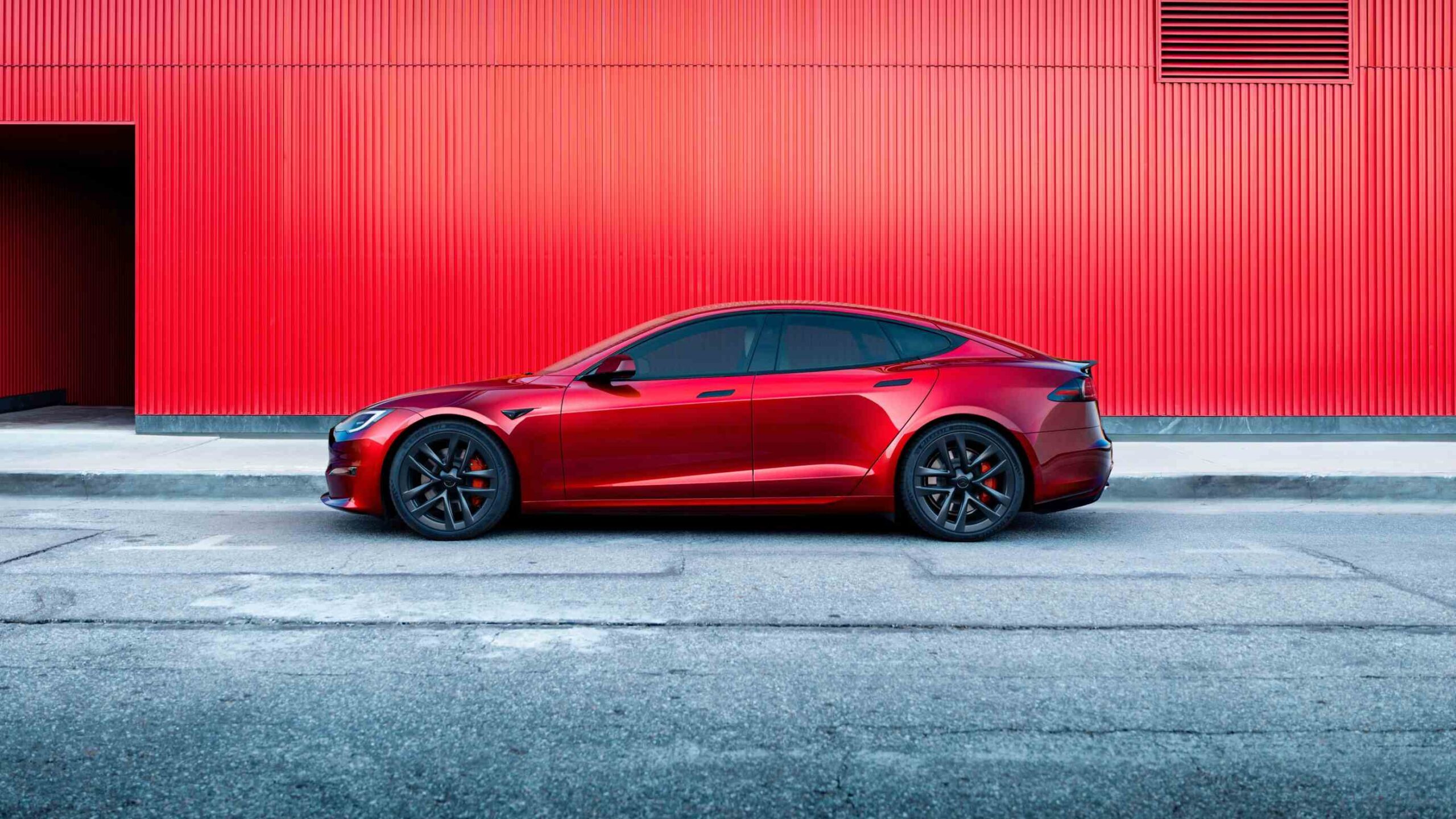
$17K Tesla Model 2 With an “Infinite” Battery! Elon Musk Just Broke the Game in 2026: Electric cars are on the brink of a transformation so monumental that it doesn’t just alter the automotive industry — it redefines mobility entirely.
In the second half of 2026, a new generation of electric vehicles (EVs) is poised to hit the world’s roads with a bold promise: ultra‑fast charging, unprecedented range, extreme durability, and costs once thought impossible. But to understand why this could be a revolution, we have to dig into the elephant in the room — and it has a name: lithium batteries.
In this deep‑dive blog post, we’ll explore the real limitations of lithium technology, the rising star of aluminum‑ion batteries, and how innovations like the rumored $17K Tesla Model 2 might finally deliver on the dreams of affordable, efficient, and truly practical electric mobility.
🧠 Why Lithium Batteries Became the Bottleneck of Electric Cars
Electric vehicles launched into society with a promise of freedom and sustainability — the idea that we could drive farther, cleaner, and cheaper than ever before. For a time, lithium‑ion batteries looked like the miracle tech to make that happen.
Yet today, that “miracle” is showing deep cracks.
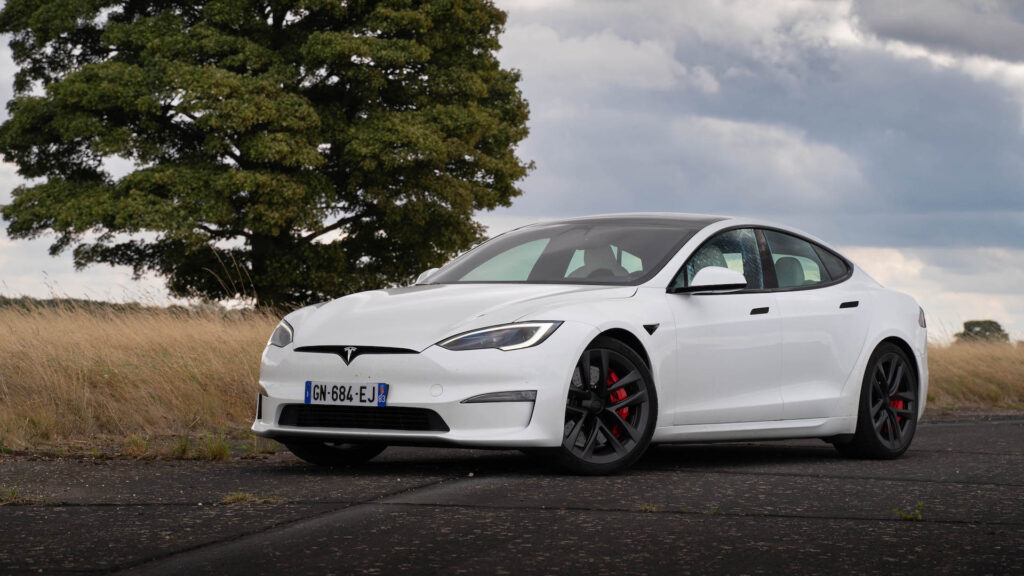
🔌 1. High Costs: Batteries Are the Price Drivers of EVs
Despite all the hype, the battery pack still makes up roughly 30%–40% of an EV’s total cost. That’s a huge chunk — especially when the goal is to make EVs affordable to the masses. When your battery alone carries that much cost, it keeps cars out of reach for the majority of buyers.
💡 In simple terms:
Even if a manufacturer could build the rest of the car cheaply, the battery keeps the price high — like buying a pizza where the cheese alone cost as much as the crust, toppings, and delivery combined!
This is why vehicles like older EVs have stayed expensive, despite advances in other areas.
🚗 2. Charging Reality Doesn’t Match the Dream
EV marketing often shows sleek cars gliding across deserts and highways without a care in the world. But on the ground?
- Long trips still involve long waits.
- Many charging stops hover around 40 minutes.
- If you’re lucky enough to find a working charger.
Compare that to gasoline cars: you fill up in under 5 minutes and move on. The romantic vision of “plug and go” still hasn’t materialized in the real world.
⚠️ In many countries — especially places like Brazil — charging infrastructure remains sparse. Long waits at stations plus limited availability make electric travel more of a logistical puzzle than a freedom experience.
⚡ 3. Lithium Hates Fast Charging
Fast charging looks great on paper: quick stops, more road time, no hassle. But there’s a cost.
Lithium cells degrade much faster under rapid charge cycles. Many drivers start noticing noticeable drops in range after roughly 1,000 cycles — and some start sooner. Faster charging brings:
- More stress on cell chemistry
- Increased heat
- Faster wear
📉 Result? Earlier maintenance, shorter battery life, and a sharply rising total cost of ownership.
It’s like buying a new car, knowing you’ll replace its most vital component much sooner than expected.
🔥 4. Safety Risks: Thermal Runaway Still Haunts Lithium Tech
One issue that many prefer to avoid talking about but can’t be ignored is battery safety.
Thermal runaway — a phenomenon where a damaged or overheated lithium cell triggers a chain reaction — can release:
- Extreme heat
- Toxic gases
- Explosive energy
Despite modern safety systems, this risk still exists — even in premium EV models. This reality makes some EV owners uneasy, especially when parking inside homes or underground garages.
In short: even the most expensive electric cars are not completely shielded from this Achilles’ heel.
🌍 5. Geopolitical Vulnerability: Lithium Supply Risks
Most of the global lithium supply — along with a majority of refining capacity — is tied to regions under Chinese influence. This creates:
- Supply bottlenecks
- Price volatility
- Trade vulnerabilities
💡 Even if an EV is made in the U.S., Germany, or Brazil, its core energy source often passes through China. That’s a strategic weak spot that industries don’t want — especially in times of trade tension and political sanctions.
And remember: this “white gold” of electric mobility has a supply chain that is far from green, transparent, or stable — with environmental and ethical extraction concerns adding to the controversy.
🔋 Enter the Game‑Changer: Aluminum‑Ion Batteries
If lithium is the technology that took EVs this far — but can’t take them further — then aluminum‑ion batteries might be the tech that finally breaks the ceiling.
Here’s why this rising tech is capturing attention:
⚡ 1. Charging in Minutes, Not Hours
The biggest promise of aluminum‑ion technology? Super‑fast charging:
⚡ 5–10 minutes to full charge. ⚡
Yes — minutes, not the 30–45 minutes we’re used to with lithium fast chargers.
Imagine this:
- Park your car
- Walk to a café
- Grab a coffee
- Return to a fully charged battery
That’s the future this technology is hinting at.
🔁 2. Massive Cycle Life — Up to 10,000 Recharges
Compared to lithium batteries that often start losing performance around ~1,500 cycles, aluminum‑ion tech could support 3,000–10,000 charge cycles.
📌 This means:
- Far longer life
- Lower battery replacement costs
- More value for fleet vehicles, taxis, rideshares, and heavy daily use cars
In practice, this translates to real savings — not just marketing slogans.
🔥 3. Safer Chemistry With Less Overheating
Aluminum‑ion batteries are intrinsically more thermally stable than lithium. That means:
- Lower fire risk
- Less catastrophic failures
- Higher overall safety
For consumers, this means confidence — not just convenience.
🌐 4. A Less Risky Supply Chain
- Widely available
- Economically abundant
- Supported by established global production
Countries like the U.S., Canada, and Australia boast strong aluminum reserves and infrastructure — reducing dependency on any single geopolitical region.
This helps:
- Reduce price volatility
- Increase supply resilience
- Lower logistical bottlenecks
A diversified supply chain means more predictable prices and fewer disruptions.
💰 5. Lower Material Costs With Better Recycling
Aluminum is:
- Cheaper than lithium as a raw material
- Easier to recycle
- Supported by existing industrial systems
This opens the door to:
- Lower long‑term production costs
- Less environmental footprint
- More circularity in battery reuse and end‑of‑life handling
Imagine a battery that becomes cheaper to produce and easier to recycle — that’s not just good engineering, it’s smart economics.
🚘 The Tesla Model 2: A Turning Point in Electric Mobility
Now let’s talk about one of the most exciting rumors in the EV world:
🔋 The Tesla Model 2 — expected to cost around $17,000 and possibly powered by aluminum‑ion batteries.
If this becomes real, it could rewrite the rules of electric cars forever.
💡 What Makes the Model 2 So Different?
This isn’t just another affordable EV — it’s potentially a vehicle with:
- Breakthrough charging times (5–8 minutes)
- Ranges of up to 1,000 km
- Life cycles up to 10,000 charges
- Up to 90% lower cost per kilometer than combustion cars
Think about that:
🔌 Charging like a gas stop.
📍 Driving long distances without range anxiety.
💸 Owning a car that’s economical in price and use.
This is what real mobility freedom looks like.
🧠 Why This Could Change the Market
Most electric cars today have trade‑offs:
✔️ Clean energy
❌ Long waits at chargers
❌ Big battery costs
❌ Degrading performance over time
The Model 2 could overturn all of these.
Instead of “electric cars are cheaper over time,” we might see:
🚘 Electric cars cheaper upfront, more durable, faster to charge, and smarter to operate.
That’s a level of practicality that gas cars can’t match.
📉 Tesla’s Strategic Play
Tesla isn’t just chasing short‑term hype — the brand is building long‑term value:
- Reducing dependence on unstable supply chains
- Making batteries that last longer
- Lowering costs for consumers
- Improving safety and trust
In other words, Tesla is not simply selling cars — it is selling confidence, reliability, and freedom.
🏁 Challenges Still Ahead
Of course, nothing revolutionary comes without hurdles.
⚙️ 1. Scaling Production
Lab breakthroughs don’t always translate to factories. Building aluminum‑ion cells at gigafactory scale means mastering:
- Precise manufacturing control
- High yields (low defect rates)
- Integration with vehicle systems
Any small deviation could impact performance or cost.
🔌 2. Integration With Vehicle Systems
New cells mean new:
- Thermal controls
- Electronic systems
- Software calibration
All of this requires careful testing — especially for safety and reliability.
🕒 3. Cost and Timing Pressures
Even if aluminum‑ion is cheaper long‑term, early production will still be expensive:
- New equipment
- Factory upgrades
- Training and quality control
Tesla will need to scale quickly or lose the first‑mover advantage.
🧩 4. Consideration of Hybrid Launch Strategies
Some industry analysts argue that Tesla might:
🚙 Launch Model 2 initially with lithium cells
🔁 Later transition to aluminum‑ion as production matures
This dual approach can reduce risk while gaining real‑world data before full transition.
🌎 Final Thoughts: A New Era of Electric Mobility?
Electric vehicles have grown by leaps and bounds — but until now, they’ve never delivered the ultimate dream:
- Affordable pricing
- Fast charging
- Long range
- Durable batteries
- Safe operation
- Predictable supply chains
If aluminum‑ion batteries and vehicles like the Model 2 deliver on even half of their promise, we’re not just witnessing evolution — we’re witnessing a revolution.
This is more than a new battery or a new car. It’s a seismic shift in how we think about travel, energy, and the future of transportation.
FAQs
1. What is the Tesla Model 2?
The Tesla Model 2 is an upcoming affordable electric car expected to cost around $17,000, featuring long-range capabilities and potentially powered by aluminum-ion batteries.
2. What makes the Tesla Model 2 different from other EVs?
It promises ultra-fast charging (5–8 minutes), up to 1,000 km range, lower cost per kilometer, and a long-lasting battery life compared to traditional lithium-ion EVs.
3. What are aluminum-ion batteries?
Aluminum-ion batteries are a new type of rechargeable battery that use aluminum ions instead of lithium, offering faster charging, longer lifespan, higher safety, and lower production costs.
4. How fast can aluminum-ion batteries charge?
Lab tests and prototypes suggest aluminum-ion batteries can fully recharge in just 5 to 10 minutes, compared to 30–40 minutes with traditional lithium batteries.
5. How long do aluminum-ion batteries last?
They can last between 3,000 to 10,000 charge cycles, which is 2–5 times longer than lithium-ion batteries.
6. Are aluminum-ion batteries safer than lithium batteries?
Yes, aluminum-ion batteries have much greater thermal stability, drastically reducing the risk of fires and catastrophic failures.
7. Will the Tesla Model 2 be affordable?
Yes, Tesla aims to price the Model 2 around $17,000, making it one of the most affordable EVs in the market.
8. How far can the Tesla Model 2 travel on a single charge?
The Model 2 is expected to have a range of up to 1,000 km on a full charge.
9. Can aluminum-ion batteries be recycled?
Yes, aluminum is easy to recycle, and battery cells can be designed for simpler disassembly, reducing environmental impact.
10. Why are lithium-ion batteries a problem for EVs?
Lithium batteries are expensive, degrade faster with fast charging, pose safety risks like thermal runaway, and rely heavily on geopolitically sensitive supply chains.
11. How does charging speed affect battery lifespan?
Fast charging accelerates degradation in lithium-ion batteries, leading to noticeable loss in range after roughly 1,000 cycles. Aluminum-ion batteries are more resistant to this issue.
12. How does aluminum-ion technology impact the supply chain?
Aluminum is abundant and widely distributed globally, reducing reliance on unstable regions and making supply chains cheaper, safer, and more predictable.
13. Can aluminum-ion batteries be produced at scale?
Scaling production is a challenge, but Tesla plans to manufacture aluminum-ion batteries efficiently to meet global demand while controlling costs.
14. How does the Tesla Model 2 compare to gasoline cars?
With fast charging, long range, and a low cost per kilometer, the Model 2 offers similar convenience to gasoline cars but with lower operating costs and zero emissions.
15. Will aluminum-ion batteries reduce EV maintenance costs?
Yes, their longer lifespan and lower degradation mean fewer replacements and lower long-term maintenance costs.
16. What is thermal runaway, and is it a risk for aluminum-ion batteries?
Thermal runaway is when a battery overheats and catches fire. Aluminum-ion batteries are much more thermally stable, greatly reducing this risk.
17. How does aluminum-ion technology affect charging infrastructure?
Faster charging reduces time spent at stations, minimizes queues, and improves efficiency for both individual users and fleets.
18. When will the Tesla Model 2 be available?
The Model 2 is expected to launch in the second half of 2026, although exact production timelines depend on battery scalability and manufacturing readiness.
19. Could aluminum-ion batteries enable new EV applications?
Yes, the long lifespan and fast charging make them suitable for autonomous taxis, fleet vehicles, and intensive daily use.
20. How will aluminum-ion batteries impact EV adoption worldwide?
By offering lower costs, faster charging, longer lifespan, and improved safety, aluminum-ion batteries could make EVs more accessible, practical, and appealing to a broader audience.
Read More:
- Starship Version 3 Heat Shield Upgraded to Survive 1,500°C Change Spaceflight Forever
- Elon Musk clarifies Tesla Cybertruck ’10 day’ comment, fans respond
- Tesla Pi Phone $199 Leak + “Lifetime” Starlink Internet + Aluminum-Ion 7-Year Battery + XOS (2026)
- NASA announced Artemis 2 Rocket Problem Fixed for 2nd WDR Test! The Countdown Begins
- Tesla Cyberbeast price drops to less than $100k but loses Luxe package with FSD
- Tesla Cybertruck owner credits FSD for saving life after freeway medical emergency