
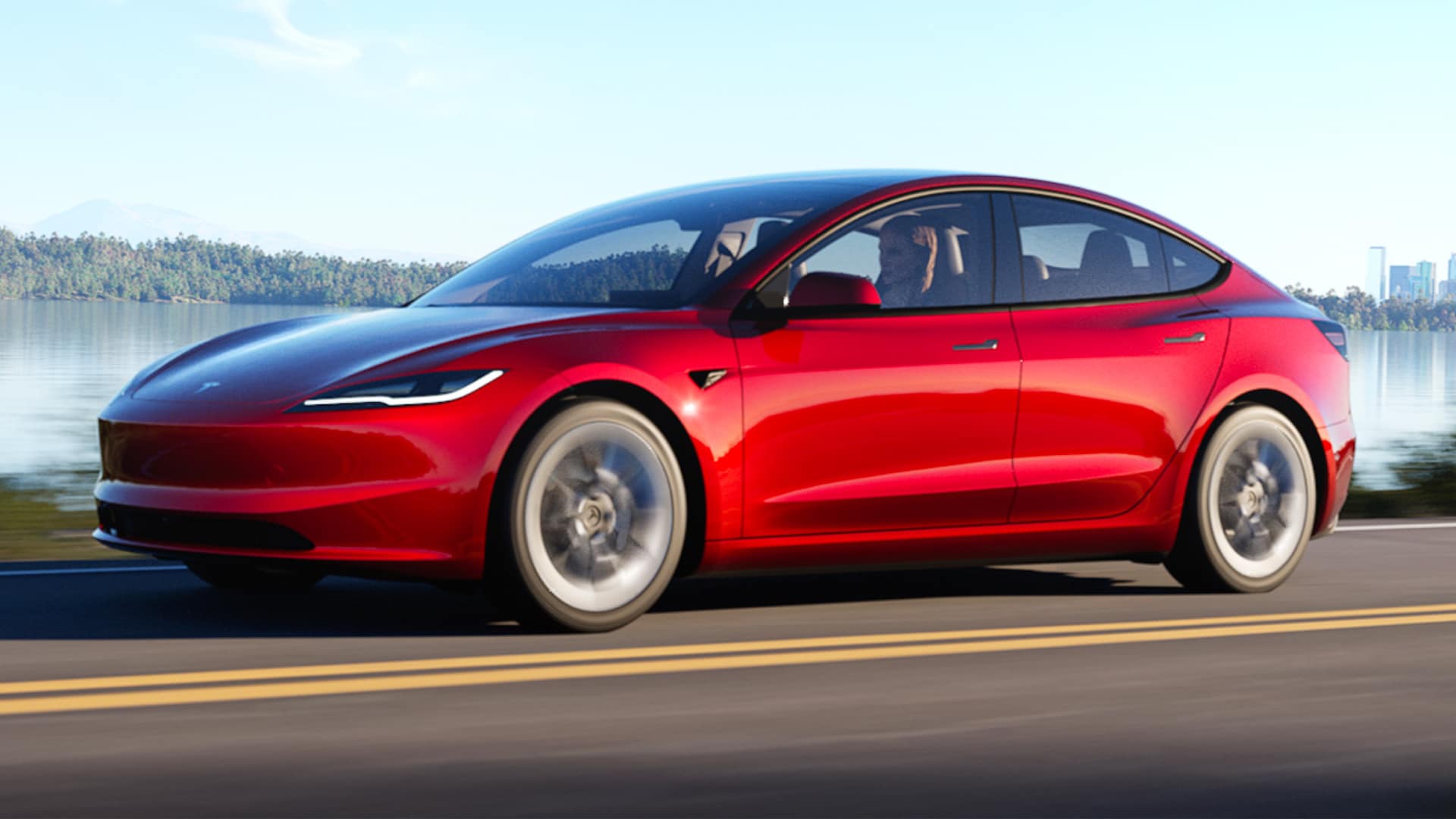
If you’re still unsure about switching from a gas-powered car to an electric vehicle, the real-world story of a 2018 Tesla Model 3 with 234,000 miles and under $3,000 in maintenance costs might be the clearest answer you’ll ever get.
In this in-depth guide, we’ll break down:
- Real-world reliability of the high-mileage Model 3
- True maintenance and operating costs
- The latest 2026 Tesla Model 3 interior upgrades
- The current status of Tesla’s $2,000 Full Self-Driving (FSD) transfer policy
- And whether you should buy a new Model 3 2026 or a used Model Y
We’ll also cover recent updates on the Cybertruck, resale value trends, and upcoming hardware improvements.
Let’s dive in.
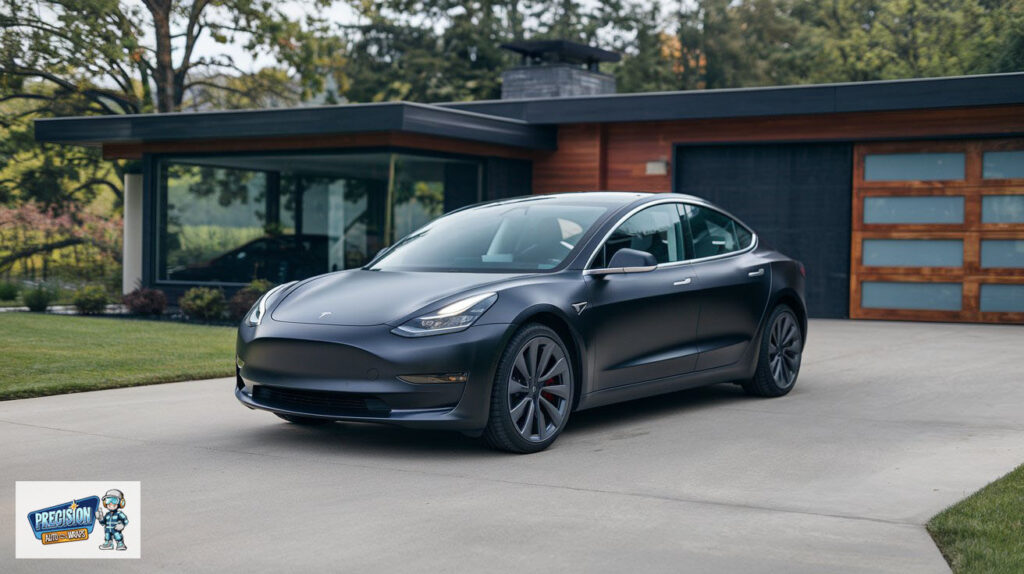
234,000 Miles in a Tesla Model 3: Real-World Proof EVs Last
The star of today’s discussion is a 2018 Tesla Model 3 that has accumulated an astonishing 234,000 miles.
Here’s the shocking part:
- Total maintenance cost: under $3,000
- Original brakes still intact
- No major drivetrain failures
- Still drives almost like new
For drivers coming from internal combustion vehicles, this sounds unbelievable. But for EV owners, it’s increasingly common.
Why Maintenance Is So Low
Traditional gas vehicles require:
- Oil changes
- Oil filters
- Spark plugs
- Belts
- Transmission servicing
- Exhaust system repairs
- Fuel system maintenance
Electric vehicles eliminate most of those items.
With the Model 3:
- The most frequent replacement? Tires
- Other recurring cost? Windshield washer fluid
- Largest single repair reported? Air conditioning compressor replacement (~$2,500–$3,000)
That’s it.
Regenerative Braking: The Hidden Cost Saver
One reason the original brakes lasted over 200,000 miles is regenerative braking.
Instead of relying solely on friction brakes, the car slows down using electric motor resistance — converting kinetic energy back into battery power.
The result?
- Dramatically reduced brake wear
- Lower long-term maintenance
- Higher efficiency
For high-mileage drivers (30,000+ miles per year), this becomes a massive financial advantage.
Cybertruck Demand Surge & Hardware 5 Update
Before diving into the 2026 Model 3 refresh, it’s important to note what’s happening across Tesla’s lineup.
The all-wheel-drive version of the Tesla Cybertruck, priced around $59,000, has effectively sold out for the current allocation cycle.
Delivery estimates have reportedly been pushed far into 2027 — signaling overwhelming demand after Tesla introduced a lower-priced configuration.
Why the Sudden Rush?
Three major reasons:
- Upcoming AI Hardware 5 rollout in 2027
- Changes to FSD transfer policy
- Announced Cybertruck price increases
Tesla confirmed that Hardware 5 will significantly boost processing power and vision capabilities for autonomous driving.
Many buyers placed the $250 deposit hoping to secure a vehicle with the updated hardware.
The Cybertruck is now entering its most supply-constrained phase since launch.
2026 Tesla Model 3 Interior Refresh: What’s New?
Tesla has confirmed a mid-year refresh for the 2026 Model 3, bringing meaningful interior upgrades.
Black Alcantara-Style Headliner
Previously seen on the Tesla Model Y, the black headliner adds:
- A sportier feel
- Reduced glare
- A more premium cabin aesthetic
New 16-Inch Quad HD Display
The center display gets a major upgrade:
- Old resolution: 1920 x 1200
- New resolution: 2560 x 1440 (Quad HD)
This means:
- Sharper navigation visuals
- Crisper FSD visualizations
- Improved media experience
These updates were reportedly discovered within Tesla’s EU and China configuration resources, suggesting Gigafactory Shanghai may roll out the changes first.
New Paint Colors & Design Tweaks
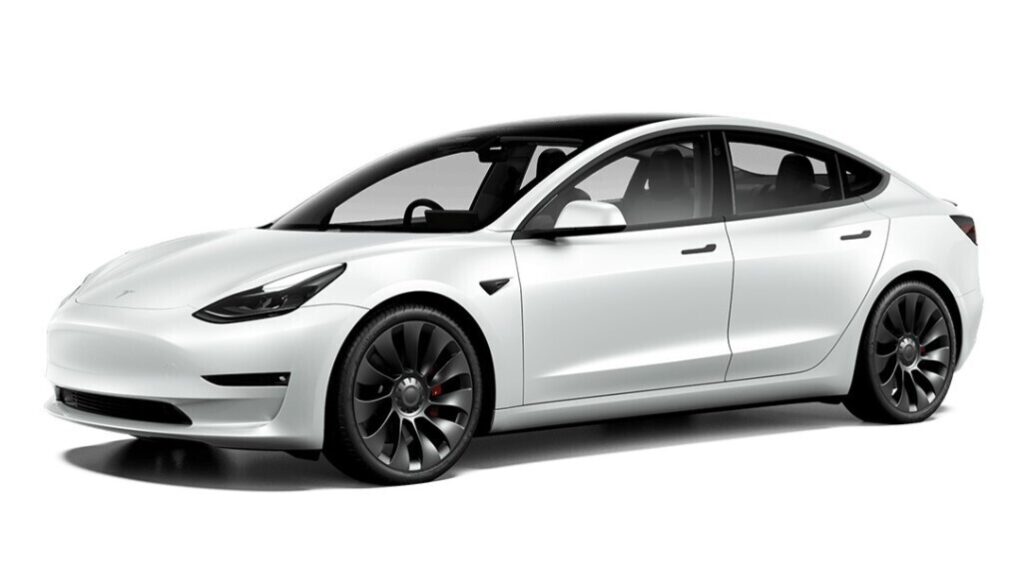
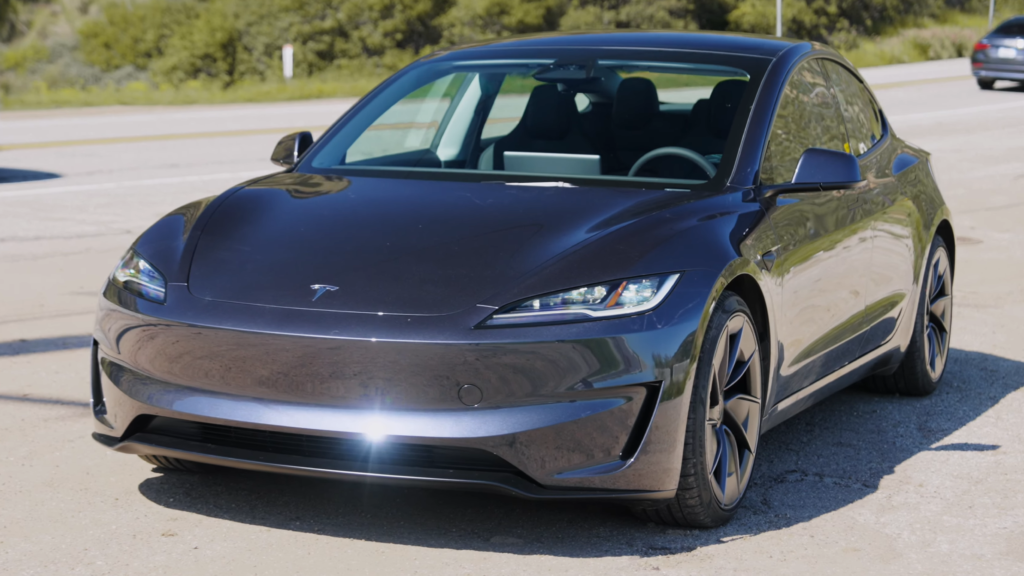
Recent sightings suggest a new Deep Blue Metallic color option is coming soon.
Combined with existing finishes like Ultra Red and Stealth Gray, the refreshed Model 3 looks more refined and modern than ever.
Subtle exterior updates include:
- Slimmer front profile
- Improved aerodynamics
- Updated light signatures
- Flush door handles
The design now feels slightly inspired by the Cybertruck’s angular language — but without going overboard.
Tesla Resale Value Is Rising
While many EV brands have seen resale values decline, Tesla’s used market is trending upward.
Recent reports show:
- Used Tesla prices up 4.3% since September
- Strongest gains in the Tesla Model S
- Significant increases in the Tesla Model X
The expiration of the $7,500 federal tax credit impacted pricing, but Tesla’s brand strength continues to support resale demand.
Even the 234,000-mile Model 3 received:
- $8,500 trade-in offer
- $500 loyalty bonus
That’s surprisingly strong for such high mileage.
Is the $2,000 FSD Transfer Still Available?
Now let’s address the big question:
Can you still upgrade to Full Self-Driving (FSD) for $2,000 and transfer it to a new Tesla?
Previously, Tesla allowed:
- Owners with Enhanced Autopilot (EAP)
- To upgrade to FSD for $2,000
- Then transfer FSD to a new vehicle
That policy has changed.
As of February 14th:
- FSD transfers are no longer broadly available
- Basic Autopilot is no longer bundled the same way
- FSD is now subscription-based (~$99/month after trial)
Tesla reports that FSD has accumulated:
- Over 8.2 billion real-world miles
- Equivalent to 13,000 miles per minute globally
Hardware 5, launching in 2027, promises even stronger autonomy performance.
2026 Model 3 vs Used Model Y: Which Should You Buy?
This is one of the most common buyer dilemmas.
Both vehicles come from Tesla. Both offer:
- Supercharger access
- Over-the-air updates
- Autopilot capability
- Strong range
But they are not the same experience.
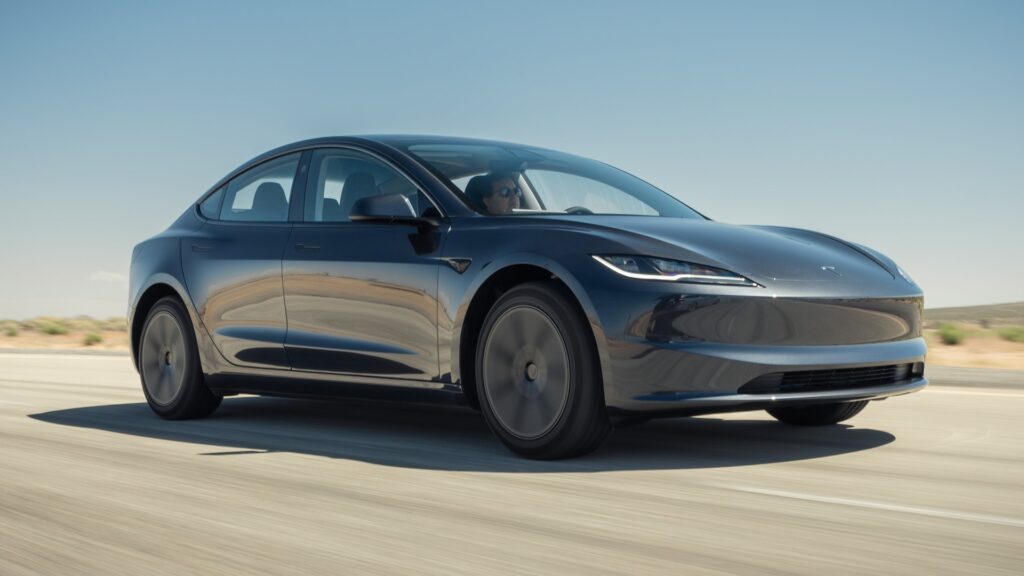
Efficiency & Range: Model 3 Wins
The 2026 Model 3 benefits from:
- Lower stance
- Improved aerodynamics
- Reduced drag
That translates to:
- More miles per kWh
- Lower charging costs
- Better highway stability
For commuters and long-distance drivers, the Model 3 is often the more efficient choice.
Performance: Sporty Sedan vs Practical Crossover
The Model 3 Performance trim delivers sports-car-level acceleration.
Advantages include:
- Lower center of gravity
- Sharper handling
- More planted cornering
- Faster 0–60 times than Model Y
The Model Y, being taller and heavier, simply can’t match the agility of the Model 3.
If driving feel matters, the Model 3 is the driver’s car.
Interior Experience: Premium Feel Elevated
The 2026 Model 3 upgrades include:
- Ventilated seats
- Black Alcantara-style headliner
- Panoramic glass roof
- Higher-resolution display
- Improved ambient lighting
Rear passengers benefit from a dedicated screen and refined materials.
The Model Y still wins in:
- Vertical cargo space
- Hatchback flexibility
- Family practicality
But many drivers don’t need that extra height.
Total Cost of Ownership: Think Long Term
A used Model Y may appear cheaper upfront.
But consider:
- Warranty coverage
- Efficiency differences
- Updated hardware
- Long-term resale value
A new Model 3 offers:
- Latest tech
- Full factory warranty
- Better efficiency
- Potentially lower long-term operating costs
When you factor in maintenance savings (as proven by the 234,000-mile example), the Model 3 makes a strong financial case.
Technology & Safety
Both vehicles benefit from Tesla’s ecosystem:
- Over-the-air software updates
- Advanced driver assistance
- Access to the Supercharger network
The Model 3’s lighter weight and lower profile may enhance agility during safety maneuvers.
Hardware updates and improved cameras continue strengthening Tesla’s autonomous capabilities.
Should You Buy the 2026 Tesla Model 3?
If you:
- Want the latest design
- Care about performance
- Prioritize efficiency
- Value long-term savings
- Prefer sporty driving dynamics
The 2026 Tesla Model 3 stands out as the smarter choice for most drivers.
If you:
- Need maximum cargo space
- Frequently carry multiple passengers
- Prefer a higher seating position
A used Model Y remains a practical alternative.
Final Thoughts: Is Switching to EV Worth It?
The 234,000-mile Model 3 story says more than any spec sheet ever could.
Minimal maintenance.
Strong resale value.
Continuous software updates.
Evolving hardware.
Electric vehicles are no longer experimental. They’re proving durable, efficient, and financially compelling over hundreds of thousands of miles.
With the 2026 refresh bringing:
- Premium interior upgrades
- Higher-resolution display
- Refined design
- Continued performance leadership
The Tesla Model 3 remains one of the strongest EV choices on the market today.
Now the real question is:
Is the latest 2026 Tesla Model 3 worth it to you?
Let us know your thoughts.
FAQs
1. How reliable is a high-mileage Tesla Model 3?
Real-world examples of the 2018 Tesla Model 3 show impressive durability. Some owners have exceeded 200,000–230,000 miles with minimal maintenance, often keeping original brakes thanks to regenerative braking.
2. What is the average maintenance cost of a Tesla Model 3?
Compared to gas vehicles, maintenance costs are significantly lower. Many high-mileage owners report spending under $3,000 over 200,000+ miles, mostly on tires, cabin filters, and occasional component replacements like an A/C compressor.
3. Does the Tesla Model 3 require oil changes?
No. As a fully electric vehicle, the Model 3 does not require oil changes, spark plugs, or transmission servicing like traditional gas-powered cars.
4. What’s new in the 2026 Tesla Model 3 interior?
The 2026 refresh includes:
- A black Alcantara-style headliner
- A new 16-inch Quad HD center display (2560×1440 resolution)
- Improved materials and fit-and-finish
- Enhanced ambient lighting
These updates give the cabin a more premium and modern feel.
5. Is the 2026 Tesla Model 3 more efficient than the Model Y?
Yes. The Tesla Model Y is slightly taller and heavier, while the Model 3’s lower, more aerodynamic design typically delivers better efficiency and lower charging costs per mile.
6. Is the $2,000 FSD upgrade still available when trading in?
Tesla previously allowed certain owners to upgrade to Full Self-Driving (FSD) for $2,000 and transfer it to a new vehicle. However, that limited-time policy has changed. Currently, FSD is primarily offered as a subscription (around $99 per month after trial periods).
7. How many miles has Tesla’s FSD system driven in real-world conditions?
Tesla reports that Full Self-Driving has accumulated over 8.2 billion real-world miles globally, providing massive data for AI improvements.
8. What is Tesla Hardware 5 and when is it coming?
Tesla has confirmed that Hardware 5 (AI5) will begin rolling out in 2027. It is expected to deliver major improvements in processing power and autonomous driving capabilities.
9. Is the Tesla Cybertruck sold out?
The all-wheel-drive version of the Tesla Cybertruck has experienced overwhelming demand after recent pricing adjustments. Delivery timelines have reportedly extended significantly, indicating strong order volume.
10. How does the 2026 Model 3 compare in performance to the Model Y?
The Model 3, especially in Performance trim, accelerates faster and handles more sharply due to:
- Lower center of gravity
- Lighter weight
- Sport-tuned suspension
The Model Y prioritizes practicality over sporty dynamics.
11. Is a used Tesla Model Y better than a new Model 3?
It depends on your needs. A used Model Y may offer more cargo space and a higher driving position. However, a new Model 3 includes:
- Latest hardware
- Full warranty
- Better efficiency
- Updated interior refinements
12. How long do Tesla brakes last?
Because of regenerative braking, Tesla brake pads can last 150,000–200,000 miles or more, significantly longer than traditional gas vehicles.
13. Does Tesla offer good resale value?
Yes. Models like the Tesla Model S and Tesla Model X have recently shown strong resale performance. Tesla vehicles generally hold value well compared to many other EV brands.
14. What are the biggest maintenance expenses in a high-mileage Model 3?
The most common expenses include:
- Tire replacements
- Cabin air filters
- Occasional A/C compressor replacement
Major drivetrain failures are relatively rare compared to combustion vehicles.
15. Does the 2026 Tesla Model 3 have better technology than older models?
Yes. The 2026 refresh features:
- Higher-resolution display
- Updated interior materials
- Improved lighting and cabin refinement
- Ongoing over-the-air software updates
16. Is switching from a gas car to a Tesla Model 3 worth it?
For many drivers, yes. While the upfront purchase price may be higher, long-term savings in fuel, maintenance, and potential resale value often make the Model 3 financially compelling — especially for high-mileage drivers.
Read More:
- Tesla Full Self-Driving v14.2.2.5 might be the most confusing release ever
- SpaceX President Gwynne Shotwell details xAI power pledge at White House event
- Tesla workers push back against Giga Berlin unionization
- Tesla ships out update that brings massive change to two big features
- Elon Musk Announces 2026 Tesla Optimus Bot Gen 3 Under $2,579
1 thought on “2026 Tesla Model 3 Big Changes: New Interior & $2,000 FSD Upgrade Still Available?”