
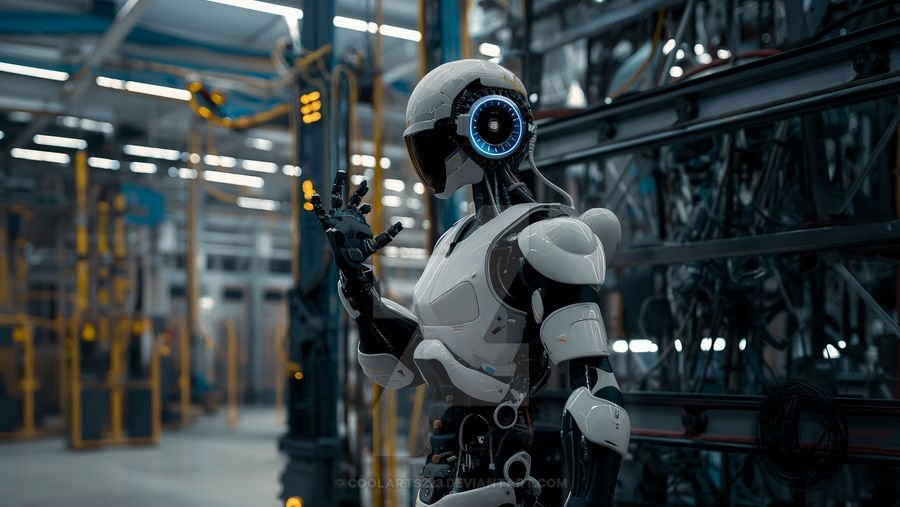
15,000 Tesla Bot Gen 3 Units Get INSANE Hand Upgrade For Cooking & Cleaning: The future of robotics is moving faster than ever, and Tesla Bot Gen 3 is becoming a major talking point in the race toward practical humanoid robots. With growing interest in advanced robotic hands, artificial intelligence, and automated household tasks, Tesla’s long-term vision could transform how people cook, clean, organize, and manage everyday responsibilities.
While large-scale production targets and specific hand-upgrade details require official confirmation, the idea of deploying thousands of capable humanoid robots highlights the enormous potential of modern robotics.
Behind this transformation is a manufacturing philosophy that has already reshaped the automotive industry. Just as Tesla has pursued highly automated vehicle production, the company could use similar industrial principles to manufacture humanoid robots at scale. The challenge is no longer simply building a robot that can walk. It is creating a machine that can safely interact with everyday objects, perform delicate tasks, and operate reliably in homes, factories, and commercial environments.
Tesla Bot Gen 3 and the Future of Humanoid Robotics
The next generation of Tesla’s humanoid robot, commonly known as Optimus, represents an ambitious effort to combine artificial intelligence, mechanical engineering, and high-volume manufacturing. Unlike conventional industrial robots that operate in fixed positions, humanoid robots are designed to move through human environments and use tools developed for people.
A more capable robotic hand could become one of the most important improvements in this development process. Human hands perform countless complicated movements, including grasping fragile objects, turning handles, folding clothes, and manipulating kitchen utensils. Reproducing these abilities requires sophisticated mechanical systems and intelligent software.
Why Robotic Hands Matter So Much
A humanoid robot’s usefulness depends heavily on its ability to interact with the physical world. Walking and balancing are important, but many household activities require precise finger movements and carefully controlled pressure.
An advanced robotic hand could potentially feature:
- Improved finger dexterity for picking up small objects.
- Tactile sensing to detect contact and estimate gripping pressure.
- Precision control for handling delicate kitchen items.
- Adaptive gripping for objects with different shapes and textures.
- AI-powered coordination that connects visual recognition with hand movements.
These capabilities could help future Tesla robots move beyond repetitive factory work and toward more complex real-world applications.
Can Tesla Optimus Help With Cooking?
Cooking is one of the most demanding household tasks for a humanoid robot because it combines object recognition, movement planning, timing, and safety. A robot must identify ingredients, open containers, manipulate utensils, and coordinate multiple actions without damaging equipment or creating dangerous situations.
A future Tesla Optimus robot equipped with more advanced hands could potentially assist with basic kitchen preparation. For example, it might retrieve ingredients, arrange utensils, move lightweight containers, or organize items on a countertop.
Preparing Ingredients and Handling Kitchen Tools
One possible application is ingredient preparation. With sufficiently capable sensors and software, a humanoid robot could identify common kitchen objects and pick them up using appropriate grip pressure.
It might also assist with tasks such as transferring packaged ingredients, placing dishes on a table, and organizing cooking equipment. However, handling sharp knives, hot pans, boiling liquids, and fragile glassware requires particularly strong safety systems and dependable manipulation skills.
The biggest challenge is reliability. A demonstration showing a robot completing one task does not necessarily prove that it can perform the same task consistently across different kitchens, ingredients, and unexpected situations.
Artificial Intelligence Could Make Household Assistance More Practical
Advanced AI could allow a robot to interpret instructions such as preparing a workspace, collecting ingredients, or cleaning a particular area. Computer vision could help it recognize objects, while motion-planning software could determine how to reach and manipulate them.
The combination of AI, tactile feedback, and precise hand control could eventually make humanoid robots more useful in domestic environments. Nevertheless, fully autonomous cooking remains a demanding engineering goal rather than a guaranteed capability of every upcoming robot generation.
Tesla Bot Gen 3 and Automated Cleaning
Cleaning is another promising application for humanoid robots because many cleaning activities involve repetitive movements and familiar household objects.
A robot with improved hands could potentially pick up toys, collect laundry, move lightweight items, organize shelves, and place objects in designated locations. These activities may appear simple, but they require a robot to recognize objects, understand its surroundings, and avoid obstacles.
Folding Clothes and Organizing Rooms
Laundry presents a particularly interesting challenge. Clothing changes shape when handled, making it more difficult to manipulate than rigid objects such as boxes or cups.
A capable robotic hand would need to grip fabric without pulling it excessively, identify useful contact points, and coordinate movements between both hands. Similar capabilities could help with folding towels, organizing clothing, or placing laundry into baskets.
Tactile sensing and improved finger coordination could be essential for these applications.
Household Cleaning and Object Recognition
A humanoid robot could potentially collect scattered objects, wipe accessible surfaces, or move lightweight items before cleaning. It would also need to recognize which objects should remain untouched and distinguish between different materials.
For example, moving a soft cushion requires a different approach from lifting a glass ornament. Reliable object recognition and force control would help reduce accidental damage.
Although these tasks are technically challenging, they illustrate why robotic manipulation is a central focus in the development of useful household robots.
Can Tesla Manufacture 15,000 Optimus Robots?
The idea of producing 15,000 Tesla Bot Gen 3 units highlights the importance of manufacturing capacity. However, that specific production figure should not be treated as a confirmed delivery total or official manufacturing milestone without a reliable announcement from Tesla.
Building humanoid robots in large quantities requires a different production system from assembling traditional cars. Robots contain numerous actuators, sensors, electronic components, structural parts, and precision mechanisms that must work together reliably.
Automation Could Reduce Manufacturing Costs
Tesla’s experience in vehicle manufacturing could provide useful lessons for robotic production. Standardized components, automated assembly, quality-control systems, and efficient supply chains could help increase output.
Potential manufacturing priorities include:
- Modular robot components that simplify assembly and maintenance.
- Automated testing for motors, joints, sensors, and hands.
- Consistent component quality across production batches.
- Scalable assembly lines that support increasing demand.
- Software updates that improve capabilities after deployment.
If Tesla successfully scales production, manufacturing efficiency could become a major factor in determining the eventual cost of humanoid robots.
How Tesla Optimus Could Transform Everyday Life
The long-term appeal of humanoid robots lies in their potential to perform useful tasks in environments designed for humans. A robot that can navigate a home, operate familiar tools, and manipulate everyday objects could support a wide range of activities.
In households, possible applications include organizing rooms, retrieving items, and assisting with routine chores. In workplaces, humanoid robots could help move materials, perform repetitive handling tasks, and support manufacturing operations.
However, practical adoption will depend on more than impressive demonstrations. Safety, reliability, affordability, battery life, maintenance, and privacy will all influence whether these machines become common household assistants.
Robots must also demonstrate that they can handle unexpected situations without requiring constant human supervision.
The Road Ahead for Tesla’s Humanoid Robots
The development of Tesla Optimus reflects a broader shift toward combining robotics with increasingly capable AI systems. Advanced hands could be particularly important because dexterity connects a robot’s digital intelligence with real-world action.
If future generations achieve reliable object manipulation, better tactile feedback, and safer autonomous behavior, cooking assistance and household cleaning could become increasingly realistic applications.
Still, specific claims about Gen 3 hand upgrades, a 15,000-unit production milestone, or fully autonomous household performance should be distinguished from confirmed company announcements.
The real breakthrough will be consistency: a robot that can complete useful tasks safely and repeatedly, not simply perform them once in a controlled demonstration.
Ultimately, Tesla’s humanoid robotics ambitions will depend on successfully combining engineering, software, manufacturing, and practical usefulness. If those pieces come together, robots could gradually move from specialized industrial environments into homes and everyday workplaces, changing how people approach repetitive physical tasks.
FAQs
1. What is Tesla Bot Gen 3?
Tesla Bot Gen 3, also known as a potential next-generation version of Tesla Optimus, refers to the development of humanoid robots designed to perform physical tasks using artificial intelligence, sensors, and robotic mechanisms. Specific Gen 3 features should be confirmed through official Tesla announcements.
2. Can Tesla Bot Gen 3 cook food?
A future Tesla Optimus robot could potentially assist with basic food preparation, ingredient handling, and organizing kitchen tools. Fully autonomous cooking would require advanced hand dexterity, reliable object recognition, and strong safety systems.
3. What is special about the Tesla Optimus robotic hand?
An advanced robotic hand could combine multiple moving fingers, precision actuators, tactile sensors, and intelligent grip control. These technologies could help the robot manipulate objects of different sizes, shapes, and textures.
4. Is Tesla producing 15,000 Bot Gen 3 units?
The claim that Tesla will produce 15,000 Gen 3 robots should be treated as unconfirmed unless supported by an official announcement or reliable reporting. Production targets and completed manufacturing totals are not the same.
5. Can Tesla Optimus clean an entire house?
A capable humanoid robot could potentially help with picking up objects, organizing rooms, handling laundry, and wiping accessible surfaces. Cleaning an entire house autonomously would require dependable navigation, manipulation, and decision-making.
6. How could improved robotic hands make cooking easier?
Improved hands could help a robot grip utensils, open containers, move ingredients, and handle lightweight kitchen objects. Tactile feedback and precise force control would be particularly important for avoiding spills and breakage.
7. What role does artificial intelligence play in Tesla Optimus?
Artificial intelligence (AI) helps a humanoid robot interpret its surroundings, recognize objects, plan movements, and respond to instructions. Combining AI with sensors and motor controls could allow Optimus to perform increasingly complex physical tasks.
8. Could Tesla Bot Gen 3 fold clothes?
Potentially, yes. Folding clothes requires recognizing fabric, identifying edges, controlling grip pressure, and coordinating movements between both hands. Advanced robotic manipulation could make this task possible, although consistent real-world performance remains a challenge.
9. Will Tesla Optimus replace household workers?
Humanoid robots could automate certain repetitive household tasks, but their ability to replace human workers would depend on cost, reliability, safety, and the complexity of the work. Many tasks still require human judgment, flexibility, and personal interaction.
10. How could Tesla manufacture thousands of humanoid robots?
Tesla could draw on its automotive manufacturing experience, using standardized components, automated assembly, robotic testing, and optimized production lines. Scaling production would also require reliable suppliers and strict quality control.
11. What sensors would a robotic hand need for delicate tasks?
A sophisticated robotic hand could use tactile sensors, force sensors, joint-position sensors, and visual feedback. Together, these systems could help the robot determine how firmly to grip an object and adjust its movements.
12. Can Tesla Optimus safely handle knives and hot cookware?
Handling knives and hot cookware presents significant safety challenges. A robot would need precise manipulation, reliable temperature and object detection, robust safeguards, and carefully tested software before such tasks could be performed safely.
13. Could Tesla Optimus help elderly people at home?
Humanoid robots could potentially assist with retrieving objects, organizing belongings, and performing selected household chores. Any use involving lifting people, medication management, or emergency response would require additional safeguards and proven reliability.
14. What are the biggest challenges facing Tesla Optimus?
Major challenges include robotic hand dexterity, battery life, manufacturing costs, software reliability, safe navigation, and real-world adaptability. The robot must perform tasks consistently in changing environments rather than only in controlled demonstrations.
15. Will Tesla Optimus become affordable for ordinary households?
The long-term goal of large-scale manufacturing could help reduce costs, but the final price will depend on hardware, software, production volume, maintenance, and operating expenses. An affordable household robot is a possibility, not a guaranteed outcome.
16. How could Tesla Optimus change the future of household automation?
If humanoid robots become reliable and affordable, they could help with cooking preparation, cleaning, laundry, organizing, and other repetitive chores. Their long-term impact will depend on how successfully manufacturers combine advanced AI, precise robotic hands, safety, and practical everyday performance.
Read More:
- SpaceX just combined Grok, Cursor, and X into one mega plan
- Tesla Roadster livestream: everything Tesla has revealed before Thursday night
- FAA kicks off review of SpaceX’s bid to fly Starship nearly every day
- Ukraine says Starlink is cutting out its military drones as Poland calls out Elon Musk
- Tesla’s New Motor Changes EVERYTHING! No Rare Earths Needed