

The wait is finally over: the Tesla Semi 2026 update has arrived, and it’s reshaping everything we thought we knew about long-haul trucking. After years of anticipation and incremental improvements, Tesla has pulled the curtain back on its most advanced heavy-duty electric vehicle to date. The 2026 model represents a leap forward in battery performance, payload capability, autonomous features, and charging infrastructure—all of which position it to become the new standard for sustainable freight.
In this comprehensive guide, we break down everything that’s new, everything that’s improved, and everything that makes this the most exciting commercial EV announcement of the decade.
A New Era for Long-Haul Transport
The transportation industry has been slowly shifting toward electrification, but the Tesla Semi 2026 update accelerates that shift dramatically. What once seemed impossible—electrifying heavy freight—now looks not only achievable but advantageous.
Why This Update Matters More Than Ever
Electric passenger vehicles have taken center stage for years, but freight plays an even bigger role in global emissions. Heavy trucks account for a significant portion of transportation pollution, and the Tesla Semi offers:
- Zero tailpipe emissions
- Reduced operational costs
- Lower noise pollution
- Improved driver safety
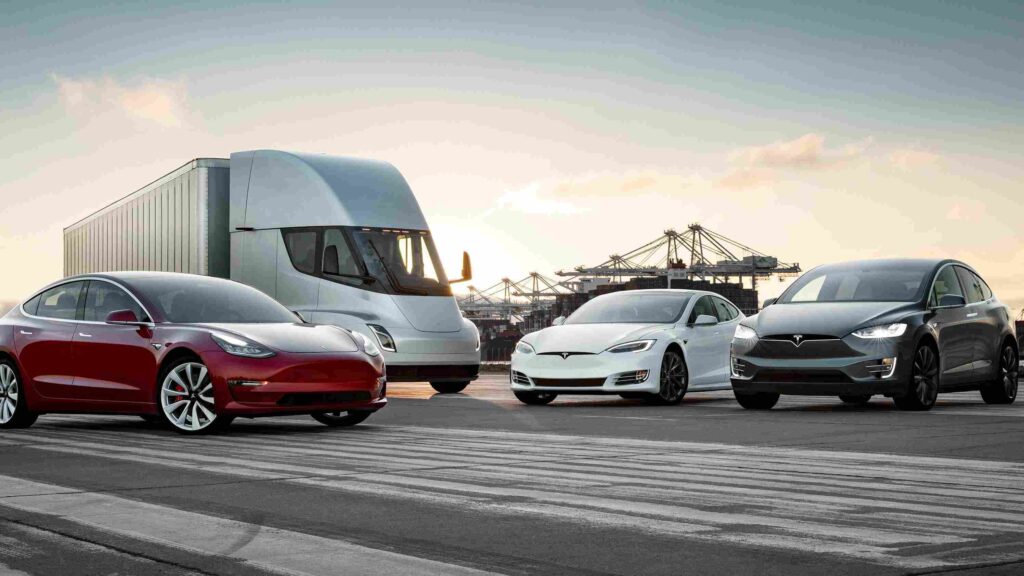
The 2026 update pushes all these benefits further, making the Semi more compelling for large fleets and independent operators alike.
Major Battery Upgrade—Longer Range, Faster Charging
Whenever Tesla updates a vehicle, the first question is always the same: What about the battery? The 2026 Semi delivers one of the biggest leaps in battery architecture Tesla has ever made.
Extended Range Options
Tesla now offers two range configurations:
- Base: ~500 miles real-world range
- Extended: ~650 miles real-world range
These aren’t just ideal-conditions estimates—they’re based on actual freight load testing. The 2026 update increases efficiency through aerodynamic refinements, improved thermal systems, and a new cell chemistry optimized for longevity.
Faster Megacharging Than Ever Before
Tesla’s Megacharger V2 network is rolling out in parallel with the Semi update, featuring:
- Up to 1.2 MW charging speeds
- 45–60 minutes for 70% recharge
- Smart load balancing to reduce grid strain
- Integrated thermal pre-conditioning
For fleet managers, this means minimal downtime and lower energy costs.
Enhanced Powertrain and Performance
Tesla’s original Semi already shocked traditional trucking manufacturers with its acceleration and torque. The 2026 model raises the bar once again.
Triple-Motor Powertrain Optimization
The Semi retains its tri-motor configuration, but with key upgrades:
- One motor handles constant driving
- Two motors engage only when additional torque is needed
This dramatically improves efficiency, tire longevity, and heat management while still enabling impressive power outputs.
Best-in-Class Efficiency
Tesla reports:
- Less than 1.5 kWh per mile efficiency
- Superior regenerative braking, even on steep grades
- Reduced battery degradation thanks to new thermal management
For companies running tens of thousands of miles per year, these upgrades cut operational costs significantly.
Interior Redesign—Built Around the Driver
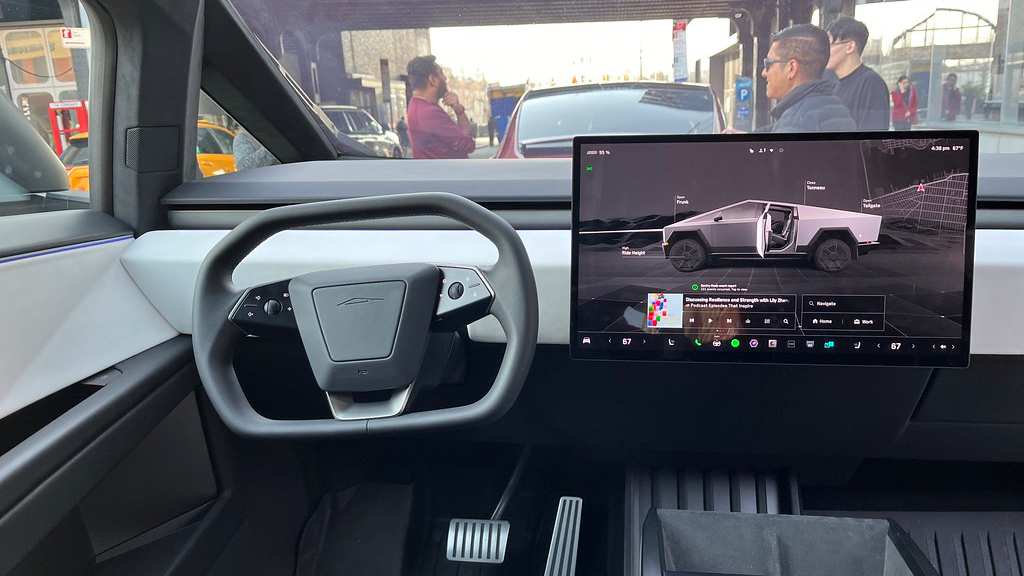
The Tesla Semi 2026 update isn’t just about hardware. It also introduces a refined interior aimed at making long-haul driving more comfortable and less stressful.
Center-Positioned Driver’s Seat Returns
Tesla keeps the center seat layout—one of the Semi’s boldest design choices—which offers:
- Superior road visibility
- Better symmetry around the driver
- Enhanced safety in collisions
Upgraded Dash and Control Interface
The 2026 refresh brings:
- Dual 15-inch high-resolution displays
- Redesigned UI optimized for trucking logistics
- Camera-based blind-spot monitoring
- Fully integrated fleet telematics
Improved Comfort for Long Hauls
Small yet meaningful upgrades include:
- Better seat ergonomics
- Improved climate control
- More cabin storage
- Enhanced insulation for quieter operation
While some traditionalists may crave a sleeper cab, Tesla continues to prioritize efficiency and modularity—although rumors suggest a future sleeper variant may eventually arrive.
Autopilot and Safety Take a Giant Step Forward
Tesla’s Semi already featured commercial-grade safety tech, but the 2026 update introduces its most advanced autonomous features yet.
Expanded Semi Autopilot Capabilities
New features include:
- Enhanced highway lane keeping
- Smart lane changes for heavy vehicles
- Predictive speed modulation on grades
- Improved collision avoidance
Tesla is also testing Semi-focused Full Self-Driving (FSD) modules to handle freight-specific challenges such as yard navigation and loading dock approach.
Safety Metrics That Outperform Diesel Trucks
Tesla emphasizes:
- Lower rollover risk
- Reduced brake failure thanks to regen
- Advanced stability control
The battery pack’s low center of gravity dramatically improves handling compared to diesel rigs.

Cost Savings—The Financial Case for the Semi
While the upfront price of an electric semi may be higher than a diesel model, the 2026 update brings significant cost-of-ownership reductions.
Lower Fuel Costs
Electricity remains substantially cheaper than diesel in most regions. With Megacharger rates optimized for fleets, the price per mile drops far below conventional fueling.
Minimal Maintenance Requirements
Electric drivetrains eliminate:
- Oil changes
- Fuel system issues
- Complex transmissions
- Emission system maintenance
Fleet operators see dramatically reduced downtime and repair expenses.
Government Incentives and Carbon Credits
With more regions adopting emissions regulations, electric trucks often qualify for:
- Tax credits
- Grants
- ZEV incentives
- Carbon credit trading
This makes switching to the Tesla Semi even more financially compelling.
Real-World Fleet Testing and Feedback
Since the early pilot units started delivering, major companies like PepsiCo and UPS have accumulated millions of road miles. Their feedback shaped the 2026 redesign.
Improved Durability from Fleet Testing
Updates inspired by real-world usage include:
- Reinforced suspension components
- Better battery cooling on long grades
- More reliable Megacharger connectors
- Software tweaks for load balancing
Driver Praise and Adoption
Drivers consistently highlight:
- Quiet cabin
- Instant torque
- Reduced fatigue
- Smooth regenerative braking
Many report that switching back to diesel rigs feels outdated by comparison.
Environmental Impact—A Cleaner Freight Industry
The Tesla Semi 2026 update comes at a critical time for climate objectives worldwide.
Zero Emissions and Reduced Carbon Footprint
Replacing just one diesel truck with a Semi can eliminate:
- Hundreds of tons of CO₂ emissions per year
- Major particulate pollution
- Noise pollution in cities and shipping yards
Fleet-wide adoption compounds these benefits significantly.
Energy Efficiency and Sustainable Operations
Tesla’s growing charging network increasingly uses:
- Solar energy
- Grid-storage systems
- Smart-charge timing
This further reduces the environmental footprint of electric freight.
What This Means for the Future of Trucking
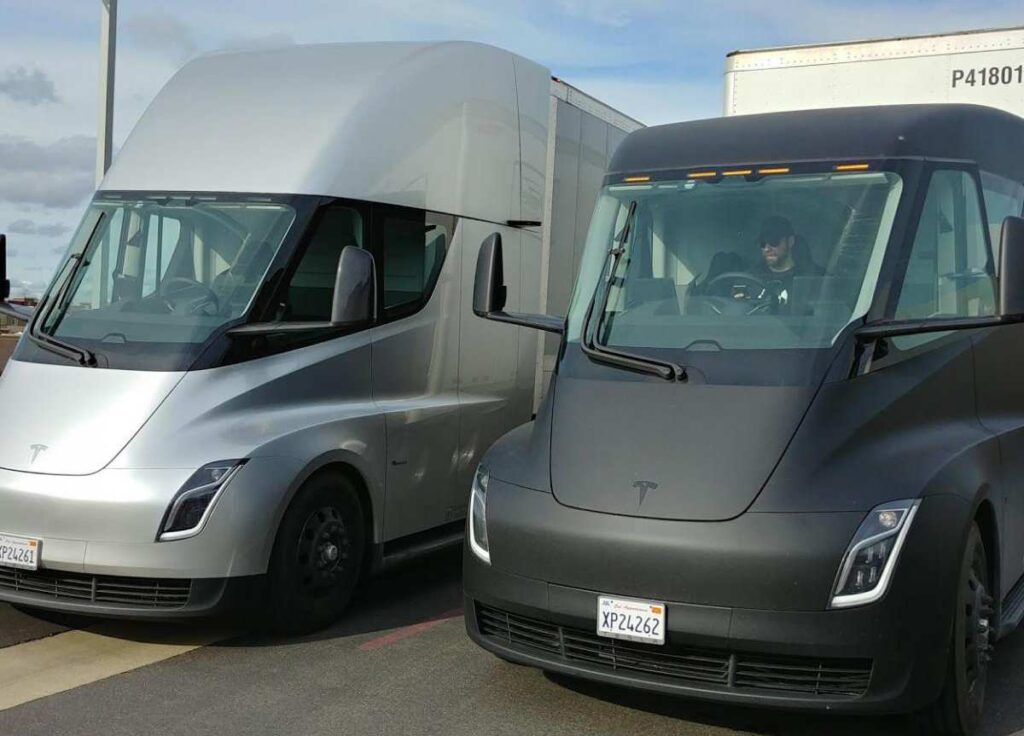
The Tesla Semi’s 2026 update is more than a product refresh—it’s a signal that the transition to electric freight is inevitable.
Pressure on Traditional Truck Manufacturers
Legacy brands like Volvo, Freightliner, and Kenworth must accelerate their EV strategies or risk falling behind. Tesla’s aggressive innovation pace sets a new benchmark for performance and efficiency.
Toward Autonomous Freight Corridors
With enhanced autonomy features, the future may soon include:
- Semi-autonomous freight lanes
- Automated logistics integration
- Reduced need for long-haul staffing
- Lower accident rates
The 2026 Semi lays the groundwork for all of this.
Should You Buy or Reserve the Tesla Semi 2026 Model?
The answer depends on your fleet needs, but the Semi’s benefits are clearer than ever.
Ideal For…
- Long-haul freight companies
- Regional delivery fleets
- Logistics companies with sustainability goals
- Businesses seeking long-term cost savings
The Bottom Line
The Tesla Semi 2026 update is the most advanced electric commercial vehicle available today. It combines cutting-edge technology with real-world practicality, making it a game-changing choice for any company aiming to modernize its fleet.
Final Thoughts
The Tesla Semi 2026 update isn’t just an incremental improvement—it’s a transformation. With breakthroughs in battery technology, autonomy, efficiency, and comfort, Tesla has cemented its position at the forefront of sustainable freight transportation. As more fleets adopt the Semi, the trucking landscape will shift rapidly toward a cleaner, quieter, and more cost-effective future.
If you’re watching the evolution of electric trucking, one thing is clear: the future isn’t coming—it’s here.
FAQs
1. What is new in the Tesla Semi 2026 update?
The 2026 update includes a major battery upgrade, improved range, faster Megacharging, enhanced Autopilot features, a refined interior, and greater overall efficiency.
2. What is the real-world range of the Tesla Semi 2026?
The 2026 model offers two realistic range options: around 500 miles for the base model and 650 miles for the extended-range version.
3. How fast can the Tesla Semi recharge?
With the new Megacharger V2 network, the Semi can charge from 0–70% in roughly 45–60 minutes, depending on conditions and load.
4. How much does the Tesla Semi reduce operating costs?
The Semi significantly cuts expenses through cheaper electricity, minimal maintenance, and incentives like tax credits and carbon programs.
5. Is the Tesla Semi good for long-haul trucking?
Yes. With its extended range, powerful tri-motor system, and fast charging network, the Semi is designed specifically for long-haul freight.
6. What kind of battery technology does the 2026 Tesla Semi use?
Tesla uses an advanced cell chemistry focused on longevity, thermal management, and high efficiency, optimized for heavy-duty commercial use.
7. Does the Tesla Semi have Autopilot or self-driving features?
Yes. The 2026 model includes expanded Semi Autopilot capabilities, such as lane-keeping, intelligent lane changes, predictive speed control, and enhanced collision avoidance.
8. How much weight can the Tesla Semi haul?
It is designed to meet and often exceed traditional class 8 truck requirements, handling full loads while maintaining efficiency and stability.
9. Are companies already using the Tesla Semi?
Yes. Major fleet operators like PepsiCo, UPS, and other logistics brands have integrated early units and provided feedback for the 2026 improvement cycle.
10. Can the Tesla Semi handle steep grades and long hills?
Absolutely. Thanks to its tri-motor powertrain and regenerative braking system, the Semi performs exceptionally well on steep inclines and declines.
11. Does the Tesla Semi require a lot of maintenance?
No. Electric trucks have no oil changes, fewer mechanical systems, and simpler drivetrains, resulting in much lower maintenance needs compared to diesel trucks.
12. Is the interior comfortable for long-distance drivers?
Yes. The redesigned interior includes ergonomic seating, upgraded climate control, improved storage, and a quieter cabin for reduced fatigue.
13. How does the Tesla Semi impact the environment?
The Semi produces zero tailpipe emissions, reduces noise pollution, and helps eliminate hundreds of tons of CO₂ annually when replacing a diesel truck.
14. How safe is the Tesla Semi?
The Semi has advanced safety features including improved stability control, enhanced Autopilot, regenerative braking, and a low center of gravity for reduced rollover risk.
15. Can the Tesla Semi fit into existing fleet operations?
Yes. With built-in fleet telematics, a familiar cabin layout, and compatibility with major logistics systems, it integrates easily into commercial operations.
16. When will the Tesla Semi 2026 be widely available?
Production is scaling throughout 2026, with broader availability expected as the Megacharger V2 network continues expansion and fleet orders ramp up.
Read More:
- BAD NEWS! First SpaceX Starship Booster V3 Exploded During Test! Here’s What Exactly Happened
- Tesla analyst maintains $500 PT, says FSD drives better than humans now
- SpaceX issues statement on Starship V3 Booster 18 anomaly
- Tesla Full Self-Driving v14.2 – Full Review, the Good and the Bad
- Elon Musk Confirms 3 NEW Teslas Models For 2026