
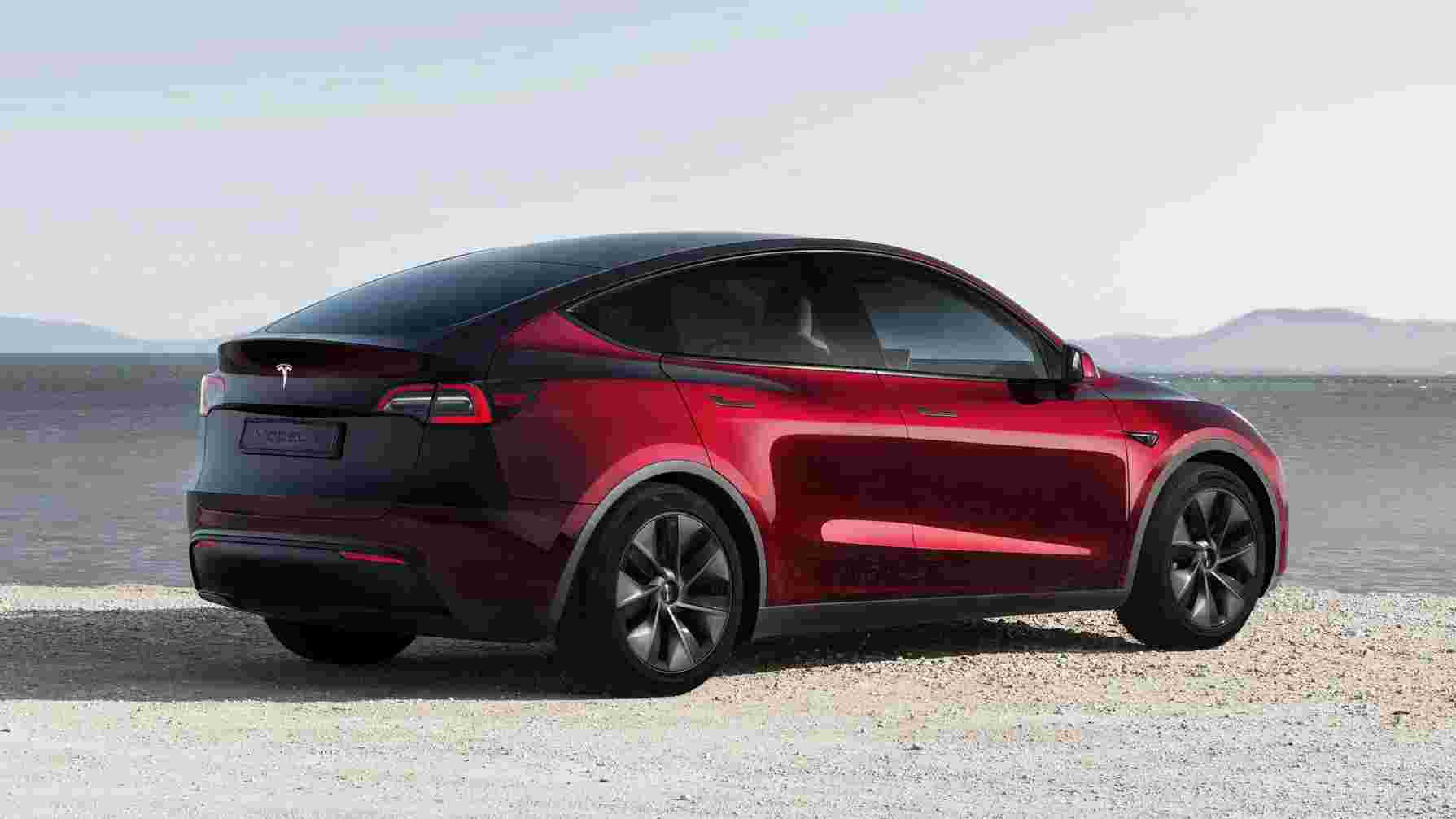
Elon Musk 2026 Tesla Model 2 under $20k: For decades, buying a used car was considered the smartest financial move in America. Parents repeated it, financial advisers preached it, and common sense manuals treated it as gospel. The logic was simple: avoid the brutal depreciation of new cars, get something reliable, and save thousands upfront.
But 2026 is quietly rewriting that rule.
Without much noise, without flashy announcements, the numbers themselves have begun to undermine one of the most deeply rooted beliefs in personal finance. Rising gasoline prices, increasing maintenance costs, and the growing complexity of combustion engines have changed the math. And right at the center of this shift sits a car that hasn’t even officially launched yet: the Tesla Model 2.
This isn’t about luxury, status, or six-figure electric SUVs. This is about budget reality, cost per mile, and a silent transformation that is already shaking the used car market.
The Collapse of the “Used Car Is Always Cheaper” Myth
For years, the advice was straightforward: buy used, avoid depreciation, save money. That advice worked — in 2012.
But today, the financial equation has evolved. The total cost of ownership now matters more than the sticker price. Fuel, maintenance, repairs, downtime, and resale value have become decisive factors.
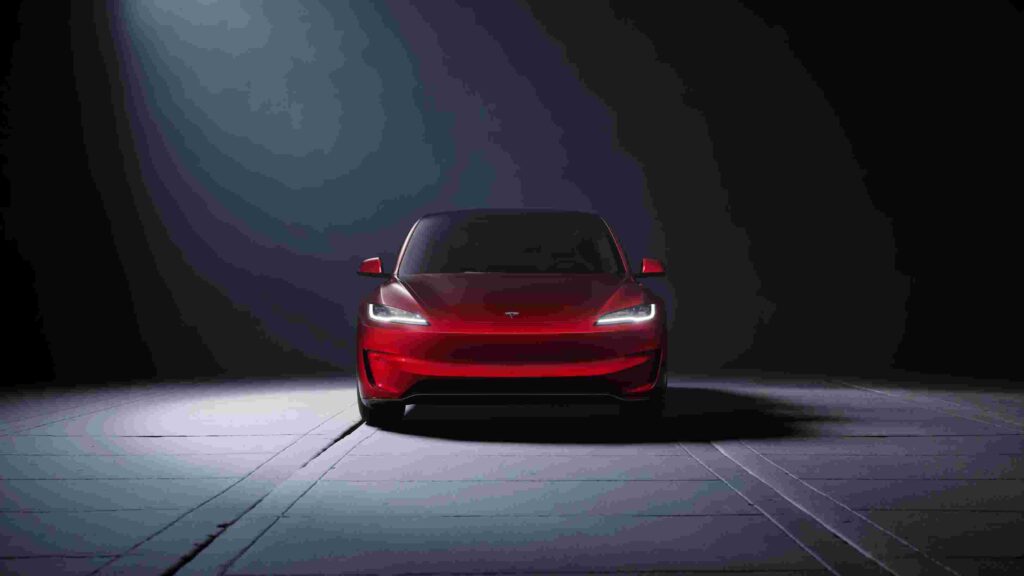
Why the Old Logic No Longer Holds
A used car might be cheaper to buy, but that’s only the beginning. Over the next five years, owners must deal with:
- Gasoline price volatility
- Oil changes and scheduled maintenance
- Repairs outside warranty
- Aging mechanical components
- Declining resale value
Meanwhile, electric vehicles — especially affordable ones — are attacking these pain points head-on.
And that’s where the Tesla Model 2 enters the picture.
Tesla Model 2: Not Launched, Already Disruptive
The Tesla Model 2 is expected to arrive in 2026 with a price below $25,000, and some projections place it closer to $20,000 with incentives. That alone puts it directly against the most popular used cars in America.
Consider this comparison:
- Used 2018 Toyota Camry: ~$19,000
- New Tesla Model 2: ~$25,000 (or less with incentives)
At first glance, the used Camry still looks cheaper. But once you factor in fuel, maintenance, and depreciation, the comparison becomes uncomfortable.
Cost Per Mile: The Metric Changing Everything
Most buyers still compare cars based on the sticker price. But that’s no longer enough. The real battlefield is cost per mile.
Gasoline Cars in 2026
A typical gasoline sedan like a Toyota Camry, averages 30 miles per gallon. That sounds efficient — until fuel prices enter the equation.
- In states like California, gasoline can push driving costs to 14–15 cents per mile
- Even in cheaper states, costs rarely drop enough to offset long-term ownership
Drive 15,000 miles per year, and you’re spending over $2,000 annually on fuel alone.
Tesla Model 2 Cost Per Mile
The Tesla Model 2 is expected to consume between 4 and 9 cents per mile depending on electricity rates.
Key advantages:
- Electricity is more stable than gasoline
- No geopolitical price shocks
- No summer price spikes
- No Middle East crises affecting your commute
Over five years, that difference alone can mean thousands of dollars saved.
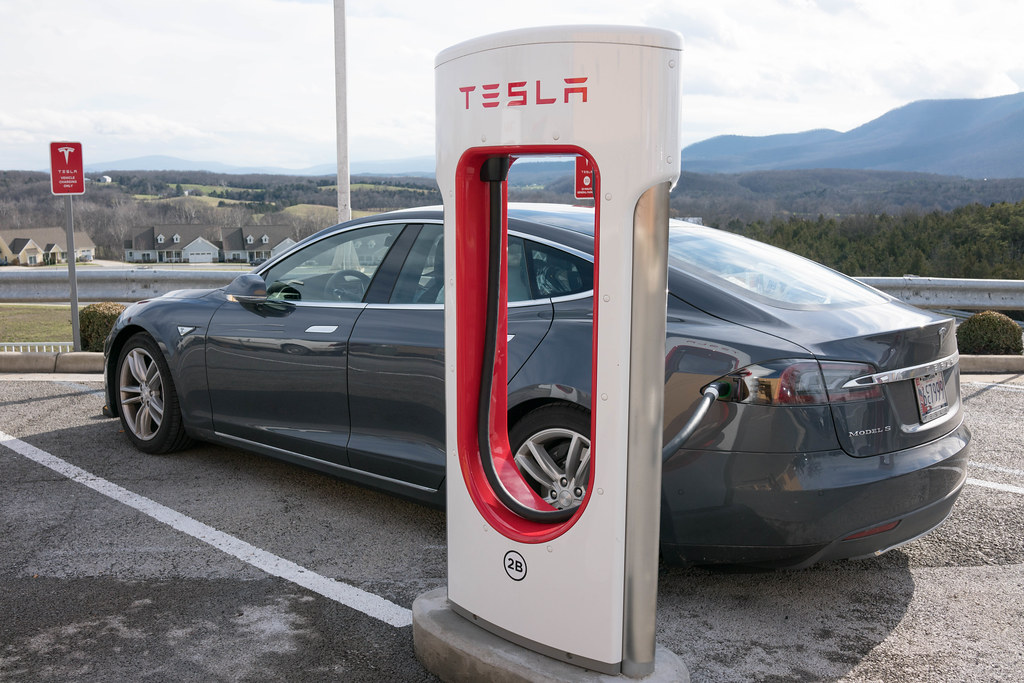
Maintenance: Where Used Cars Quietly Bleed Money
Fuel is only half the story. Maintenance is where combustion engine cars slowly erode their initial savings.
Combustion Engine Maintenance Reality
Over five years, owners typically spend $15,000 to $20,000 on:
- Oil changes
- Spark plugs
- Timing belts
- Exhaust systems
- Fuel injection components
- Transmission servicing
And once a car passes 100,000 miles, maintenance costs only increase.
Electric Vehicle Maintenance Advantage
Electric cars are simpler by design:
- Fewer moving parts
- Less friction
- Less heat
- Fewer failure points
Maintenance costs are typically 30% to 50% lower. What breaks, breaks less often. What needs servicing, needs it less frequently.
The result? Lower costs and fewer headaches.
The Psychological Cost Nobody Talks About
There’s also an invisible cost to owning an aging gasoline car: stress.
- Unexpected repairs
- Time lost at the mechanic
- Uncertain monthly expenses
- Anxiety before long trips
Electric cars eliminate much of this. With an EV, you simply drive. Predictable costs, fewer surprises, and far less downtime.
Once drivers experience this simplicity, it’s hard to go back.
Why Geography No Longer Saves Gas Cars
Some argue that used gasoline cars still make sense in states like Texas. But even there, the advantage is shrinking.
- In California, EVs are an obvious win
- In Florida, electricity costs make EVs up to 3x cheaper per mile
- Even in high-electricity-cost states, EVs remain competitive
And many owners can charge at home during off-peak hours, further lowering costs.
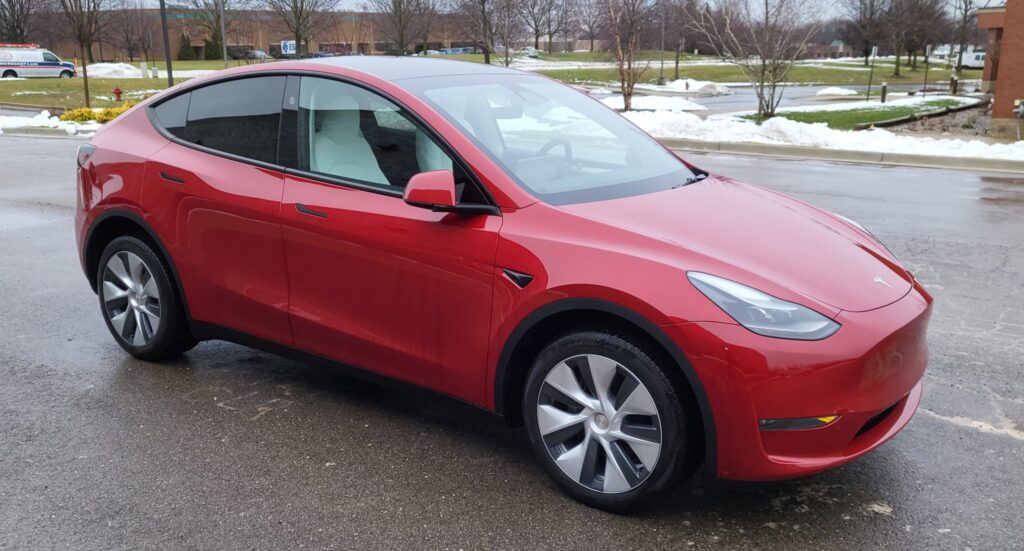
Resale Value: Another Silent Shift
Resale value used to favor gasoline cars. That’s changing fast.
Why EVs Are Holding Value Better
- Batteries are lasting longer
- Software updates improve cars over time
- Powertrains don’t “wear out” the same way engines do
The Tesla Model 2’s battery is projected to last up to 800,000 miles, with 5,000 full charge cycles. Even at 300,000 miles, it may retain 70% of its original capacity.
That radically changes how buyers view used EVs.
The Engineering Philosophy Behind the Model 2
The Tesla Model 2 isn’t just a smaller Tesla. It’s a ground-up rethinking of the mass-market car.
Weight, Efficiency, and Cost as Core Priorities
Every kilogram matters. Less weight means:
- Better efficiency
- Less brake wear
- Less suspension strain
- Lower energy consumption
This philosophy is central to the Model 2’s design.
The Semi-Solid Battery Breakthrough
One of the most important innovations is the semi-solid battery pack.
Why It Matters
- Higher energy density (up to 245 Wh/kg)
- Smaller and lighter battery pack (~48 kWh)
- Lower cost without sacrificing range
Real-World Range
- Up to 310 miles EPA
- 230–250 miles in real-world driving
That’s more than enough for daily use and road trips — without range anxiety.
Aerodynamics: Efficiency Without Gimmicks
The Model 2 is expected to achieve a drag coefficient between 0.23 and 0.25, impressive even by premium standards.
- Smaller frontal area
- Cleaner lines
- Reduced air resistance
The result: more range without bigger batteries.
Charging Speed That Changes Perception
Fast charging is no longer exclusive to premium EVs.
Expected Charging Performance
- 10% to 70% in 12–14 minutes
- Up to 280 kW on V4 Superchargers
- Stable 240 kW on V3 chargers
For an affordable car, this is a game-changer.
Charging becomes shorter than a bathroom break or coffee stop.
Safety and Battery Reliability
Battery fear has held many buyers back. The Model 2 aims to eliminate that fear.
- Cells resist combustion even when punctured
- Can withstand 480°F without catching fire
- More stable under thermal stress
This isn’t marketing — it’s a structural shift in battery safety.
Why the Used Car Market Is at Risk
The danger to the used car market isn’t that used cars got worse. It’s that the competition evolved.
When buyers can choose between:
- A used gasoline car with rising costs
- Or a new EV with predictable, lower ownership costs
The old assumption breaks.
This isn’t a trend. It’s a market reconfiguration.
Who Benefits the Most from the Model 2?
The biggest winners are people who drive a lot:
- Ride-sharing drivers
- Delivery workers
- Parents with busy schedules
- Long-distance commuters
For them, cost per mile isn’t theoretical — it’s daily reality.
From Sticker Price to Lifetime Value
The biggest mistake consumers make is focusing on monthly payments instead of lifetime cost.
Yes, a used car may look cheaper upfront. But over time, it often becomes more expensive.
The Model 2 flips that logic.
Not a Cheap EV — a Well-Designed Car
Perhaps Tesla’s greatest achievement with the Model 2 is balance.
- Sufficient range
- Honest performance
- Low cost
- Simple ownership
It doesn’t try to impress with excess. And that’s exactly why it works.
The Quiet End of a Tradition
For decades, buying used was safe ground. That ground is now cracking.
Not because used cars failed — but because electric cars like the Model 2 changed the rules.
And this shift doesn’t happen overnight. It happens purchase by purchase, month by month, mile by mile.
By the time it’s obvious, it will already be too late to ignore.
Final Thought
The Tesla Model 2 isn’t just another car. It’s a redefinition of value.
And once people truly understand the cost per mile, the simplicity, and the predictability, the question won’t be “Why buy electric?”
It will be: “Why didn’t I do this sooner?”
FAQs
1. What is the Tesla Model 2?
The Tesla Model 2 is Tesla’s upcoming affordable electric vehicle, expected to launch around 2026. It is designed as a mass-market EV with a target price below $25,000, focusing on efficiency, low maintenance, and reduced cost of ownership.
2. How much will the Tesla Model 2 cost?
Tesla aims to price the Model 2 under $25,000, and in some markets, incentives could push the effective price closer to $20,000, making it competitive with popular used cars.
3. Why is the Tesla Model 2 considered a threat to the used car market?
Because it offers new-car reliability, a full warranty, lower fuel and maintenance costs, and better long-term value at a price similar to many used gasoline cars.
4. Is the Tesla Model 2 cheaper to own than a used gasoline car?
In most cases, yes. When factoring in fuel savings, reduced maintenance, and stronger resale value, the Model 2 can cost thousands of dollars less to own over five years.
5. What is the estimated range of the Tesla Model 2?
The Model 2 is expected to deliver up to 310 miles (EPA), with real-world driving range between 230 and 250 miles, more than enough for daily use and road trips.
6. What type of battery will the Tesla Model 2 use?
The Model 2 is expected to feature a semi-solid battery pack, offering higher energy density, improved safety, longer lifespan, and faster charging compared to traditional lithium-ion batteries.
7. How fast can the Tesla Model 2 charge?
Tesla estimates a 10% to 70% charge in 12–14 minutes using V4 Superchargers, with charging speeds up to 280 kW.
8. How much does it cost to drive the Tesla Model 2 per mile?
Depending on electricity rates, the cost per mile is estimated between 4 and 9 cents, significantly lower than gasoline vehicles, especially in high-fuel-cost states.
9. How does maintenance compare to gasoline cars?
Electric vehicles like the Model 2 require 30% to 50% less maintenance due to fewer moving parts and no oil changes, spark plugs, exhaust systems, or timing belts.
10. Is the Tesla Model 2 safe?
Yes. The semi-solid battery technology improves thermal stability and fire resistance, and early data suggests a significant reduction in crash and fire risks compared to traditional battery packs.
11. How long will the Tesla Model 2 battery last?
The battery is expected to handle up to 5,000 full charge cycles, potentially lasting up to 800,000 miles, which dramatically improves resale value.
12. Will the Tesla Model 2 hold its resale value?
Likely yes. Long battery life, software updates, and lower wear on the drivetrain mean the Model 2 could depreciate more slowly than gasoline vehicles.
13. Is the Tesla Model 2 good for long-distance driving?
Absolutely. With fast charging, solid range, and access to Tesla’s Supercharger network, the Model 2 is well-suited for both daily commuting and road trips.
14. Who benefits most from buying the Tesla Model 2?
High-mileage drivers such as ride-share drivers, delivery workers, commuters, and families benefit the most due to lower cost per mile and predictable expenses.
15. Does electricity cost make EVs less attractive in some states?
Even in states with higher electricity prices, EVs like the Model 2 remain cost-competitive, and in many states, they are up to three times cheaper per mile than gasoline cars.
16. Should I buy a used car or wait for the Tesla Model 2?
If you’re focused on long-term savings, reliability, and predictable costs, waiting for the Tesla Model 2 may be the smarter financial decision compared to buying a used gasoline car today.
Read More:
- Tesla plans for new 300+ stall Supercharger with a special surprise for Semi
- Tesla is shifting FSD to a subscription-only model, confirms Elon Musk
- Tesla Model 3 and Model Y earn Euro NCAP Best in Class safety awards
- Tesla Model 3 and Model Y dominates U.S. EV market in 2025
- Tesla Full Self-Driving pricing strategy eliminates one recurring complaint