
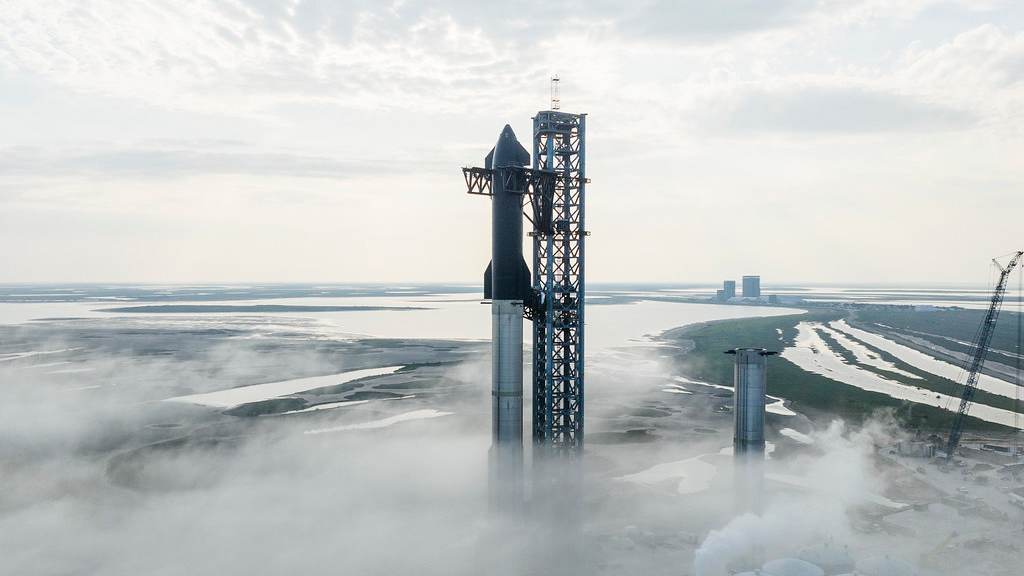
Space exploration has always been a story of ambition, innovation, and unexpected shifts. But nothing in recent years has been as surprising as Elon Musk’s sudden pivot from Mars to the Moon. The world has watched SpaceX chase the dream of a Mars city for over a decade. Yet, now Musk has admitted the company is putting Mars on hold and going all-in on the Moon.
Why the sudden shift? What does this mean for NASA, Artemis, and the future of humanity? And how realistic is Musk’s timeline for building a lunar base?
Let’s break down everything you need to know in this definitive, SEO-friendly guide.
Why Elon Musk Shifted SpaceX’s Focus From Mars to the Moon
For years, SpaceX has made no secret of its long-term goal: a self-sustaining city on Mars. But a recent shift in priorities has made it clear that the Moon is now the primary target.
Musk has explained the decision in a way that is both strategic and chillingly practical: the Moon is simply faster and more realistic.
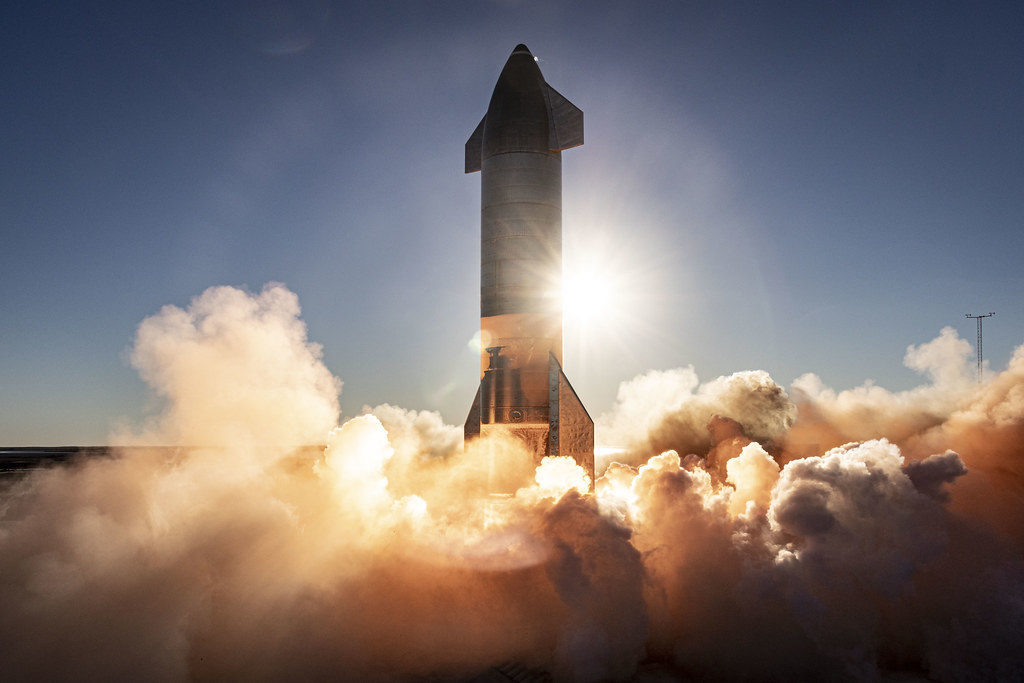
The Moon Is Closer and Easier to Reach
The Moon is only 2–3 days away, compared to 4–6 months to Mars.
That difference isn’t just about travel time — it changes the entire feasibility of building a permanent presence. With the Moon, SpaceX can:
- Launch missions every 10 days
- Iterate quickly
- Test and improve systems rapidly
- Build infrastructure without waiting years
Mars only offers launch windows every 26 months, making mistakes extremely costly.
Mars Requires Full Self-Sufficiency
When Starship lands on Mars, it can’t just turn around and fly home.
To return, it must:
- Extract Martian resources
- Produce fuel through ISRU
- Use nuclear power at scale
That’s an enormous technical leap — and one that SpaceX is not ready to attempt without first mastering lunar operations.
The Key Moment: Musk’s “Mass Driver on the Moon or Bust”
One of the biggest clues that SpaceX has shifted priorities came from a blunt statement by Musk:
“Mass driver on the moon or bust.”
What Is a Mass Driver?
A mass driver is essentially a giant electromagnetic launcher, a “magnetic gun” that can fire cargo into space without using chemical rockets.
Instead of burning fuel, it uses electromagnetic coils to accelerate payloads along a track. When the payload reaches the right speed, it launches into space.
Why This Matters for the Moon
Musk has also discussed building a fully automated, AI-driven satellite factory.
A mass driver would be the key technology to:
- Launch satellites from the Moon
- Send cargo into lunar orbit
- Build a lunar industrial hub
- Create a true off-world civilization
It sounds like science fiction — but SpaceX is making it sound like a realistic long-term plan.
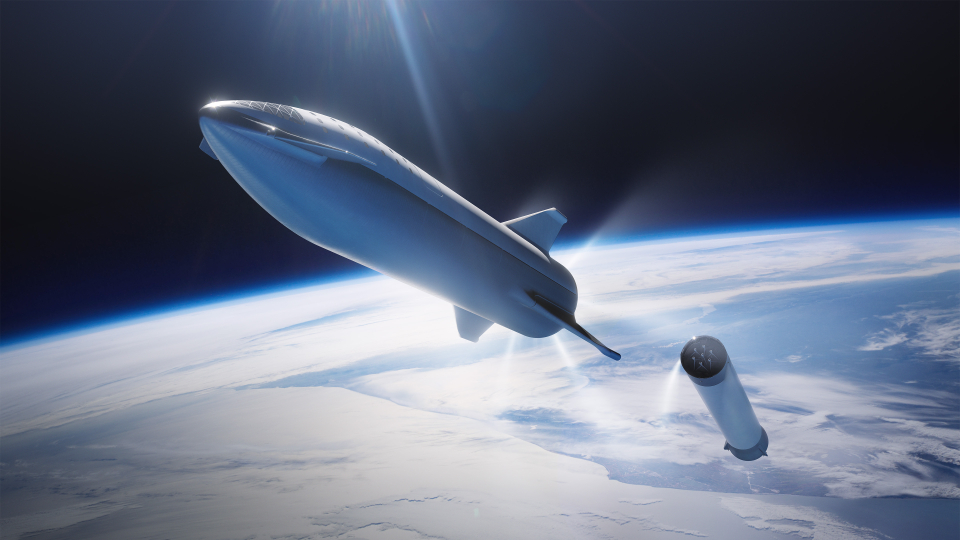
The Timeline: Moon Base by 2040–2045?
Musk has given two major reasons why the Moon is now the top priority:
1. The Moon Is Faster to Build a City
Musk believes a self-growing city on the Moon could be built in under 10 years.
Mars? That would take 20+ years.
That’s because the Moon allows for:
- Rapid iteration
- Shorter travel time
- Simpler logistics
- Quicker infrastructure deployment
2. Launch Windows Favor the Moon
A lunar mission can launch every 10 days.
Mars missions only launch every 26 months.
That difference is massive. It means:
- More frequent tests
- Faster improvements
- Lower risk
- Better scalability
What the Timeline Actually Means
A lot of people misunderstand Musk’s 10-year timeline.
It does not start today.
It starts when actual construction begins — which hasn’t happened yet.
Currently, SpaceX is targeting:
March 2027 — First Uncrewed Starship Moon Landing
This would be the first major test of Starship HLS (Human Landing System) on the Moon.
2028 — Artemis 3 Crude Landing
NASA is pushing SpaceX and Blue Origin to either accelerate timelines or propose simplified lunar landing plans.
This means the lunar base construction clock doesn’t start until 2027–2028.
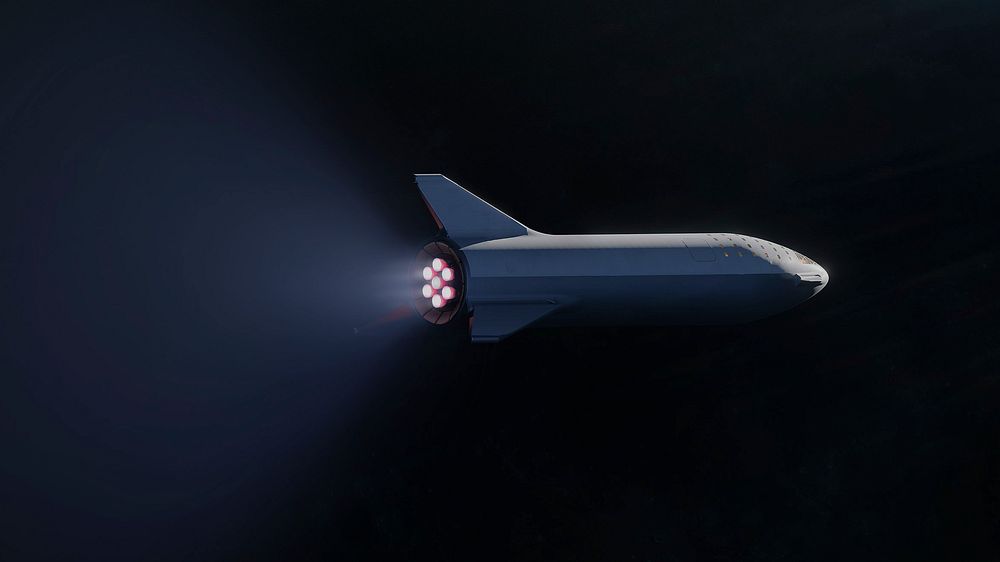
What Needs to Happen for a Lunar Base to Become Real
To build a real lunar base, SpaceX needs to deliver tens of thousands of tons of cargo to the Moon.
That requires:
- Multiple launch sites
- 5+ launch pads
- 2 gigabays
- A full Starship production system
- 70–100 successful Starship landings
If SpaceX ever reaches 1–2 lunar missions per day, this becomes feasible in months to a year.
But realistically, early operations will be slower.
The Realistic Moon Base Timeline: 2040–2045
If SpaceX hits all its targets, a functional moon base could realistically appear between 2040 and 2045.
Then, automated satellite factories and the mass driver would become a 2050-era project.
Starship Version 3: The Key to Everything
The reason SpaceX’s moon plan is even possible is because of Starship V3.
Version 3 includes:
- Raptor 3 engines
- Higher thrust
- Lighter weight
- Simpler design
- Better reusability
- Improved reliability
This is what makes monthly and weekly launches possible, which is essential for lunar infrastructure.
Important Milestones:
- March 2026 — Starship V3 first flight
- June 2026 — Ship-to-ship propellant transfer demo
- March 2027 — Uncrewed lunar landing
The Most Difficult Challenge: Orbital Refueling
The uncrewed lunar landing depends on orbital refueling.
Starship must:
- Launch fully loaded
- Reach lunar orbit
- Descend to the surface
- Return
To do this, SpaceX must demonstrate:
- Autonomous docking
- Safe transfer of methane and oxygen
- Long-duration cryogenic storage
- Precise autonomous landings
No company has ever done this at scale.
That’s why the June 2026 demo is so critical.
SpaceX’s Risk Reduction Strategy: COPVs
One of the biggest risk factors for Starship is COPVs (Composite Overwrapped Pressure Vessels).
COPVs store gases like nitrogen and helium and are critical for:
- Pressurization
- RCS systems
- Safety systems
SpaceX recently acquired the aerospace division of Hexagon Puris ASA, including Hexagon Masterworks, for $15 million.
This vertical integration allows SpaceX to control:
- Design
- Manufacturing
- Inspection
- Defect screening
- Non-destructive evaluation
This is a huge step toward making Starship reliable for lunar missions.
What This Means for NASA and the Future of Space
NASA has always been cautious, but Musk’s Moon plan forces the agency to accelerate.
Artemis missions may become:
- Faster
- More frequent
- More competitive
And SpaceX’s lunar ambitions may redefine the future of space exploration:
- Moon becomes industrial hub
- Lunar mining and manufacturing begin
- Mass drivers become reality
- Mars becomes phase two
Conclusion: The Moon Is Now the Center of the Space Race
Elon Musk’s sudden shift from Mars to the Moon is not a rejection of Mars — it’s a strategic recalibration.
The Moon offers:
- Faster timelines
- Better iteration
- Lower risk
- More realistic infrastructure goals
- A training ground for Mars
With Starship V3, orbital refueling, and lunar landings on the horizon, SpaceX is positioning the Moon as the next industrial frontier.
If Musk is right, the Moon will become the gateway to the solar system — and the launchpad for humanity’s future.
FAQs
1. Why is Elon Musk shifting SpaceX’s focus from Mars to the Moon?
Elon Musk believes the Moon is faster and more realistic for building a self-sustaining off-world city. The Moon offers frequent launch windows and shorter travel times, making rapid iteration possible.
2. What did Elon Musk mean by “mass driver on the moon or bust”?
A mass driver is a giant electromagnetic launcher that can send cargo into space without rockets. Musk sees it as a key technology for building a lunar industrial hub.
3. When is SpaceX planning to land Starship on the Moon?
SpaceX is targeting March 2027 for an uncrewed Starship landing on the Moon, followed by a crude human landing around 2028 as part of Artemis 3.
4. What is Starship HLS?
Starship HLS (Human Landing System) is a version of Starship designed specifically for lunar landings, including improved landing legs and upgraded systems.
5. Why is the Moon considered easier than Mars for building a city?
The Moon is closer, has shorter travel times, and allows for more frequent launch windows, enabling rapid testing and infrastructure building.
6. How long could it take to build a moon base?
A functional moon base could be realistic between 2040 and 2045, depending on SpaceX’s success in ramping up launches and lunar operations.
7. What makes Mars so difficult compared to the Moon?
Mars requires full self-sufficiency, including extracting resources, producing fuel, and using nuclear power at scale — making it far more complex.
8. What is orbital refueling and why is it important?
Orbital refueling is the process of transferring propellant between Starships in orbit. It’s crucial for lunar missions because the Starship must be fully fueled to travel to the Moon and back.
9. What is Starship Version 3 (V3)?
Starship V3 includes upgraded Raptor 3 engines, higher thrust, lighter weight, and improved reliability — enabling higher launch cadence and lunar missions.
10. Why is SpaceX doing more ground testing for Starship V3?
More ground testing reduces risk and improves reliability. SpaceX wants V3 to be capable of monthly or weekly launches, which requires proven systems.
11. What is the Artemis program?
Artemis is NASA’s program to return humans to the Moon and establish a sustainable presence, with SpaceX and Blue Origin as key partners.
12. What is ISRU and why does Mars need it?
ISRU (In-Situ Resource Utilization) means using local resources to produce fuel and supplies. Mars requires ISRU for fuel production, making missions more complex.
13. What are COPVs and why are they important for Starship?
COPVs are high-pressure tanks used for gas storage. They are critical for Starship’s pressurization and propulsion systems, and SpaceX recently acquired COPV technology to improve safety.
14. What is the mass driver’s role in lunar industry?
A mass driver could launch satellites and cargo from the Moon into orbit or deeper space, enabling large-scale lunar manufacturing and industrial expansion.
15. Will SpaceX still build a city on Mars?
Yes. Musk still plans to build a Mars city, but he believes the Moon is the necessary training ground before tackling the complexity of Mars.
16. What is the future timeline for lunar industrialization?
A lunar base could start operations by 2040–2045, with mass drivers and automated satellite factories emerging around 2050 or later.
Read More:
- Tesla Model Y L six-seater approved for Australia ahead of launch
- Elon Musk reiterates rapid Starship V3 timeline with next launch in sight
- Tesla Model Y wins 2026 Drive Car of the Year award in Australia
- Texas township wants The Boring Company to build it a Loop system
- SpaceX secures FAA approval for 44 annual Starship launches in Florida
1 thought on “Elon Musk’s Insane Starship Moon Plan Shocked NASA Skip Mars Starship Landing Moon in 2027”