
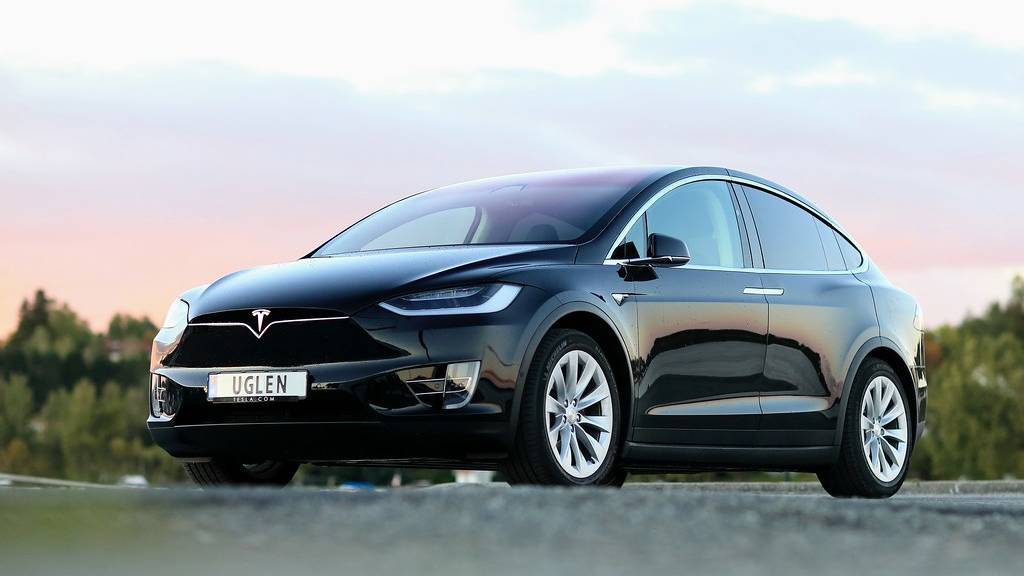
Tesla Model 2 2026 Senior Edition $20–25K: Outer Crash Pods Spare $15–20K Pack + Anti-Rust Panels: There is a phone call no car owner ever wants to receive. It doesn’t come from your bank, your doctor, or a loved one—it comes from an auto body shop. A seemingly minor dent from a parking lot incident suddenly turns into a repair bill nearing $10,000. For many people—especially retirees living on fixed incomes—this moment is not just inconvenient; it can trigger a long-term financial setback.
This harsh reality exposes a critical flaw in how we evaluate vehicles. Most buyers focus on the upfront cost—the sticker price—but overlook the hidden, long-term expenses that come later. This is where the vision behind the Tesla Model 2 (often referred to as the “Senior Edition”) becomes revolutionary.
Instead of simply being a cheap electric vehicle, the Model 2 aims to redefine affordability by focusing on total cost of ownership over 10–15 years, not just the purchase price.
The Hidden Cost of “Affordable” Cars
Sticker Price vs. Real Ownership Cost
Modern vehicles—especially electric vehicles (EVs)—are engineering marvels. Companies like Tesla have perfected lean manufacturing, producing cars with extreme precision and efficiency.
But here’s the problem: efficient assembly does not equal easy repair.
While a car may be affordable to buy, it can be shockingly expensive to fix. This creates a dangerous illusion of affordability.
Why Minor Damage Costs So Much
When technicians inspect a modern EV after even a low-speed collision, they often uncover a complex internal system:
- Sensor arrays embedded throughout the vehicle
- Cameras and radar systems for safety and navigation
- Advanced driver-assistance systems (ADAS)
- Laser-aligned structural components
A small dent on the outside may look harmless, but internally, the impact energy may have traveled through the frame, disturbing critical components.
The result?
A repair estimate that jumps from a few hundred dollars to $10,000–$12,000 or more.
The Tesla Model 2 Philosophy Shift
Designed for Real Life, Not Just the Showroom
Unlike many entry-level EVs, the Tesla Model 2 is being conceptualized with a fundamentally different goal:
Make the car affordable to own—not just affordable to buy.
Tesla’s engineers are reportedly rethinking vehicle architecture from the ground up to address long-term repair costs, durability, and independence.
1. Outer Crash Pods & Modular Design
What Are Crash Pods?
One of the most innovative ideas behind the Model 2 is the introduction of outer crash pods—modular, replaceable sections designed to absorb impact.
How It Works
- The car uses large high-strength steel cast sections
- Fewer joints mean fewer weak points
- Outer panels are designed to absorb and isolate damage
Instead of letting collision energy spread through the entire vehicle, the Model 2 contains it within replaceable outer zones.
Why This Matters
In traditional cars:
- Impact energy travels deep into the frame
- Internal systems get damaged
- Repairs become complex and expensive
In the Model 2:
- Damage stays localized
- Outer modules can be replaced
- Core components remain untouched
This approach could dramatically reduce repair costs, turning a potential $10,000 repair into something far more manageable.
2. The $15,000–$20,000 Battery Replacement Problem
The Biggest Financial Risk in EV Ownership
The battery is the heart of any EV—and also its most expensive component.
In many cases:
- A moderate side impact can damage the battery casing
- Once compromised, repair is often impossible
- Replacement costs range from $15,000 to $20,000
For a car priced around $22,000–$25,000, this is catastrophic.
Insurance and Total Loss Scenarios
When repair costs approach the car’s value:
- Insurance companies declare the vehicle a total loss
- Owners receive a payout
- The payout often does not cover a replacement vehicle
This creates a financial gap that can be devastating—especially for retirees.
How the Model 2 Solves This
The Tesla Model 2 is expected to:
- Shield the battery pack using structural protection
- Prevent impacts from reaching critical components
- Reduce the likelihood of total-loss scenarios
This design alone could save owners tens of thousands of dollars over the car’s lifespan.
3. Fighting the Silent Enemy: Rust and Corrosion
The Invisible Killer of Vehicles
Not all damage comes from accidents. Corrosion is a slow, silent destroyer—especially in:
- Coastal regions
- Cold climates with road salt
- High-humidity environments
Over time, rust weakens the vehicle structure, leading to costly repairs.
Why Most Affordable Cars Fail Here
Entry-level vehicles are often designed to:
- Minimize manufacturing cost
- Maximize short-term affordability
Unfortunately, this means:
- Lower-quality materials
- Minimal corrosion protection
- Shorter lifespan
Tesla’s Anti-Rust Strategy
The Model 2 aims to address this with:
- Specialized anti-corrosion coatings
- Rust-resistant panels
- Materials designed for 10+ years of durability
This is especially important for long-term owners who want reliability without constant maintenance costs.
4. Simpler Repairs = Greater Independence
The Hidden Cost of Complex Repairs
Modern vehicles often require:
- Specialized diagnostic tools
- Manufacturer authorization
- Proprietary parts
This leads to:
- Long repair times
- Limited service options
- Higher labor costs
Why This Matters for Seniors
For retirees, a car isn’t just transportation—it’s independence.
When a vehicle is stuck in a repair shop for weeks, it can mean:
- Missed doctor appointments
- Limited mobility
- Increased reliance on others
A Return to Practical Repairability
The Tesla Model 2 could change this by:
- Using modular external components
- Allowing more mechanics to perform repairs
- Reducing dependency on specialized service centers
This shift could bring repairs back to local workshops, making them faster and more affordable.
5. Designed for a 15-Year Lifespan
Thinking Beyond the First Owner
Most vehicles are optimized for:
- First impressions
- Test drives
- Short-term ownership
The Model 2 flips this perspective.
Long-Term Value Engineering
Tesla’s approach focuses on:
- Years 5–15 of ownership
- Real-world wear and tear
- Maintenance affordability
This includes:
- Durable materials
- Replaceable components
- Structural longevity
6. Financial Stability Through Better Design
Avoiding the “Repair Debt Trap”
Unexpected repair costs can:
- Drain savings
- Create financial stress
- Force early vehicle replacement
By minimizing these risks, the Model 2 becomes more than a car—it becomes a financial safeguard.
Why This Matters More Than Price
A $25,000 car that costs $20,000 to repair is not affordable.
But a $25,000 car that:
- Avoids major repairs
- Lasts 15 years
- Maintains reliability
…is truly economical.
7. A Car Built for Real People, Not Just Enthusiasts
Shifting Priorities in the EV Market
Many EVs today focus on:
- Acceleration
- Technology features
- Futuristic design
The Model 2 focuses on:
- Durability
- Repairability
- Affordability over time
A “Senior Edition” Philosophy
While not officially branded as such, the concept aligns strongly with the needs of:
- Retirees
- Budget-conscious buyers
- Long-term vehicle owners
It prioritizes:
- Stability over flash
- Function over form
- Longevity over novelty
Conclusion: A Smarter Definition of Affordability
The Tesla Model 2 represents a significant shift in how we think about cars.
Instead of asking:
“How much does it cost today?”
It asks:
“How much will it cost over the next 10–15 years?”
By focusing on:
- Outer crash pods and modular design
- Battery protection from costly damage
- Anti-rust engineering for long-term durability
- Simplified repair processes
Tesla is addressing the real challenges of ownership—not just the excitement of purchase.
Final Thoughts
In a world where a minor accident can lead to a $10,000 repair bill, the need for smarter vehicle design has never been greater.
The Model 2 is not just about affordability—it’s about:
- Financial resilience
- Long-term independence
- Peace of mind
For many—especially those living on fixed incomes—this could be the difference between a car that becomes a burden and one that remains a reliable companion for years to come.
FAQs
1. What is the Tesla Model 2?
The Tesla Model 2 is a rumored affordable electric vehicle designed by Tesla. It is expected to cost between $20,000 and $25,000 and focus on long-term affordability, durability, and low maintenance costs.
2. What makes the Tesla Model 2 different from other affordable EVs?
Unlike most budget EVs that focus only on a low purchase price, the Model 2 emphasizes low lifetime ownership cost, including cheaper repairs, battery protection, and corrosion resistance.
3. What are outer crash pods in the Tesla Model 2?
Outer crash pods are modular, replaceable sections of the car designed to absorb impact during collisions. They help prevent damage from spreading to expensive internal components.
4. How do crash pods reduce repair costs?
Crash pods localize damage to outer panels. Instead of repairing the entire structure, mechanics can simply replace damaged modules, significantly lowering repair bills.
5. Why are EV repairs so expensive today?
Modern EVs include complex systems like sensors, cameras, and advanced safety components. Even minor damage can affect these systems, leading to high repair costs.
6. What is the biggest cost risk in EV ownership?
The biggest financial risk is battery damage. If the battery is compromised, replacement can cost between $15,000 and $20,000, which may exceed the car’s value.
7. How does the Tesla Model 2 protect its battery?
The Model 2 is expected to feature enhanced structural protection that shields the battery from impacts, reducing the likelihood of costly replacements.
8. What happens if an EV battery is damaged in an accident?
In most cases, a damaged battery cannot be repaired and must be replaced. This often leads insurance companies to declare the car a total loss.
9. Is the Tesla Model 2 designed for long-term ownership?
Yes, the Model 2 is being designed with a 10–15 year lifespan in mind, focusing on durability, repairability, and resistance to wear and tear.
10. How does rust affect modern cars?
Rust and corrosion weaken the car’s structure over time, especially in humid or coastal areas. This leads to frequent repairs and reduced vehicle lifespan.
11. Will the Tesla Model 2 have anti-rust protection?
Yes, it is expected to include anti-corrosion coatings and rust-resistant panels, helping the car withstand harsh environmental conditions for many years.
12. Can local mechanics repair the Tesla Model 2?
The modular design may allow more independent repair shops to handle repairs, reducing reliance on specialized service centers and lowering costs.
13. Why is repairability important for seniors?
Easy repairs reduce downtime and costs, helping seniors maintain independence and mobility without relying heavily on expensive or delayed services.
14. What is the expected price of the Tesla Model 2?
The expected price range is between $20,000 and $25,000, making it one of the most affordable EVs if launched.
15. Is the Tesla Model 2 officially released?
As of now, the Model 2 has not been officially released. It remains a highly anticipated concept based on industry reports and Tesla’s strategy.
16. Why is the Tesla Model 2 considered a “financial safety” vehicle?
Because it focuses on minimizing major repair costs, protecting expensive components, and lasting longer, the Model 2 helps owners avoid unexpected financial burdens over time.
Read More:
- SpaceX Found Problems after B19’s tests, No Static Fire until…! New Glenn on Pad to Launch
- Tesla 2026 Spring Update drops 12 new features owners have been waiting for
- Tesla parked 50+ Cybercabs outside its Texas Factory with some crash tested
- Tesla utilizes its ‘Rave Cave’ for new awesome safety feature
- Tesla launches 200mph Model S “Gold” Signature in invite-only purchase