
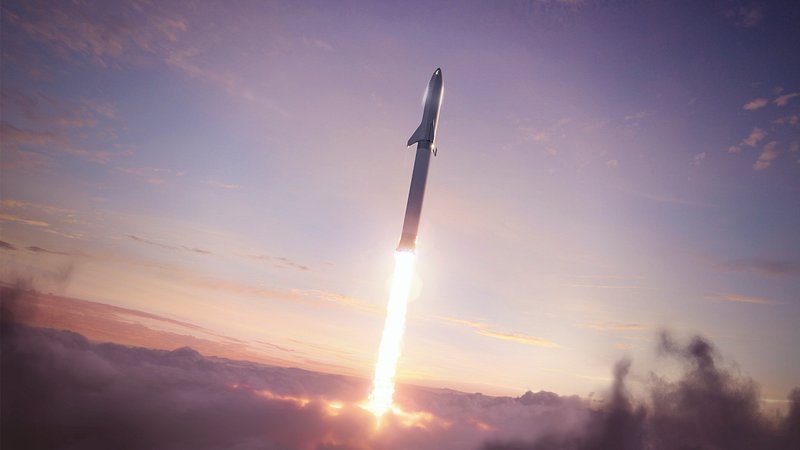
The aerospace world is once again on edge as SpaceX officially announces the schedule for Starship Flight 12. What should have been a straightforward buildup to another groundbreaking launch has instead turned into a mix of excitement, uncertainty, and unexpected complications.
Following the debut of Starship V3 in mid-April, expectations were sky-high. But as the countdown inches closer, a series of technical issues and political tensions have created a cloud of doubt around the mission.
So what exactly is going on? Is Starship Flight 12 still on track—or are deeper problems emerging behind the scenes?
The Official Launch Window: Mark Your Calendars
SpaceX has locked in May 12th as the primary launch date for Starship Flight 12. The launch window opens at 5:30 p.m. local time, setting the stage for what could be one of the most critical test flights in the program’s history.
Backup Dates and Flexibility
If things don’t go as planned—whether due to technical glitches or unfavorable weather—SpaceX has built in contingency days:
- May 13th
- May 14th
- May 15th
- May 16th
- May 17th
- May 18th
This flexible window reflects both confidence and caution. Space missions are inherently unpredictable, and SpaceX is clearly preparing for all scenarios.
Flight Path Adjustments: Safety First
While the overall mission profile remains similar to previous Starship test flights, one key change stands out: the trajectory has been adjusted.
What’s Different This Time?
- The rocket will now pass between Mexico’s Yucatan Peninsula and Cuba
- It avoids overflying Florida entirely
- It shifts further southeast for a safer re-entry
Why This Matters
These changes aren’t random—they are designed to:
- Reduce risk to populated areas
- Ensure safer debris zones in case of failure
- Improve compliance with regulatory requirements
The planned splashdown will still occur in the Indian Ocean, a familiar target zone for SpaceX’s experimental missions.
Technical Red Flags: The “Gremlins” in the System
Despite the excitement, recent tests have revealed some troubling issues. These aren’t minor hiccups—they’re the kind of problems that can delay launches or even cause mission failure.
1. Engine Sensor Failures
During both 10-engine and 33-engine static fire tests, multiple sensors malfunctioned.
Why This Is Serious
- Sensors act as the rocket’s “nervous system”
- Faulty readings can trigger automatic shutdowns
- They can mask real problems or create false alarms
In simple terms, the rocket briefly “panicked” about its own health—a dangerous situation during launch conditions.
2. Flame Trench Monitoring Failure
Another issue surfaced when a flame trench sensor failed during testing.
What Is the Flame Trench?
The flame trench is a critical structure that:
- Channels exhaust away from the rocket
- Protects the launchpad from extreme heat and pressure
Without proper monitoring, SpaceX risks undetected structural damage, which could compromise the entire launch.
3. Water Deluge System Explosion
Perhaps the most alarming problem was an explosion in the water deluge system.
What Happened?
- A test malfunction caused a sudden blast
- Debris was thrown across the test area
- A gas generator sustained damage
Why It Matters
The water deluge system is essential for:
- Cooling the launchpad
- Reducing acoustic shockwaves
- Preventing structural damage during liftoff
An issue here is not just technical—it’s mission-critical.
A Risky Decision: Skipping Additional Tests
In a surprising move, SpaceX is reportedly planning to:
- Skip further static fire tests
- Proceed directly to stacking Ship 39 (S39) onto Booster 19 (B19)
What This Means
This decision suggests:
- Confidence in recent fixes
- Pressure to maintain schedule
- A willingness to accept higher risk
While SpaceX has a history of rapid iteration, this approach raises questions about whether speed is overtaking caution.
Falcon Heavy: A Bright Spot Amid Uncertainty
While Starship faces challenges, SpaceX’s Falcon Heavy continues to deliver flawless results.
Recent Success Story
On April 29th, Falcon Heavy launched:
- The Viasat-3 F3 satellite
- From Kennedy Space Center’s LC-39A
Key Highlights
- Generated 5.1 million pounds of thrust
- Successfully deployed payload into geostationary orbit
- Recovered side boosters at:
- LZ-2
- LZ-40
This mission reinforces Falcon Heavy’s status as one of the most reliable heavy-lift rockets in operation today—second only to NASA’s Space Launch System.
Global Competition Is Heating Up
SpaceX isn’t operating in a vacuum. The global space race is becoming increasingly competitive.
Europe’s Ariane 6 Enters the Scene
The Ariane 6 recently completed a successful mission, carrying:
- 32 satellites
- For Amazon’s Project Kuiper
Amazon vs Starlink
Backed by Jeff Bezos, Project Kuiper aims to rival SpaceX’s Starlink network.
Amazon’s Strategy
- Book every available rocket launch
- Rapidly deploy a satellite constellation
- Compete directly in global internet coverage
This intensifies pressure on SpaceX to:
- Maintain launch frequency
- Ensure reliability
- Stay ahead technologically
Political Drama: NASA’s Budget Battle
While engineers tackle technical challenges, politicians are shaping the future of space exploration.
Proposed Budget Cuts
A proposed 23% reduction to NASA’s 2027 budget has sparked outrage.
Key Concerns
- 50% cut to science funding
- Potential delays to major missions
- Risk of losing leadership in space
A Strong Response from Washington
Ted Cruz has emerged as a vocal critic of the cuts.
His Warning
- The U.S. could fall behind China
- Moon and Mars missions could be jeopardized
- A setback could rival a modern “Sputnik moment”
This political tension adds another layer of uncertainty to an already complex situation.
Starship’s Bigger Mission: Why Flight 12 Matters
Starship isn’t just another rocket—it’s central to the future of space exploration.
Key أهداف
- Support NASA’s Artemis Moon missions
- Enable future Mars colonization
- Reduce launch costs dramatically
Each test flight, including Flight 12, is a step toward these ambitious goals.
Optimism vs Realistic Caution
As the launch window approaches, two competing mindsets dominate the conversation:
The Optimists
- Believe SpaceX’s rapid innovation will prevail
- Trust the company’s track record
- See setbacks as part of progress
The Realists
- Point to recent technical failures
- Question the aggressive timeline
- Worry about skipped testing
Both perspectives have merit—and the truth likely lies somewhere in between.
What Happens Next?
The next two weeks will be निर्णायक for SpaceX.
Possible Outcomes
- Successful Launch
- Boosts confidence in Starship program
- Validates recent fixes
- Delay
- Allows more testing and troubleshooting
- Could impact broader timelines
- Failure
- Provides valuable data
- But raises concerns about readiness
Final Thoughts: A Critical Moment for SpaceX
Starship Flight 12 represents more than just another test—it’s a turning point.
SpaceX is balancing:
- Innovation vs safety
- Speed vs reliability
- Ambition vs reality
With technical challenges unresolved and political pressures mounting, the upcoming launch window will reveal whether the company’s bold strategy can withstand real-world complications.
One thing is certain: the world will be watching.
Will Starship Soar or Stall?
As May 12 approaches, the question remains:
Is SpaceX ready—or is this mission pushing the limits too far, too fast?
The answer is just days away.
FAQs
1. What is Starship Flight 12?
Starship Flight 12 is the latest test mission of SpaceX’s fully reusable Starship rocket system, designed to advance deep-space exploration capabilities.
2. When is the Starship Flight 12 launch scheduled?
The primary launch date is set for May 12, with a launch window opening at 5:30 p.m. local time, and backup dates running through May 18.
3. Where will Starship Flight 12 launch from?
The launch is expected to take place from SpaceX’s Starbase facility in Boca Chica, Texas.
4. What is the goal of this mission?
The mission aims to test the performance, reliability, and reusability of the Starship system, which is crucial for future Moon and Mars missions.
5. Why was the flight path adjusted?
The trajectory was modified to enhance safety by avoiding populated areas like Florida and ensuring a safer re-entry path over open ocean regions.
6. Where will Starship land after launch?
The spacecraft is planned to perform a controlled splashdown in the Indian Ocean.
7. What technical issues has SpaceX faced recently?
Recent tests revealed problems such as engine sensor failures, flame trench monitoring issues, and a water deluge system explosion.
8. How serious are the engine sensor failures?
These failures are significant because sensors provide critical data about the rocket’s condition. Malfunctions can lead to incorrect readings or automatic shutdowns.
9. What is the water deluge system, and why is it important?
The water deluge system helps cool the launchpad and reduce acoustic shock during liftoff, preventing structural damage.
10. Is SpaceX skipping any tests before launch?
Yes, reports suggest SpaceX may skip additional static fire tests and proceed directly to stacking the rocket components.
11. How does this mission compare to Falcon Heavy launches?
Unlike Starship, the Falcon Heavy is already operational and recently completed a successful mission, demonstrating high reliability.
12. Who are SpaceX’s main competitors right now?
Competitors include Europe’s Ariane 6 and Amazon’s Project Kuiper initiative, backed by Jeff Bezos.
13. How could NASA budget cuts affect Starship?
Proposed budget cuts to NASA could impact funding for programs like Artemis, which rely on Starship for lunar missions.
14. Why is Starship important for the future of space exploration?
Starship is designed to be fully reusable and capable of carrying large payloads, making it essential for missions to the Moon, Mars, and beyond.
15. What are the risks of this launch?
The risks include technical failures, delays, or even mission loss. However, each test provides valuable data to improve future flights.
Read More: