
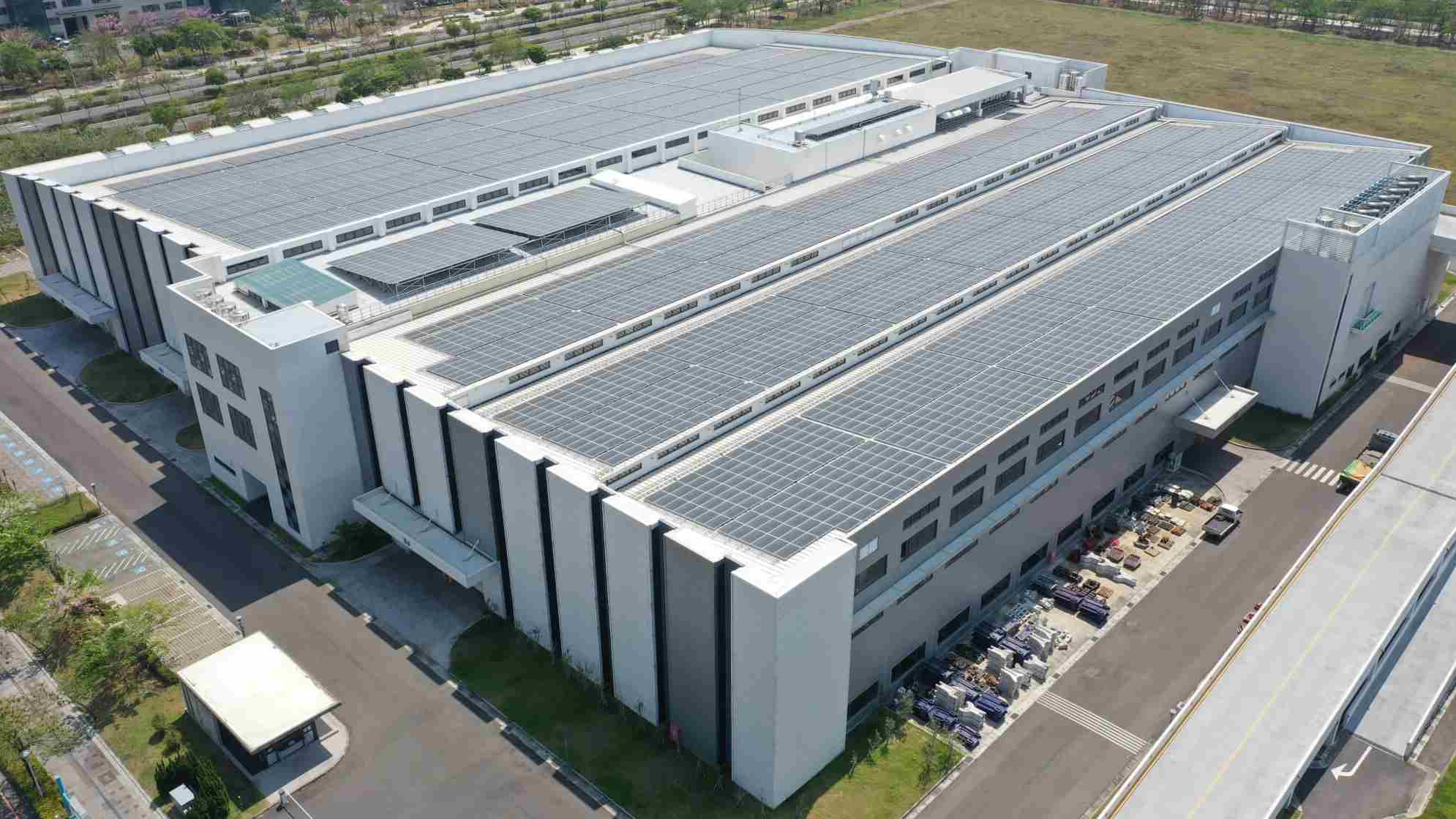
The technological world is standing on the edge of a transformation so massive that it could redefine global power structures, industries, and economies. At the center of this disruption is Elon Musk’s boldest and most ambitious project yet—Terafab, a $25 billion semiconductor manufacturing facility currently under development near Giga Texas.
This is not just another factory. It is not even just another chip plant. Terafab represents a complete rethinking of how computing power is produced, controlled, and deployed. In an era where artificial intelligence is becoming the backbone of innovation, Musk is making a strategic move to control the very resource that fuels it: computational power.
The Evolution: From Electric Cars to an AI Empire
Tesla’s Humble Chip Beginnings
In its early days, Tesla’s chip requirements were relatively simple. The company needed processors primarily for:
- Battery management systems
- Infotainment interfaces
- Basic vehicle control systems
Back then, Tesla functioned like a traditional automaker with some technological enhancements. However, this model no longer applies.
The Rise of a Tech Giant
Today, Tesla has transformed into something far greater—a full-scale AI-driven technology empire. Its ambitions now stretch far beyond electric vehicles into areas that demand unprecedented levels of computing power.
Key AI-Driven Innovations
1. Full Self-Driving (FSD)
Tesla’s Full Self-Driving technology is one of the most complex AI challenges in existence. It requires:
- Real-time processing of camera feeds
- Instant decision-making in unpredictable environments
- Continuous learning and adaptation
Each Tesla vehicle acts like a moving supercomputer, analyzing its surroundings every second.
2. Robotaxis & Cybercabs
Tesla’s vision of autonomous transportation involves turning millions of vehicles into:
- Fully autonomous robotaxis
- Revenue-generating AI machines
- Self-operating mobility systems
This transformation demands massive parallel computing capabilities on a global scale.
3. Optimus Humanoid Robots
Perhaps the most futuristic of Tesla’s projects is Optimus, a humanoid robot designed to operate in human environments. These robots must:
- Maintain balance and coordination
- Understand and interact with surroundings
- Learn tasks dynamically
This level of intelligence requires advanced neural networks and powerful custom chips.
Breaking the Global Chip Bottleneck
The Supply Crisis
One of the biggest challenges facing the AI revolution today is the limited global supply of semiconductor chips. Elon Musk has highlighted a shocking reality:
Current chip manufacturing capacity can meet only a tiny fraction of future AI demand.
This bottleneck threatens to slow down innovation across industries, from autonomous driving to robotics and space exploration.
Computing Power: The New Oil
Musk has compared computing power to “oil of the 21st century.” This analogy is powerful because:
- Oil fueled the industrial revolution
- Computing power fuels the AI revolution
By building Terafab, Musk is ensuring that his companies will not depend on external suppliers for this critical resource.
Terafab: A Gigantic Leap in Scale
Unprecedented Production Goals
Terafab is designed to achieve something never attempted before:
- 1 terawatt of computing capacity per year
- Equivalent to twice the power of the entire U.S. electrical grid
- Production of approximately 4 billion chips annually
This scale is not just ambitious—it is revolutionary.
Why Scale Matters
In AI, scale determines capability. More chips mean:
- Faster training of AI models
- More efficient real-time processing
- Greater innovation speed
Terafab aims to eliminate limitations and unlock exponential growth.
The Technology Behind Terafab
AI Training and Inference Chips
Terafab will produce next-generation chips based on Tesla’s evolving AI roadmap:
- AI5 (expected around 2026)
- Future iterations like AI6 and AI7
These chips are expected to:
- Deliver significantly higher performance
- Improve energy efficiency
- Enable real-time AI at unprecedented speeds
Space-Grade D3 Chips
Another groundbreaking aspect of Terafab is its focus on space-grade semiconductor technology.
These chips are designed for:
- Satellite networks like Starlink
- Extreme radiation environments
- Severe temperature fluctuations
This dual-purpose production—Earth and space—makes Terafab unique in the semiconductor industry.
Vertical Integration: Tesla’s Master Strategy
Breaking Free from Suppliers
Traditionally, companies like Tesla relied on semiconductor giants for chip supply. However, this approach comes with limitations:
- Long waiting times
- Limited customization
- Dependency on external priorities
Terafab changes the game entirely.
Key Advantages of Vertical Integration
1. Customization
Tesla can design chips specifically tailored for:
- Autonomous driving
- Robotics
- AI training
Instead of generic processors, these chips are optimized for maximum efficiency per watt.
2. Reduced Latency
By placing Terafab near Giga Texas, Tesla can:
- Accelerate development cycles
- Reduce testing time
- Implement rapid improvements
What once took months could now take weeks.
3. Strategic Sovereignty
Owning the entire production pipeline means:
- No dependency on global supply chains
- No delays due to shortages
- Full control over innovation timelines
This level of independence is rare—and incredibly powerful.
The Engineering Challenges
The Complexity of 2-Nanometer Chips
Building advanced semiconductor chips is one of the most difficult engineering feats in the world. Terafab will need to overcome challenges such as:
- Extreme ultraviolet (EUV) lithography
- Ultra-clean manufacturing environments
- Atomic-level precision in fabrication
Even minor errors can result in massive losses.
Collaboration with Industry Experts
To reduce risks, Tesla is collaborating with experienced semiconductor players like Intel. This partnership provides:
- Decades of manufacturing expertise
- Proven high-yield production methods
- Technical guidance for scaling operations
This hybrid approach—innovation plus experience—could be the key to success.
High Risk, High Reward
The Gamble
Terafab is not a guaranteed success. The risks include:
- Massive financial investment
- Technical execution challenges
- Uncertain market dynamics
However, the potential rewards are equally massive.
The Payoff
If successful, Terafab could:
- Redefine global semiconductor production
- Position Tesla as a dominant AI infrastructure provider
- Shift the balance of power in the tech industry
It could even rival national-level infrastructure in terms of importance.
Global Implications of Terafab
1. Disruption of Semiconductor Industry
Traditional chip manufacturers may face intense competition as Tesla enters the space with:
- Specialized chips
- Massive production capacity
- Vertical integration advantages
2. Acceleration of AI Development
With abundant computing power:
- AI innovation will accelerate dramatically
- New applications will emerge rapidly
- Barriers to entry may decrease
3. Strategic Power Shift
Countries and corporations alike may rethink their strategies around:
- Semiconductor independence
- AI infrastructure
- Technological sovereignty
Why Terafab Matters More Than You Think
Terafab is not just about Tesla. It represents a broader shift in how the world operates.
Key Takeaways
- AI is becoming the foundation of all industries
- Computing power is the most valuable resource of the future
- Control over chips equals control over innovation
Musk’s vision is clear: own the infrastructure that powers the future.
Conclusion: The Dawn of a New Tech Era
Elon Musk’s Terafab project is a bold declaration that the future will belong to those who control computational power. By investing $25 billion into a facility capable of producing billions of chips annually, Musk is not just solving a supply problem—he is reshaping the technological landscape.
If Terafab succeeds, it could:
- Accelerate the AI revolution
- Redefine industrial capabilities
- Establish a new global hierarchy in technology
This is more than a factory.
This is the foundation of a new world.
And whether the world is ready or not, that future is already under construction.
FAQs
1. What is Terafab?
Terafab is a $25 billion semiconductor manufacturing facility being developed by Elon Musk to produce advanced chips for AI, robotics, and space technologies.
2. Why is Terafab important?
Terafab is important because it aims to solve the global shortage of AI chips and provide massive computing power needed for future technologies like autonomous vehicles and humanoid robots.
3. Where is Terafab being built?
Terafab is currently under construction near Tesla’s Giga Texas facility in the United States.
4. What companies will benefit from Terafab?
Terafab will primarily support Tesla, SpaceX, and xAI by providing custom-designed chips tailored to their needs.
5. What kind of chips will Terafab produce?
Terafab will produce:
- AI training and inference chips
- Space-grade chips for satellite systems like Starlink
6. How many chips will Terafab produce annually?
The facility aims to produce approximately 4 billion chips per year, making it one of the largest semiconductor operations in the world.
7. What is the computing capacity target of Terafab?
Terafab is targeting 1 terawatt of computing capacity annually, an unprecedented scale in the tech industry.
8. How does Terafab help Tesla’s Full Self-Driving (FSD)?
Terafab will provide high-performance chips that enable real-time data processing, improving the safety and efficiency of Tesla’s autonomous driving systems.
9. What role does Terafab play in Tesla’s Optimus robot?
The facility will produce specialized chips that help Optimus robots process information, maintain balance, and learn tasks in real time.
10. Why is Elon Musk focusing on chip manufacturing?
Elon Musk believes computing power is the “oil of the 21st century” and wants to control chip production to avoid reliance on external suppliers.
11. What is vertical integration and why does it matter?
Vertical integration means Tesla controls the entire production process. This allows:
- Better customization
- Faster development
- Reduced dependency on other companies
12. What challenges does Terafab face?
Some major challenges include:
- Building 2-nanometer chip technology
- Maintaining ultra-clean manufacturing environments
- Achieving high production efficiency
13. Is Tesla working with other companies on Terafab?
Yes, Tesla is collaborating with companies like Intel to leverage their expertise in semiconductor manufacturing.
14. How will Terafab impact the global chip industry?
Terafab could disrupt traditional chip manufacturers by introducing large-scale, specialized chip production with faster innovation cycles.
15. When will Terafab be operational?
While no exact date is confirmed, it is expected to align with Tesla’s future AI chip roadmap, potentially around 2026 or later.
16. What happens if Terafab succeeds?
If successful, Terafab could:
- Revolutionize AI development
- Give Tesla a major competitive advantage
- Shift global technological power dynamics
Read More:
- Tesla Cybercab just rolled through Miami inside a glass box
- Tesla Robotaxi service in Austin achieves monumental new accomplishment
- Tesla Bot Gen 3 Capabilities Destroy Gen 2, New Level Tech!
- How SpaceX Will Build The Star Station
- New Tesla Battery 2027: Sodium-Ion vs Lithium—8,000 cycles, 300°C safety, cost parity threat
2 thoughts on “Elon Musk SHOCKED Terafab’s $25B Outchip Entire The World!”