
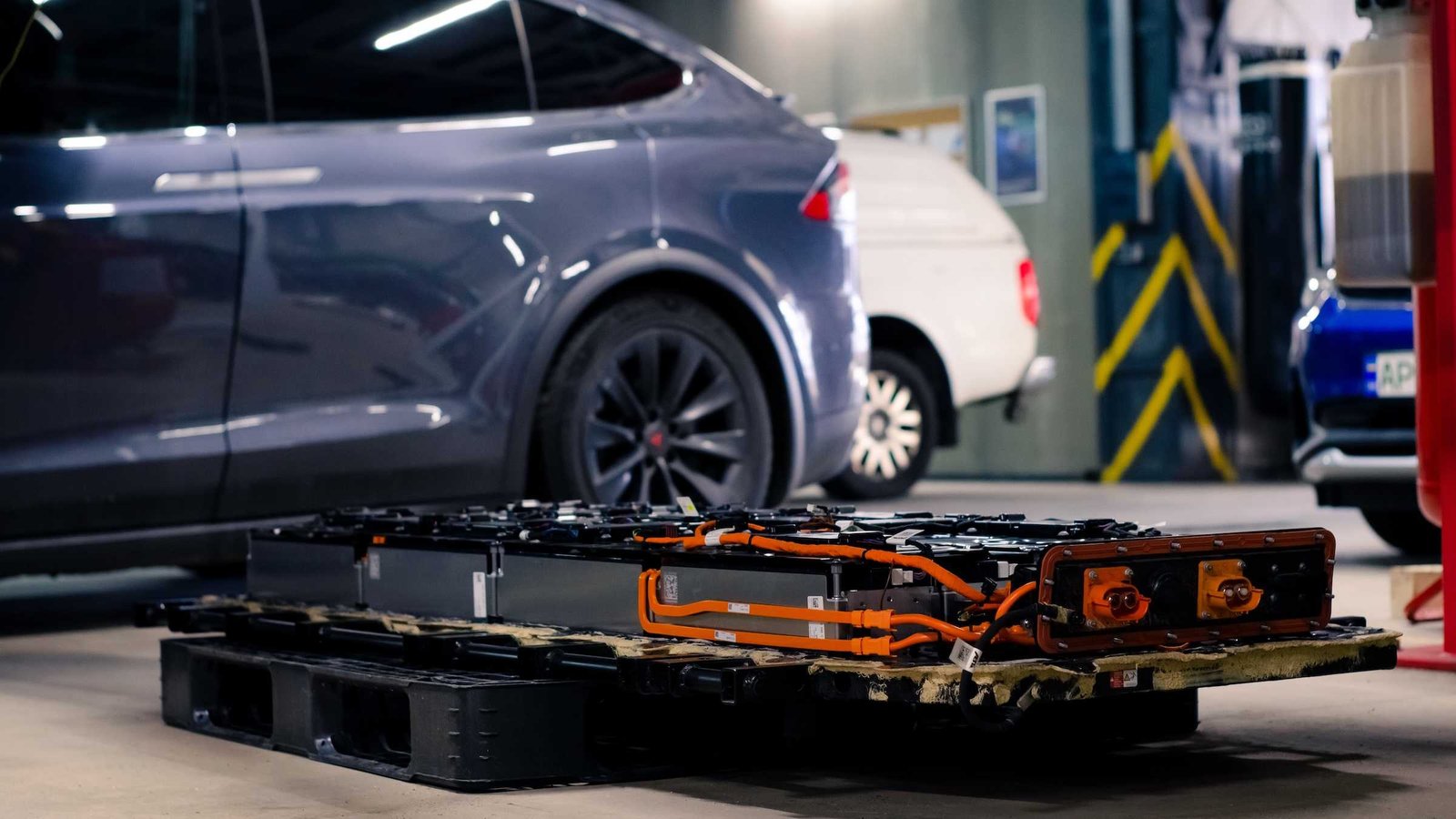
New Tesla Model 2 Aluminum Battery & Sodium: 20,000 Cycles, 600kW Charge & $2.1K Pack: The electric vehicle revolution has reached a critical turning point. While automakers have made major improvements in motor efficiency, manufacturing automation, and vehicle design, one major obstacle continues to prevent truly affordable EVs: battery cost.
Rising lithium commodity prices, including reported surges of nearly 190% in important refining markets, combined with a 25% tariff on imported battery components and critical minerals, have exposed a major weakness in the economics of mass-market electric vehicles.
For entry-level EVs like the highly anticipated $25,000 Tesla Model 2, the battery pack remains the largest single manufacturing expense. Even with simplified interiors and optimized production methods, expensive battery materials continue to push affordable EV targets beyond reach.
To achieve real price parity with gasoline-powered vehicles, manufacturers must move beyond traditional nickel-cobalt-manganese (NCM) and lithium-based chemistries and explore alternatives such as Aluminum-Ion and Sodium-Ion batteries.
Lithium Supply Chain Problems Are Driving EV Prices Higher
Global Dependence on Lithium Refining Creates Economic Pressure
Traditional EV cost reduction strategies have focused on:
- Streamlining vehicle designs
- Reducing manufacturing complexity
- Improving electric drivetrain efficiency
However, these improvements are limited when battery material prices remain unpredictable.
More than 60% of global lithium refining capacity is concentrated in China, creating a major supply chain vulnerability for international automakers. Political uncertainty, shipping challenges, and import tariffs can quickly increase battery production costs.
A conventional lithium battery pack currently costs around $130–$140 per kWh. For a vehicle using a 60 kWh battery pack, this creates an estimated battery manufacturing cost of approximately $8,600 before additional vehicle expenses.
This cost structure makes it difficult for affordable EVs to compete directly with entry-level internal combustion engine vehicles.
The Battery Cost Barrier
The biggest challenge facing affordable EV production includes:
- High lithium material costs
- Limited refining locations
- Geopolitical supply risks
- Battery component tariffs
The solution requires new battery technologies that use abundant materials while delivering competitive performance.
Aluminum-Ion Batteries: A New Foundation for Affordable EVs
Replacing Lithium With Abundant Aluminum Materials
Aluminum-ion battery technology represents a major shift in EV engineering. Instead of depending heavily on lithium resources, these batteries use aluminum ions as the primary energy carrier.
Although aluminum-ion cells currently have lower energy density compared with premium NCM lithium batteries, they provide advantages in:
- Ultra-fast charging
- Long cycle life
- Improved safety
- Lower material costs
Modern NCM lithium batteries typically deliver around 250–270 Wh/kg, while aluminum-ion prototypes achieve approximately 160–200 Wh/kg.
This represents a reduction in energy density, potentially reducing driving range by around 50 kilometers (31 miles). However, aluminum-ion technology compensates through significantly faster charging and improved durability.
10-Minute Charging and 10,000-Cycle Battery Life
One of the most impressive features of aluminum-ion technology is its charging capability.
Prototype aluminum-ion batteries have demonstrated:
- Extremely high charge acceptance rates
- Up to 60x faster charging capability compared with traditional lithium cells
- Approximately 10-minute full charging times
This changes the EV ownership experience. Instead of requiring long charging sessions, drivers could recharge almost as quickly as refueling a gasoline vehicle.
Another major advantage is battery lifespan.
While many lithium-ion batteries operate between 1,500 and 2,500 cycles, aluminum-ion technology targets approximately 10,000 charging cycles.
This could translate into millions of kilometers of potential operation, dramatically reducing battery replacement concerns.
Structural Battery Design: Turning the Battery Into the Vehicle Frame
Cell-to-Chassis Integration Reduces Weight and Manufacturing Costs
The next breakthrough is not only the chemistry but also the way batteries are integrated into vehicles.
Traditional EV battery packs require:
- Heavy protective cases
- Steel mounting brackets
- Internal support structures
- Complex wiring systems
A new cell-to-chassis aluminum architecture allows the battery structure to become part of the vehicle’s floor.
The aluminum anode block can function as both:
- An active battery material
- A structural component of the vehicle body
This approach can reduce battery pack weight significantly.
A conventional 75 kWh battery pack weighing around 440 kg could potentially be reduced to approximately 250 kg through structural integration.
Additional benefits include:
- Around 60% fewer welding operations
- Lower factory complexity
- Reduced vehicle weight
- Improved efficiency
A lighter vehicle requires less motor power, improves acceleration, and may reduce tire wear by approximately 15% throughout its lifetime.
Sodium-Ion Batteries: The Affordable Alternative for Mass EV Adoption
Abundant Sodium Could Replace Expensive Lithium
While aluminum-ion technology focuses on charging speed and structural advantages, sodium-ion batteries target affordability and resource availability.
Sodium is approximately 40 times cheaper than lithium and exists in abundant global reserves.
This eliminates many of the supply chain concerns associated with lithium extraction and refining.
Unlike lithium, sodium resources are not concentrated in a small number of regions, making sodium-ion batteries attractive for large-scale EV production.
20,000 Cycles and Extreme Cold Performance
One major advantage of sodium-ion technology is durability.
The larger sodium-ion radius reduces mechanical stress inside battery electrodes during repeated charging cycles. This helps prevent harmful dendrite formation, which can cause internal battery failures.
As a result, sodium-ion batteries may achieve up to:
20,000 charge cycles
Cold-weather performance is another major advantage.
Traditional lithium batteries can lose more than 20% usable capacity in freezing temperatures. Sodium-ion batteries can maintain approximately 85% capacity at -30°C (-22°F).
They also support high-power charging systems, including potential 600 kW charging capability, making them suitable for commercial fleets and future fast-charging networks.
The $2,100 Battery Pack: How New Chemistry Could Transform EV Pricing
Cutting Battery Costs by Thousands of Dollars
The biggest impact of aluminum-ion and sodium-ion technology is economic.
Current lithium battery packs:
- Cell cost: $130–$140/kWh
- 60 kWh battery cost: Around $8,600
Future alternative battery systems could achieve:
- Cell cost: $30–$60/kWh
- Battery pack cost: Approximately $2,100–$3,900
This represents potential savings of $5,000–$6,500 per vehicle.
Those savings could allow affordable EV platforms, including vehicles similar to the rumored Tesla Model 2, to reach prices near $21,000 before incentives.
That would place electric vehicles directly against traditional affordable gasoline cars.
Aluminum-Ion vs Sodium-Ion vs Lithium Battery Comparison
Next-Generation Battery Technology Breakdown
| Feature | Lithium NCM | Aluminum-Ion | Sodium-Ion |
|---|---|---|---|
| Energy Density | 250–270 Wh/kg | 160–200 Wh/kg | 130–160 Wh/kg |
| Cost per kWh | $130–$140 | $40–$60 | $30–$50 |
| Cycle Life | 1,500–2,500 cycles | ~10,000 cycles | Up to 20,000 cycles |
| Charging Time | 20–45 minutes | Around 10 minutes | 10–15 minutes |
| Cold Performance | 70–80% retention | Around 80% retention | Around 85% retention |
| Main Resource | Lithium Hydroxide | Bauxite/Aluminum | Sodium Carbonate |
The Future of Affordable Electric Vehicles
The future of mass-market EV adoption depends on reducing battery costs, improving durability, and eliminating supply chain risks.
Aluminum-ion batteries offer rapid charging, structural integration, and long service life.
Sodium-ion batteries provide affordability, cold-weather reliability, and abundant resources.
Together, these technologies could create the foundation for a new generation of affordable electric vehicles priced between $20,000 and $25,000.
The next EV breakthrough may not come from simply making bigger batteries. It may come from replacing expensive materials with smarter chemistry and redesigning the vehicle around the battery itself.
With targets like 600 kW charging, 20,000-cycle lifespan, and $2,100 battery packs, next-generation batteries could finally make affordable electric transportation a global reality.
FAQs
1. What is the new Tesla Model 2 battery technology expected to use?
The rumored Tesla Model 2 battery technology could benefit from next-generation battery innovations such as Aluminum-Ion and Sodium-Ion chemistries. These technologies aim to reduce battery costs, improve charging speed, and decrease dependence on expensive lithium-based materials.
2. Why are lithium battery prices increasing?
Lithium prices are rising due to increasing global demand for electric vehicles, limited refining capacity, supply chain challenges, and geopolitical risks. More than 60% of lithium refining capacity is concentrated in China, creating additional cost pressure for global automakers.
3. How much does a traditional EV battery pack cost?
A conventional lithium-ion EV battery pack can cost around $130–$140 per kWh. For a 60 kWh battery pack, the manufacturing cost can reach approximately $8,600, making affordable EV production more difficult.
4. What is an Aluminum-Ion battery?
An Aluminum-Ion battery is an alternative battery technology that replaces lithium ions with aluminum ions for energy storage. It focuses on lower material costs, faster charging, improved safety, and longer cycle life.
5. How fast can an Aluminum-Ion battery charge?
Aluminum-Ion battery prototypes have demonstrated extremely fast charging capabilities. Some designs target a full 0–100% charge in around 10 minutes, significantly faster than many current lithium-ion batteries.
6. How many cycles can an Aluminum-Ion battery last?
Advanced Aluminum-Ion batteries may achieve around 10,000 charge cycles, compared with approximately 1,500–2,500 cycles for many conventional lithium-ion batteries. This could provide a much longer operational lifespan.
7. Are Aluminum-Ion batteries safer than lithium batteries?
Aluminum-Ion technology has the potential for improved safety because some designs use non-flammable electrolytes that remain stable at high temperatures. This can help reduce the risk of thermal runaway events.
8. What is a Sodium-Ion battery?
A Sodium-Ion battery uses sodium ions instead of lithium ions for energy storage. Sodium is much more abundant and cheaper than lithium, making it a promising option for affordable electric vehicles and large-scale energy storage.
9. Why is Sodium-Ion battery technology important for EVs?
Sodium-Ion batteries could reduce EV costs because sodium is widely available and does not rely on concentrated lithium supply chains. They may help manufacturers produce more affordable electric vehicles.
10. How many cycles can a Sodium-Ion battery achieve?
Advanced Sodium-Ion batteries can potentially reach up to 20,000 charge cycles, offering extremely long battery life compared with traditional EV battery systems.
11. How do Sodium-Ion batteries perform in cold weather?
Sodium-Ion batteries offer strong low-temperature performance. Some designs can retain around 85% of usable capacity at -30°C (-22°F), where traditional lithium batteries may experience significant performance losses.
12. Can Sodium-Ion batteries charge quickly?
Yes. Sodium-Ion battery systems are being developed with high-power charging capabilities, including potential 600 kW charging support for future applications such as electric fleets and commercial vehicles.
13. Will Aluminum-Ion and Sodium-Ion batteries replace lithium batteries completely?
These technologies may not completely replace lithium batteries immediately. Instead, Aluminum-Ion, Sodium-Ion, and lithium-based batteries may serve different market segments depending on cost, range requirements, and performance needs.
14. How can new battery technology reduce EV prices?
Lower-cost materials can significantly reduce battery manufacturing expenses. Moving from lithium battery costs of $130–$140/kWh toward $30–$60/kWh could save thousands of dollars per vehicle.
15. What is cell-to-chassis battery integration?
Cell-to-chassis integration means the battery pack becomes part of the vehicle’s structural frame instead of being installed as a separate component. This reduces weight, lowers manufacturing complexity, and improves efficiency.
16. How much weight can structural battery design save?
A traditional 75 kWh battery pack weighing around 440 kg could potentially be reduced to approximately 250 kg through structural integration. The lower weight improves vehicle efficiency and performance.
17. Can these batteries help create a $20,000 electric vehicle?
Yes, lower-cost battery chemistries could help automakers achieve affordable EV targets. Battery pack costs potentially dropping to $2,100–$3,900 could support vehicles priced near the $20,000–$25,000 range.
18. When will Aluminum-Ion and Sodium-Ion EV batteries become common?
Commercial adoption will depend on continued research, manufacturing scale-up, and automaker investment. Companies are already developing and commercializing sodium-ion systems, while aluminum-ion technology continues advancing toward wider automotive applications.
Read More:
- Tesla stock tumbles after earnings, one of its sharpest single-day declines
- SpaceX Starship Flight 13 faces wrath of the Texas skies
- Tesla door handle saga gets its latest chapter and a big change is coming
- Tesla short sellers win big after shares fall after earnings
- Tesla’s Supercharger Diner probably just secured more locations