
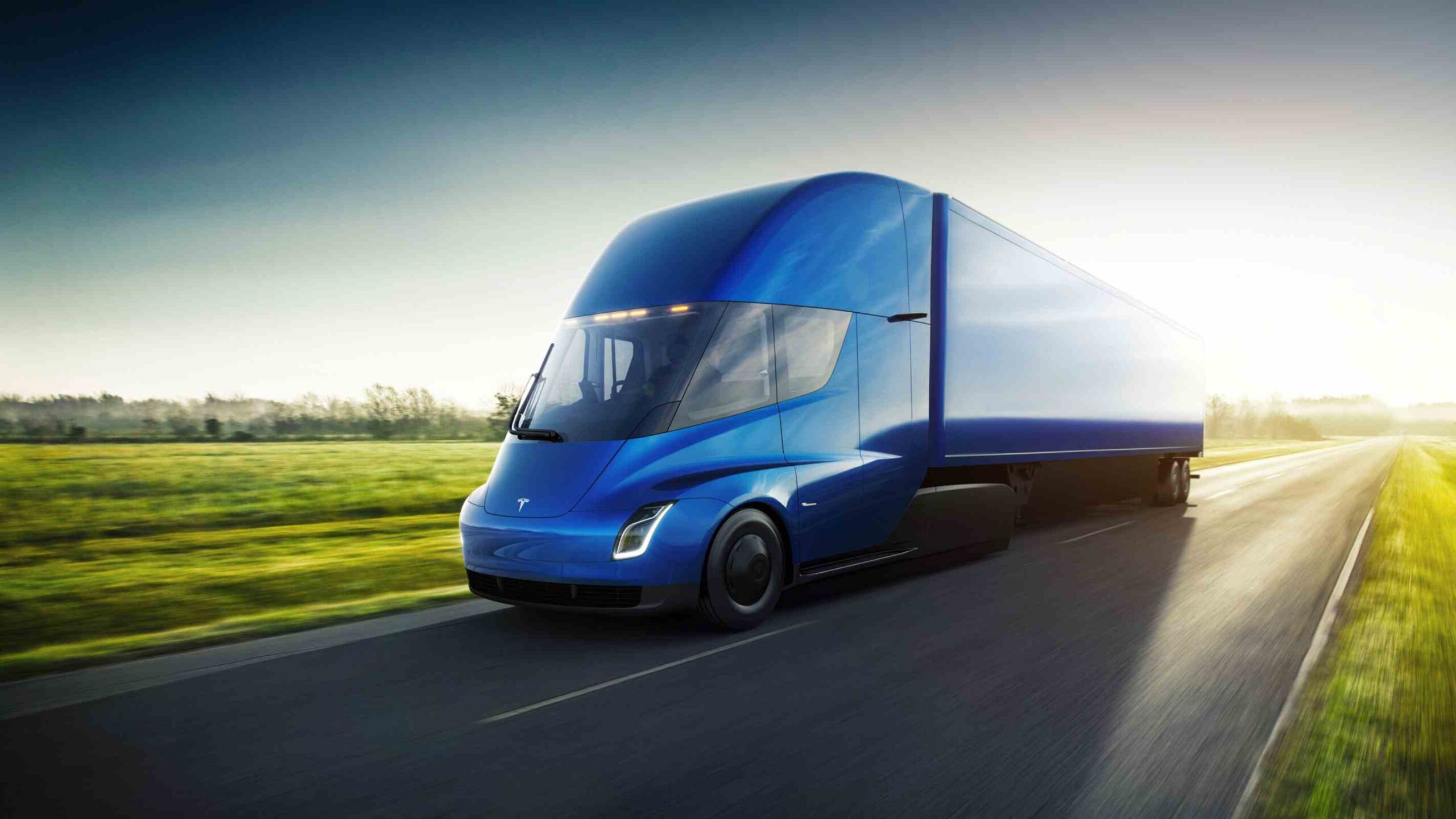
Tesla continues to capture the world’s attention with its relentless innovation in electric vehicles. While the Tesla Model Y has dominated headlines for years, the Tesla Semi is now stepping into the spotlight with a full-scale production line in Nevada. The unveiling of Tesla’s Giga Semi factory marks a monumental shift in the heavy-duty trucking industry. But what makes this factory so special, and how will it impact Tesla’s future? Let’s dive deep into the first look inside the Tesla Semi mass production line.
The Tesla Semi: From Prototype to Production
For years, the Tesla Semi has been a topic of speculation. When it was first unveiled in 2017, skeptics were quick to dismiss the idea, citing long-range electric trucks as impractical. Even Bill Gates once argued that heavy batteries would make electric trucks inefficient and doubted the feasibility of Tesla scaling production. Despite these doubts, Tesla has pressed forward, and the latest images from the Nevada factory finally show that Tesla is serious about mass production.

So far, only about 500 Tesla Semis have been produced during limited pilot programs. This slow pace is often referred to as “production hell”. The main reason? Until now, Tesla didn’t have a dedicated, large-scale production line for the Semi.
Inside the Giga Semi Factory
The new images reveal a massive, state-of-the-art assembly line. Red robotic conveyor systems stretch across the vast factory floor, moving components hundreds of meters with precision. One of the most impressive sights is the semi-frame being lowered by robotic arms onto dedicated platforms for measurement and quality inspection.
Key Features of the Production Line
- Structured Assembly Process – Engineers perform weld inspections and structural analysis at multiple stages to ensure maximum durability.
- Spotless Facility – Gleaming floors, brand-new machinery, and powerful lighting make the factory appear almost futuristic.
- Dedicated Robotic Systems – Robots handle heavy lifting and frame placement, ensuring accuracy and efficiency.
Unlike vehicles like the Model Y or Cybertruck, which use the Giga Press for large castings, the Tesla Semi’s frame is primarily welded, showcasing a more traditional yet scalable approach.
Production Goals: 50,000 Trucks a Year
Tesla aims to manufacture 50,000 Semi trucks annually. Achieving this would generate over $13 billion in revenue based on an average selling price of $260,000 per unit. Even if Tesla only reaches half of that target, it would still be a massive game-changer for the road freight industry.
Producing 50,000 trucks annually would mean one Semi rolling off the line roughly every 10 minutes, assuming the factory operates 24/7. However, early production ramps are notoriously challenging, and Tesla will likely face initial delays before reaching full capacity.
Tesla Semi vs Traditional Diesel Trucks
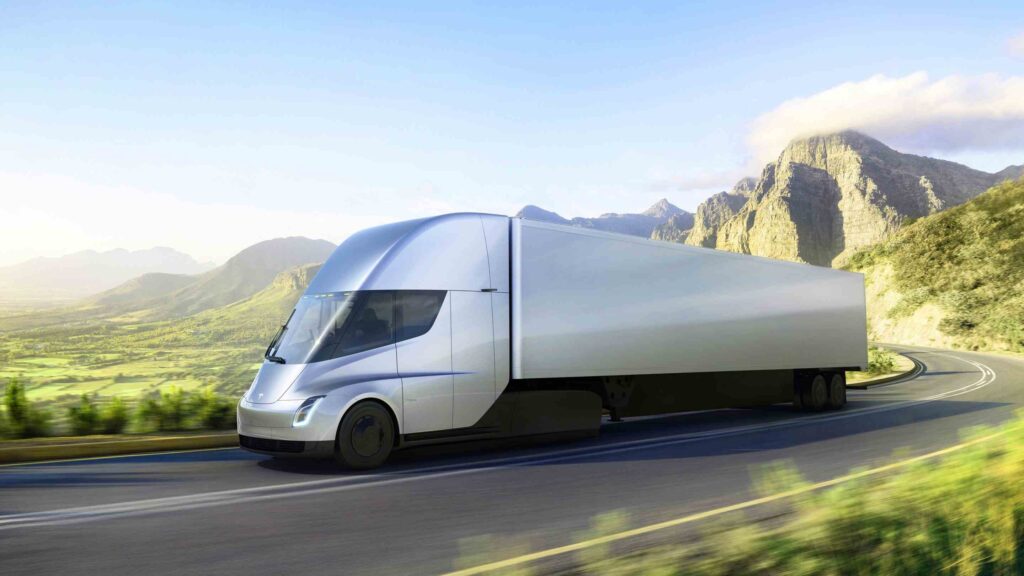
The Tesla Semi is more than just an electric alternative to diesel trucks. Its design and technology provide several operational and economic advantages:
Efficiency and Cost Savings
- Energy Efficiency – Approximately 1.7 kWh per mile, compared to diesel trucks consuming 50–67 cents per mile.
- Lower Operating Costs – About 17–26 cents per mile, roughly half of a diesel truck.
- Reduced Maintenance – Fewer moving parts lead to up to 50% lower maintenance costs.
Performance
- Acceleration – The tri-motor system produces 1,720 horsepower, allowing the truck to reach 60 mph in 20 seconds even when fully loaded.
- Regenerative Braking – Optimizes energy recovery while reducing wear and tear.
- Payload Capacity – Thanks to 4680 battery technology and integrated chassis design, the truck carries cargo comparable to diesel trucks while maintaining a weight of 20,000–23,000 lbs.
Range and Charging Capabilities
Tesla Semis come in two versions:
- Standard Range – 325 miles
- Long Range – 500 miles
Even fully loaded at 82,000 lbs, the long-range Semi maintains its performance. Tesla is simultaneously building a megawatt charging system (MCS) across major US freight corridors, with 46 planned charging sites. This network allows trucks to restore 70% of their range in roughly 30 minutes, giving Tesla a significant advantage in fleet operations efficiency.
Full Self-Driving Integration
Elon Musk has confirmed that the Tesla Semi will eventually feature Full Self-Driving (FSD). Integrating FSD could significantly reduce operating costs and improve safety for fleet operators. Early images also show refreshed Semi models supporting these features, signaling Tesla’s commitment to innovation in commercial logistics.
Early Adopters and Pilot Programs
Despite mass production not fully commencing, Tesla has already delivered around 200 Semis during pilot programs:
- PepsiCo and DHL Supply Chain – Early recipients during the pilot phase.
- High Logistics – Recently became one of the first commercial operators of trucks from the new production line.
- Internal Use – Tesla is also using some Semis for internal logistics and data collection.
These early deployments help Tesla refine manufacturing processes and collect valuable operational data before scaling production.
Tesla Semi’s Global Expansion
Elon Musk has confirmed plans to bring the Semi to the European market. Production at Gigafactory Berlin-Brandenburg is expected to start next year, expanding Tesla’s footprint in the commercial electric vehicle sector.
This global rollout will help Tesla tap into the $800 billion US and global road freight markets, challenging traditional diesel operators while promoting sustainable logistics.
Why This Matters
The unveiling of Tesla’s dedicated Semi production line is a major milestone for several reasons:
- Proof of Scalability – The factory shows Tesla has moved beyond prototypes to mass production capabilities.
- Economic Impact – Potential revenue of over $13 billion annually, transforming Tesla’s business model.
- Technological Leadership – Demonstrates Tesla’s advanced battery technology, integrated chassis design, and FSD integration in commercial trucks.
Even if Tesla produces only 25,000 Semis annually initially, it represents a major strategic shift, creating a new segment alongside its passenger vehicle business that is less sensitive to consumer sentiment fluctuations.
Tesla Semi vs Skeptics
Historically, skeptics have doubted the viability of electric trucks:
- Bill Gates argued in 2017 that heavy batteries would make electric trucks impractical for long-distance freight.
- Some analysts even predicted Tesla could fail in this segment, betting against the company.
Today, with the Semi entering mass production, those predictions are being challenged. Tesla continues to push the boundaries of automotive engineering, proving that heavy-duty electric vehicles are not only feasible but commercially viable.
The Road Ahead
Tesla is on track to begin full-scale mass production before the end of June this year, though initial ramp-up will be gradual. The Giga Semi line is designed for efficiency, scalability, and high-volume output, ensuring Tesla can capture significant market share in the heavy-duty truck sector.
With advanced battery technology, megawatt charging infrastructure, and FSD capabilities, Tesla Semis offer:
- Zero emissions transportation
- Lower operating and maintenance costs
- High performance and long-range hauling
These factors make the Tesla Semi a compelling alternative to traditional diesel trucks and a potential disruptor in global logistics.
Conclusion
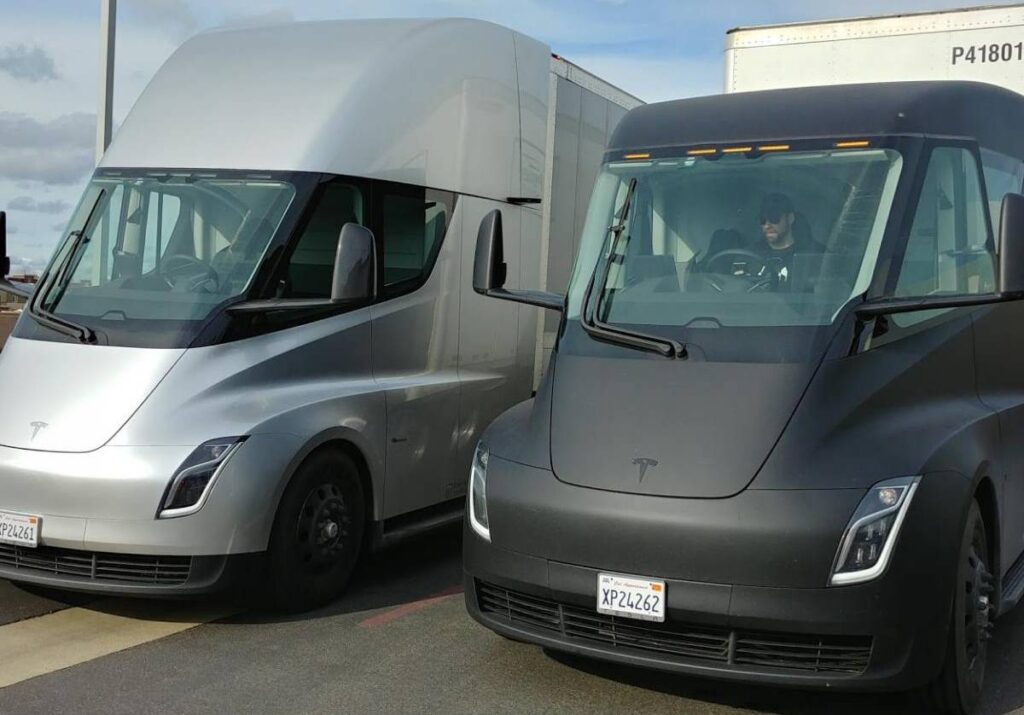
The first images of Tesla’s Semi production line provide a glimpse into the future of electric trucking. With the Giga Semi factory now operational, Tesla is poised to transform the commercial trucking industry, proving that what was once considered impossible is now within reach.
While challenges remain in ramping up production, the potential for innovation, efficiency, and profitability is enormous. Early deliveries, pilot programs, and global expansion plans indicate that Tesla is not just experimenting, but building a sustainable and scalable business model for heavy-duty electric vehicles.
The Tesla Semi represents more than just a truck—it is a statement of Tesla’s capability, vision, and determination to lead the future of transportation.
Are we ready to see more Tesla Semis on the road? If these production lines perform as expected, the answer is a resounding yes. The era of mass-produced electric trucks is officially here, and Tesla is driving it forward.
FAQs
1. What is the Tesla Semi?
The Tesla Semi is a fully electric heavy-duty truck designed for long-haul freight transport. It offers lower operating costs, zero emissions, and advanced technology compared to traditional diesel trucks.
2. Where is the Tesla Semi produced?
The Tesla Semi is currently produced at Tesla’s Giga Semi factory in Nevada, with future production planned at Gigafactory Berlin-Brandenburg for the European market.
3. When will Tesla Semis enter mass production?
Full-scale mass production is expected to begin before the end of June 2026, though early production ramps may be gradual.
4. How many Tesla Semis can the factory produce annually?
At full capacity, the Giga Semi factory is designed to produce up to 50,000 trucks per year, though initial production may be closer to 25,000 units.
5. What is the range of the Tesla Semi?
The Tesla Semi comes in two versions: a standard range of 325 miles and a long range of 500 miles, even when fully loaded.
6. How fast can a Tesla Semi accelerate?
The tri-motor system delivers 1,720 horsepower, allowing the Tesla Semi to accelerate from 0 to 60 mph in about 20 seconds, even with a full 82,000 lb load.
7. What are the charging capabilities of the Tesla Semi?
Tesla is building a megawatt charging system (MCS) network with 46 planned sites, allowing trucks to restore 70% of their range in about 30 minutes using V4 charging technology.
8. How efficient is the Tesla Semi compared to diesel trucks?
The Tesla Semi uses approximately 1.7 kWh per mile, resulting in operating costs of 17–26 cents per mile, which is roughly half the cost of diesel trucks.
9. What makes the Tesla Semi production line unique?
The Giga Semi production line is fully automated, with robotic arms, dedicated inspection stations, and a structured, repeatable manufacturing process, marking a shift from prototypes to mass production.
10. Does the Tesla Semi support Full Self-Driving (FSD)?
Yes, refreshed versions of the Tesla Semi are designed to integrate Full Self-Driving, which can reduce operating costs and improve fleet efficiency.
11. How does the Tesla Semi handle payload capacity?
Despite its heavy batteries, the Tesla Semi weighs only 20,000–23,000 lbs, allowing it to carry cargo comparable to traditional diesel trucks.
12. Which companies are using Tesla Semis?
Early adopters include PepsiCo, DHL Supply Chain, and High Logistics, with some trucks also used internally by Tesla for logistics and testing.
13. When will the Tesla Semi be available in Europe?
Tesla plans to start European production at Gigafactory Berlin-Brandenburg in 2027, expanding the Semi’s global reach.
14. What are the environmental benefits of the Tesla Semi?
The Tesla Semi produces zero emissions, reduces dependency on fossil fuels, and lowers carbon footprints for fleet operators compared to diesel trucks.
15. How does the Tesla Semi compare to other electric trucks?
With long-range capability, FSD integration, fast megawatt charging, and efficient operation, the Tesla Semi offers advantages over other electric trucks currently on the market.
16. Why is Tesla Semi production important for the industry?
Mass production of the Tesla Semi demonstrates that heavy-duty electric trucks are feasible, offering a sustainable and economically viable alternative to diesel, and potentially reshaping global logistics.
Read More:
- Elon Musk’s xAI, creator of Grok and Grokipedia, celebrates its third birthday
- Tesla gathers Cybercab fleet in Gigafactory Texas
- The Boring Company’s Prufrock-2 emerges after completing new Vegas Loop tunnel
- SpaceX weighs Nasdaq listing as company explores early index entry: report
- Tesla Semi expands pilot program to Texas logistics firm: here’s what they said
1 thought on “Inside Tesla Semi Mass Production Line, No More Delays! (First Look)”