
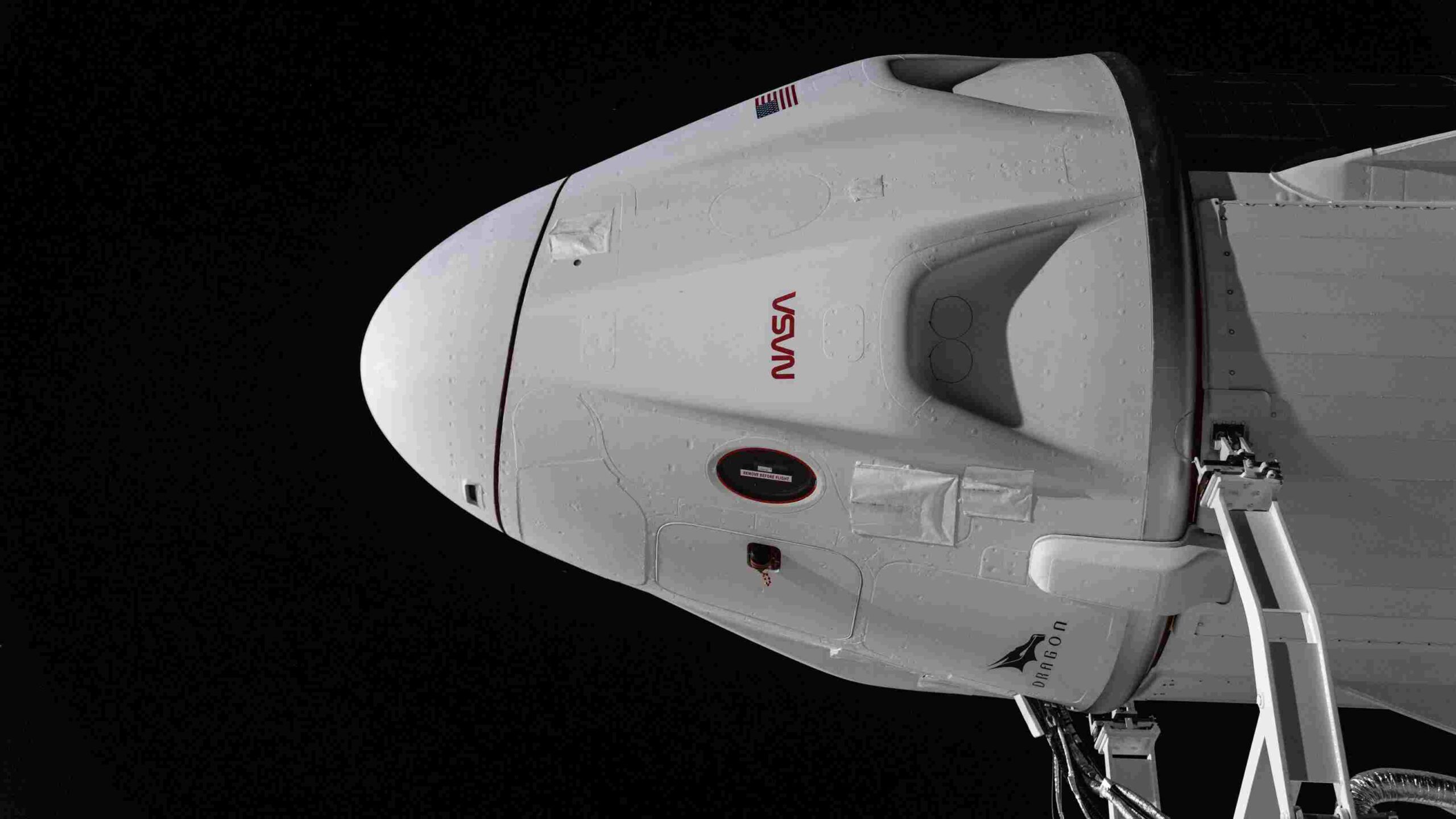
In the quiet sands of Boca Chica, Texas, something extraordinary is happening behind SpaceX’s towering steel walls. Without flashy announcements or media buzz, Elon Musk’s team is rewriting the future of space exploration. The Starship Version 3 (V3) is not just another upgrade — it’s a full redefinition of what a spacecraft can be.
This isn’t just a race to Mars anymore. It’s the dawn of a new lunar era, where SpaceX’s vision and NASA’s ambitions are beginning to merge — or perhaps, collide. With Starship V3 halfway complete and NASA’s Artemis program depending on the Starship Human Landing System (HLS), the next few months could define humanity’s path beyond Earth.
Let’s dive deep into how SpaceX is quietly building the future, and why NASA can hardly believe what’s unfolding before their eyes.
The Rise of Starship V3: Redefining the Rocket, Not Just Upgrading It
Behind the massive Mega Bay at Starbase, Ship 39 is coming to life — a stainless-steel giant that represents SpaceX’s most ambitious redesign yet.
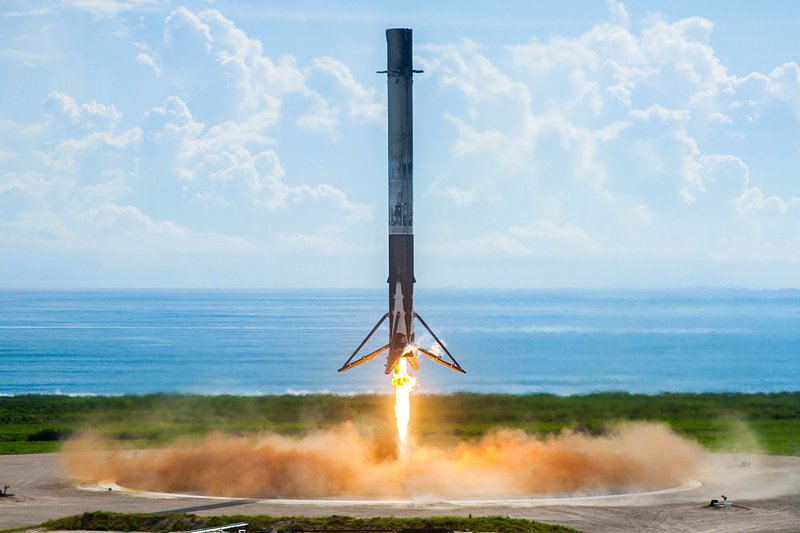
Starship Version 3 is not a mere iteration. Engineers inside SpaceX call it a “turning point.” Every system, from its tanks to its engines, has been reimagined for performance, efficiency, and reliability.
A New Structure with More Power and Payload
In Ship 39, the oxygen tank sits lower, allowing for increased propellant capacity without adding height. This means longer missions, heavier payloads, and a greater safety margin for deep-space operations.
Underneath it all, the Raptor 3 engines are emerging as the beating heart of this new ship.
At McGregor, Texas, engineers recently broke records with a 49-second Raptor test fire, followed by five flawless relights — proof that SpaceX has achieved what few thought possible: a reusable, restartable, high-performance engine that can operate flawlessly in space.
Each Raptor 3 now delivers nearly 250 tons of thrust, and when grouped — 33 of them on a single booster — they generate over 8,000 tons of power. That’s twice the thrust of NASA’s Saturn V, the rocket that first carried humans to the Moon.
But this time, the goal isn’t just reaching the Moon — it’s building there.
SpaceX and NASA: The Starship HLS Partnership That’s Changing Everything
While Starship V3 takes shape, SpaceX’s Human Landing System (HLS) for NASA’s Artemis mission is quietly achieving major milestones.
49 Technical Milestones Completed
In a recent update — quietly dropped without fanfare — SpaceX revealed that 49 key milestones for the HLS program are already complete. These include:
- Full-scale landing leg drop tests simulating lunar impact speeds
- Micrometeoroid impact simulations on external hulls
- Complete life-support system trials with real human participants
At Hawthorne, SpaceX’s engineers built a full-scale HLS mockup and conducted human-in-the-loop simulations, where test subjects — wearing real Axiom Space suits — practiced exiting the airlock, descending an elevator, and stepping onto simulated lunar terrain.
This isn’t concept art anymore. It’s reality. SpaceX is already rehearsing the Moon landing.
NASA’s Quiet Shock
When NASA’s Acting Administrator, Shaw Duffy, implied that SpaceX might be behind schedule, Elon Musk didn’t respond with words — he responded with data.
Just days later, the detailed technical update dropped online: page after page of completed milestones, verified tests, and images that left no room for doubt.
NASA officials were stunned. SpaceX wasn’t behind schedule — they were ahead of it.
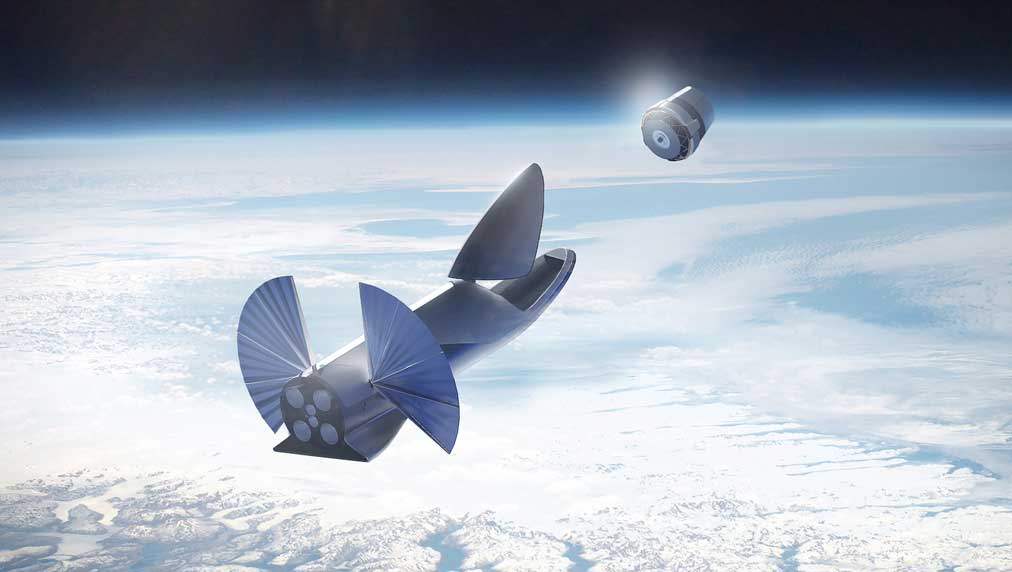
Inside Starbase: The Factory of the Future
At Starbase, Texas, Starship’s production line operates like an industrial symphony.
Workers move with precision, stacking stainless steel rings, welding transfer tubes, and connecting an intricate network of pipes and systems that look more like veins than machinery.
Booster 18 and the Rebirth of Launch Infrastructure
Nearby, Booster 18 waits — a massive rocket body equipped with new recessed grid fins designed to minimize heat loads during re-entry.
Meanwhile, Launch Pad 1 is being stripped and rebuilt with a brand-new flame trench modeled after the upgraded Pad 2 design. Each screw, each weld, is part of a broader transformation — a future where launches are faster, safer, and more frequent.
And this effort isn’t confined to Texas.
The Florida Expansion: Gigabay at Kennedy Space Center
At Kennedy Space Center, construction is underway on the Gigabay, a massive Starship assembly hall rising beside NASA’s iconic Vehicle Assembly Building (VAB).
When completed, SpaceX will have full-scale production on both coasts — an unprecedented feat that signals one thing: industrial dominance.
SpaceX isn’t just building for the next launch.
They’re building for hundreds of launches, for a future where rockets roll off the line like airliners.
The Human Landing System Cabin: From Mockup to Reality
One of the most impressive pieces of this puzzle is the Starship HLS flight cabin.
Inside, engineers have tested environmental systems, life support, oxygen supply, thermal control, communications, and power regulation.
Real people have lived inside this mockup for simulations, experiencing what astronauts will face during lunar missions.
This goes beyond testing machinery — it’s testing human experience.
When you see those stunning renders of astronauts stepping out of Starship onto lunar soil, understand this: it’s not a dream anymore. It’s hardware in motion.
NASA’s Dilemma: SLS vs. Starship
Behind closed doors, a quiet debate brews within NASA. Should the agency continue funneling billions into SLS and Orion, or embrace Starship, which is proving cheaper, faster, and more capable?
The Power Shift in Spaceflight
SLS is symbolic — the government’s flagship rocket.
Starship, however, represents private reality — fast, modular, reusable, and built for the future.
If SpaceX successfully perfects in-orbit refueling — expected as soon as next year — it will change everything.
A refuelable ship can go anywhere: the Moon, Mars, or beyond.
It doesn’t just launch missions. It launches eras.
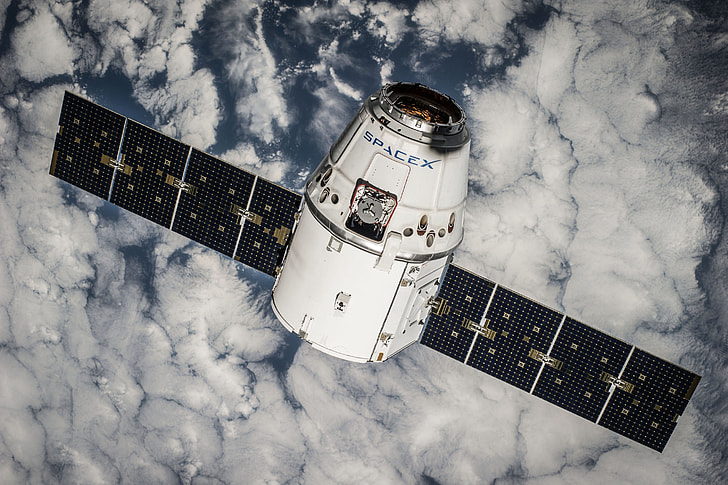
Inside McGregor: The Symphony of Fire
At McGregor, testing of the Raptor 3 engines has reached an unprecedented pace.
In just one week, engineers conducted over two dozen test fires — including endurance runs, rapid relights, and six-minute burns.
These engines aren’t prototypes anymore. They’re production-ready workhorses, refined through countless cycles of testing, teardown, and rebuilding.
SpaceX doesn’t just test — they learn through failure. Each explosion, each cracked weld, becomes a lesson in real-time engineering evolution.
That’s something traditional aerospace programs can’t replicate with spreadsheets and reviews.
The Secret Facility and the Lunar Drop Tests
Satellite imagery has revealed a mysterious, tarp-covered structure at McGregor. For months, analysts speculated it was another test bay — until small plumes of smoke and dust gave away something far more fascinating.
Many now believe this facility hosts simulated lunar surface testing, possibly for the landing leg drop tests at flight energies mentioned in SpaceX’s update.
If true, it’s where SpaceX is testing the systems that determine whether astronauts land safely or crash on the Moon.
SpaceX’s silence here is deliberate. Mystery fuels curiosity. And curiosity fuels attention — exactly the kind of energy that keeps the world watching every move from Starbase.
A New Recovery Revolution: From Mechazilla to the Ocean
Perhaps the boldest shift in SpaceX’s future plan is the rumored move from Mechazilla tower catches to ocean drone ship landings.
When SpaceX first announced that it would catch the world’s largest rocket with mechanical arms, the world called it insane. But now, Musk may be preparing to pivot once again — for practical reasons.
Why Move Starship Landings to the Ocean?
Bringing Super Heavy all the way back to Texas requires a massive boost-back burn, consuming tens of tons of extra fuel just to reverse course.
By landing on a massive drone ship positioned along Starship’s natural trajectory, SpaceX could save fuel, increase safety, and reduce turnaround time.
This approach would transform rocket recovery once again — just as Falcon 9’s ocean landings revolutionized reusability in 2015.
And for a rocket of Starship’s scale, that efficiency isn’t just helpful — it’s essential.
The Competition: Blue Origin, China, and the Race to the Moon
The race for lunar dominance is heating up.
Blue Origin is developing its own lunar lander for NASA, but while Jeff Bezos’ company is testing mockups, SpaceX is building orbital hardware.
And then there’s China, advancing its Chang’e program with ambitions to land taikonauts on the Moon by the late 2020s.
This isn’t just a space race — it’s a geopolitical contest.
For Musk, this adds urgency. As he once said, “The future of life can’t just be left to chance.”
Starship isn’t about competition. It’s about ensuring humanity’s survival beyond Earth — before anyone else defines what that future looks like.
Industrial Momentum: The Pieces Coming Together
Step back and it all connects:
- Ship 39’s construction at Starbase
- Raptor 3’s breakthroughs at McGregor
- HLS cabin rehearsals in Hawthorne
- Gigabay expansion in Florida and Texas
Each project is a piece of a massive, unified vision — a self-sustaining lunar system with refueling depots, tankers, crewed landers, and human-rated Starships, all built on a single scalable design language.
This isn’t science fiction anymore. It’s industrial reality.
Every week, SpaceX inches closer to turning lunar logistics into routine operations — the kind of sustainable cycle that can eventually support a permanent human presence on the Moon.
The Turning Point for Humanity
Starship V3 has changed everything.
It’s no longer a prototype or an experiment. It’s the foundation of a new era in human spaceflight.
While bureaucracies debate and competitors simulate, SpaceX builds — quietly, relentlessly, and faster than anyone expected.
Each weld, each engine fire, each milestone is another step toward the moment when humans return to the Moon — not as visitors, but as settlers.
And that’s something even NASA can hardly believe.
Conclusion: The Future Is Already in Motion
As the Starship V3 nears completion and NASA’s Artemis missions approach launch, the world is witnessing a paradigm shift in real time.
SpaceX is no longer waiting for permission to make history. It’s already writing it.
From refuelable spacecraft to modular lunar systems, from rapid iteration to industrial scalability, the company has built something bigger than rockets — it’s built momentum.
And as that momentum accelerates, one truth becomes undeniable:
The future of humanity’s expansion beyond Earth isn’t coming someday. It’s being built right now, in stainless steel and fire.
FAQs
1. What is SpaceX Starship Version 3 (V3)?
Starship V3 is the latest and most advanced version of SpaceX’s fully reusable spacecraft. It features a redesigned structure, upgraded Raptor 3 engines, improved propellant efficiency, and enhanced payload capacity. Starship V3 represents a major step forward in making deep-space travel routine and sustainable.
2. How is Starship V3 different from previous versions?
The V3 Starship includes several key upgrades:
- Lower oxygen tank placement for more propellant
- Lighter but stronger stainless steel structure
- Raptor 3 engines with higher thrust and improved reliability
- Simplified plumbing systems and reduced weld counts
These upgrades make it more efficient, easier to manufacture, and capable of longer missions.
3. What is the purpose of Starship V3?
The goal of Starship V3 is to serve as a multi-purpose spacecraft for missions to the Moon, Mars, and beyond. It will be used for cargo delivery, crew transport, and potentially even point-to-point travel on Earth. In the near term, it’s central to NASA’s Artemis lunar program.
4. What is the SpaceX HLS (Human Landing System)?
The Starship HLS is a modified version of Starship developed for NASA’s Artemis program. It will ferry astronauts from lunar orbit down to the Moon’s surface and back. The HLS includes custom landing legs, elevators, and life-support systems designed for extended lunar stays.
5. How many milestones has SpaceX completed for the HLS project?
According to SpaceX’s official updates, 49 technical milestones have already been completed. These include landing leg drop tests, micrometeoroid simulations, and full life-support cabin trials using real participants.
6. What are Raptor 3 engines, and why are they important?
The Raptor 3 is SpaceX’s newest methane-fueled engine. Each produces around 250 tons of thrust, and 33 of them power the Super Heavy booster. The engines are designed for reusability, rapid relights, and deep-space performance, making them the most powerful and efficient rocket engines ever built.
7. Where is Starship V3 being built?
Starship V3 is currently being constructed at SpaceX’s Starbase facility in Boca Chica, Texas. Additionally, new production facilities at Kennedy Space Center, Florida, are expanding capacity to allow full-scale Starship production on both U.S. coasts.
8. Why is NASA so interested in Starship V3?
NASA views Starship V3 as a crucial component of the Artemis mission, which aims to return humans to the Moon. The HLS version of Starship is NASA’s chosen lunar lander, and its success could determine the timeline for future Moon and Mars missions.
9. Is SpaceX ahead of schedule with the Artemis HLS project?
Yes. Despite early skepticism, recent data shows that SpaceX is ahead of NASA’s internal schedule. The company’s rapid testing, engineering pace, and successful milestone completions have surprised many within the agency.
10. What is the rumored ocean drone ship landing system for Starship?
SpaceX is reportedly testing plans to land Starship’s booster on massive ocean-based drone ships instead of catching it with the Mechazilla tower. This method could save fuel, reduce risk, and improve reusability — similar to how Falcon 9 boosters land at sea today.
11. Why might SpaceX switch from Mechazilla catches to ocean landings?
Catching Starship with Mechazilla’s arms is extremely risky. A single alignment error could damage the entire launch tower. Landing at sea offers more safety margin, saves fuel from long boost-back burns, and allows faster turnaround times between launches.
12. How does Starship compare to NASA’s SLS rocket?
While NASA’s Space Launch System (SLS) is a powerful government-funded rocket, it’s single-use and extremely costly. Starship, on the other hand, is fully reusable, cheaper, and capable of carrying more cargo. Many analysts believe Starship could make SLS obsolete once it proves orbital refueling.
13. What is orbital refueling, and why is it so important?
Orbital refueling allows one Starship to transfer propellant to another while in space. This breakthrough enables long-duration missions to the Moon, Mars, and beyond — without the need for massive, single-use rockets. It’s the key to true interplanetary travel.
14. How does SpaceX test Starship’s lunar systems on Earth?
SpaceX uses simulated lunar surface environments at its McGregor facility for drop tests, dust simulations, and landing leg evaluations. The company also performs full-scale life-support tests inside Starship mockups to ensure astronaut safety and comfort during future lunar missions.
15. What role does China play in the new lunar race?
China’s Chang’e program aims to land taikonauts on the Moon before 2030. This competition adds geopolitical pressure on both NASA and SpaceX to accelerate the Artemis schedule and secure the U.S. lead in lunar exploration.
16. What’s next for SpaceX and Starship V3?
In the coming year, SpaceX plans to:
- Complete Ship 39’s assembly and testing
- Conduct orbital flight and landing trials
- Demonstrate in-orbit refueling
- Continue HLS hardware integration for Artemis missions
If successful, these steps will pave the way for crewed lunar landings — possibly before the decade ends.
Read More:
- Elon Musk’s Insane Starship Moon Landing Method Shocked NASA: Skip Legs
- Tesla Cybertruck explosion probe ends with federal involvement and new questions
- Tesla investors are ditching Charles Schwab after its vote against Musk comp plan
- 2026 Tesla Pi Phone OFFICIALLY Here: Elon Musk Announces Free Starlink for the Masses
- SpaceX finally exposed this after ex-NASA Chief Criticizes Starship HLS Unnecessary
1 thought on “NASA Can’t Believe SpaceX Just Revealed Its V3 Secret… The Mission to the Moon Is Accelerating”