
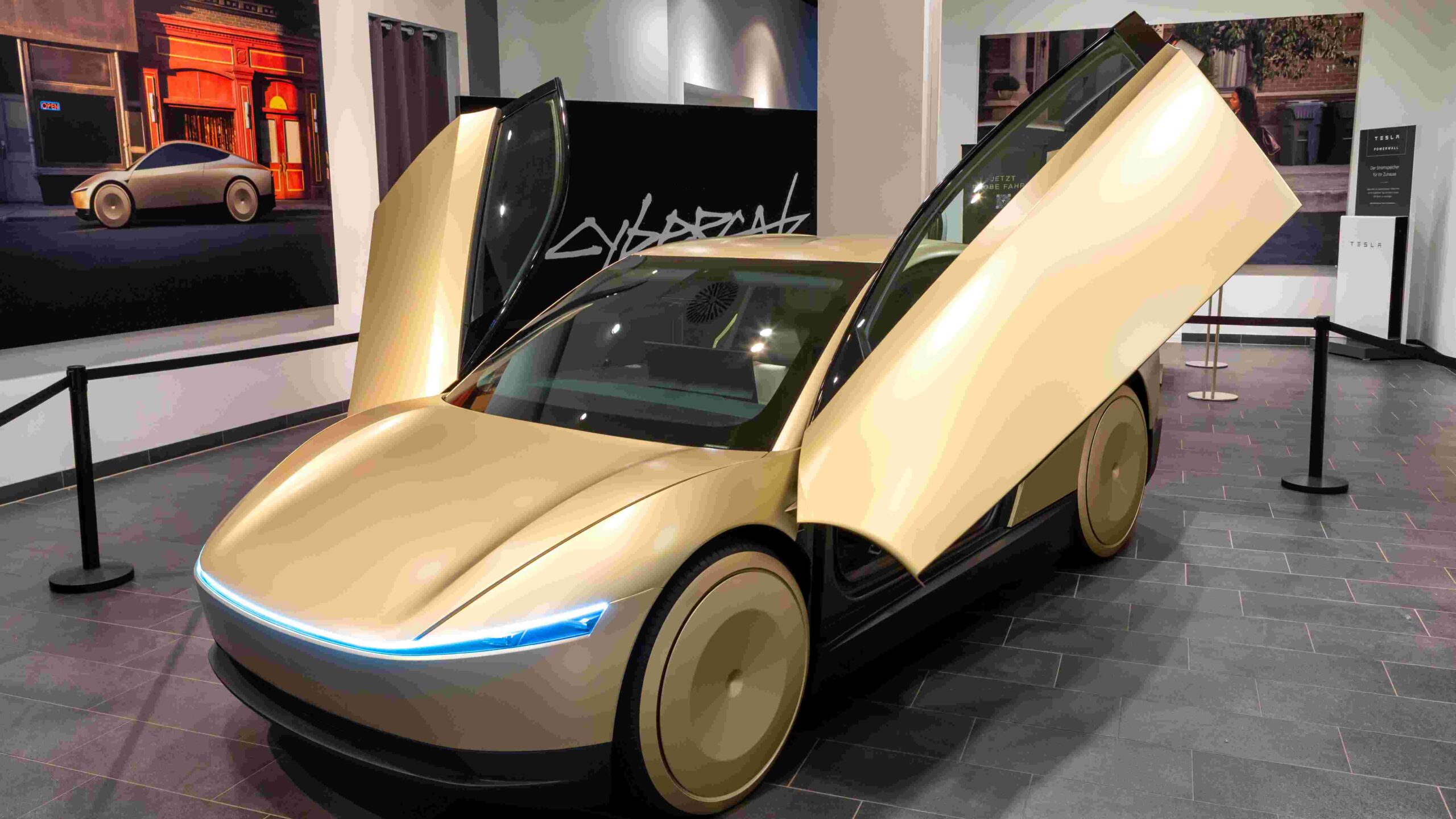
The future of transportation is arriving faster than most people expected. Tesla is once again shaking the automotive world with several groundbreaking developments, including the mysterious Cybercab robotaxi, major progress in Optimus humanoid robots, and impressive efficiency results from the Tesla Semi electric truck.
Over the past few weeks, dozens of Tesla Cybercab prototypes have been spotted outside company facilities, suggesting that the highly anticipated robotaxi program is rapidly approaching its launch phase. At the same time, Tesla is pushing forward with autonomous transportation, robotics, and electric freight, potentially transforming multiple industries at once.
In this article, we will explore everything currently known about Tesla’s latest innovations, including the Cybercab sightings in Texas, production plans for 2026, the Optimus Gen 3 robot, and new performance results from the Tesla Semi.
The Rise of Tesla Cybercab: A New Era of Autonomous Transportation
For more than a century, the global transportation system has been built on a single assumption: a human driver sits behind the wheel.
Cities, traffic laws, driver’s licenses, and insurance systems all revolve around this fundamental concept. But Tesla’s Cybercab robotaxi could soon challenge that assumption completely.
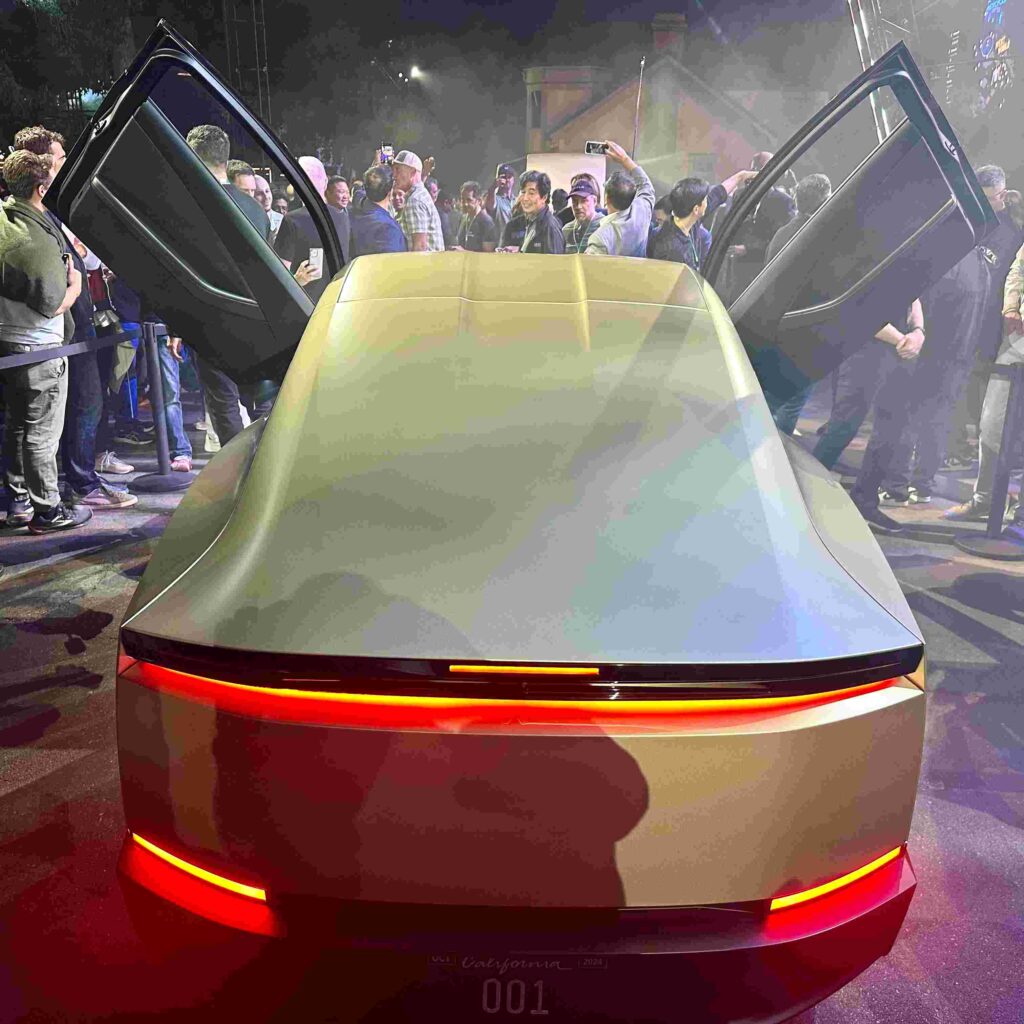
Unlike traditional cars, the Cybercab is designed without a steering wheel, meaning it is built entirely around autonomous driving technology.
Recent drone footage near Gigafactory Texas has revealed something remarkable—rows of Cybercab vehicles lined up near testing areas, transport trucks preparing to move them, and multiple units undergoing validation testing.
Initially, observers spotted around 30 Cybercab prototypes, but shortly afterward, 16 additional vehicles appeared, bringing the total number to at least 46 Cybercabs already in the real world.
In the automotive industry, this number is significant. When dozens of vehicles suddenly appear in testing fleets, it usually signals that mass production is approaching.
Cybercab Production is Accelerating at Gigafactory Texas
Reports indicate that Tesla is rapidly preparing its production line for the Cybercab at Gigafactory Texas.
The company has reportedly:
- Added new staff members
- Installed advanced manufacturing equipment
- Prepared new assembly lines
These upgrades suggest Tesla is targeting large-scale production of hundreds of Cybercabs per week once the ramp-up begins.
According to recent reports and drone footage:
- 14 gold Cybercab prototypes were parked near the factory exit.
- 9 vehicles were undergoing crash testing.
- Several others were seen in end-of-line validation tests.
These signs indicate that the assembly line is already active and scaling toward volume production.
Tesla reportedly began initial Cybercab builds on February 20, 2026, with the first production unit rolling off the line amid internal celebrations.
By early March, production capacity was already expanding.
Elon Musk’s Target: Mass Production in April 2026
Tesla CEO Elon Musk has previously hinted that Cybercab production could begin around April 2026.
The company plans to use its revolutionary “Unboxed Manufacturing Process.”
What is Tesla’s Unboxed Process?
Traditional car factories assemble vehicles sequentially on a single production line. Tesla’s unboxed manufacturing method works differently.
Instead of building the car step-by-step, multiple modules are assembled in parallel before being combined at the final stage.
This system offers major advantages:
- Faster manufacturing speeds
- Lower production costs
- Simplified vehicle design
- Higher scalability
Tesla estimates the system could eventually reach a 10-second production cycle time for certain vehicle modules.
If successful, Tesla could theoretically produce millions of Cybercabs per year.
Cybercab Design: Built for Robotaxi Fleets
Unlike traditional vehicles designed for private ownership, the Cybercab is optimized for ride-hailing services.
Key Design Features
1. Two-Seat Layout
The Cybercab uses a compact two-seat design, which reduces weight and aerodynamic drag.
This helps the vehicle achieve over 300 miles of range using relatively small battery packs.
2. No Steering Wheel
The most radical feature is the absence of a steering wheel or pedals.
This confirms that the vehicle relies entirely on Tesla’s Full Self-Driving (FSD) technology.
3. Aerodynamic Teardrop Shape
Recent prototype updates include:
- A sloping rear design
- Rounded edges
- Teardrop body profile
These changes improve aerodynamic efficiency and energy consumption.
4. Large Automatic Doors
The Cybercab also features larger doors with repositioned B-pillars, allowing passengers to enter and exit more easily—an important feature for ride-hailing fleets.
Inside the Tesla Cybercab
The interior of the Cybercab is designed for shared mobility services, meaning durability and easy maintenance are top priorities.
Interior Features Include:
- A large 21-inch dashboard display
- USB-C charging ports
- Ambient lighting
- Frameless powered doors
- Large cabin monitoring cameras
- Recessed air vents for improved airflow
The seating system features flat cushions and easy-clean materials, making it ideal for high-frequency passenger use.
Tesla engineers have also added:
- Trunk cameras
- Dual windshield wipers
- Enhanced safety sensors
All of these features help improve the passenger experience and operational reliability.
How Cybercab Could Disrupt the Ride-Hailing Industry
The biggest impact of the Cybercab could be dramatically lower ride costs.
Today, ride-hailing services like Uber often cost around $1.50 per mile in major cities.
Tesla’s robotaxi model could reduce this dramatically.
Estimated Cybercab Costs
Tesla estimates ride prices could drop to:
$0.05 to $0.10 per mile
This could make robotaxi travel 10–30 times cheaper than current ride-hailing services.
Lower transportation costs could also:
- Reduce car ownership
- Free up parking space for housing
- Reduce traffic congestion
- Lower urban transportation stress
Major cities like Los Angeles and New York could see massive infrastructure changes if autonomous fleets become widespread.
Autonomous Testing Expands Across the United States
Cybercab prototypes have already been spotted testing in several locations.
These include:
- Austin, Texas
- Fremont, California
- Silicon Valley regions such as Los Gatos
In many cases, steering-wheel-free vehicles have been seen driving autonomously on public streets.
Tesla’s vision-only Full Self-Driving system continues collecting massive datasets from real-world driving.
This data is essential for gaining regulatory approval in multiple states.
Future Charging: Wireless Charging Pads
Tesla’s long-term plan for Cybercab fleets includes fully autonomous charging systems.
Instead of plugging into a charger manually, Cybercabs could:
- Drive themselves to charging stations
- Park over wireless charging pads
- Recharge automatically
- Return to service once the battery is ready
This would allow 24/7 robotaxi operations without human intervention.
Tesla Optimus Robot: Massive Progress in 2026
Beyond vehicles, Tesla is also accelerating development of its Optimus humanoid robot.
The company recently showcased Optimus at AWE 2026 in Shanghai, revealing major improvements and production plans.
According to Tesla:
Large-scale Optimus production could begin before the end of 2026.
Optimus Gen 3: Tesla’s Most Advanced Robot Yet
The upcoming Optimus Gen 3 is expected to include several major upgrades.
Key Improvements
1. Automatic Charging Station
Tesla has developed a specialized charging station for Optimus robots.
When the robot’s battery becomes low:
- It locates the nearest charging dock
- Aligns itself precisely
- Connects to the charger automatically
Once charging is complete, Optimus disconnects and returns to work without human help.
2. Improved AI Vision Systems
The new robot includes advanced sensors and AI systems that allow it to:
- Navigate complex environments
- Recognize obstacles
- Predict potential risks
These improvements significantly increase operational safety and autonomy.

3. Longer Battery Life
Using Tesla’s 4680 battery cells, Optimus can operate for approximately:
8–10 hours on a single charge
This makes it ideal for:
- Factories
- Warehouses
- Logistics centers
- Potential future household use
Tesla’s Massive Robot Production Plans
Tesla plans to begin mass production of Optimus robots at its Fremont factory.
The company’s long-term target is ambitious:
Up to 1 million robots per year.
Inside Tesla facilities, Optimus robots are already performing tasks such as:
- Moving battery cells
- Lifting objects
- Handling logistics
- Folding materials
At Gigafactory Texas, Tesla plans to deploy more than 1,000 Optimus robots in 2026.
These robots could automate major parts of Tesla’s supply chain.
Tesla Semi Breaks Efficiency Expectations
Tesla’s electric trucking division is also achieving impressive milestones.
A logistics company recently reported real-world performance results from a first-generation Tesla Semi.
Efficiency Results
During a 4,700-mile freight route across Texas, the truck averaged:
1.64 kWh per mile
This result is impressive because Tesla originally targeted 1.7 kWh per mile under full load.
Why Tesla Semi Efficiency Matters
Compared with traditional diesel trucks, the difference is dramatic.
Typical diesel semi trucks consume the equivalent of:
5.5 to 7 kWh per mile
This means the Tesla Semi is roughly 3–4 times more energy efficient.
Operating Cost Comparison
Electric cost per mile:
~$0.11 per mile
Diesel fuel cost per mile:
$0.50–$0.70 per mile
Fleet operators could save up to 80% on fuel costs.
Tesla Semi Performance and Charging
Despite its efficiency, the Tesla Semi still delivers strong performance.
Performance Specs
- 800 kW power output
- High torque for heavy loads
- Up to 500-mile driving range
The truck can recharge using Tesla’s Mega Charger network, which provides up to:
1.2 megawatts of charging power
This allows the Semi to recover 70% of its range in about 30 minutes.
Next-Generation Tesla Semi Design Updates
Engineers have recently been spotted testing updated Tesla Semi prototypes.
Some of the new design changes include:
- Full-width LED light bar
- Smoother aerodynamic front
- Improved driver visibility
- Taller cabin for comfort
The interior also features two 16-inch displays on either side of the steering wheel.
These screens display:
- Navigation
- Energy usage
- Camera feeds
- Safety alerts
- Vehicle diagnostics
Extreme Cold Testing in Alaska
Tesla has also tested the Semi in extreme winter conditions.
During testing in Alaska, temperatures dropped as low as:
-40°C
Despite the harsh environment, the truck reportedly maintained stable performance thanks to:
- Advanced thermal management
- 4680 battery technology
- Efficient drivetrain design
The Future of Tesla Transportation
Taken together, Tesla’s latest developments reveal a much bigger vision.
The company is not just building electric cars—it is developing a complete autonomous ecosystem.
This ecosystem includes:
- Cybercab robotaxis
- Optimus humanoid robots
- Tesla Semi electric freight trucks
- AI-driven logistics systems
If Tesla succeeds, the next decade could see major transformations in transportation, robotics, and manufacturing.
Robotaxis could replace traditional taxis, autonomous trucks could dominate freight transportation, and humanoid robots could automate factories.
Final Thoughts
Tesla is entering one of the most exciting phases in its history.
With Cybercab robotaxis nearing production, Optimus robots preparing for mass manufacturing, and Tesla Semi trucks proving their efficiency, the company is pushing technological boundaries across multiple industries.
The upcoming April Tesla event could reveal even more details about the Cybercab and the future of autonomous transportation.
If current developments continue at this pace, 2026 may become one of the most important years in Tesla’s evolution.
The question now is not whether these technologies will arrive—but how quickly they will reshape the world.
FAQs
1. What is the Tesla Cybercab?
The Tesla Cybercab is a fully autonomous robotaxi designed by Tesla to operate without a human driver. Unlike traditional cars, the Cybercab is expected to have no steering wheel or pedals, relying completely on Tesla’s Full Self-Driving (FSD) AI system to navigate roads and transport passengers safely.
2. When will the Tesla Cybercab be released?
Current reports suggest that Tesla plans to begin Cybercab production around April 2026. Early prototypes are already being tested near Gigafactory Texas, and mass production could ramp up shortly after the official unveiling.
3. How many Tesla Cybercab prototypes have been spotted so far?
Recent observations and drone footage indicate that at least 46 Cybercab prototypes have been seen around Tesla facilities, including units undergoing testing, validation, and crash analysis.
4. Does the Tesla Cybercab really have no steering wheel?
Yes. The Cybercab is designed to operate without a steering wheel, making it one of the first vehicles built entirely for autonomous driving. It will rely on Tesla’s advanced AI-based Full Self-Driving technology.
5. What is the expected range of the Tesla Cybercab?
The Tesla Cybercab is expected to achieve over 300 miles of driving range using a relatively small battery pack thanks to its lightweight design and aerodynamic shape.
6. How much will Cybercab rides cost?
Tesla aims to reduce transportation costs dramatically. Cybercab rides could cost around $0.05 to $0.10 per mile, which is significantly cheaper than traditional ride-hailing services.
7. How will Tesla Cybercabs charge their batteries?
Tesla plans to use autonomous wireless charging systems. Cybercabs could drive themselves to charging pads, recharge automatically without human assistance, and then return to service.
8. What is Tesla’s “Unboxed Manufacturing Process”?
The Unboxed Process is a new production method where vehicle components are built in parallel modules instead of a single sequential assembly line. This approach could dramatically reduce production time and costs.
9. What is Tesla Optimus?
Tesla Optimus is a humanoid robot being developed by Tesla to perform tasks such as factory work, logistics handling, and potentially household assistance.
10. When will Tesla Optimus go into mass production?
Tesla aims to begin large-scale Optimus production starting in 2026, with long-term plans to build up to one million robots per year.
11. How long can the Optimus robot operate on a single charge?
Using Tesla’s 4680 battery cells, the Optimus robot can operate for approximately 8 to 10 hours on a single charge, making it suitable for long work shifts.
12. Can the Optimus robot charge itself automatically?
Yes. Tesla has developed an automatic charging station that allows Optimus robots to locate a charger, connect themselves, recharge, and return to work independently.
13. What tasks can Tesla Optimus perform today?
Currently, Optimus robots are being tested for tasks such as:
- Moving battery cells
- Handling materials in factories
- Lifting objects
- Performing precise hand movements
14. What efficiency did the Tesla Semi achieve in real-world tests?
A recent freight test showed that the Tesla Semi averaged about 1.64 kWh per mile over a 4,700-mile route, which is better than Tesla’s original efficiency target.
15. How much can companies save using Tesla Semi trucks?
Electric trucking with the Tesla Semi could reduce energy costs by up to 75–80% compared to diesel trucks, thanks to lower electricity prices and higher energy efficiency.
16. What is the future of Tesla’s autonomous transportation system?
Tesla is working toward a fully autonomous ecosystem that includes:
- Cybercab robotaxis
- Optimus humanoid robots
- Autonomous electric trucks
- AI-powered manufacturing systems
If these technologies succeed, they could transform transportation, logistics, and robotics worldwide over the next decade.
Read More:
- Something Weird Happened with Starship Flight 12 Rocket and Pad. No Static Fire until
- Lucid unveils Lunar Robotaxi in bid to challenge Tesla’s Cybercab in the autonomous ride hailing race
- Tesla finally brings a Robotaxi update that Android users will love
- Tesla adds awesome new driving feature to Model Y
- Tesla Cell Phone Release Date (Tesla Pi Phone 2026)! $199 no-bill, Starlink, free units for seniors
- Elon Musk Reveals New Starship Launch Update
1 thought on “Tesla Cybercab SPOTTED Insane Specs Before BIG April Event! Elon Musk UPDATED”