
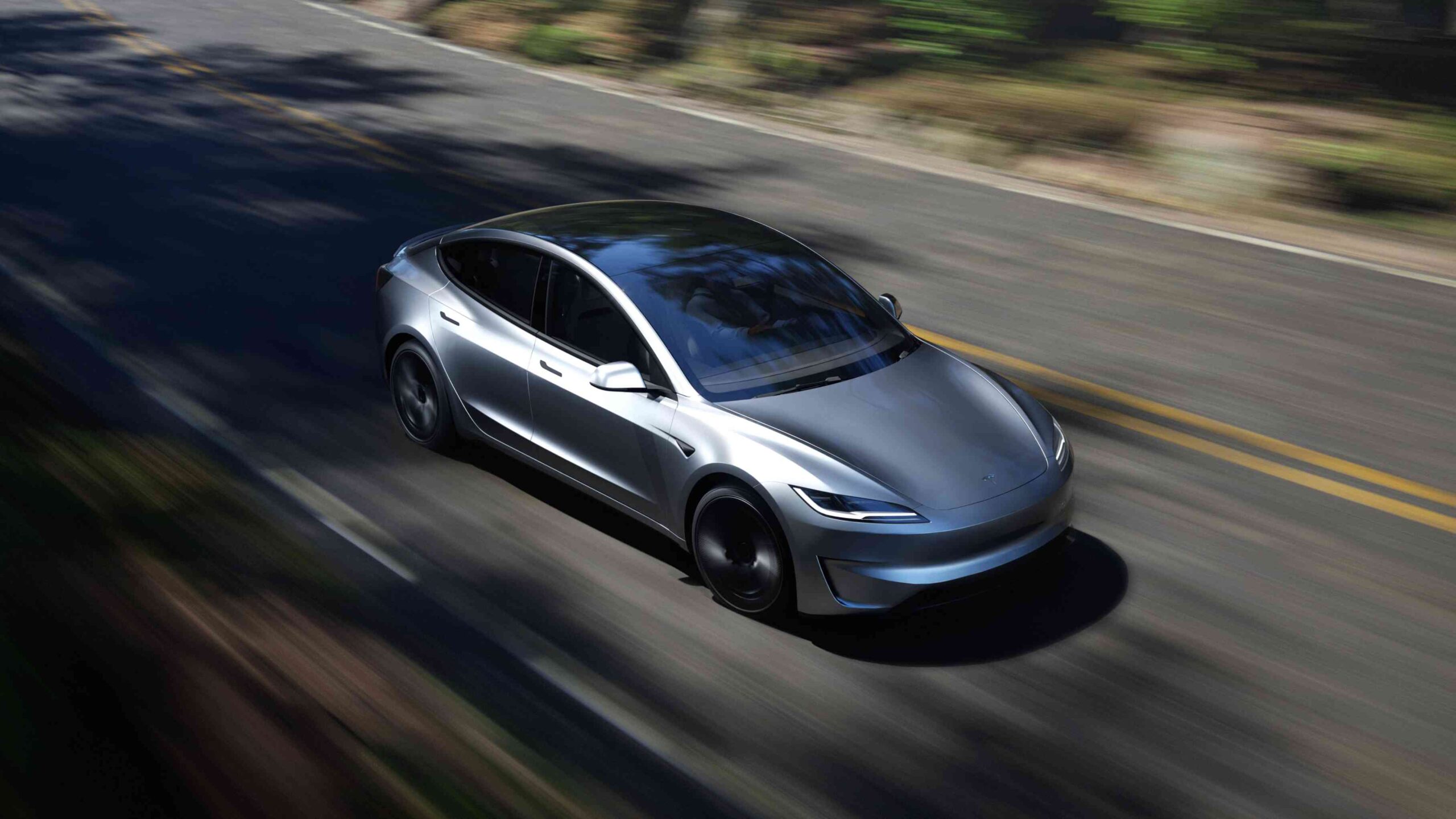
The electric vehicle (EV) industry has been buzzing for years with one tantalizing promise—a truly affordable Tesla. The rumored $25,000 Tesla Model 2 was expected to revolutionize the EV market and make electric mobility accessible to millions. However, in a surprising turn of events, Tesla has reportedly scrapped the project altogether.
Instead of launching a budget-friendly car, Elon Musk and his team are pivoting toward larger, more profitable vehicles and autonomous technology. This bold shift signals a new chapter for Tesla, one that prioritizes innovation, scalability, and long-term profitability over mass affordability.
In this in-depth, we’ll explore why the Tesla Model 2 was cancelled, what’s replacing it, and what this means for the future of Tesla and the EV industry.
The Rise of the Tesla Model 2 Dream
For years, Tesla fans eagerly awaited the arrival of a compact, affordable EV—often referred to as the Model 2. This vehicle was supposed to fulfill the final step in Tesla’s grand strategy.
Tesla’s Master Plan Explained
Back in the early days, Tesla’s roadmap was simple yet brilliant:
- Start with expensive, low-volume vehicles like the Tesla Roadster
- Move into luxury with the Tesla Model S and Tesla Model X
- Scale to premium mass-market vehicles like the Tesla Model 3 and Tesla Model Y
- Finally, create an affordable EV for the masses
The Model 2 was meant to be that final step—a compact hatchback priced around $25,000, opening the doors of Tesla ownership to millions globally.
Why the Model 2 Was So Important
The Model 2 wasn’t just another car—it was supposed to:
- Accelerate global EV adoption
- Compete with budget gasoline cars
- Expand Tesla’s market share dramatically
- Strengthen Tesla’s presence in emerging markets
For many, it represented the “holy grail” of electric mobility.
Why Tesla Cancelled the Model 2
Despite massive demand and anticipation, Tesla ultimately decided to cancel the Model 2. The reason? Profitability.
1. Razor-Thin Profit Margins
Building a high-tech EV at a $25,000 price point is incredibly challenging. Tesla vehicles are packed with advanced software, batteries, and hardware—making it difficult to maintain healthy margins at such a low cost.
Simply put, the Model 2 would have generated minimal profits compared to Tesla’s existing lineup.
2. Cannibalization of Existing Models
Tesla’s current bestsellers—the Model 3 and Model Y—are major revenue drivers.
Launching a cheaper alternative could:
- Reduce demand for higher-margin vehicles
- Shift buyers away from premium models
- Impact overall profitability
From a business perspective, introducing the Model 2 risked hurting Tesla’s own success.
3. High Production Costs
Creating a new car platform requires billions in investment:
- New assembly lines
- Supply chain adjustments
- R&D costs
Instead of building a new production ecosystem, Tesla chose to optimize existing platforms.
4. The Robotaxi Revolution
Perhaps the biggest reason for the cancellation is Tesla’s shift toward autonomous driving and robotaxis.
Tesla is heavily investing in a self-driving ride-hailing network, often referred to as the Cybercab. This strategy offers:
- Recurring software-based revenue
- Higher long-term profitability
- Scalable global deployment
Compared to selling a low-margin car, robotaxis represent a massive financial opportunity.
What’s Replacing the Model 2?
With the Model 2 gone, Tesla isn’t slowing down—it’s pivoting aggressively.
The Long Wheelbase Model Y (Model Y L)
Recent sightings at Tesla’s Gigafactories suggest the arrival of a long-wheelbase version of the Model Y.
Key Features of Model Y L
- Extended body and wheelbase
- Third-row seating (6–7 passengers)
- More cargo space
- Enhanced family utility
This new variant builds on the success of the Model Y, which is already one of the best-selling EVs globally.
Why Tesla Is Betting on Bigger Vehicles
Consumer preferences—especially in markets like the United States—favor:
- Larger interiors
- Family-friendly designs
- Versatility and comfort
Instead of chasing budget buyers, Tesla is targeting families willing to pay more for space and practicality.
Efficiency Through Platform Sharing
One of Tesla’s biggest advantages is its ability to reuse components.
The Model Y L:
- Shares architecture with the standard Model Y
- Requires minimal new investment
- Speeds up production timelines
This strategy allows Tesla to maximize profits while minimizing costs.
The Cyber SUV: Tesla’s Next Big Bet
When Elon Musk hinted at “something cooler than a minivan,” speculation exploded—and all signs point to a Cyber SUV.
Inspired by the Tesla Cybertruck
The Cyber SUV is expected to build on the Cybertruck platform but offer:
- Enclosed SUV design
- Family-friendly seating
- Improved practicality
Expected Features of the Cyber SUV
1. More Practical Design
Unlike the Cybertruck’s polarizing look, the Cyber SUV may adopt:
- Traditional materials like aluminum or steel
- More mainstream styling
- Improved aerodynamics
2. Advanced Technology
The Cyber SUV could include:
- 48-volt electrical architecture
- Steer-by-wire system
- Rear-wheel steering
These innovations would position it as one of the most advanced SUVs on the market.
3. Impressive Range and Pricing
Industry analysts predict:
- Starting price around $69,990
- Range exceeding 400 miles
This would make it a strong competitor in the premium EV segment.
Competing with Industry Giants
The Cyber SUV would directly rival vehicles like:
Tesla is clearly aiming to dominate the high-end electric SUV market.
The End of the Model S and Model X Era
In another major shift, Tesla has confirmed the end of production for two iconic vehicles:
- Tesla Model S
- Tesla Model X
Why Are They Being Discontinued?
Despite their legacy, these models now:
- Represent a small percentage of total sales
- Face intense competition
- Lack the scalability of newer models
Tesla is choosing to focus on high-volume, efficient vehicles instead.
A Legacy That Changed the Industry
The Model S and Model X were groundbreaking:
- The Model S proved EVs could be luxurious and fast
- The Model X introduced futuristic features like falcon-wing doors
Their retirement marks the end of an era—but also the beginning of something bigger.
Tesla’s Bigger Vision: Beyond Cars
Tesla is no longer just a car company.
Autonomy and AI
Tesla is investing heavily in:
- Full Self-Driving (FSD)
- Robotaxi networks
- AI-driven mobility
These technologies could redefine transportation entirely.
Robotics and Manufacturing
Tesla is also exploring:
- Advanced manufacturing techniques
- Humanoid robots like Optimus
- Scalable factory systems
This shows Tesla’s ambition to become a technology and AI powerhouse.
What This Means for the EV Market
The cancellation of the Model 2 has major implications:
1. Affordable EV Gap Remains
Tesla stepping away from budget EVs leaves room for competitors to dominate this segment.
2. Premium Segment Gets Stronger
Tesla is doubling down on:
- High-margin vehicles
- Larger SUVs
- Advanced features
3. Shift Toward Software Revenue
The future of Tesla lies in:
- Subscriptions
- Autonomous driving
- Mobility services
Conclusion: Tesla’s Bold New Direction
The cancellation of the Tesla Model 2 is not a failure—it’s a strategic decision.
Instead of chasing low margins in the budget EV space, Tesla is:
- Expanding its Model Y lineup
- Developing a futuristic Cyber SUV
- Investing in robotaxis and AI technology
While many fans may be disappointed by the loss of an affordable Tesla, the company is clearly focused on long-term growth and profitability.
Under the leadership of Elon Musk, Tesla continues to evolve—not just as an automaker, but as a global technology leader shaping the future of transportation.
Final Thoughts
The dream of a $25,000 Tesla may be gone—for now—but Tesla’s ambitions are bigger than ever.
The question is no longer “When will Tesla make a cheap car?”
It’s now: “How will Tesla redefine the entire mobility ecosystem?”
FAQs
1. Why was the Tesla Model 2 cancelled?
The Tesla Model 2 was cancelled mainly due to low profit margins, high production costs, and Tesla’s shift toward autonomous robotaxi technology, which offers higher long-term revenue potential.
2. Was the Tesla Model 2 really going to cost $25,000?
Yes, Tesla had planned to launch the Model 2 at around $25,000, making it the most affordable Tesla ever, aimed at mass-market adoption.
3. Who announced the cancellation of the Model 2?
The decision is closely associated with Elon Musk, who has been steering Tesla’s strategy toward AI, autonomy, and higher-margin vehicles.
4. What car is replacing the Tesla Model 2?
Instead of the Model 2, Tesla is focusing on vehicles like the long-wheelbase Tesla Model Y and a potential new Cyber SUV.
5. What is the Tesla Model Y L?
The Model Y L is a long-wheelbase version of the Model Y with more interior space, optional third-row seating, and improved comfort for families.
6. Will Tesla ever make a cheap electric car in the future?
While Tesla has paused plans for a budget EV, it may revisit the idea later when battery costs and manufacturing efficiencies improve.
7. What is the Cyber SUV Tesla is planning?
The Cyber SUV is a rumored electric SUV inspired by the Tesla Cybertruck, expected to combine futuristic design with family-friendly practicality.
8. How much will the Cyber SUV cost?
Analysts estimate the Cyber SUV could start at around $69,000–$70,000, positioning it in the premium electric SUV segment.
9. What vehicles will the Cyber SUV compete with?
It will compete with models like the Rivian R1S, Kia EV9, and Cadillac Escalade IQ.
10. Is Tesla focusing more on robotaxis now?
Yes, Tesla is prioritizing autonomous robotaxi networks, which could generate recurring income through ride-hailing services instead of one-time vehicle sales.
11. Will the Tesla Model 3 and Model Y be affected by this change?
No, the Tesla Model 3 and Model Y will remain core products and may even see upgrades and new variants.
12. Why is Tesla focusing on larger vehicles?
Larger vehicles offer higher profit margins, greater consumer demand (especially in the U.S.), and better utility for families, making them more profitable.
13. Are the Tesla Model S and Model X being discontinued?
Yes, Tesla plans to phase out the Tesla Model S and Tesla Model X as part of its shift toward newer platforms.
14. What does this mean for affordable EV buyers?
It means buyers looking for low-cost EVs may need to explore other brands, as Tesla is currently focusing on premium and mid-range segments.
15. What is Tesla’s long-term vision after cancelling the Model 2?
Tesla aims to lead in AI, autonomous driving, robotics, and high-efficiency manufacturing, transforming from a car company into a technology-driven mobility leader.
Read More:
- Tesla Semi is already winning over truck drivers
- Tesla Pi Phone 2026: $199 leak? Starlink direct + 8yr battery + launch states + scam alert
- Astronaut Revealed Crewed Starship Interior Design to the Moon
- Take A Look Inside Elon Musk’s TeraFab AI Factory
- Tesla ‘Killer’ heads to the graveyard as AFEELA taps out
1 thought on “Tesla Model 2 $24,990 Finally Cancelled! Elon Musk REPLACED By A New Model”