
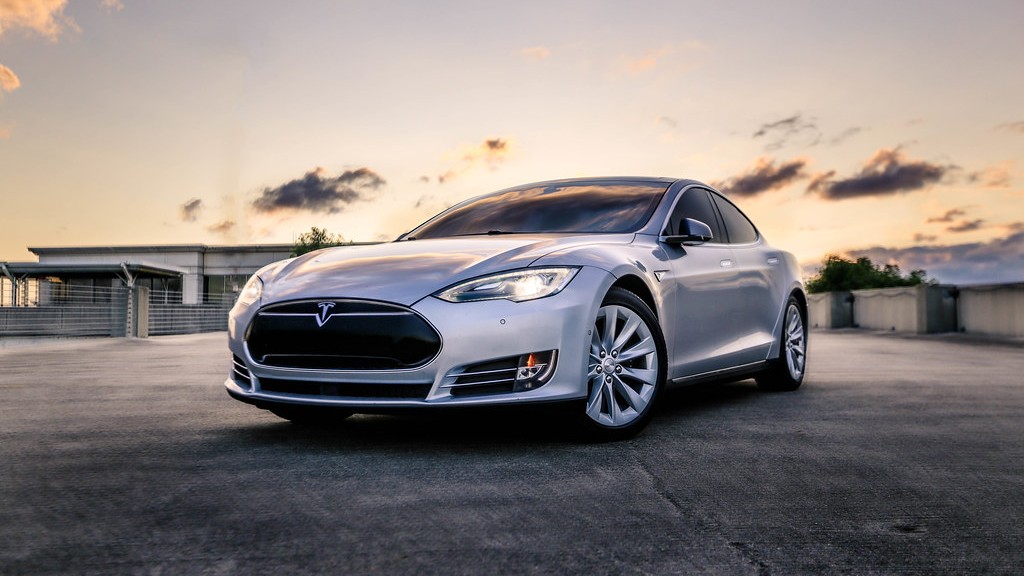
Tesla Model 2 NV9 2026: The electric vehicle market is entering one of its most important transitions yet. Tesla’s rumored $25,000 compact EV, internally known as NV9 or Project Redwood, is no longer just an internet rumor—it is shaping buyer psychology, resale expectations, and future pricing strategies across the entire Tesla ecosystem.
At the center of this conversation sits the premium Tesla Model Y Juniper, currently priced around $49,000 for the Long Range AWD version. Existing owners and future buyers are now asking one critical question:
Will Tesla’s affordable Model 2 destroy the resale value of the Model Y Juniper?
The answer is more complex than a simple yes or no.
While the upcoming low-cost Tesla could create serious downward pressure on used EV prices, the Juniper still serves a completely different customer segment. However, history has already shown that Tesla’s own pricing decisions can erase thousands of dollars in vehicle value almost overnight.
This article explores the possible impact of Tesla’s Model 2 NV9 launch, how it could affect the Model Y Juniper resale market, and what current owners and future buyers should do before late 2026.
The Tesla Model 2 NV9: What We Know So Far
Tesla’s affordable EV project has carried several names over the years:
- Model 2
- Project Redwood
- NV9
The vehicle is expected to become Tesla’s first truly mass-market EV, targeting a starting price near $25,000. Production is reportedly being prepared at Giga Texas, with limited pilot manufacturing already underway.
Expected Features of the Tesla Model 2
Although Tesla has not officially revealed the final production version, industry reports suggest the vehicle may include:
- Compact hatchback or crossover design
- Single-motor rear-wheel drive
- Range between 250–350 km
- Simplified interior architecture
- Next-generation battery manufacturing
- Lower-cost production methods
- Tesla Full Self-Driving compatibility
The strategy is clear: Tesla wants to dramatically expand EV adoption by reaching buyers who previously considered Tesla financially out of reach.
That creates a huge problem for existing premium Tesla owners.
Why Model Y Juniper Owners Are Worried
The Model Y Juniper refresh represents Tesla’s premium mainstream SUV offering. Buyers paid a premium price expecting strong residual value, advanced technology, and long-term desirability.
But the introduction of a Tesla vehicle costing almost half as much changes the market narrative immediately.
The Price Gap That Changes Everything
Current pricing estimates create a massive divide:
| Vehicle | Estimated Price |
|---|---|
| Tesla Model 2 NV9 | $25,000 |
| Tesla Model Y Juniper AWD | $49,000 |
That is a difference of approximately $24,000.
For many buyers shopping in the used EV market, the comparison becomes psychological rather than practical.
A consumer may begin asking:
“Why buy a used Juniper for $38,000 when a brand-new Tesla costs $25,000?”
Even if the vehicles target different lifestyles, this question alone can slow demand for used Junipers.
The Ghost of Tesla’s 2023 Price Cuts
To understand why Tesla owners are nervous, we need to revisit one of the most dramatic moments in EV pricing history.
Tesla’s January 2023 Price Shock
In January 2023, Tesla suddenly reduced prices on several models, including the Model Y. Some trims experienced cuts of up to $13,000 overnight.
The consequences were immediate:
- Used Tesla values collapsed
- Dealer inventories became unstable
- Owners lost thousands in equity
- Lease calculations changed dramatically
- Buyers delayed purchases expecting further cuts
Vehicles that had been selling near $55,000 quickly dropped below $40,000.
This event permanently changed how consumers view Tesla ownership.
Unlike traditional automakers that adjust pricing slowly, Tesla can reprice its entire lineup instantly through software-driven online sales.
That means the greatest threat to Tesla resale values often comes from Tesla itself.
Why the Model 2 Could Trigger Another Pricing Earthquake
The biggest concern surrounding the Model 2 launch is not direct competition.
The real danger is strategic repricing.
Tesla may decide the current Model Y Juniper pricing sits too close to the future NV9 lineup. To maintain a logical product ladder, Tesla could lower Juniper pricing significantly.
Possible Tesla Pricing Strategy
A potential future structure may look like this:
| Model | Future Price Estimate |
|---|---|
| Model 2 NV9 | $25,000 |
| Model 3 | $35,000 |
| Model Y Juniper | $42,000 |
| Model S/X | Premium Tier |
If Tesla lowers the Juniper from $49,000 to around $42,000, used values could fall rapidly.
That would create a second wave of depreciation beyond normal aging.
Will the Model 2 Actually Replace the Model Y Juniper?
Probably not.
Despite all the headlines, these vehicles serve very different buyers.
The Model 2 Buyer
The affordable Tesla customer is likely seeking:
- Daily commuting efficiency
- Lower ownership costs
- Urban practicality
- Compact dimensions
- Entry-level EV access
- A second household vehicle
This buyer may previously have considered:
- Toyota Corolla
- Honda Civic
- Hyundai Kona Electric
- BYD Dolphin
- Nissan Leaf
The Model 2 opens Tesla ownership to an entirely new audience.
The Model Y Juniper Buyer
Juniper customers typically need:
- Family-sized cargo space
- Long-distance travel capability
- AWD performance
- Winter driving confidence
- Over 500 km of range
- SUV practicality
These buyers are shopping against vehicles like:
- Hyundai Ioniq 5
- Kia EV6
- Ford Mustang Mach-E
- Rivian R2
- Volvo EX30 higher trims
The Juniper remains a utility-focused premium SUV.
A compact $25K EV cannot fully replace that role.
The Psychological “Shadow Effect” Is Already Happening
Even before mass production begins, the Model 2 is influencing market behavior.
This is what analysts call the anticipation effect.
How Buyer Psychology Changes Markets
Consumers expecting a cheaper future product often delay purchases today.
That creates several problems:
- Used inventory sits longer
- Dealers lower prices faster
- Private sellers lose leverage
- Financing becomes more difficult
- Trade-in offers shrink
Reports suggest some used Juniper listings now remain active two to three times longer than they did six months ago.
This does not necessarily mean buyers dislike the vehicle.
It means buyers are waiting.
And waiting changes markets.
Projected Depreciation Scenarios for the Model Y Juniper
There are currently two realistic outcomes for Model Y Juniper values through late 2026.
Scenario 1: Stable Pricing and Controlled Depreciation
In the optimistic scenario:
- Tesla keeps Juniper pricing relatively stable
- Model 2 production ramps slowly
- Supply remains limited
- Buyer segments stay separated
Under these conditions, a 2025 Juniper could retain approximately:
Estimated 2026 Used Value: $35,000
This represents normal premium EV depreciation rather than a market collapse.
Owners would still lose value, but not catastrophically.
Scenario 2: Strategic Repricing and Market Shock
This is the scenario worrying investors and owners most.
If Tesla aggressively lowers Juniper pricing to preserve product hierarchy, resale values could decline sharply.
Potential Consequences
- New Juniper price drops to $42,000
- Used prices immediately adjust downward
- Trade-in offers collapse
- Leasing economics weaken
- Dealer inventory floods the market
In this case, owners could lose:
An additional $4,000–$7,000 beyond normal depreciation
This is where the “$7K resale hit” discussion originates.
Why Tesla Has More Pricing Power Than Traditional Automakers
Tesla operates differently from legacy manufacturers.
Traditional automakers rely on:
- Dealer networks
- Seasonal incentives
- Regional discounts
- Long production cycles
Tesla controls pricing directly online.
That allows the company to:
- Change prices instantly
- Respond rapidly to demand
- Adjust inventory globally
- Influence used markets immediately
This flexibility benefits Tesla competitively, but it introduces volatility for owners.
Buying a Tesla today increasingly resembles purchasing consumer technology rather than a traditional vehicle.
Should Current Model Y Juniper Owners Panic Sell?
For most owners, panic selling is probably the wrong move.
Why Selling Early May Backfire
The market often prices in anticipated risks before official events happen.
That means:
- Trade-in offers may already reflect Model 2 fears
- Dealers may already anticipate future price cuts
- Sellers could lock in losses unnecessarily
Unless Tesla officially announces major Juniper price reductions, immediate liquidation may not make financial sense.
The Most Important Indicator to Watch
Owners should closely monitor Tesla’s official pricing website.
Warning Signal for Strategic Repricing
If Tesla cuts new Juniper pricing by more than:
$3,000
…it may indicate that broader repricing has begun.
At that point:
- Used values could accelerate downward
- Trade-in offers may worsen quickly
- Market confidence could shift dramatically
Tesla’s pricing page may become more important than traditional automotive market indicators.
Should Buyers Wait for the Tesla Model 2?
That depends entirely on lifestyle needs.
Wait for the Model 2 If You Need:
- Affordable EV ownership
- City commuting
- Compact parking
- Basic transportation
- Lower monthly payments
The NV9 could become one of the most disruptive EV launches in history.
Do NOT Wait for the Model 2 If You Need:
- AWD capability
- Family road trips
- Large cargo capacity
- Long-range travel
- SUV utility
A compact entry-level Tesla cannot replace a midsize crossover for larger households.
Waiting for a small car to perform SUV duties could become a practical mistake rather than a financial strategy.
Production Scale Matters More Than Headlines
One overlooked factor is manufacturing volume.
As of early 2026, reports suggest Tesla has only delivered approximately:
2,500 pilot units
primarily to European fleets.
That is nowhere near full-scale disruption.
Why Scale Is Critical
The real market impact begins only when Tesla achieves:
20,000+ monthly units
Before that threshold:
- Availability remains limited
- Waiting lists stay long
- Used market pressure remains moderate
- Psychological effects outweigh actual supply
In other words, the fear may currently be larger than the reality.
How the Model 2 Could Reshape the Entire EV Industry
The NV9 launch is not just about Tesla.
It could redefine the broader EV market.
Potential Industry Consequences
- Lower EV prices industry-wide
- Faster gasoline-to-EV adoption
- Increased pressure on legacy automakers
- Reduced profit margins
- Accelerated battery innovation
- Greater demand for charging infrastructure
Tesla’s affordable EV may force competitors into aggressive pricing wars.
That could further influence resale values across the entire electric vehicle segment—not just Tesla products.
Will Tesla Become the “Toyota of EVs”?
The launch of a $25K Tesla signals a major strategic transition.
Tesla is moving from:
- Premium technology brand
toward:
- Mass-market automotive giant
This mirrors the evolution of companies like Toyota, which successfully balanced:
- Affordable vehicles
- Premium models
- Global manufacturing scale
- Brand loyalty
If successful, Tesla may dominate both the entry-level and premium EV markets simultaneously.
But during that transition, pricing turbulence is almost unavoidable.
The Hidden Truth About EV Depreciation
Many buyers still assume EVs behave like traditional vehicles financially.
That assumption is increasingly outdated.
Modern EV Values Depend On:
- Software updates
- Battery technology improvements
- Charging infrastructure
- Government incentives
- Production costs
- Manufacturer pricing strategy
Tesla changes these variables faster than most automakers.
As a result, Tesla depreciation can behave more like consumer electronics than conventional cars.
That creates both opportunity and risk.
Final Thoughts: Will Your Model Y Juniper Lose $7K?
The honest answer is:
Possibly—but not automatically.
The Tesla Model 2 NV9 will almost certainly affect the used Tesla market psychologically and financially.
However, several realities remain true:
- The Model 2 and Juniper serve different buyers
- Production scale is still limited
- Tesla may avoid aggressive repricing
- SUV utility still commands demand
The greatest danger is not the existence of the Model 2 itself.
The real risk comes from Tesla adjusting Juniper pricing to maintain a clean product hierarchy.
If that happens, resale values could decline rapidly.
For current owners, the smartest strategy is careful observation—not panic.
For buyers, the decision depends on actual transportation needs rather than internet hype.
FAQs
1. What is the Tesla Model 2 NV9?
The Tesla Model 2 NV9, also known as Project Redwood, is Tesla’s upcoming affordable electric vehicle expected to launch with a starting price near $25,000. It is designed to make Tesla ownership accessible to mass-market buyers.
2. When will the Tesla Model 2 launch?
Current industry expectations point toward a late-2026 launch, although Tesla has not officially confirmed the exact release date.
3. How much will the Tesla Model 2 cost?
The expected starting price is around $25,000, making it Tesla’s cheapest production vehicle to date.
4. Will the Tesla Model 2 reduce Model Y Juniper resale values?
It could. The biggest risk comes from Tesla potentially lowering new Model Y Juniper prices to maintain a pricing gap between the two vehicles.
5. Why are Tesla owners worried about depreciation?
Tesla has a history of sudden price cuts. In 2023, major pricing reductions caused used Tesla values to drop rapidly, creating concern among current owners.
6. What is the Tesla Model Y Juniper?
The Model Y Juniper is the refreshed version of Tesla’s popular electric SUV, offering upgraded design, technology, efficiency, and premium features.
7. Will the Model 2 replace the Model Y Juniper?
No. The vehicles target different customer needs. The Model 2 focuses on affordable urban commuting, while the Juniper is designed for families, long-distance travel, and SUV practicality.
8. How much could Model Y Juniper owners lose in resale value?
Some projections estimate an additional $4,000 to $7,000 loss if Tesla aggressively lowers new Juniper pricing after the Model 2 launch.
9. Should current Tesla owners sell before the Model 2 launches?
Not necessarily. Panic selling may lock in losses early, especially if the market has already priced in future depreciation fears.
10. What is the “Shadow Effect” in the EV market?
The Shadow Effect refers to buyers delaying purchases because they expect a cheaper or newer Tesla model to arrive soon, reducing current used-car demand.
11. What range is expected for the Tesla Model 2?
Industry estimates suggest the Model 2 could offer between 250 km and 350 km of driving range, depending on battery configuration.
12. Will the Model 2 have Full Self-Driving capability?
Most reports suggest Tesla plans to include compatibility with its Full Self-Driving software system.
13. Is the Model Y Juniper still worth buying in 2026?
Yes, especially for buyers needing AWD, cargo space, family utility, and long-range travel capability that the compact Model 2 may not provide.
14. How can owners track possible Tesla repricing?
Owners should regularly monitor Tesla’s official website pricing. A price cut larger than $3,000 on the Juniper may signal broader market repricing.
15. How many Tesla Model 2 units are currently being produced?
Reports indicate only limited pilot production is underway, with approximately 2,500 units reportedly delivered to select European fleets as of early 2026.
16. Could the Tesla Model 2 change the entire EV industry?
Absolutely. A successful $25,000 Tesla could trigger lower EV prices industry-wide, accelerate EV adoption, and increase competition among global automakers.
Read More:
- New Tesla Battery 2027 Sodium-Ion 9-Min LFP, 5,000 Cycles, 90% After 10 Years
- Tesla gets a massive order for the Semi: 370 units and $100M
- Tesla Roadster gets an update, but not the one fans were looking for
- Tesla unveils mysterious prototype at Giga Texas: Is the Model Y L coming to America?
- SpaceXAI signs agreement with Anthropic for massive AI supercomputer access