
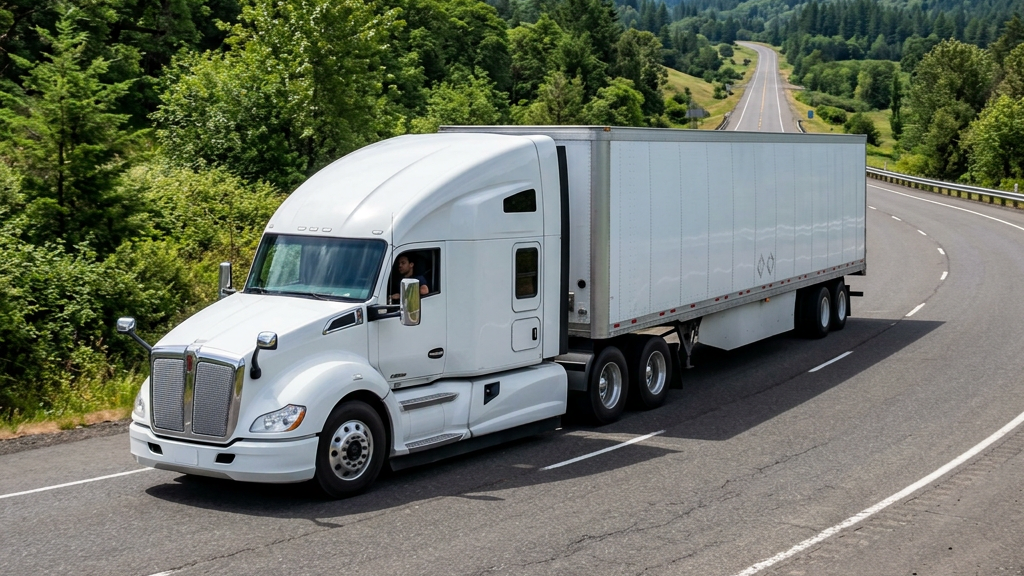
Everyone Wants A Tesla Semi Now—Massive Orders Pour In: The Tesla Semi is rapidly moving from an experimental electric truck to a serious competitor in the global heavy-duty freight industry. Once dismissed as vaporware or a publicity stunt, Tesla’s all-electric Class 8 truck is now attracting major interest from fleet operators, logistics companies, and commercial transportation businesses. With large orders, expanding production plans, and improvements in charging infrastructure, the Tesla Semi could transform how freight companies think about transportation costs.
According to the November 27, 2026, video Everyone Wants A Tesla Semi Now—Massive Orders Pour In! from TESLA CAR WORLD, several major fleet operators are moving forward with substantial Tesla Semi commitments. The growing interest comes despite the truck’s higher initial purchase price compared with conventional diesel vehicles.
The reason is simple: commercial transportation companies are looking beyond the purchase price. They are evaluating fuel savings, maintenance expenses, vehicle uptime, charging costs, and long-term profit per mile. Tesla is attempting to address these priorities through a redesigned manufacturing facility, advanced battery technology, high-power charging, and integrated vehicle systems.
Tesla Semi Orders Are Growing Across the Freight Industry
One of the biggest developments surrounding the Tesla Semi is the growing number of commercial orders. Fleet operators that previously approached electric heavy-duty trucks cautiously are beginning to consider them as practical tools for everyday transportation.
Several major commitments highlighted in the video demonstrate this growing commercial interest.
WattEV Expands Its Tesla Semi Fleet
WattEV has reportedly rolled out more than 300 Tesla Semis at the Port of Oakland, with an order commitment involving 370 trucks. This deployment highlights the potential for electric heavy-duty vehicles in port transportation, where trucks frequently operate along predictable routes.
Ports are particularly suitable for electrification because vehicles can return to designated locations for charging and operate within established freight networks.
Einride Places a Major 500-Truck Order
Another significant development involves Einride, which reportedly placed an order for 500 Tesla Semis. Such a commitment demonstrates the interest of technology-focused logistics companies in electric transportation.
Large-scale deployments could also help Tesla collect valuable operating data and improve the truck’s performance under demanding commercial conditions.
Zetscale Consortium and HMD Trucking Join the Momentum
The Zetscale Consortium is linked to a reported 2,500-truck order naming Tesla as its primary original equipment manufacturer.
Meanwhile, HMD Trucking, a Chicago-area carrier operating more than 650 trucks, has reportedly received its first Tesla Semi toward a 50-unit order.
HMD’s experience is especially important because the company conducted summer testing before moving toward its initial delivery. Its real-world operating results provide insight into how the electric truck performs while hauling commercial trailers.
Tesla Is Building a Completely New Semi Factory in Nevada
Growing orders mean Tesla needs a manufacturing system capable of producing thousands of heavy-duty trucks efficiently. Instead of simply modifying an existing truck factory, Tesla developed a dedicated manufacturing facility in Sparks, Nevada.
The facility reportedly covers approximately 1.7 to 1.8 million square feet, making it a major industrial investment dedicated to electric heavy-duty transportation.
Tesla’s long-term production target is approximately 50,000 Semi trucks annually once the facility reaches full capacity.
That translates to roughly 1,000 trucks per week, demonstrating the scale of manufacturing Tesla is preparing for.
An Overhead Carrier System Improves Factory Efficiency
One of the most interesting manufacturing features is Tesla’s overhead carrier system.
Traditional heavy-truck assembly plants frequently move large components across factory floors using specialized equipment. Tesla’s approach moves major assemblies overhead, including components weighing more than 10,000 pounds.
The system offers several advantages:
- Frees valuable factory floor space.
- Improves worker access to different assembly areas.
- Automatically adjusts assembly height for ergonomics.
- Allows multiple truck frames to move through production simultaneously.
- Reduces unnecessary movement of heavy equipment.
After initial assembly, the system can reportedly handle up to 39 truck frames simultaneously.
Under-Chassis Battery Installation Changes Assembly
Tesla is also using an under-chassis battery installation process.
Instead of flipping heavy truck frames to install battery packs, the manufacturing system installs the battery assembly from underneath the vehicle.
This approach supports a skateboard-style architecture and could simplify one of the most demanding stages of electric truck production.
By designing the factory around the vehicle from the beginning, Tesla aims to reduce production bottlenecks and improve manufacturing efficiency.
Tesla’s 4680 Battery Technology Could Transform Semi Production
Battery technology is one of the most important parts of the Tesla Semi’s long-term strategy.
Earlier prototypes and models reportedly used LFP battery packs through 2025. The newer manufacturing plan moves toward Tesla’s 4680 battery cells, produced at the Nevada facility.
The Semi’s battery capacity is estimated to reach as much as 850 kWh, depending on the configuration.
Vertical Integration Reduces Supplier Dependence
Tesla is bringing several important manufacturing operations in-house, including:
- Metal stamping.
- 4680 battery cell production.
- Electric drive axles.
- High-voltage power distribution.
- Cooling modules.
- Seat manufacturing.
This approach, known as vertical integration, gives Tesla greater control over important components and production schedules.
The factory also uses full-body powder coating rather than a traditional liquid paint shop, with white initially planned as the launch color.
Additionally, the flexible production line is designed to support standard-range, long-range, and European variants.
Tesla Semi Operating Costs Could Beat Diesel Trucks
The biggest financial argument for the Tesla Semi is its potential to reduce operating expenses.
For transportation companies, electricity and diesel represent major recurring costs. Even a relatively small reduction in energy expenses can create substantial savings across a large fleet.
HMD Trucking reportedly completed more than 4,000 miles of testing with a trailer and recorded average energy consumption of approximately 1.74 kWh per mile.
That result is close to Tesla’s advertised efficiency target of approximately 1.7 kWh per mile.
Tesla Semi vs. Diesel Truck: Daily Operating Costs
The following comparison uses the illustrative assumptions discussed in the video.
| Operating Metric | Tesla Semi (Depot Charging) | Tesla Semi (Public Megacharger) | Diesel Truck |
|---|---|---|---|
| Daily Distance | 400 miles | 400 miles | 400 miles |
| Energy Efficiency | 1.74 kWh/mile | 1.74 kWh/mile | 6.5 mpg |
| Daily Energy Consumption | 696 kWh | 696 kWh | 62 gallons |
| Energy/Fuel Price | $0.12/kWh | $0.35/kWh | $6.29/gallon |
| Daily Operating Cost | $84 | $244 | $387 |
| Daily Savings vs. Diesel | $303 | $143 | Baseline |
These figures are illustrative estimates, not guaranteed operating costs. Actual expenses depend on electricity prices, diesel prices, routes, weather, payload, and charging arrangements.
Depot Charging Creates the Biggest Financial Advantage
The comparison demonstrates why depot charging could become essential for electric trucking companies.
At an assumed electricity price of $0.12 per kWh, a Tesla Semi operating 400 miles daily could cost approximately $84 in electricity.
A comparable diesel truck would cost approximately $387 in fuel under the video’s assumptions.
That creates estimated daily savings of around $303 per truck.
If a truck operates 250 days annually, the potential energy savings could exceed $75,000 per year.
For a 50-truck fleet, the theoretical annual savings could reach approximately $3.78 million.
However, these estimates exclude vehicle purchase prices, financing, insurance, maintenance differences, infrastructure investment, and other operating expenses.
Tesla Megachargers Are Expanding Across Major Freight Routes
Electric trucks need more than efficient batteries. They also require reliable charging infrastructure capable of supporting demanding transportation schedules.
Tesla is addressing this challenge through its high-power Megacharger network.
Mesquite, Texas, Megacharger Station
Tesla has opened a Megacharger location in Mesquite, Texas, near Dallas.
The facility reportedly includes eight charging stalls, each capable of delivering up to approximately 1.2 megawatts.
This charging power is designed specifically for heavy-duty electric vehicles that require significantly more energy than passenger cars.
According to the network figures discussed in the video, Tesla had approximately seven public Megacharger locations and around 44 stalls.
Although this represents progress, the network remains smaller than the previously discussed 37-location target for 2026.
Expanding charging coverage will be important as more Tesla Semis enter commercial service.
Tesla Opens Semi Service Support in Laredo, Texas
Charging infrastructure is only one part of commercial electric trucking.
Fleet operators also need dependable maintenance and repair services because every hour a truck spends unavailable can reduce revenue.
Tesla’s establishment of a Semi service center in Laredo, Texas, is therefore an important development.
Laredo is a major U.S.–Mexico freight gateway, making it a strategic location for commercial transportation support.
Placing technical assistance closer to busy freight corridors could help operators reduce downtime and maintain more consistent delivery schedules.
Supervised FSD Could Bring More Advanced Technology to the Tesla Semi
Another important development is the integration of Supervised Full Self-Driving (FSD) technology into the Tesla Semi.
Advanced driver-assistance technology could eventually help commercial drivers manage demanding highway journeys and improve driving consistency.
However, supervised driving technology is not fully autonomous transportation. Drivers remain responsible for monitoring the vehicle and maintaining control as required.
For fleet operators, the potential benefits include improved driving assistance, greater consistency, and integration with Tesla’s broader software ecosystem.
The Future of Tesla Semi in the Heavy-Duty Trucking Industry
The Tesla Semi’s growing order pipeline, dedicated Nevada factory, 4680 battery transition, and expanding charging network indicate that Tesla is pursuing a much larger commercial transportation strategy.
The biggest challenge now is execution.
Tesla must demonstrate that it can manufacture trucks at scale, deliver vehicles on schedule, expand Megacharger coverage, and provide dependable service support.
Fleet operators will also need to evaluate the complete cost of ownership rather than focusing exclusively on fuel savings.
Nevertheless, the potential is significant. If Tesla achieves its production ambitions and delivers consistent real-world efficiency, the Semi could become an important alternative to conventional diesel trucks.
The future of heavy-duty freight may depend not only on how much a truck costs to purchase, but also on how much money it saves throughout its working life. With major fleet commitments and a new manufacturing strategy, Tesla is positioning the Semi for a much bigger role in the commercial trucking industry.
FAQs
1. What is the Tesla Semi?
The Tesla Semi is an all-electric Class 8 heavy-duty truck designed for long-distance freight transportation. It aims to reduce fuel costs, emissions, and maintenance expenses compared with conventional diesel trucks.
2. Why are companies placing large orders for the Tesla Semi?
Companies are interested in the Tesla Semi because of its potential energy savings, lower operating costs, advanced technology, and reduced dependence on diesel fuel.
3. How many Tesla Semis has WattEV ordered?
According to the supplied report, WattEV has an order for 370 Tesla Semis and has rolled out more than 300 trucks at the Port of Oakland.
4. How many Tesla Semis did Einride order?
Einride reportedly ordered 500 Tesla Semis as part of its interest in expanding electric freight transportation.
5. What is the reported Zetscale Consortium Tesla Semi order?
The Zetscale Consortium is linked to a reported order of 2,500 trucks, with Tesla named as its primary original equipment manufacturer.
6. How many Tesla Semis is HMD Trucking planning to receive?
HMD Trucking reportedly received its first Tesla Semi toward a 50-truck order after completing summer testing.
7. Where is Tesla building its dedicated Semi factory?
Tesla is developing its dedicated Tesla Semi manufacturing facility in Sparks, Nevada. The factory reportedly covers approximately 1.7 to 1.8 million square feet.
8. What is Tesla’s annual production target for the Semi?
Tesla’s reported long-term production target is approximately 50,000 Semi trucks per year once the Nevada factory reaches full production capacity.
9. What battery technology will the Tesla Semi use?
The newer manufacturing plan moves toward Tesla’s 4680 battery cells, produced at the Nevada facility. The Semi’s battery capacity is estimated to reach up to 850 kWh, depending on configuration.
10. How efficient is the Tesla Semi?
During testing, HMD Trucking reportedly recorded average energy consumption of approximately 1.74 kWh per mile, close to Tesla’s advertised target of 1.7 kWh per mile.
11. How much can a Tesla Semi save compared with a diesel truck?
Under the illustrative assumptions in the report, a Tesla Semi using depot charging could save approximately $303 per day compared with a diesel truck traveling 400 miles daily.
12. How much can a Tesla Semi save annually on electricity costs?
Based on 250 operating days annually and estimated daily savings of $303, one Tesla Semi could potentially save more than $75,000 per year in energy expenses alone.
13. What is a Tesla Megacharger?
A Tesla Megacharger is a high-power charging station designed specifically for Tesla Semi electric trucks. These stations are intended to provide the substantial charging power required by heavy-duty commercial vehicles.
14. Where has Tesla opened its Megacharger station in Texas?
Tesla has opened a Megacharger location in Mesquite, Texas, near Dallas. The facility reportedly features eight charging stalls capable of delivering up to approximately 1.2 MW each.
15. Will Tesla Semi feature Supervised Full Self-Driving technology?
The Tesla Semi is expected to integrate Supervised FSD technology, offering advanced driver-assistance capabilities. However, drivers must continue supervising the system and remain responsible for operating the vehicle.
Read More:
- Elon Musk will give every American kid a SpaceX share every year
- Tesla is rolling out its biggest battery upgrade through a software update
- Tesla aims to bolster Optimus with newest company acquisition
- Elon Musk’s Insane Starship Moon Landing Method Shocked NASA: Skip Legs
- Elon Musk Clarified the $7,999 Tesla Tiny House 2027
3 thoughts on “Everyone Wants A Tesla Semi Now—Massive Orders Pour In”