

SpaceX revealed NEW upgrade for next-gen Raptor 4 just shocked the entire industry: SpaceX has always been at the forefront of rocket technology, pushing the boundaries of space exploration. Recently, Elon Musk stunned the space community with the reveal of the Raptor 4 engine, even though the Raptor 3 hasn’t flown a mission yet. Promised to be the lightest, sleekest, and most powerful rocket engine of this decade, Raptor 4 is shaping up to be a game-changer for interplanetary travel.
With its advanced design and cutting-edge technology, Raptor 4 is expected to revolutionize space missions, making deep-space exploration more feasible than ever before. So, what makes the Raptor 4 such a breakthrough? Could it potentially become the most powerful rocket engine on the market? Let’s dive deep into what’s coming next in rocket science and explore why SpaceX’s Raptor 4 is creating such a buzz.
SpaceX’s Journey: Building Toward the Ultimate Rocket Engine
SpaceX has been working relentlessly toward pushing the boundaries of rocket technology. The journey started with Starship, which underwent rapid development, and Raptor engines were at the heart of this ambitious project. In April 2023, the world saw Starship’s first integrated test flight (IF1), marking a huge milestone. Remarkably, just six test flights later, Starship Version 2 took flight in January 2024, proving how quickly SpaceX is advancing its space technology.
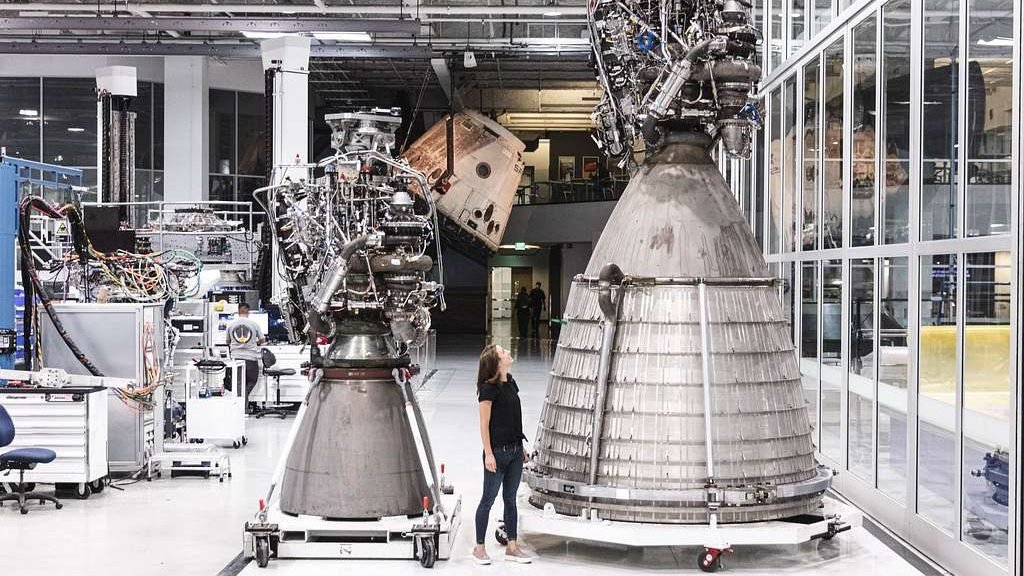
One thing is clear: SpaceX is moving at lightning speed to conquer space, but as Starship evolves, so does the need for more powerful engines. As missions get bigger, payloads get heavier, and the flights become longer, SpaceX needs engines capable of keeping up. And that’s exactly what they’re doing with the Raptor series.
SpaceX Raptor Engine Evolution and Specifications
| Feature | Raptor 2 | Raptor 3 | Raptor 4 |
|---|---|---|---|
| Engine Generation | Second generation | Third generation | Expected next generation |
| Thrust at Sea Level | 230 tons | 280 tons | 330 tons (projected) |
| Vacuum Thrust | 258 tons | Not specified in the source | Not confirmed |
| Engine Weight | 4,365 lbs | 3,365 lbs | Expected to be lighter; exact weight unconfirmed |
| Fuel Type | Methane and liquid oxygen | Methane and liquid oxygen | Expected to use methane and liquid oxygen |
| Combustion Cycle | Full-flow staged combustion | Full-flow staged combustion | Expected to use an advanced full-flow staged combustion design |
| Main Improvement | Powerful performance for Starship | Increased thrust and reduced weight | Higher thrust, improved efficiency, and further weight reduction |
| Reusability Goal | Reusable engine design | Improved engine design | Long-term target of 50–100 reuses |
| Flight Status | Used in Starship Version 2, according to the source | Unflown at the time described in the source | Development and specifications remain unconfirmed |
| Primary Application | Starship missions | Future Starship missions | Deep-space exploration and potential Mars missions |
The Current Raptor Engine: Raptor 2 and Raptor 3
Currently, the Starship Version 2 uses the Raptor 2 engine, which generates an impressive 230 tons of thrust at sea level and 258 tons in a vacuum. These are incredible numbers, but as SpaceX pushes toward deeper space missions, they need an engine that can do more.
In August 2024, SpaceX unveiled Raptor 3, a more refined engine with a 21% increase in thrust compared to the Raptor 2. Raptor 3 can generate 280 tons of thrust, with the possibility of reaching 300 tons if Elon Musk’s ambitions come to fruition. This is a big leap forward, but it’s not the end of the journey. The true game-changer lies in Raptor 4.
The Raptor 4: A True Breakthrough in Rocket Technology
SpaceX’s Raptor 4 is expected to be the most powerful rocket engine ever created, boasting 330 tons of thrust. This number is not just speculation but comes directly from Elon Musk’s vision for the future. In April 2023, during a speech to the SpaceX team, Musk boldly stated that they would aim to push the booster engines to 330 tons of thrust, signaling the relentless pursuit of innovation that SpaceX is known for.
Although we don’t have any official images or specific details about Raptor 4 just yet, it’s safe to say that SpaceX will continue to refine the design. Just like previous versions, Raptor 4 will likely be cleaner, sleeker, and more efficient, pushing the boundaries of rocket technology even further.
What Makes Raptor 4 Different?
1. Thrust and Efficiency
One of the most important features of Raptor 4 is its thrust-to-weight ratio. With 330 tons of thrust, this engine will shatter current records, outpacing every other engine on the market. But it’s not just the raw power; Raptor 4 will be far more efficient than older rocket engines. Unlike traditional engines, Raptor 4 will utilize methane as fuel, which leaves behind less carbon buildup and enables easier reuse.
2. Full-Flow Stage Combustion Cycle
A unique feature of the Raptor engine is its full-flow stage combustion cycle (FFSC). This advanced design splits the fuel burn into two stages: first, methane and liquid oxygen are mixed in pre-burners before being pumped into the main combustion chamber for a more complete burn. This process results in higher efficiency and greater thrust compared to older gas generator cycles.
3. Reduced Weight, Increased Power
In terms of size, Raptor 4 may not look much different from its predecessors, but the weight reduction will be significant. For example, Raptor 2 weighed in at 4,365 lbs, while Raptor 3 came in at 3,365 lbs—a significant weight cut. With Raptor 4, SpaceX is expected to push the limits of lightweight materials, making the engine even more powerful and efficient while keeping its weight down.
SpaceX Raptor 4 vs. Rocket F1: The Ultimate Comparison
When we talk about the most powerful engines in history, it’s impossible to ignore the F1 rocket engine used in the Saturn V rocket during the Apollo program. The F1 engine generated 680 tons of thrust at sea level, and an incredible 777 tons in a vacuum, making it the most powerful single-chamber engine ever made.
However, despite its massive power, the F1 engine is outdated by today’s standards. It was large, heavy, and inefficient compared to the Raptor 4. The F1 engine stood 19 feet tall and had a diameter of 12 feet, consuming over 5,800 pounds of fuel every second, which is astronomical compared to today’s engines.
In contrast, the Raptor 4 offers a huge advantage in efficiency and weight savings. Weighing only 3,300 pounds, Raptor 4 is five times lighter than the F1, allowing for more efficient launches and making it ideal for deep-space missions.
While the F1 engine may have been a powerhouse, the Raptor 4 offers greater thrust-per-pound efficiency, making it the clear contender for the future of space travel.
Key Features and Benefits of SpaceX Raptor 4
| Key Feature | Description | Expected Benefit |
|---|---|---|
| 330 Tons of Thrust | A projected thrust target attributed to Elon Musk’s vision | Greater propulsion capability for demanding space missions |
| Full-Flow Staged Combustion (FFSC) | Uses methane and liquid oxygen in pre-burners before combustion in the main chamber | Improved combustion efficiency and high engine performance |
| Lightweight Design | Builds on weight reductions from Raptor 2 and Raptor 3 | Better thrust-to-weight ratio and potential payload advantages |
| Integrated Cooling System | Cooling circuits are expected to be integrated into the engine structure | Improved thermal management and fewer separate components |
| Fewer Bolts and Joints | Reduces the number of mechanical connection points | Potentially fewer leak paths and failure points |
| Methane Fuel | Uses methane instead of conventional RP-1 kerosene | Less carbon buildup and potential benefits for engine reuse |
| Enhanced Reusability | Designed around SpaceX’s long-term goal of repeated engine use | Could reduce launch costs and turnaround time |
| Starship Integration | Intended to support the evolving Starship launch system | Greater capability for future heavy-lift missions |
| Mars Exploration | Could support missions requiring high payload capacity and efficient propulsion | Helps advance SpaceX’s long-term interplanetary ambitions |
| Development Timeline | No confirmed first-flight date or complete official specifications are provided in the source | Further testing and development are needed before performance can be established |
Key Features of Raptor 4 That Set It Apart
1. Revolutionary Cooling System
The cooling system in Raptor 4 will be a massive leap forward. SpaceX is moving toward integrated cooling circuits built directly into the engine structure, eliminating the need for external heat shields. This allows the engine to withstand extreme temperatures without the risk of breakdowns, a crucial feature for future missions.
2. Fewer Bolts and Joints
One of the most significant improvements is the reduction of bolts and joints. These are often the weak points in rocket engines, prone to thermal stress and failure. By minimizing these connection points, Raptor 4 becomes more reliable, with fewer opportunities for leaks or structural weaknesses.
3. Enhanced Reusability
One of the main goals of the Raptor engine family is to create a system that can be used multiple times—SpaceX’s vision is to reuse these engines up to 50 times, and eventually, 100 times. This is critical for reducing launch costs and making frequent space travel more feasible, which is central to the Starship program.
Conclusion: The Future of Space Travel with Raptor 4
The Raptor 4 engine is more than just a powerful rocket engine; it represents a new era in space exploration. With its advanced design, impressive thrust capabilities, and revolutionary materials, Raptor 4 will push the limits of what’s possible, enabling more ambitious missions like Mars exploration, interplanetary travel, and deep-space exploration.
Elon Musk’s vision for SpaceX has always been clear: to make space travel cheaper, more efficient, and accessible. With Raptor 4, it’s evident that SpaceX is getting closer to achieving that goal, setting the stage for a future where humanity can not only travel to the Moon and Mars but explore the stars.
SpaceX is, without a doubt, pushing the boundaries of rocket technology. Raptor 4 is the next giant leap in this mission, and the world is watching in anticipation. The future of space travel has never been brighter.
FAQs
1. What is the Raptor 4 engine?
The Raptor 4 is the next-generation rocket engine from SpaceX, set to be the most powerful engine of this decade. It is designed to provide 330 tons of thrust, making it significantly more powerful than previous versions like the Raptor 2 and Raptor 3.
2. What is the thrust of the Raptor 4 engine?
The Raptor 4 engine is expected to deliver 330 tons of thrust at sea level, which will make it one of the most powerful rocket engines ever created.
3. How does Raptor 4 compare to older engines like the F1?
While the F1 engine, used in the Saturn V rocket during the Apollo program, delivers 680 tons of thrust at sea level, it is much larger and less efficient compared to Raptor 4. Raptor 4 is more efficient, lighter, and offers a better thrust-to-weight ratio.
4. What makes the Raptor 4 engine more efficient than older engines?
The Raptor 4 utilizes a full-flow stage combustion cycle (FFSC), which allows it to burn fuel more efficiently, extracting more thrust from every drop of methane. Additionally, its use of methane instead of RP-1 fuel reduces carbon buildup, improving reusability.
5. How much does the Raptor 4 engine weigh?
The exact weight of the Raptor 4 is not yet confirmed, but it is expected to be lighter than previous versions like Raptor 2, which weighs around 4,365 lbs. SpaceX has been reducing the weight of each iteration by using more advanced materials and integrated cooling systems.
6. How does SpaceX plan to make Raptor 4 reusable?
SpaceX’s primary goal for the Raptor engine family is to make them highly reusable. The Raptor 4 will feature integrated cooling circuits, fewer bolts and joints, and clean-burning methane to reduce wear and tear, allowing for up to 50-100 reuses of the engine.
7. What is the full-flow stage combustion cycle (FFSC)?
The FFSC is a unique design where fuel is burned in two stages. In the first stage, methane and oxygen are partially burned in pre-burners and then sent to the main combustion chamber for complete combustion at extremely high pressure. This results in higher efficiency and greater thrust compared to older designs.
8. What other improvements does Raptor 4 have over previous engines?
The Raptor 4 will have fewer bolts and joints, reducing potential failure points. It will also have integrated cooling systems directly into the engine structure, eliminating the need for separate heat shields and increasing reliability.
9. When will Raptor 4 be ready for flight?
While SpaceX has not given an exact timeline for the first Raptor 4 flight, it is expected to be tested in the coming years, as SpaceX continues to refine its technology for the Starship program and future space missions.
10. How does Raptor 4 benefit future missions to Mars and beyond?
The Raptor 4 engine is a key component in SpaceX’s vision for deep-space missions, such as Mars exploration. Its higher thrust, efficiency, and reusability will make interplanetary travel more feasible by reducing launch costs and allowing for heavier payloads to be sent to other planets and beyond.
11. What improvements could Raptor 4 bring to Starship?
The Raptor 4 engine is expected to deliver up to 330 tons of thrust, alongside potential improvements in weight reduction, cooling, efficiency, and reliability. These upgrades could help Starship carry heavier payloads and support more ambitious space missions, although the specifications have not been officially confirmed.
12. Why is methane used as fuel in SpaceX Raptor engines?
Methane is used with liquid oxygen in SpaceX’s Raptor engines because it supports high-performance combustion and can reduce carbon buildup compared with conventional kerosene-based fuels. Methane may also be produced using resources available on Mars, potentially supporting long-term interplanetary exploration.
13. How could Raptor 4 reduce SpaceX launch costs?
The Raptor 4 engine could help reduce launch costs through improved fuel efficiency, lightweight construction, and reusability. Fewer mechanical joints and integrated cooling systems may also simplify maintenance. However, the actual cost savings will depend on testing, manufacturing expenses, and operational performance.
14. What is the importance of the Raptor 4 engine’s cooling system?
The proposed integrated cooling system is intended to manage the extreme temperatures generated during rocket engine operation. By integrating cooling circuits into the engine structure, SpaceX could reduce the need for separate components and potentially improve reliability and durability during repeated launches.
15. When could the Raptor 4 engine power a Starship mission to Mars?
SpaceX has not provided a confirmed Raptor 4 first-flight date in the source article. Before the engine can support future Mars missions, its design, performance, and reliability will need to be developed and tested. Its projected 330-ton thrust capability could contribute to SpaceX’s long-term interplanetary exploration goals if achieved.
Read More:
- Tesla’s 3 BIGGEST 2027 Reveals Could CHANGE America Forever
- Starship Evolution: SpaceX is Shifting To V3 Starship Now! Why
- GM freezes BrightDrop production in Canada, eyes 2026 van refresh
- Global EV sales climbed 29% in March, powered by China & Europe
- Analysts cut Rivian price targets amid tariff concerns
Quit trying to rewrite history. The F1 engine used on the Saturn V rockets in the 1960’s and 1970’s each produced about 1.5 million pounds of thrust. 5 times more than the imaginary Raptor 4.
Would a single Raptor V4 be “better” than a single F-1?
Raw individual thrust: No, even at the high-end 330 tf target, a Raptor V4 would produce roughly half the thrust of one F-1 (~1.5 million lbf vs. ~725,000 lbf). The F-1 still holds the record as the most powerful single-chamber liquid-fueled rocket engine ever flown or tested to operational levels.
Virtually every other meaningful metric: Yes, overwhelmingly. Raptor V4 would excel in:
Efficiency (much higher specific impulse → better propellant use and delta-v)
Mass (far lighter engine → better overall vehicle thrust-to-weight)
Reusability (designed for dozens/hundreds of flights vs. F-1’s single-use)
Cost (orders of magnitude cheaper to produce and operate)
Modern features (full-flow staged combustion at ~350+ bar chamber pressure vs. F-1’s ~70 bar gas-generator cycle, methane fuel for easier ISRU on Mars, rapid production/iteration)