
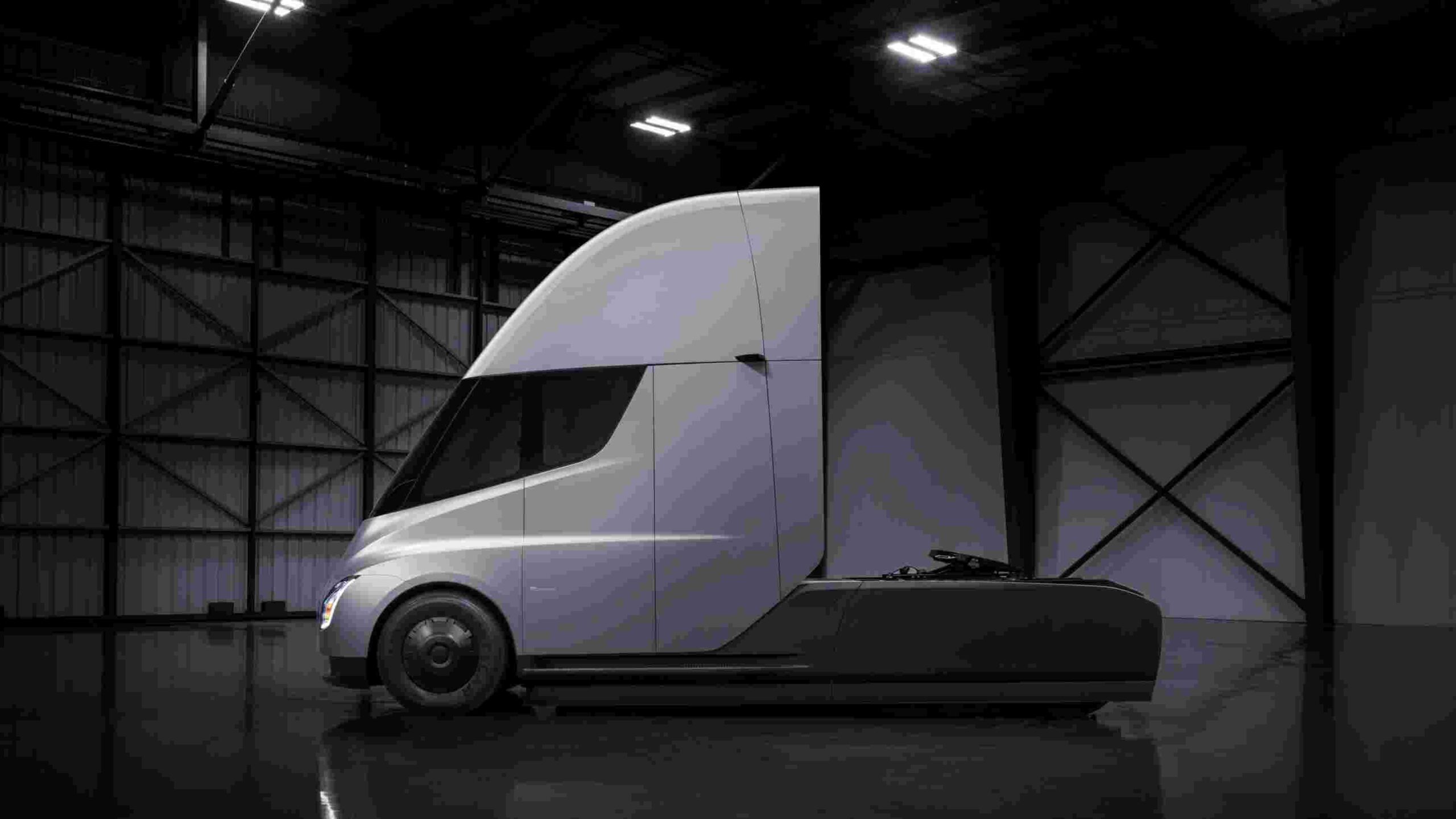
The automotive world is once again buzzing with speculation and excitement as Tesla pushes the boundaries of manufacturing innovation. At the center of the storm is the rumored 50,000-ton Giga Press, a machine so massive that it sounds like science fiction. Could this revolutionary technology really enable the Tesla Semi Gen 2 to be produced in just 30 seconds?
While that claim may sound unbelievable at first glance, a closer look at Tesla’s recent factory expansions, infrastructure investments, and prototype sightings suggests something extraordinary is taking shape. From ultra-large casting machines to structural battery packs and megawatt charging networks, Tesla appears ready to redefine heavy-duty trucking forever.
Let’s break down what’s happening—and what it means for the future of freight.
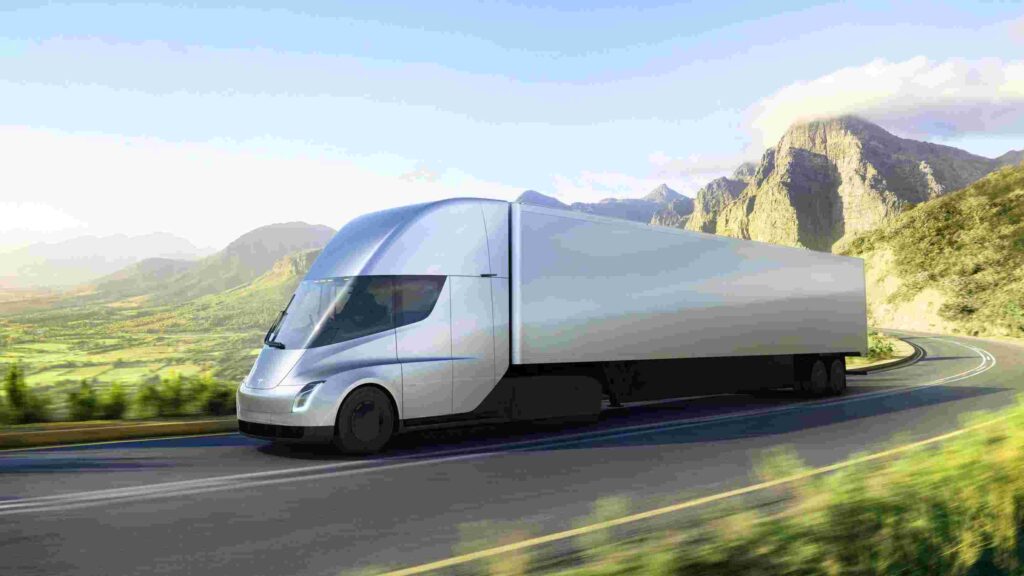
Tesla’s Giga Press Evolution: From 9,000 Tons to 50,000 Tons?
Since 2020, Tesla has aggressively expanded its use of high-pressure die casting machines, better known as Giga Presses. Originally deployed to manufacture large single-piece castings for the Model Y, these machines dramatically simplified vehicle production by replacing hundreds of parts with a single aluminum structure.
At facilities like Giga Nevada, Tesla has reportedly installed increasingly larger casting machines. Publicly confirmed Giga Presses range between 9,000 and 12,000 tons. But rumors now suggest Tesla may be exploring casting forces as high as 50,000 tons—specifically for the Semi Gen 2.
Why would Tesla need something that powerful?
Because building a Class 8 electric truck is far more demanding than building a compact SUV. A truck frame must handle enormous loads, structural stress, and long-haul durability. If Tesla can cast major portions of the Semi’s frame in a single piece, it could eliminate thousands of weld points and dramatically reduce assembly time.
That’s where the “30-second production” claim begins to make sense.
The 30-Second Production Claim: Myth or Manufacturing Breakthrough?
Taken literally, producing a complete heavy-duty truck in 30 seconds seems impossible. But that’s not what Tesla’s manufacturing philosophy implies.
Tesla’s “unboxed process” divides a vehicle into large modules that are built in parallel rather than sequentially. Instead of moving a truck slowly down a long assembly line, major components are manufactured simultaneously and then merged in final assembly.
If:
- The front and rear underbodies are cast as single pieces
- The battery pack functions as a structural component
- Large stamping machines create full body sections in one press
Then the final assembly stage could be reduced to mere minutes—or even seconds per unit.
In this context, “30 seconds” may refer to the time spent at the final integration station, not the entire manufacturing process from raw materials to finished truck.
That distinction is critical.
Tesla Semi Gen 2: A Complete Redesign
The first-generation Tesla Semi delivered to companies like PepsiCo represents only the beginning.
According to investors and industry observers, the Semi Gen 2 will integrate Tesla’s latest 4680 structural battery cells, which:
- Reduce weight
- Increase energy density
- Serve as part of the vehicle’s frame
- Eliminate multiple traditional assembly steps
This approach lowers the center of gravity, improves rollover resistance, and simplifies the production line.
Rather than being an upgrade, the Semi Gen 2 appears to be a full architectural reboot.
Design Evolution: The Cyber Influence
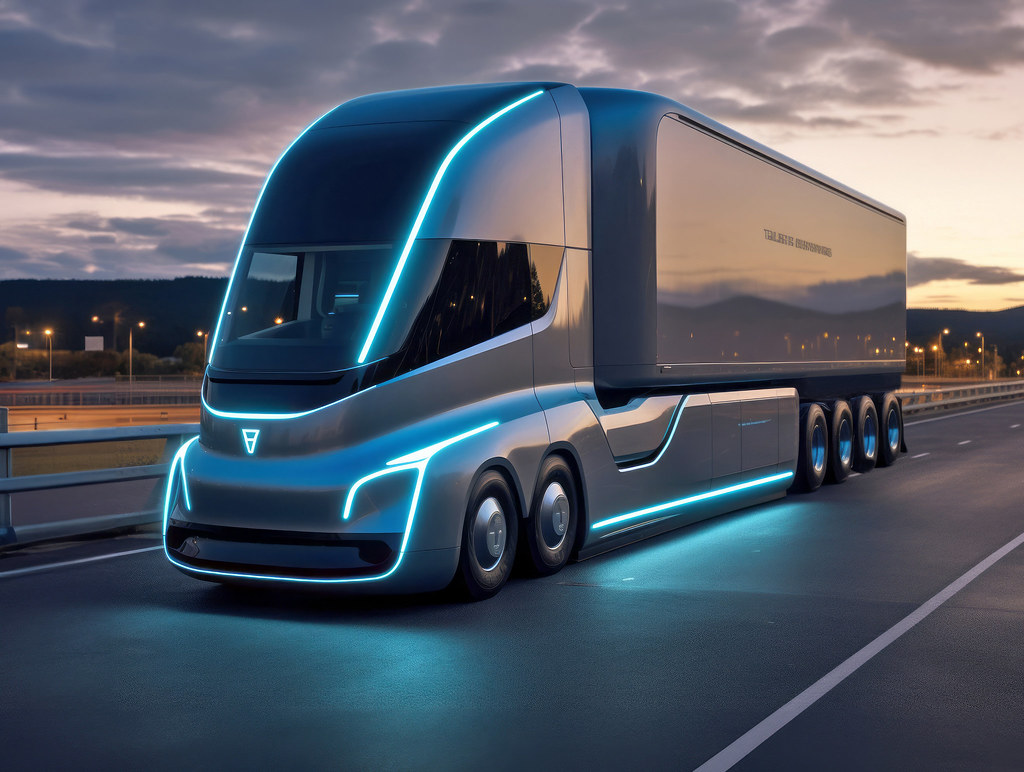
Recent prototype sightings suggest that the Semi Gen 2 is embracing Tesla’s evolving design language—heavily inspired by the Cybertruck.
Exterior Changes
- Flatter, more aerodynamic front end
- Slim horizontal LED light bar
- Hidden primary headlights
- Reduced windshield area for lower drag
- Active air shutters in the front bumper
These changes aren’t cosmetic. They’re efficiency-driven. For electric trucks, aerodynamic drag directly impacts operating costs.
The redesigned Semi reportedly achieves energy consumption of around 1.7 kWh per mile—a figure diesel trucks simply cannot match in energy efficiency terms.
Camera-Based Mirrors and Autonomy Preparation
Another major shift is the likely replacement of traditional side mirrors with outward-mounted camera pods.
This change offers:
- Reduced aerodynamic drag
- True 360° visibility
- Compatibility with future Full Self-Driving (FSD) systems
Tesla plans to integrate supervised autonomy into the Semi Gen 2 as early as 2026. While drivers will remain in control, hands-free highway driving could significantly reduce fatigue—especially on long-haul routes.
For logistics operators, that’s not just a feature. It’s a potential cost advantage.
Sleeper Cab: Built for Real-World Trucking
One of the most exciting updates is the addition of a sleeper cab.
Reports from Giga Texas indicate the cabin has been extended by approximately 50–70 cm, making room for:
- A full sleeping area
- Extra storage
- Potential onboard refrigeration
- Enhanced comfort features
This transforms the Semi from a short-haul experimental vehicle into a true long-haul freight competitor.
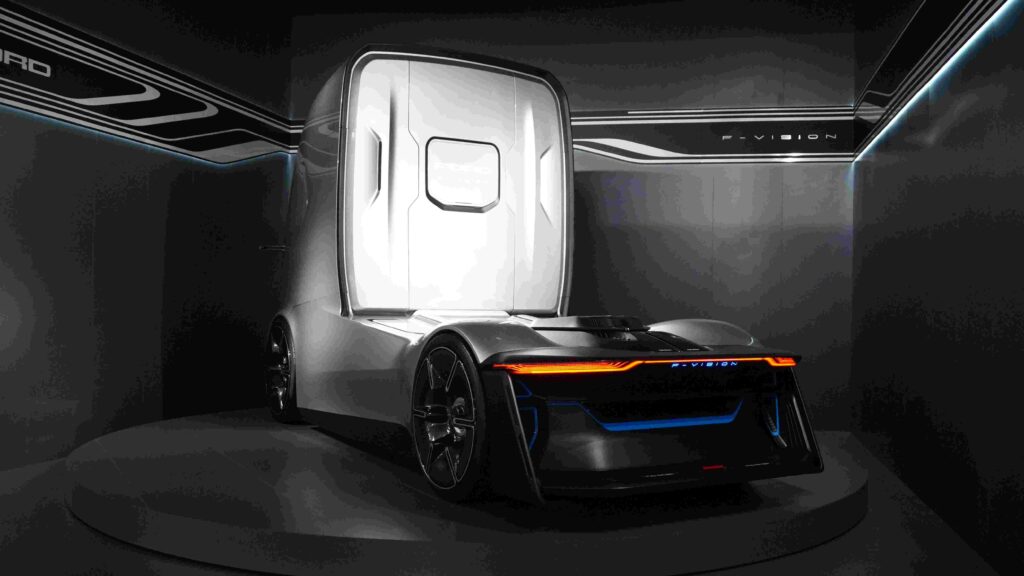
50,000 Units Per Year: A Bold Production Target
Tesla has announced plans to produce 50,000 Semi trucks annually at Giga Nevada.
For context:
- The entire U.S. Class 8 truck market is projected around 245,000 units annually.
- Traditional truck manufacturers rely heavily on manual labor and welding.
To reach 50,000 units, Tesla must rely on:
- Giga Casting
- Structural battery integration
- Simplified electric drivetrains
- Parallel module manufacturing
Without radical manufacturing efficiency, that number would be unattainable.
Mega Charger Network: Infrastructure Signals Scale
In early 2026, flyover images revealed the first 46 Mega Charger stations nearing completion across the United States.
These stations deliver up to 1.2 megawatts of power, enabling the Semi to charge from 5% to 70% in roughly 30 minutes.
Tesla is not simply building trucks—it’s building an ecosystem.
This infrastructure investment only makes sense if mass deployment is imminent.
DHL and PepsiCo: Real-World Validation
The Semi is already being tested by major logistics companies.
DHL
DHL’s U.S. fleet trials have reportedly produced positive results. The company has publicly committed to electrifying 30% of its fleet by 2030.
PepsiCo
PepsiCo operates at least 86 Tesla Semis in California on short- and medium-haul routes. These deployments demonstrate practical viability rather than theoretical potential.
For large carriers, total cost of ownership matters more than upfront price.
Even if the final Semi price exceeds the originally promised $180,000, it may still undercut competitors charging close to $400,000 per electric Class 8 truck.
How the 50,000-Ton Giga Press Could Change Everything
If Tesla successfully scales ultra-large casting machines for heavy trucks, the implications are enormous:
- Fewer parts
- Fewer workers per vehicle
- Faster throughput
- Lower production cost
- Higher structural rigidity
By eliminating mechanical complexity, Tesla reduces the number of failure points.
Electric drivetrains already require fewer components than diesel engines. Combine that with mega casting and structural batteries, and the Semi Gen 2 becomes not only easier to build—but easier to maintain.

Job Creation or Job Disruption?
One unavoidable question remains:
Is Tesla innovating—or automating away traditional manufacturing jobs?
Giga Casting reduces welding and mechanical assembly roles. However, it also creates demand for:
Rather than eliminating jobs outright, Tesla may be accelerating a shift toward higher-skilled industrial labor.
History suggests manufacturing revolutions don’t eliminate industries—they transform them.
2026: The Turning Point
For nearly a decade, the Tesla Semi was seen as an ambitious promise. But with:
- Structural 4680 batteries
- Giga Press expansion
- Mega Charger infrastructure
- Confirmed corporate trials
- Volume production targets
The Semi Gen 2 no longer looks like an experiment.
If Tesla executes successfully, 2026 may mark the year electric trucks move from niche to mainstream.
And if the 30-second final assembly benchmark becomes reality, the industry may never look the same again.
Final Thoughts: Is This Truly Unbelievable?
A 50,000-ton Giga Press producing a Tesla Semi Gen 2 in 30 seconds sounds outrageous. But Tesla has built its reputation on turning outrageous ideas into operational reality.
From the Model Y’s single-piece castings to the structural battery revolution, Tesla consistently bets on manufacturing innovation—not just product innovation.
The Semi Gen 2 may ultimately prove that the real breakthrough isn’t the truck itself—but how it’s built.
If successful, Tesla won’t just be launching another electric vehicle.
It will be redefining how heavy industry works.
FAQs
1. What is the Tesla Semi Gen 2?
The Tesla Semi Gen 2 is the upcoming second-generation version of Tesla’s all-electric Class 8 truck. It is expected to feature structural 4680 battery cells, mega-casting technology, improved aerodynamics, and enhanced autonomous driving capabilities.
2. Is Tesla really using a 50,000-ton Giga Press?
As of now, Tesla has not officially confirmed a 50,000-ton Giga Press. Publicly known machines range between 9,000 and 12,000 tons. The 50,000-ton figure remains a rumor, but it aligns with Tesla’s history of scaling manufacturing technology.
3. Can the Tesla Semi really be produced in 30 seconds?
The “30-second production” claim likely refers to final assembly time rather than full vehicle manufacturing. Tesla’s modular “unboxed” production method allows major components to be built in parallel, dramatically reducing final integration time.
4. Where will the Tesla Semi Gen 2 be manufactured?
The Semi is being assembled at Giga Nevada, which is being expanded to support large-scale truck production with a target capacity of 50,000 units per year.
5. What are 4680 structural battery cells?
4680 cells are Tesla’s next-generation cylindrical batteries that serve as both energy storage and structural components of the vehicle. This reduces weight, increases rigidity, and eliminates multiple traditional assembly steps.
6. What is the production target for Tesla Semi Gen 2?
Tesla has announced a planned production capacity of up to 50,000 Semi trucks annually once the factory reaches full scale.
7. How far can the Tesla Semi travel on a single charge?
The current Tesla Semi offers versions capable of approximately 300 to 500 miles of range, depending on configuration and load. The Gen 2 is expected to maintain or improve upon this performance.
8. What is the Mega Charger network?
Tesla’s Mega Charger network is a high-power charging system delivering up to 1.2 megawatts. It allows the Semi to recharge from 5% to 70% in roughly 30 minutes, improving fleet uptime.
9. Which companies are currently using the Tesla Semi?
Major corporations like PepsiCo and DHL have tested or deployed Tesla Semis in real-world fleet operations.
10. How much will the Tesla Semi Gen 2 cost?
Tesla has not released final pricing. Originally announced at $180,000 in 2017, the updated version will likely cost more, though it may remain competitive compared to other electric Class 8 trucks priced near $400,000.
11. What makes the Semi Gen 2 different from Gen 1?
The Gen 2 version is expected to include a structural battery pack, larger giga castings, improved aerodynamics, updated autonomy hardware, and a sleeper cab for long-haul driving.
12. Will the Tesla Semi support Full Self-Driving (FSD)?
Tesla plans to introduce supervised autonomous driving capabilities in the Semi Gen 2. While drivers will remain in the cabin, highway hands-free functionality may reduce fatigue and improve efficiency.
13. How does giga casting benefit heavy-duty trucks?
Giga casting replaces hundreds of smaller welded parts with large single-piece aluminum castings. This reduces production time, weight, manufacturing cost, and potential structural weaknesses.
14. Is the Tesla Semi environmentally friendly?
Yes. The Tesla Semi produces zero tailpipe emissions and helps reduce carbon output for logistics companies transitioning away from diesel fleets.
15. When will Tesla Semi Gen 2 enter full production?
Tesla has indicated that volume production is expected to begin in 2026, marking a major milestone in electric heavy-duty truck manufacturing.
Read More:
- Elon Musk Revealed Unprecedented SpaceX Starship Launch Pace Plan! Dominating Era Begins
- Tesla Megapack Megafactory in Texas advances with major property sale
- Tesla Giga Berlin makes a statement of solidarity amid IG Metall conflict
- Elon Musk denies Starlink’s price cuts are due to Amazon Kuiper
- xAI’s Grok approved for Pentagon classified systems: report
- Tesla looks to upgrade Matrix Headlights with new features