
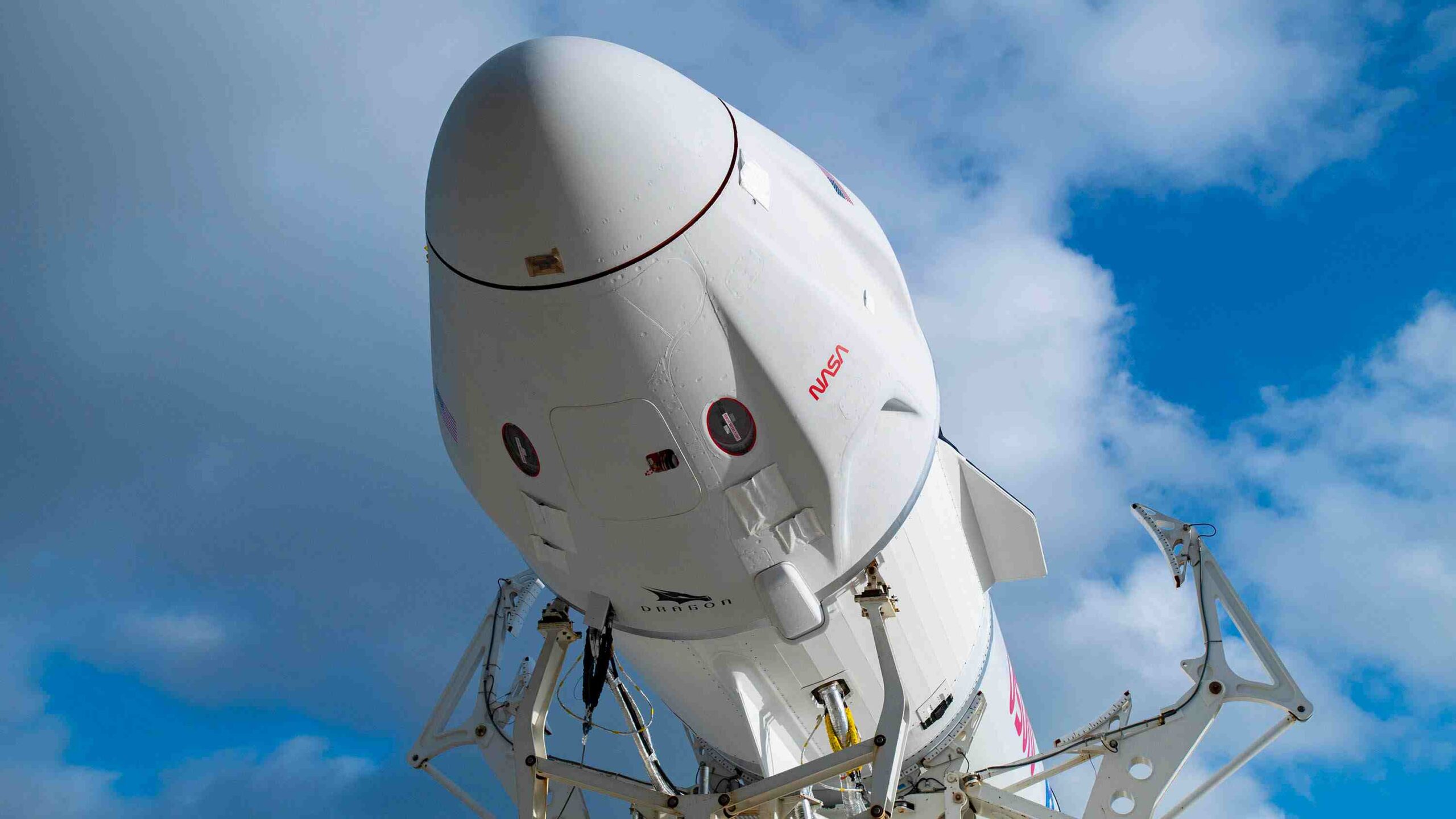
How SpaceX Will Build The Star Station: For decades, humanity’s dream of living in space has been shaped by one iconic structure: the International Space Station (ISS). While revolutionary for its time, the ISS represents an engineering compromise—tight modules, narrow passageways, and an environment that prioritizes function over comfort. Astronauts live and work in conditions often compared to a high-tech submarine, surrounded by cables, equipment, and confined spaces.
But that era is beginning to fade. A bold new concept is emerging—one that reimagines not just how we build in space, but how we live there. At the heart of this transformation is SpaceX’s Starship, the largest rocket ever built. By converting this massive spacecraft into a permanent orbital habitat, humanity is preparing to transition from cramped modules to expansive, livable environments in orbit.
This is not just an upgrade. It’s a complete redefinition of life beyond Earth.
The Architecture of a Giant: Why Starship Changes Everything
From Modular Assembly to Single-Launch Stations
Traditional space stations like the ISS were assembled piece by piece over many years. Each module had to fit within the payload constraints of rockets available at the time. This meant limited interior volume, complex assembly missions, and a patchwork design.
Starship completely breaks this limitation.
Instead of launching dozens of components and assembling them in orbit, Starship allows for a single-launch space station. Its enormous size enables engineers to design a complete habitat before it even leaves Earth.
Unprecedented Scale and Volume
Starship’s upper stage is approximately 9 meters in diameter and over 50 meters long. This gives it an internal volume greater than the entire ISS combined.
That scale unlocks possibilities never before considered:
- Wide, open living areas instead of cramped corridors
- Dedicated floors for specific functions
- Improved safety through spatial separation
- Enhanced psychological well-being for crew members
This is the difference between living in a closet and living in a skyscraper.
A Proven Concept Reimagined
The idea of turning a rocket into a space station is not entirely new. In the 1970s, NASA successfully launched Skylab using a similar “wet workshop” concept, converting a rocket stage into a habitable space.
Starship takes that proven idea and scales it dramatically. With modern materials, automation, and robotics, it transforms a once-experimental concept into a practical solution for long-term habitation in space.
Construction by Robots: The Rise of Orbital Contractors
Why Humans Won’t Build It Alone
Building a space station from a repurposed rocket presents a unique challenge. Once Starship reaches orbit, it must be transformed internally—equipment removed, systems installed, and structures modified.
Doing this manually would require extensive astronaut labor, risky spacewalks, and long timelines.
The solution? Robots.
Autonomous Builders in Microgravity
Advanced humanoid robots, like Tesla’s Optimus, are envisioned as the primary construction workforce in orbit. These machines will operate in microgravity, performing complex tasks with precision and efficiency.
Their responsibilities could include:
- Removing Rocket Components
Engines, plumbing, and fuel systems used during launch will be stripped out to make space for habitation. - Installing External Systems
Large solar arrays and thermal radiators will be deployed to power and regulate the station. - Cutting and Modifying the Hull
Robots will carve openings into the stainless steel structure to install windows, docking ports, and structural reinforcements.
Faster, Safer, and Scalable Construction
Using robots significantly reduces risk to human life while accelerating construction timelines. It also enables repeatability—once the process is perfected, multiple Starship stations could be built using the same blueprint.
This marks the beginning of industrial-scale construction in space.
The Vertical Layout: A Space Skyscraper
Unlike the ISS, which spreads modules horizontally, a Starship station is organized vertically into multiple decks. This design mimics a high-rise building, with each level serving a specialized purpose.
The Basement: Utility and Life Support Systems
Deck 10: Waste Management and Storage
At the very bottom lies the station’s utility core. This deck handles:
- Battery storage for energy reserves
- Waste processing systems
- Trash compaction and recycling
- Organic composting for sustainable operations
This is where the station maintains its closed-loop ecosystem.
Deck 9: Water Recycling and Radiation Protection
This level houses one of the most critical systems onboard—the water recovery system. Every drop of moisture, from sweat to breath condensation, is captured and purified back into drinking water.
Additionally, water tanks line the walls, doubling as radiation shielding. During solar storms, this area acts as a safe zone, protecting residents from harmful cosmic radiation.
The Living Quarters: Comfort Meets Functionality
Decks 8 to 5: Residential and Health Spaces
As we move upward, the environment becomes more human-centered.
Deck 6: Fitness and Hygiene
In microgravity, the human body deteriorates rapidly without exercise. To combat this:
- Residents will exercise two hours daily
- Specialized equipment will simulate resistance training
- Hygiene systems will manage bathing and sanitation in zero gravity
This deck ensures long-term health and physical stability.
Deck 5: Crew Quarters
This level provides private living spaces for approximately 20 crew members.
Compared to the ISS, these quarters offer:
- Greater personal space
- Improved sound insulation
- Customizable environments
- Better sleep conditions
This shift acknowledges a critical truth: comfort is essential for long-duration missions.
The Heart of Innovation: Science and Research Deck
Deck 4: The Orbital Laboratory
Scientific discovery remains central to the station’s purpose. This deck is dedicated entirely to research and experimentation.
Key areas include:
Microgravity Manufacturing
Without gravity, materials behave differently. Scientists can create:
- Perfect crystals
- Advanced pharmaceuticals
- Novel alloys
These products could revolutionize industries on Earth.
Biological Research
Researchers will study how plants, animals, and humans adapt to long-term space environments. This knowledge is essential for future missions to Mars and beyond.
The Crowning Jewel: Life Beyond Survival
Where Space Becomes a Home
The upper decks of the Starship station redefine what it means to live in space. These levels are designed not just for survival, but for enjoyment, connection, and inspiration.
Communal Living and Social Spaces
Deck 3: Dining and Food Production
Food is more than sustenance—it’s a social experience.
This deck includes:
- Zero-gravity gardens for fresh produce
- Food preparation systems
- Shared dining areas for crew interaction
Growing food in space also contributes to sustainability and mental well-being.
Recreation and Mental Health
Deck 2: Entertainment and Activity Zones
Long-term space missions can take a toll on mental health. This deck addresses that challenge with:
- Virtual reality environments
- Microgravity sports areas
- Interactive games like magnetic chess
These features help maintain cognitive health and morale.
The Observation Deck: A Window to the Universe
Deck 1: The Lounge in the Stars
At the very top of the station lies its most breathtaking feature.
The observation deck offers 360-degree panoramic views of space. Large windows allow residents to witness:
- Earth rotating beneath them
- Sunrises and sunsets every 90 minutes
- The vastness of the cosmos
Traveling at speeds of 28,000 kilometers per hour, the station provides a constantly changing view that few humans have ever experienced.
This is not just a room—it’s a reminder of humanity’s place in the universe.
A New Philosophy of Space Living
From Survival to Sustainability
Previous space stations were designed with a singular goal: survival. Every system was optimized for efficiency, often at the expense of comfort.
The Starship station introduces a new philosophy:
- Human-centered design
- Long-term sustainability
- Psychological well-being
- Scalability for future expansion
This shift is essential if humanity is to become a multi-planetary species.
Challenges and Realities
Engineering and Logistics
Despite its promise, the concept is not without challenges:
- Structural modifications in orbit are complex
- Radiation protection must be robust
- Life support systems must be highly reliable
- Launch and deployment costs remain significant
However, none of these challenges are insurmountable.
Dependence on Starship Success
The entire concept hinges on the success of Starship itself. If SpaceX achieves reliable, reusable launches, the economics of building such stations become viable.
Conclusion: Science Fiction Becoming Reality
At first glance, the idea of a Starship-based space station might seem like something out of science fiction. But when examined closely, it is grounded in real engineering principles and ongoing technological advancements.
If SpaceX succeeds in its broader ambitions—colonizing Mars and establishing a lunar presence—then building a Starship space station may not be the hardest step. In fact, it could be one of the most straightforward.
What makes this vision so powerful is not just its scale, but its intent.
We are no longer designing machines for astronauts to endure space.
We are designing homes for humans to live in space.
The transition from cramped modules to expansive orbital habitats marks the beginning of a new chapter in human history—one where space is not just a destination, but a place to belong.
And when that first Starship station opens its doors in orbit, it won’t just represent technological achievement.
It will represent the moment humanity truly steps into the stars.
FAQs
1. What is the Starship Space Station?
The Starship Space Station is a proposed orbital habitat built by repurposing SpaceX’s Starship rocket into a permanent living and working environment in space.
2. How is Starship different from the ISS?
Unlike the International Space Station (ISS), which was assembled in parts, Starship offers a single-launch solution with much larger internal space and a more comfortable living design.
3. How big is the Starship space station?
Starship is about 9 meters in diameter and over 50 meters tall, providing more usable volume than the entire ISS.
4. How will Starship be converted into a space station?
After reaching orbit, the rocket will be modified by robots that remove unnecessary components and install life support systems, windows, and infrastructure.
5. Will humans or robots build the station?
The majority of construction will be handled by autonomous robots, reducing risks and enabling faster, safer assembly in microgravity.
6. How many people can live in the Starship station?
The station is expected to support around 20 crew members, offering significantly more personal space than current space stations.
7. How will astronauts get food in space?
Food will come from stored supplies and zero-gravity gardens, where fresh produce can be grown onboard.
8. How is water managed in the station?
The station will use advanced water recycling systems that convert sweat, urine, and moisture into clean drinking water.
9. How will astronauts stay healthy in microgravity?
Crew members will follow a strict routine including two hours of daily exercise using specialized equipment to prevent muscle and bone loss.
10. What kind of research will be conducted onboard?
Scientists will focus on microgravity manufacturing, biological studies, and advanced material research that cannot be done on Earth.
11. How does the station protect against space radiation?
The station uses water-based radiation shielding, especially in lower decks, to protect occupants during solar storms and cosmic radiation exposure.
12. What makes this station more comfortable than previous ones?
It includes larger living spaces, private quarters, recreational areas, and even panoramic observation decks, making it feel more like a home than a lab.
13. Will there be entertainment in space?
Yes, the station will feature virtual reality zones, games, and microgravity sports to support mental health and relaxation.
14. How fast does the station orbit Earth?
The station will travel at approximately 28,000 kilometers per hour, completing an orbit and experiencing a sunrise every 90 minutes.
15. Is the Starship space station real or still a concept?
While still in development, the idea is based on real technology and current SpaceX progress, making it a highly plausible future project rather than pure science fiction.
Read More:
- New Tesla Battery 2027: Sodium-Ion vs Lithium—8,000 cycles, 300°C safety, cost parity threat
- Tesla Semi Mass Production Has Officially Begun
- Tesla revises new Intervention Reporting system with Full Self-Driving
- Tesla Semi gets new product launch as mass manufacturing hits Plaid Mode
- SpaceX’s Bombshell Upgrade on 1st Starship RETURN Home! NEVER Seen Before
2 thoughts on “How SpaceX Will Build The Star Station”