
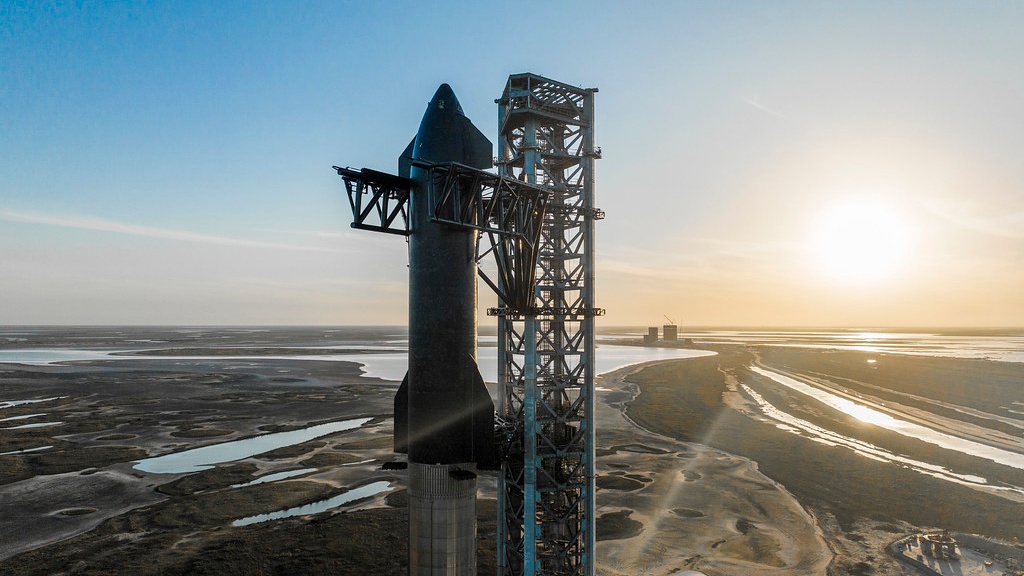
The conclusion of SpaceX’s Starship Flight 12 has ignited intense discussion across the aerospace industry. While the public focused on the dramatic visuals of the mission, industry experts immediately turned their attention to a more important question: How soon can Starship fly again?
The answer may depend less on rocket engineering and more on the reaction of the Federal Aviation Administration (FAA). Surprisingly, the FAA’s early response to the Super Heavy Booster B19 explosion has been highly unusual compared to previous Starship incidents. Instead of immediately launching a full mishap investigation, the agency has adopted a cautious assessment approach that could dramatically shorten the timeline toward Starship Flight 13.
If this trend continues, SpaceX may achieve another launch far earlier than expected, potentially as soon as late June or early July 2026.
SpaceX Flight 12: A Mission Filled with Successes and Problems
Starship Flight 12 was a mixed mission. It showcased major improvements in the Starship system while simultaneously exposing critical weaknesses in the Super Heavy booster architecture.
The mission consisted of two major components:
- Super Heavy Booster B19
- Starship Upper Stage S39
Both experienced different technical anomalies during flight.
Super Heavy Booster B19 Experienced Engine Failure During Ascent
The first major problem appeared shortly after liftoff.
During ascent, one of the booster’s 33 Raptor engines failed unexpectedly. Normally, the Super Heavy system is designed with engine redundancy, meaning it can survive the loss of a single engine without catastrophic consequences.
However, Flight 12 demonstrated that even a single engine failure can create cascading complications.
How the Failure Affected the Mission
The failed engine disrupted the booster’s:
- Thrust balance
- Trajectory control
- Boostback burn sequence
As the booster attempted to return toward the Gulf of Mexico, telemetry indicated abnormal engine ignition timing and orientation shifts.
The onboard flight computer likely compensated for the uneven thrust, but this created instability during critical maneuvering phases.
Sequence of Events
Raptor Engine Failure
        ↓
Boostback Burn Problems
        ↓
Trajectory Deviations
        ↓
Hard Splashdown Attempt
        ↓
Mid-Air Explosion
This sequence highlights how a seemingly manageable engine loss can evolve into a major operational issue during recovery operations.
The Hard Splashdown and Booster Explosion
The most dramatic moment occurred during the final landing burn.
According to SpaceX, Booster B19 attempted a controlled splashdown over the Gulf of Mexico but suffered what the company described as a “hard splashdown.”
Independent optical tracking later revealed something even more significant.
Explosion Above the Ocean Surface
Observers detected a structural breakup approximately 100 meters above the ocean surface, followed by an explosion that terminated telemetry feeds.
This raised immediate concerns that the FAA would classify the event as a formal mishap, which historically has resulted in lengthy delays for SpaceX.
Previous Starship investigations often forced the company into:
- Months-long engineering reviews
- Documentation audits
- Corrective action approvals
- Regulatory stand-down periods
Yet this time, something very different happened.
Why the FAA Response Is Highly Unusual
The FAA’s official statement after Flight 12 surprised aerospace analysts.
Instead of immediately announcing a mishap investigation, the agency stated:
“The FAA is assessing the operation; a mishap determination has not been made at this time.”
This wording is extremely important.
Historically, the FAA rapidly initiated formal investigations whenever Starship vehicles exploded unexpectedly. The absence of an immediate mishap declaration suggests a meaningful shift in regulatory posture.
Why the FAA May Avoid a Formal Mishap Investigation
Several factors likely influenced the FAA’s unusually restrained reaction.
1. The Explosion Occurred Inside Approved Hazard Zones
The booster failure happened entirely over an unpopulated sector of the Gulf of Mexico.
This means:
- No civilians were endangered
- No populated areas were affected
- No maritime infrastructure was damaged
The event stayed within pre-approved safety boundaries established before launch.
2. No Public Injury or Property Damage
The FAA specifically confirmed:
- No public injuries occurred
- No public property was damaged
This matters enormously in regulatory decision-making.
Historically, investigations become more severe when public risk extends beyond approved zones.
3. Minimal Impact on Air and Sea Traffic
Reports indicate the debris field remained tightly contained, causing little disruption to:
- Commercial flights
- Shipping lanes
- Offshore operations
This reduced the operational consequences of the anomaly.
What Happens If the FAA Does NOT Declare a Mishap?
This is the key issue shaping the Starship timeline.
If the FAA avoids a formal mishap investigation, SpaceX could bypass months of regulatory delays.
Instead of entering a full investigation cycle, the company may only need:
- Licensing adjustments
- Technical documentation updates
- Validation testing
That would dramatically accelerate preparations for Starship Flight 13.
SpaceX’s Rapid Manufacturing Strategy Is Paying Off
One reason SpaceX can move quickly is its parallel manufacturing philosophy at Starbase, Texas.
Unlike traditional aerospace companies that build vehicles sequentially, SpaceX continuously manufactures replacement hardware even before current missions launch.
This means the next-generation vehicles are already nearly ready.
Starship S40 Is Nearly Prepared for Flight 13
The upper-stage spacecraft assigned to Flight 13 is Starship S40.
Construction began in January 2026 and progressed rapidly through the following months.
Key Development Milestones for S40
Structural Integration Completed
Teams installed:
- Nose cone
- Steering flaps
- Common dome
- Aft section
By late April, structural assembly was finalized.
Cryogenic Proof Testing Success
On May 3rd, S40 underwent cryogenic pressure testing using super-cooled liquid nitrogen.
The vehicle successfully endured simulated launch stress conditions, validating the integrity of:
- Propellant tanks
- Structural welds
- Internal pressure systems
This represented a major milestone toward flight readiness.
Upcoming Six-Engine Static Fire
The next critical test will involve a full six-engine static fire.
This test is especially important because Flight 12 experienced a Raptor vacuum engine anomaly shortly after stage separation.
Engineers will likely scrutinize:
- Vacuum engine ignition reliability
- Thermal stability
- Propellant flow consistency
A successful static fire would clear one of the biggest hurdles before launch.
Booster B20 Is Also Moving Toward Launch Readiness
While S40 advanced through testing, Booster B20 progressed simultaneously inside Mega Bay 1.
This parallel development strategy gives SpaceX a major advantage over traditional launch providers.
Engineering Changes Based on Flight 12 Data
Flight 12 telemetry is already influencing hardware upgrades.
Engineers are reportedly modifying portions of B20’s Raptor cluster to address vulnerabilities discovered during the B19 mission.
Potential areas of improvement include:
- Thermal shielding
- Engine ignition sequencing
- Propellant feed systems
- Thrust vector coordination
These upgrades aim to prevent another boostback burn failure.
The Critical 33-Engine Static Fire Test
Before launch approval, Booster B20 must complete a full static fire involving all 33 engines.
This test will evaluate:
- Thermal durability
- Mechanical stress resistance
- Ignition synchronization
- Vibration tolerance
Given the complexity of the Super Heavy system, this remains one of the highest-risk milestones before Flight 13.
Starbase Launch Infrastructure Survived Flight 12 Extremely Well
One of the most encouraging developments for SpaceX is the condition of the launch infrastructure.
Earlier Starship launches caused severe damage to:
- Concrete foundations
- Launch mounts
- Water deluge systems
- Fuel transfer equipment
Repair work often consumed months.
But Flight 12 produced a dramatically different outcome.
Orbital Launch Mount Remained Structurally Intact
Post-flight inspections showed that the Orbital Launch Mount (OLM) survived in excellent condition.
Reports indicate:
- No major structural cracking
- No foundational erosion
- Only cosmetic scorching on clamps
This significantly shortens turnaround timelines.
Quick Disconnect Systems Performed Smoothly
Both the:
- Ship Quick Disconnect (SQD)
- Booster Quick Disconnect (BQD)
operated cleanly during launch.
No major:
- Fuel leaks
- Mechanical jams
- Umbilical failures
were detected.
This is critical because disconnect system failures can create long repair delays.
Minimal Infrastructure Damage Means Faster Launch Turnaround
Because the launch pad survived largely intact, crews can focus on:
- Chopsticks calibration
- Propellant farm refilling
- Flame trench inspections
- Launch software verification
Instead of rebuilding the launch complex.
This alone could shave weeks or months off preparation schedules.
Starship Flight 13 Could Launch Much Earlier Than Expected
Thanks to:
- Rapid vehicle production
- Minimal pad damage
- Possible FAA flexibility
industry observers now estimate Flight 13 could launch by:
Late June or Early July 2026
That is significantly sooner than many analysts predicted after the B19 explosion.
The Three Major Milestones Before Flight 13
Despite the optimism, several crucial tasks remain.
1. Successful Static Fire Campaigns
Both vehicles must complete uninterrupted hot-fire tests:
- B20 with 33 engines
- S40 with 6 engines
Any anomaly could delay launch.
2. Flight Termination System Installation
The vehicles must receive:
- Pyrotechnic safety systems
- Final wiring checks
- Range safety certification
before final rollout.
3. FAA License Adjustments
Even without a mishap investigation, the FAA still needs to authorize:
- Vehicle configuration updates
- Mission profile modifications
- Safety documentation revisions
This remains one of the last bureaucratic hurdles.
Flight 13 Could Be a Historic Turning Point for Starship
Unlike previous missions, Flight 13 is expected to pursue a more ambitious orbital profile.
Potential objectives may include:
- Longer engine burns
- In-space engine restarts
- Payload deployment testing
- Orbital endurance demonstrations
This would move Starship closer to becoming a fully operational orbital transport system.
Blue Origin Is Also Racing Toward Its Next Launch
While SpaceX dominates headlines, Blue Origin is simultaneously progressing toward the New Glenn NG4 mission.
The company recently completed its own FAA review process following issues during the NG3 mission.
What Happened During New Glenn NG3?
Blue Origin experienced an upper-stage thermal anomaly that affected one of its BE-3U engines.
The result:
- Failure to achieve target orbit
- Payload loss during re-entry
However, unlike the booster issue, the first stage landed successfully on a drone ship.
FAA Approved Blue Origin’s Corrective Actions
After roughly one month of review, the FAA approved Blue Origin’s corrective action plan.
The company reportedly adjusted:
- Thermal insulation systems
- Software control logic
- Upper-stage temperature management
This cleared the path for NG4 preparations.
The Commercial Space Race Is Intensifying
The timing of both programs creates a fascinating competition.
SpaceX Focus Areas
SpaceX is currently working on:
- Raptor engine reliability
- Multi-engine synchronization
- Booster recovery consistency
Blue Origin Focus Areas
Blue Origin is targeting improvements in:
- Vacuum engine thermal management
- Upper-stage orbital performance
- Long-duration coast stability
The company that resolves its technical bottlenecks first may gain a major advantage in the commercial launch market.
Why the FAA’s Decision Could Shape the Future of Commercial Spaceflight
The FAA’s handling of Flight 12 may represent a larger philosophical shift.
Historically, aerospace regulation moved cautiously and slowly. But modern commercial launch systems iterate rapidly, often flying upgraded hardware every few months.
The FAA now appears increasingly willing to evaluate launches using:
- Real-world risk analysis
- Contained hazard assessments
- Data-driven oversight
rather than imposing automatic lengthy stand-downs after every anomaly.
If this regulatory flexibility continues, it could accelerate innovation across the entire private aerospace industry.
Final Thoughts
The Starship B19 explosion initially appeared likely to trigger another long regulatory shutdown. Instead, the FAA’s unusually measured response has dramatically changed expectations for SpaceX’s launch schedule.
With:
- Booster B20 nearing readiness
- Starship S40 progressing through testing
- Minimal launch pad damage
- No immediate mishap investigation
the path toward Flight 13 looks far shorter than many expected.
The coming weeks will now center on one crucial question:
Can SpaceX complete its static fire campaign without major setbacks?
If the answer is yes, Starship may return to the skies far sooner than anyone predicted, marking another major step toward fully reusable orbital spaceflight and the future of interplanetary exploration.
FAQs
1. Why is the FAA’s response to the Starship B19 explosion considered unusual?
The FAA did not immediately declare the Flight 12 booster explosion a formal mishap. Instead, the agency stated it is still “assessing the operation,” which is different from previous Starship incidents that triggered automatic investigations and long launch delays.
2. What happened during SpaceX Starship Flight 12?
During Flight 12, one of the Super Heavy booster’s Raptor engines failed during ascent. The booster later experienced problems during the boostback burn and eventually exploded above the Gulf of Mexico during the landing sequence.
3. Did the Starship upper stage complete its mission successfully?
Yes. Despite a minor Raptor vacuum engine issue, the Starship upper stage S39 successfully maintained trajectory, completed payload deployment operations, survived atmospheric re-entry, and achieved splashdown.
4. What caused the Super Heavy Booster B19 explosion?
The exact root cause is still under evaluation, but telemetry suggests the initial Raptor engine failure disrupted boostback operations, eventually leading to instability during the landing burn and a structural breakup above the ocean.
5. Why might SpaceX avoid a lengthy FAA investigation?
The explosion occurred inside pre-approved hazard zones over the Gulf of Mexico, with no injuries, property damage, or major disruption to air and maritime traffic. These factors may reduce the need for a full mishap investigation.
6. When could Starship Flight 13 launch?
Industry analysts estimate that Flight 13 could launch as early as late June or early July 2026 if testing and regulatory approvals proceed smoothly.
7. What is Starship S40?
Starship S40 is the upper-stage spacecraft currently being prepared for Flight 13. It has already completed cryogenic proof testing and is awaiting a full six-engine static fire test.
8. What is Booster B20?
Booster B20 is the next Super Heavy booster assigned to Starship Flight 13. Engineers are integrating upgrades based on data collected from the Flight 12 anomalies.
9. What are static fire tests in rocket launches?
Static fire tests involve igniting rocket engines while the vehicle remains secured to the launch pad. These tests validate engine performance, thermal stability, and system reliability before launch.
10. Did Flight 12 damage the Starbase launch pad?
No major structural damage was reported. The Orbital Launch Mount, hold-down clamps, and quick disconnect systems survived in excellent condition, allowing faster turnaround for the next mission.
11. Why is rapid manufacturing important for SpaceX?
SpaceX builds multiple vehicles simultaneously at Starbase. This parallel manufacturing strategy allows the company to prepare replacement hardware before previous flights even launch, significantly increasing development speed.
12. What major upgrades are expected for Flight 13?
Flight 13 may include:
- Longer orbital-duration flight
- In-space engine restarts
- Payload deployment demonstrations
- Advanced thermal protection testing
- More complex orbital maneuvers
13. How does the FAA influence Starship launch schedules?
The FAA oversees launch licensing and public safety regulations. If the agency opens a formal mishap investigation, launches can be delayed for months while corrective actions are reviewed and approved.
14. What happened with Blue Origin’s New Glenn NG3 mission?
Blue Origin’s NG3 mission suffered an upper-stage thermal anomaly that prevented it from reaching its intended orbit. However, the first-stage booster landed successfully on a drone ship.
15. Why is the competition between SpaceX and Blue Origin important?
Both companies are developing reusable heavy-lift rockets that could reshape commercial spaceflight. Their progress influences satellite deployment, lunar missions, deep-space exploration, and the future economics of orbital transportation.
Read More:
- Sodium-Ion Battery 2026 Tesla Rejects Solid-State as $55 Aluminum-Ion Shocks EV World!
- Tesla Model 2 $14,999 Final On Production Line With All-New Specs! What’s Inside 2026 Game-Changer?
- What Exactly Happened On SpaceX’s TWELFTH Starship Test Flight!
- 2026 Elon Musk’s Terafab GigaFactory UPDATE Shocked Entire The World
- Elon Musk Shocked Everyone with New Optimus Update: Human Skin & Superintelligence