
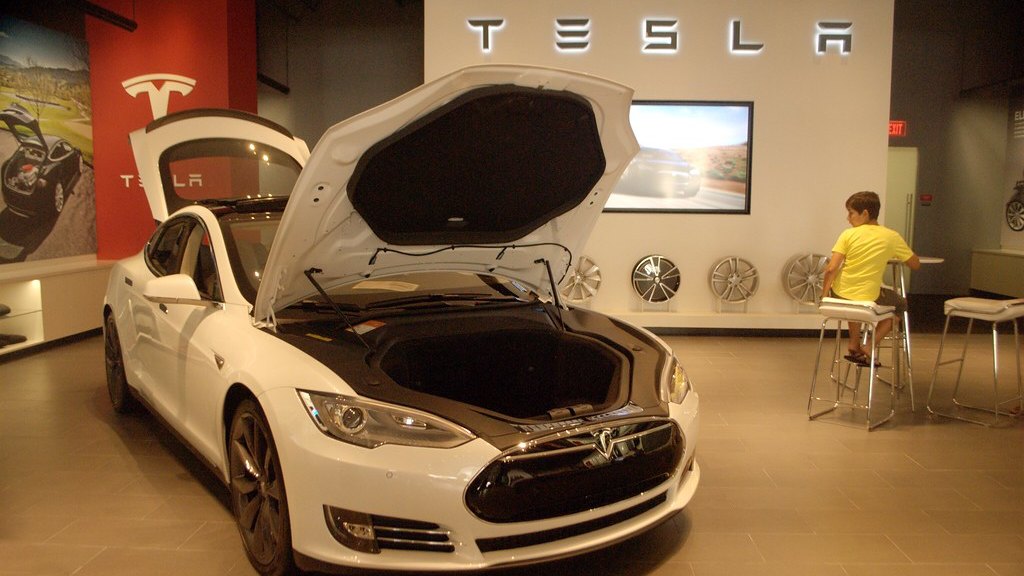
Electric vehicles are transforming the automotive industry at an unprecedented pace, and Tesla remains at the center of this revolution. Yet despite the rapid growth of EV adoption, one concern continues to dominate online discussions: battery fires.
For many first-time EV buyers, a question lingers in the back of their minds: What happens if an electric vehicle battery catches fire? Social media platforms frequently amplify images of burning EVs, particularly Teslas, creating the impression that electric cars are dangerous and prone to catastrophic failures.
However, when we examine the actual data, a completely different story emerges.
The truth is that modern electric vehicles, including Tesla’s upcoming Model 2 powered by advanced 4680 battery technology, are among the safest vehicles ever engineered. The latest battery innovations are not only improving range and performance but are also dramatically enhancing safety.
In this article, we’ll explore the shocking statistics behind EV fires, dive deep into battery chemistry, analyze Tesla’s battery technologies, and reveal why the future Tesla Model 2 may be safer than most people realize.
The EV Fire Myth vs Reality
One of the biggest misconceptions surrounding electric vehicles is that they are more likely to catch fire than traditional gasoline-powered cars.
The numbers tell a completely different story.
Electric Vehicles Have Exceptionally Low Fire Rates
Research from insurance organizations, transportation agencies, and fire safety reports shows that electric vehicles experience approximately:
25 fires per 100,000 vehicles sold
At first glance, that figure may not seem particularly remarkable. However, the comparison with gasoline vehicles is astonishing.
Gasoline Cars Are Far More Likely to Catch Fire
Traditional internal combustion engine (ICE) vehicles experience:
1,529 fires per 100,000 vehicles sold
This means gasoline-powered vehicles are more than 60 times more likely to catch fire than electric vehicles.
Think about that for a moment.
Millions of gasoline vehicles are parked inside garages, office parking lots, shopping centers, and residential neighborhoods every day. Yet society rarely views them as dangerous.
Meanwhile, EV fires receive enormous media attention despite being statistically rare events.
Hybrid Vehicles Are Surprisingly the Riskiest
Perhaps the most shocking discovery is the performance of hybrid vehicles.
Hybrid cars experience:
3,474 fires per 100,000 vehicles sold
That makes hybrids the highest-risk category of all.
Why Hybrid Vehicles Have Higher Fire Risks
Hybrid vehicles combine multiple complex systems into one package:
- A gasoline engine
- A fuel tank filled with flammable liquid
- A high-voltage battery
- Extensive electrical wiring
- Complex cooling systems
While hybrids were originally marketed as a balanced compromise between gasoline and electric vehicles, they actually contain more potential failure points than either technology independently.
Every additional system introduces another opportunity for mechanical or electrical failure.
This explains why hybrid vehicles often show higher fire incident rates than both EVs and traditional gasoline cars.
Tesla’s Reputation and the Social Media Effect
Tesla frequently dominates headlines whenever an EV fire occurs.
The reason isn’t necessarily safety concerns.
The reason is visibility.
Tesla is the most recognizable EV brand in the world.
A Tesla fire attracts millions of views, shares, and clicks across social media platforms. News organizations know these stories generate engagement, causing isolated incidents to receive disproportionate coverage.
The result is a distorted public perception.
In reality, Tesla vehicles belong to the safest category of automobiles currently available.
Whether equipped with:
- Nickel-rich battery packs
- Lithium Iron Phosphate batteries
- Structural battery designs
- New-generation 4680 cells
Tesla vehicles remain part of the ultra-low fire incidence category.
Understanding Tesla Battery Technology
To truly understand EV safety, we need to move beyond headlines and examine battery chemistry itself.
Battery safety depends heavily on the materials used inside each cell.
The three major chemistries relevant to Tesla include:
1. NMC (Nickel Manganese Cobalt)
2. LFP (Lithium Iron Phosphate)
3. NCA (Nickel Cobalt Aluminum)
Each chemistry offers unique strengths and weaknesses.
NMC Batteries: High Performance with Trade-Offs
For years, Tesla relied heavily on NMC battery technology.
NMC stands for:
- Nickel
- Manganese
- Cobalt
These materials form a layered cathode structure capable of storing enormous amounts of energy.
Why NMC Became Popular
The biggest advantage of NMC batteries is their:
- High energy density
- Long driving range
- Strong performance
- Fast charging capabilities
This made NMC the preferred choice for long-range EVs.
The Challenge of Thermal Runaway
The downside appears when temperatures rise significantly.
At approximately 200°C (392°F), the cathode structure begins breaking down.
This can trigger a process known as thermal runaway.
Thermal runaway occurs when a battery generates heat faster than it can dissipate it.
Once initiated, the reaction can become self-sustaining.
Why NMC Fires Are Difficult to Extinguish
Unlike gasoline fires, NMC battery fires release oxygen from within the battery’s own structure.
This creates a unique problem.
The fire essentially carries its own oxygen supply.
As a result:
- Fire blankets are less effective.
- Foam suppression becomes challenging.
- Cooling the battery requires significant water application.
This characteristic explains why battery fires often behave differently than traditional vehicle fires.
Tesla’s Battery Management System: The Hidden Hero
The true secret behind Tesla’s impressive safety record is not just battery chemistry.
It is the Battery Management System (BMS).
What the BMS Does
Tesla’s BMS continuously monitors:
- Cell voltage
- Temperature variations
- Charging rates
- Current flow
- Energy distribution
Thousands of measurements are analyzed every second.
How the BMS Prevents Fires
If abnormalities are detected, Tesla’s software can:
- Reduce charging power
- Limit vehicle performance
- Isolate damaged modules
- Shut down high-voltage systems
This proactive monitoring prevents small issues from escalating into dangerous situations.
Tesla has spent more than a decade refining these systems, making modern EVs extraordinarily safe.
LFP Batteries: Tesla’s Major Safety Breakthrough
One of Tesla’s most important recent developments is the widespread adoption of Lithium Iron Phosphate (LFP) batteries.
This chemistry represents a major shift in EV engineering.
Why LFP Batteries Are Different
Unlike NMC batteries, LFP batteries use a robust crystal structure known as:
Olivine
This structure creates a rigid molecular framework that resists decomposition under stress.
Higher Thermal Stability
LFP batteries remain stable until approximately:
270°C
This is significantly higher than the 200°C threshold seen in NMC batteries.
That additional safety margin can make an enormous difference during accidents or charging abnormalities.
Lower Peak Failure Temperatures
When failures occur:
- NMC batteries may reach 800°C
- LFP batteries typically peak around 620°C
While still dangerous, lower temperatures reduce overall damage and slow fire propagation.
Why Tesla Model 2 Could Be a Safety Game-Changer
Industry experts believe Tesla’s upcoming Model 2 will heavily utilize:
4680 battery technology combined with LFP chemistry
This combination could deliver several major benefits.
Enhanced Safety
LFP’s stable molecular structure dramatically reduces thermal runaway risks.
Lower Manufacturing Costs
Iron and phosphate are significantly cheaper than nickel and cobalt.
Longer Battery Lifespan
LFP batteries generally tolerate:
- More charging cycles
- Frequent full charging
- Long-term usage
Better Mass-Market Accessibility
Lower production costs allow Tesla to create more affordable vehicles without sacrificing safety.
For consumers, this could be one of the most important developments in EV history.
Real-World Evidence: The Australian Tesla Model Y Crash
A compelling example of LFP safety occurred in Australia during 2023.
A Tesla Model Y equipped with an LFP battery experienced a severe high-speed collision.
The vehicle suffered catastrophic front-end damage.
Yet the battery pack:
- Did not ignite
- Did not vent smoke
- Did not release toxic gases
Emergency responders handled the situation similarly to a conventional accident.
The incident demonstrated the remarkable resilience of modern LFP battery technology under extreme conditions.
NCA Batteries: Tesla’s High-Performance Solution
Tesla’s premium vehicles, including the Model S and Model X, have historically relied on NCA batteries.
NCA stands for:
- Nickel
- Cobalt
- Aluminum
Why Tesla Uses NCA
The primary goal is maximizing energy density.
This allows luxury vehicles to achieve:
- Longer driving ranges
- Better acceleration
- Premium performance characteristics
Similarities to NMC
Although NCA improves certain characteristics, it still uses a layered oxide structure.
As a result:
- Thermal behavior remains similar to NMC.
- Oxygen release can occur during failures.
- Advanced monitoring remains essential.
The Hidden Risks in Older Tesla Vehicles
While Tesla maintains an excellent safety record, older vehicles require additional consideration.
Particularly:
- Model S (2012–2018)
- Model X (2015–2018)
Aging Battery Systems
Over time, batteries experience:
- Charge cycle wear
- Thermal stress
- Chemical aging
These effects gradually accumulate.
Older BMS Hardware
Earlier battery management systems lack many of the monitoring capabilities available in modern Teslas.
Unknown Ownership Histories
Used EV buyers often have limited information regarding:
- Charging habits
- Storage conditions
- Maintenance history
This uncertainty can increase long-term risk compared to newer vehicles.
The Three Biggest Causes of EV Battery Failures
Research consistently identifies three major risk factors.
1. Charging Under Extreme Conditions
A significant percentage of EV fire incidents occur while charging.
Potential triggers include:
- Charging damaged batteries
- Charging overheated packs
- Charging frozen batteries
- Faulty electrical infrastructure
Tesla’s thermal management systems help reduce these risks significantly.
2. Delayed Damage After Severe Collisions
Battery damage isn’t always immediately visible.
A serious collision can create microscopic internal shorts.
In some cases, thermal runaway develops:
- Hours later
- Days later
- Even weeks later
This phenomenon is known as latent thermal runaway.
3. Saltwater Flooding
One of the newest challenges involves coastal flooding.
Saltwater introduces highly conductive ions capable of penetrating damaged seals.
Over time, corrosion may create internal electrical pathways that eventually lead to short circuits.
This is why flood-damaged EVs require professional inspection before returning to service.
Tesla’s 4680 Battery: The Future of EV Safety
The highly anticipated 4680 battery cell represents one of Tesla’s most important innovations.
Key improvements include:
Structural Battery Design
The battery pack itself contributes to vehicle rigidity.
Benefits include:
- Reduced weight
- Improved crash protection
- Greater efficiency
Enhanced Thermal Management
The larger cell format allows Tesla to optimize heat distribution and cooling pathways.
Lower Manufacturing Costs
Fewer components simplify production.
Better Energy Density
More energy can be stored while maintaining high safety standards.
Combined with advanced software and increasingly stable chemistries, the 4680 platform could redefine battery safety expectations across the automotive industry.
Final Verdict: Are Tesla Batteries Safe?
The evidence is overwhelming.
Despite sensational headlines, electric vehicles are statistically among the safest vehicles on the road.
Key takeaways include:
- EV fires are exceptionally rare.
- Gasoline vehicles are more than 60 times more likely to catch fire.
- Hybrid vehicles show the highest fire rates.
- Tesla’s Battery Management System provides constant safety monitoring.
- LFP batteries offer extraordinary thermal stability.
- The upcoming Tesla Model 2 and 4680 battery technology could push safety standards even higher.
When viewed through the lens of real-world data rather than viral social media posts, Tesla’s battery technology emerges as one of the most impressive achievements in modern automotive engineering.
The future of electric transportation isn’t just cleaner and more efficient—it may also be significantly safer than the vehicles we’ve trusted for over a century.
FAQs
1. Are Tesla vehicles more likely to catch fire than gasoline cars?
No. Studies show that electric vehicles experience approximately 25 fires per 100,000 vehicles sold, while gasoline-powered vehicles experience around 1,529 fires per 100,000 vehicles sold. This means traditional gasoline cars are significantly more likely to catch fire than EVs.
2. Why do Tesla fires receive so much media attention?
Tesla is the most recognized EV brand in the world. Any incident involving a Tesla tends to attract more media coverage and social media engagement, creating the impression that EV fires are more common than they actually are.
3. What is Tesla’s 4680 battery technology?
The 4680 battery cell is Tesla’s next-generation battery design that offers improved energy density, better thermal management, lower manufacturing costs, and enhanced vehicle structural integrity compared to previous battery formats.
4. What battery chemistry will the Tesla Model 2 likely use?
Industry experts expect the Tesla Model 2 to utilize a combination of 4680 battery technology and Lithium Iron Phosphate (LFP) chemistry, helping improve safety, durability, and affordability.
5. What is thermal runaway in EV batteries?
Thermal runaway is a chain reaction where a battery cell generates heat faster than it can dissipate it. If left unchecked, it can cause neighboring cells to overheat and potentially lead to a battery fire.
6. Are LFP batteries safer than NMC batteries?
Yes. LFP (Lithium Iron Phosphate) batteries generally offer greater thermal stability, higher thermal runaway thresholds, slower heat propagation, and lower peak failure temperatures compared to NMC (Nickel Manganese Cobalt) batteries.
7. Why are LFP batteries becoming popular in Tesla vehicles?
LFP batteries provide several advantages, including:
- Enhanced safety
- Longer lifespan
- Lower production costs
- Better tolerance for frequent charging
- Reduced dependence on expensive materials like nickel and cobalt
8. What is Tesla’s Battery Management System (BMS)?
The Battery Management System (BMS) is a sophisticated computer system that continuously monitors battery temperature, voltage, charging rates, and overall health to prevent unsafe operating conditions.
9. Can a Tesla battery catch fire while charging?
While extremely rare, battery fires can occur during charging if the battery is damaged, defective, exposed to extreme temperatures, or connected to faulty electrical infrastructure. Tesla’s thermal management and BMS systems significantly reduce these risks.
10. Why do hybrid vehicles have higher fire rates than EVs?
Hybrid vehicles contain both a combustion engine and a high-voltage battery system, creating more potential failure points. This combination can increase the likelihood of fire incidents compared to pure EVs or conventional gasoline vehicles.
11. Are older Tesla models more susceptible to battery issues?
Older Tesla vehicles, especially early Model S and Model X models, may face higher risks due to battery aging, outdated battery management hardware, and unknown previous ownership habits. However, they still maintain a relatively strong safety record.
12. Can a damaged EV battery catch fire days after an accident?
Yes. Severe impacts can cause internal battery damage that isn’t immediately visible. In rare cases, heat buildup from microscopic internal short circuits can lead to delayed thermal runaway hours, days, or even weeks after a collision.
13. Is saltwater dangerous for Tesla batteries?
Yes. Saltwater can penetrate damaged seals and create conductive pathways inside battery systems. Corrosion and electrical leakage may develop over time, potentially increasing fire risk in flood-damaged vehicles.
14. What should I do if my Tesla has been involved in a major crash?
If your Tesla experiences a severe collision, it should be inspected by qualified technicians before being driven or charged again. Hidden battery damage can sometimes develop into safety issues later.
15. Is the Tesla Model 2 expected to be one of the safest EVs?
Based on Tesla’s advancements in 4680 battery technology, structural battery packs, improved thermal management, and expected LFP battery integration, the Tesla Model 2 is widely anticipated to be among the safest and most affordable electric vehicles Tesla has ever produced.
Read More:
- Tesla Cybertruck Heads To FIFA World Cup 2026 — Mission Revealed
- Tesla stuns with another FSD approval in Europe, its second in two days
- Tesla unfolded its first European “folding Supercharger”
- Tesla Semi “SOLD OUT” After Massive New Upgrades
- Elon Musk Reveals New Insane Project – SpaceX, Starship & AI
1 thought on “New Tesla Battery Technology! Tesla Model 2: Elon Musk’s 4680 Battery EXPOSED”