
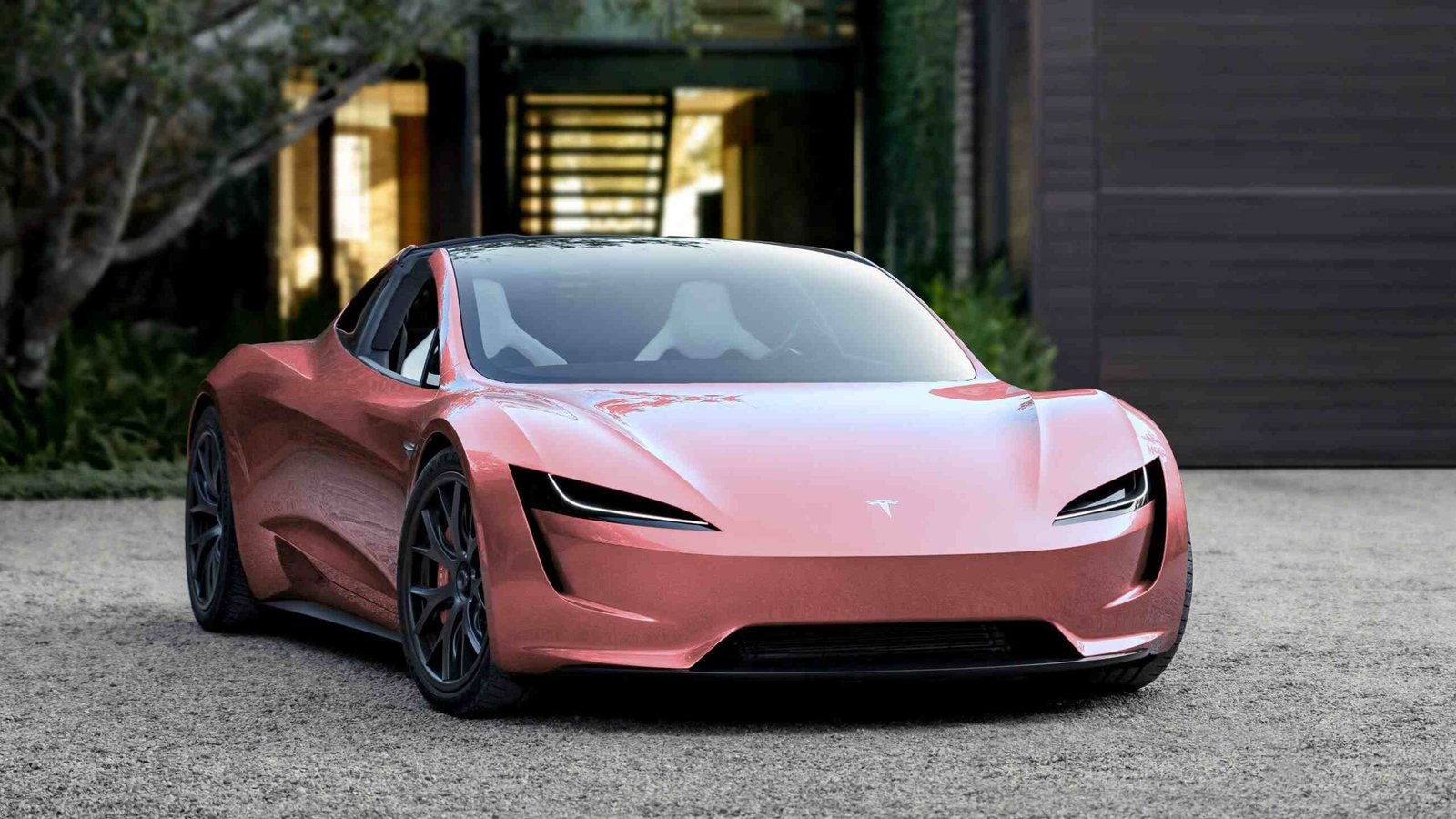
Elon Musk Confirms First Flying Tesla Roadster Release in 2026: Tesla’s next-generation Roadster has been one of the automotive industry’s most anticipated—and most delayed—projects. First unveiled in November 2017, the electric supercar was originally expected to enter production in 2020. Nearly a decade later, the Roadster remains unfinished, but reports suggest Tesla may finally be preparing a dramatic public demonstration of its most ambitious version yet.
The reported Project A71 Roadster is expected to feature aerospace-inspired technology developed around the concept of a SpaceX Package, including cold-gas rocket thrusters capable of producing brief periods of vertical lift. If demonstrated successfully, the technology could make the Tesla Roadster unlike any conventional production car.
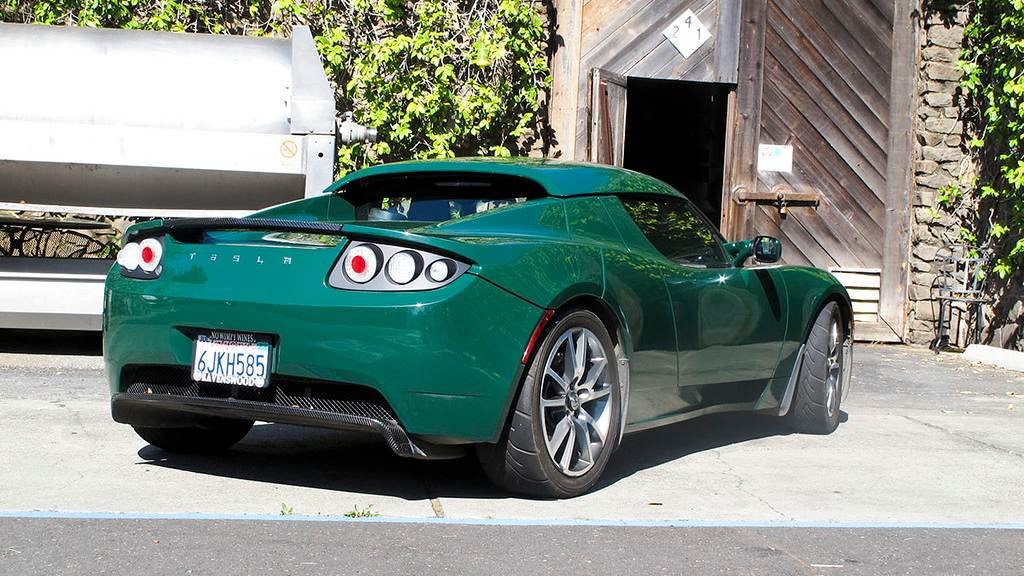
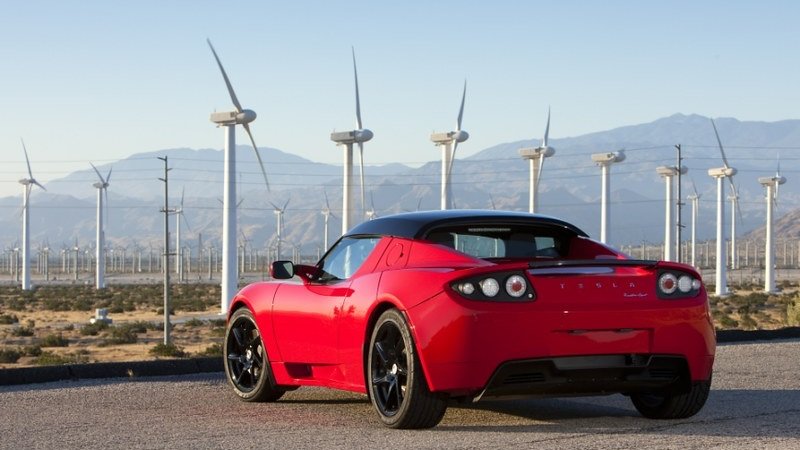
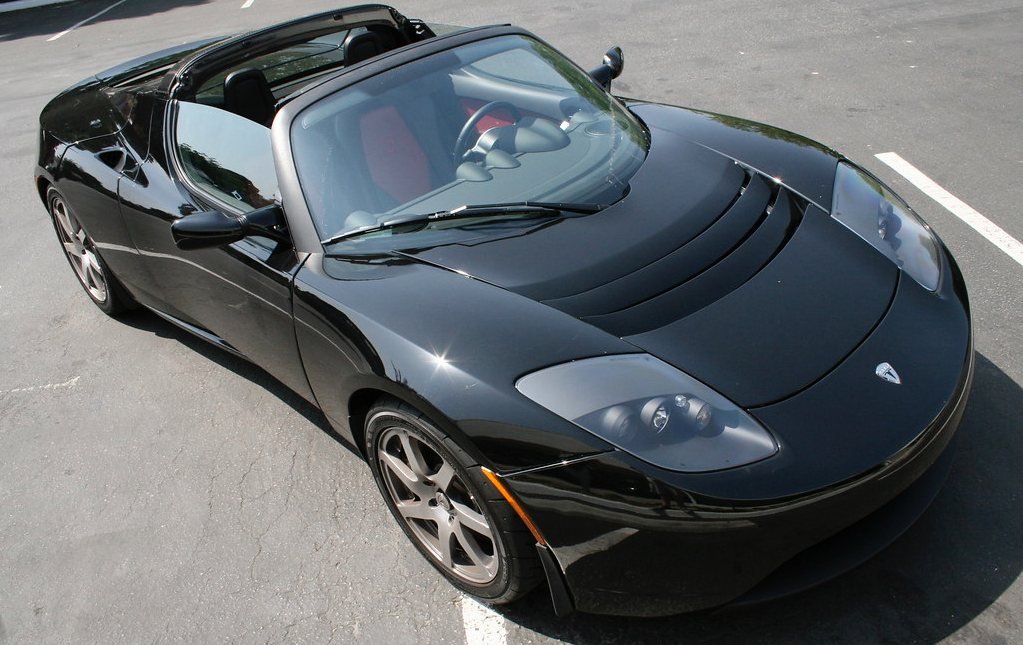
Tesla Roadster: From 2017 Promise to Project A71
When Elon Musk introduced the second-generation Roadster in 2017, its proposed specifications immediately positioned it among the world’s fastest cars.
The original concept promised:
- 0–60 mph in 1.9 seconds
- Top speed above 250 mph
- Approximately 620 miles of claimed range
- Four-seat 2+2 configuration
These numbers were extraordinary for an electric vehicle at the time. However, advances in EV performance have since made sub-three-second acceleration increasingly common.
The Roadster’s long development timeline has also allowed Tesla to reconsider the vehicle’s engineering philosophy.
The SpaceX Package
In 2018, Musk revealed plans for an optional SpaceX Package featuring approximately 10 cold-gas rocket thrusters positioned around the vehicle. The initial concept was intended to improve acceleration, braking and cornering performance.
The idea reportedly evolved into something considerably more ambitious: using controlled thrust to make the vehicle briefly hover above the ground.
Rather than relying exclusively on its electric motors and tires, the modified Roadster could use compressed gas expelled through strategically positioned nozzles to generate additional force.
A Major Architecture Change
Reports surrounding Project A71 describe a significant departure from the original Roadster concept.
Tesla reportedly considered using a modified Model S Plaid platform, but the project eventually moved toward a bespoke carbon-fiber monocoque architecture. This approach is more closely associated with exotic supercars and lightweight performance vehicles.
The reported redesign also changes the cabin from the original four-seat configuration to a two-seat layout, with dramatic butterfly doors.
Design influences have reportedly included iconic supercars and aerospace concepts, helping position the Roadster as a technology showcase rather than simply another high-performance EV.
How Tesla’s Flying Roadster Could Work
The most fascinating part of the reported Roadster is its potential use of cold-gas thrusters.
Unlike conventional rocket engines, cold-gas propulsion does not burn fuel. Instead, it stores gas under extremely high pressure and releases it through specially designed nozzles.
Cold-Gas Thruster Technology Explained
A simplified system works like this:
High-pressure tank → electronic control valve → expansion nozzle → directed gas thrust
When a valve opens, compressed gas rapidly expands and exits through a nozzle. According to Newton’s third law, the expelled gas generates an opposing force that can move the vehicle.
For vertical lift, the downward thrust must be sufficient to counteract the Roadster’s weight.
The basic relationship is:
Total upward thrust ≥ vehicle mass × gravitational acceleration
That means a Roadster weighing roughly 2,000 kilograms would require nearly 19,620 newtons of upward force simply to counter gravity, before accounting for additional requirements such as stabilization and maneuvering.
Why Tires Are No Longer Enough
Electric motors can produce enormous torque, but acceleration on a normal road is ultimately limited by tire traction.
Rocket thrusters provide another method of applying force. Instead of transferring all propulsion through the tires and pavement, thrust can act directly on the vehicle’s chassis.
This could theoretically provide extraordinary acceleration and braking capabilities.
However, once the wheels leave the ground, conventional automotive systems become much less useful.
The Need for an Attitude Control System
A flying Roadster would face a completely different control problem from a conventional automobile.
When a car is driving normally, its tires provide contact with the road. Systems such as ABS, traction control and electronic stability control can manipulate braking and motor torque based on that contact.
A hovering vehicle has no such advantage.
Project A71 would therefore require an attitude control system (ACS) capable of managing pitch, roll and yaw by adjusting thrust between multiple nozzles.
For example, front and rear thrusters could help control pitch, while side-to-side thrust could influence roll. Differential thrust could also assist with yaw.
This makes the technology closer in principle to spacecraft or drone flight control than traditional automotive dynamics.
The Biggest Problem: The Roadster Cannot Fly for Long
Despite the futuristic appeal, a thruster-powered Tesla would have substantial limitations.
The biggest is energy and propellant efficiency.
Cold-gas propulsion generally has a relatively low specific impulse compared with chemical rocket engines. More importantly for an automobile, compressed gas can be consumed rapidly when large amounts of thrust are required.
Seconds of Hover, Not Hours of Flight
The reported system should therefore be viewed as a short-duration performance technology, not an alternative to an aircraft.
A brief hover demonstration could be possible under controlled conditions, but sustained flight would require vastly more energy and propulsion capacity.
This is fundamentally different from electric vertical-takeoff-and-landing aircraft, which use battery-powered motors and propellers to generate continuous lift.
The Roadster’s potential advantage is spectacle and short bursts of extreme performance—not practical transportation through the air.
Safety Challenges Could Limit Production
A flying or hovering car presents obvious safety concerns.
High-pressure propulsion systems must be engineered to withstand crashes, impacts and extreme operating conditions. The pressure vessels themselves would require substantial structural protection.
There are also hazards associated with the exhaust.
Debris and Acoustic Risks
A powerful downward gas jet could disturb gravel, dirt and other loose debris beneath the vehicle. During a demonstration, this could create risks for spectators, personnel and nearby property.
The exhaust could also generate significant noise and acoustic pressure, particularly when gas is expelled at very high velocity.
These factors make public-road operation challenging.
Track-Only Roadster Could Be the Answer
Because of these regulatory and safety concerns, a fully thruster-equipped Roadster may be better suited to closed-course demonstrations or limited track use rather than unrestricted street driving.
Tesla could potentially offer a conventional street-legal Roadster while reserving the most extreme SpaceX-equipped configuration for controlled environments.
That strategy would resemble the approach taken by manufacturers that create ultra-limited track-focused versions of their flagship performance cars.
Why Tesla Needs a Halo Car
The Roadster is unlikely to become Tesla’s biggest-selling vehicle.
Tesla’s commercial success depends primarily on higher-volume products such as the Model 3 and Model Y, along with its energy business and future autonomous technologies.
The Roadster serves a different purpose: it is a halo car.
Rebuilding Tesla’s Performance Image
The original Roadster helped establish Tesla as a serious automotive company by demonstrating that an electric vehicle could deliver sports-car performance.
The second-generation model was intended to repeat that achievement on a much larger scale.
But the competitive landscape has changed dramatically since 2017. Electric hypercars and performance sedans now deliver astonishing acceleration, meaning a 1.9-second 0–60 mph claim is no longer enough to guarantee technological leadership.
A Roadster capable of using aerospace-inspired propulsion could provide Tesla with a much more distinctive advantage.
The Marketing Power of a Flying Tesla
A successful Tesla Roadster flying demonstration would generate enormous attention.
Videos of an electric supercar briefly lifting off the ground would likely spread across social media and mainstream news platforms worldwide.
That visibility could reinforce Tesla’s image as an innovation-focused company while drawing attention to its broader portfolio of vehicles and technologies.
In that sense, the Roadster could function as a technological billboard for the entire Tesla brand.
What to Expect From the 2026 Tesla Roadster
The reported Project A71 represents a radical interpretation of what an electric performance car can become.
Its proposed combination of a carbon-fiber monocoque, two-seat cabin, butterfly doors and cold-gas thrusters would make it dramatically different from the Roadster originally shown in 2017.
However, expectations should remain measured. Demonstrating brief thrust-assisted lift is very different from creating a practical flying car. The technology faces significant challenges involving propellant capacity, stability, safety, regulation and cost.
If Tesla does demonstrate the technology publicly in 2026, the event could nevertheless become one of the most memorable automotive technology showcases of the decade.
Key Takeaways
- The Tesla Roadster was unveiled in 2017 with extraordinary performance targets but has experienced years of delays.
- Project A71 reportedly represents a major redesign centered around a carbon-fiber architecture.
- The proposed SpaceX Package could use cold-gas thrusters for extreme acceleration, braking and brief vertical lift.
- A hovering Roadster would require sophisticated attitude control technology rather than conventional automotive stability systems.
- Short hover durations are more realistic than sustained flight because compressed gas supplies are limited.
- Safety, regulation and bystander risks could push the most extreme version toward track-only operation.
- The Roadster’s biggest value may be as a halo car, helping Tesla demonstrate technological ambition and regain attention in the rapidly evolving EV performance market.
If Tesla can turn the long-promised Roadster into a real, functioning vehicle—and actually demonstrate its aerospace-inspired propulsion—the 2026 release could mark a remarkable new chapter in the history of electric performance cars.
FAQs
1. When was the next-generation Tesla Roadster first unveiled?
The next-generation Tesla Roadster was unveiled in November 2017. Tesla originally targeted production for 2020, but the vehicle has faced several delays.
2. Is the Tesla Roadster expected to launch in 2026?
Reports indicate that Tesla is targeting 2026 for a major Roadster demonstration or release, although exact production and customer-delivery timelines may depend on final engineering and regulatory approval.
3. What is Project A71?
Project A71 is the reported internal designation for an advanced version of the next-generation Roadster. It is associated with a bespoke carbon-fiber architecture and the proposed SpaceX Package.
4. Can the Tesla Roadster actually fly?
The reported SpaceX-equipped Roadster is designed for brief vertical lift or hovering, rather than sustained flight. Its cold-gas thrusters would theoretically provide enough thrust to temporarily overcome the vehicle’s weight.
5. How would the flying Tesla Roadster work?
The system would reportedly use high-pressure compressed gas stored in specialized pressure vessels. Electronic valves would release the gas through multiple nozzles, generating thrust and allowing the vehicle to control its movement.
6. What is the Tesla Roadster SpaceX Package?
The SpaceX Package is a proposed performance system featuring approximately 10 cold-gas thrusters. The technology has been associated with improvements in acceleration, braking, cornering and potentially short-duration hovering.
7. How long could the Tesla Roadster hover?
The Roadster would likely be capable of only brief bursts of hovering, rather than sustained flight. Cold-gas propulsion consumes its stored compressed gas quickly when producing high levels of thrust.
8. What are the expected Tesla Roadster specifications?
The original 2017 concept promised 0–60 mph in 1.9 seconds, a top speed above 250 mph, approximately 620 miles of range, and a four-seat configuration. Later reported designs may differ substantially from those original specifications.
9. Will the new Roadster have four seats?
The original Roadster concept featured a 2+2 four-seat layout. Reports surrounding Project A71 suggest Tesla has moved toward a two-seat configuration to accommodate its more advanced performance-focused architecture.
10. Will the Tesla Roadster use carbon fiber?
The reported Project A71 design is associated with a carbon-fiber monocoque chassis. This architecture could provide high structural rigidity while helping reduce weight compared with a conventional platform.
11. Why would the Roadster need an attitude control system?
If the vehicle leaves the ground, traditional systems such as ABS and traction control cannot provide normal stabilization. A dedicated attitude control system would need to manage pitch, roll and yaw by adjusting thrust from multiple thrusters.
12. Is a flying Tesla Roadster safe?
A thruster-equipped vehicle would introduce significant safety challenges, including high-pressure propulsion equipment, powerful gas jets, flying debris and extreme noise. Any demonstration would therefore require carefully controlled conditions.
13. Will the SpaceX-equipped Roadster be street legal?
The most extreme thruster-equipped version could face substantial regulatory and safety restrictions. A track-focused or controlled-environment model may be more practical than unrestricted public-road operation.
14. Why has the Tesla Roadster been delayed for so long?
The Roadster has reportedly undergone major changes in engineering, architecture and performance objectives. Tesla’s focus on other high-volume vehicles and the ambition of the SpaceX-inspired technology have also contributed to its lengthy development timeline.
15. Why is the Tesla Roadster important to Tesla?
The Roadster functions primarily as a halo car. Rather than generating mass-market sales, it can showcase Tesla’s technology, attract global media attention and reinforce the company’s image as an electric-performance innovator.
16. Will the 2026 Tesla Roadster be a practical flying car?
Probably not. The reported technology is better understood as a short-duration performance and demonstration system than as practical airborne transportation. Limited compressed-gas capacity, safety concerns, regulation and control complexity make sustained flight impractical for a conventional road car.
Read More:
- NEW Tesla Pi Phone $199 Rumor: Starlink Direct-to-Cell & X105 Modem Shock
- Tesla V2L adapter for Model Y stirs up a new complaint among owners
- NASA Reveals Starship Flight 14 NEW Schedule and S40 Recovery Trouble Update
- Terafab BIG Circle In The Center Finally Destroy Chip Industry
- Tesla launches V2L Outlet Adapter for Premium Model Y in the U.S.