
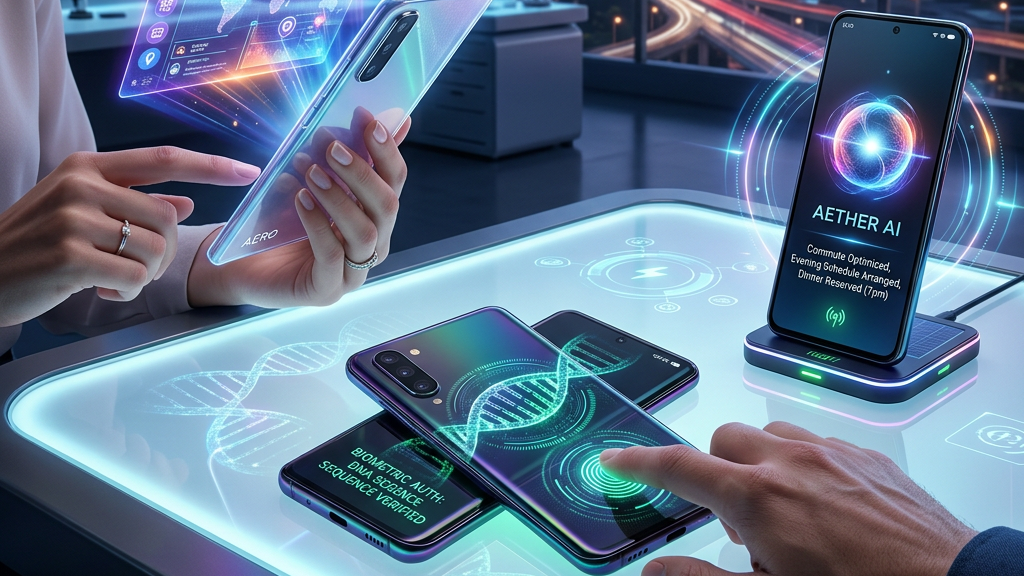
The Tesla Pi Phone has become one of the most talked-about concepts in the technology world. Rumors of a $199 Tesla smartphone, built around Starlink satellite connectivity, have sparked excitement among tech enthusiasts, investors, and Tesla fans. The biggest claim is that such a phone could connect directly to satellites, potentially providing coverage in remote areas where traditional cellular towers cannot reach.
But how much of this is real, and how much is internet speculation?
The answer is more complicated than viral headlines suggest. Starlink Direct-to-Cell technology is real and advancing, while a dedicated Tesla Pi Phone remains unconfirmed. The underlying technology, however, could eventually change how smartphones connect to networks.
What Is the Tesla Pi Phone and Why Is Everyone Talking About It?
The rumored Tesla Pi Phone is often described as a futuristic smartphone that could combine Starlink connectivity, artificial intelligence, Tesla vehicle integration, and next-generation mobile technology.
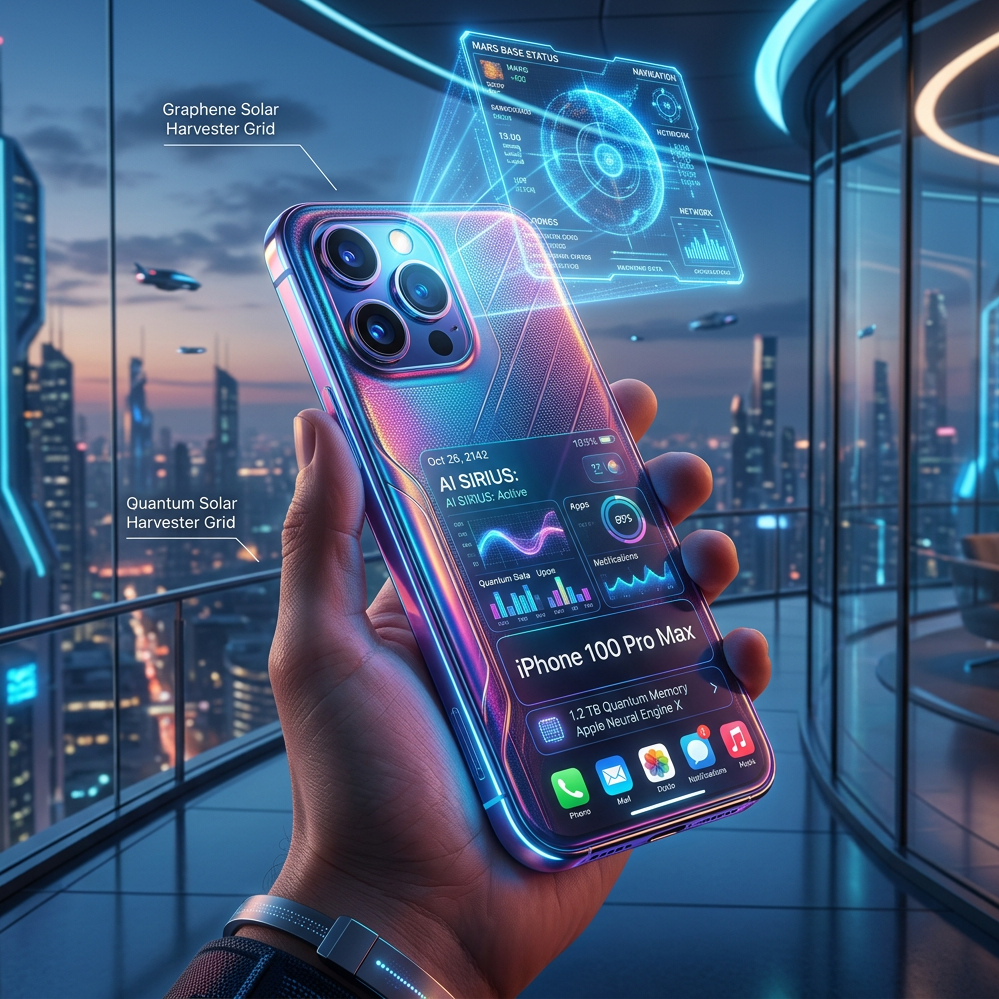
The most sensational rumor is a $199 price tag, sometimes paired with claims of free satellite internet for life. There is currently no reliable basis for assuming that such a pricing model will become reality.
The more interesting story is not necessarily whether Tesla launches a phone. It is whether direct-to-cell satellite communication can become a mainstream feature of ordinary smartphones.
How Direct-to-Cell Technology Works
Traditional mobile networks depend on terrestrial infrastructure:
Smartphone → Cell Tower → Core Network → Internet
Satellite direct-to-cell technology changes the architecture:
Smartphone → LEO Satellite → Ground Infrastructure → Internet
Instead of requiring a nearby cell tower, a compatible smartphone can communicate with a low-Earth-orbit (LEO) satellite.
This could be particularly valuable in mountains, deserts, oceans, rural regions, disaster zones, and other areas with limited terrestrial coverage.
Could Starlink Replace Traditional Cell Towers?
The idea of bypassing traditional carriers is one reason the Tesla Pi Phone rumor has generated so much attention.
Companies such as AT&T, Verizon, and T-Mobile have invested enormous amounts in towers, spectrum, fiber networks, data centers, and other infrastructure. Satellite connectivity introduces a different model in which satellites can effectively act as space-based cellular infrastructure.
However, this does not necessarily mean traditional carriers will disappear.
In fact, partnerships between satellite operators and mobile carriers may be the more realistic path. Instead of replacing cellular networks, direct-to-cell satellite service can complement them.
A smartphone could use terrestrial networks normally and automatically switch to satellite connectivity when conventional coverage disappears.
The $199 Tesla Phone Rumor: Can It Really Happen?
The rumored $199 Tesla Pi Phone sounds attractive, but the economics deserve careful consideration.
Launching and maintaining a large LEO satellite constellation requires enormous investment. Satellites must be manufactured, launched, operated, upgraded, and eventually replaced.
That makes the idea of completely free satellite internet for life difficult to justify from a business perspective.
A more realistic model could involve:
- Monthly satellite connectivity plans
- Carrier-sponsored satellite access
- Premium emergency connectivity
- Tiered data packages
- Bundled services with other products
Therefore, consumers should treat the $199 figure as a rumor rather than an established Tesla product price.
The Biggest Challenge: Smartphone Hardware
Connecting a small smartphone to a satellite traveling thousands of miles per hour is not as simple as installing an app.
There are significant challenges involving antenna design, signal strength, power consumption, spectrum compatibility, timing, and Doppler correction.
Why the Antenna Matters
Traditional smartphone antennas are primarily designed to communicate with nearby terrestrial base stations. Satellite signals can be much weaker by the time they reach a handheld device.
A future satellite-capable phone therefore needs hardware capable of maintaining a reliable connection while balancing battery life, heat, size, and signal performance.
This is one of the biggest engineering challenges facing direct-to-cell technology.
What About the Qualcomm X105 Modem?
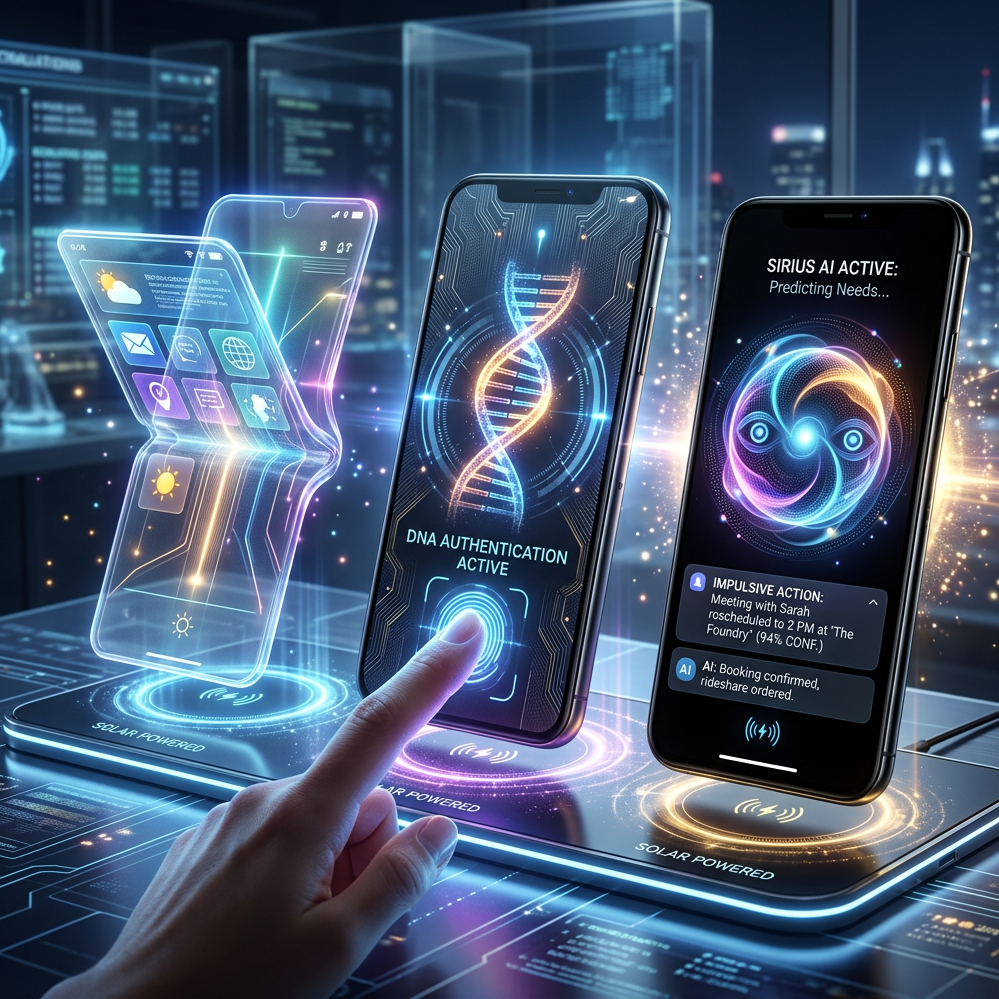
The Qualcomm X105 modem is frequently mentioned in online discussions surrounding next-generation satellite smartphones.
Advanced modem technology is important because satellite communication requires sophisticated handling of Doppler shifts, timing differences, weak signals, and non-terrestrial network (NTN) requirements.
However, simply mentioning an X105 modem does not prove that a Tesla phone exists. Hardware rumors should not be confused with official product announcements.
NTN and Spectrum Compatibility
Satellite communication is increasingly being standardized through 3GPP Non-Terrestrial Network (NTN) technologies.
Compatible radio hardware must support the necessary frequencies and standards. This is important because satellite connectivity cannot simply be added to every existing smartphone through a software update.
The required modem, radio-frequency components, and antenna capabilities must be designed into compatible devices.
The Smartphone Upgrade Problem
There is another major obstacle: consumers are keeping smartphones longer.
Many modern phones receive several years of operating system and security updates. As a result, people have less incentive to replace a perfectly functional device every year or two.
This creates a challenge for satellite networks.
For direct-to-cell services to become economically powerful, millions or potentially hundreds of millions of compatible devices need to exist in the market.
Why Apple and Samsung Could Be More Important
Rather than relying on a brand-new Tesla phone, satellite connectivity could scale much faster through established smartphone manufacturers.
Companies such as Apple and Samsung already have enormous global distribution networks.
If future iPhone and Galaxy devices include increasingly capable satellite hardware, consumers could gain satellite connectivity without purchasing a completely new brand of phone.
This could make existing smartphone ecosystems the Trojan horse for mass satellite adoption.
Starlink Direct-to-Cell Could Be the Real Story
The most important development may therefore be Starlink Direct-to-Cell, rather than a Tesla-branded smartphone.
SpaceX’s strategy has increasingly focused on connecting satellites with existing cellular devices and carrier networks. The long-term goal is to make satellite connectivity feel almost invisible to users.
Imagine driving through a remote region where your phone normally loses cellular service. Instead of seeing No Service, a compatible device could automatically connect to a satellite.
That would turn satellites into an additional layer of the mobile network.
Why Would Tesla Want Its Own Phone?
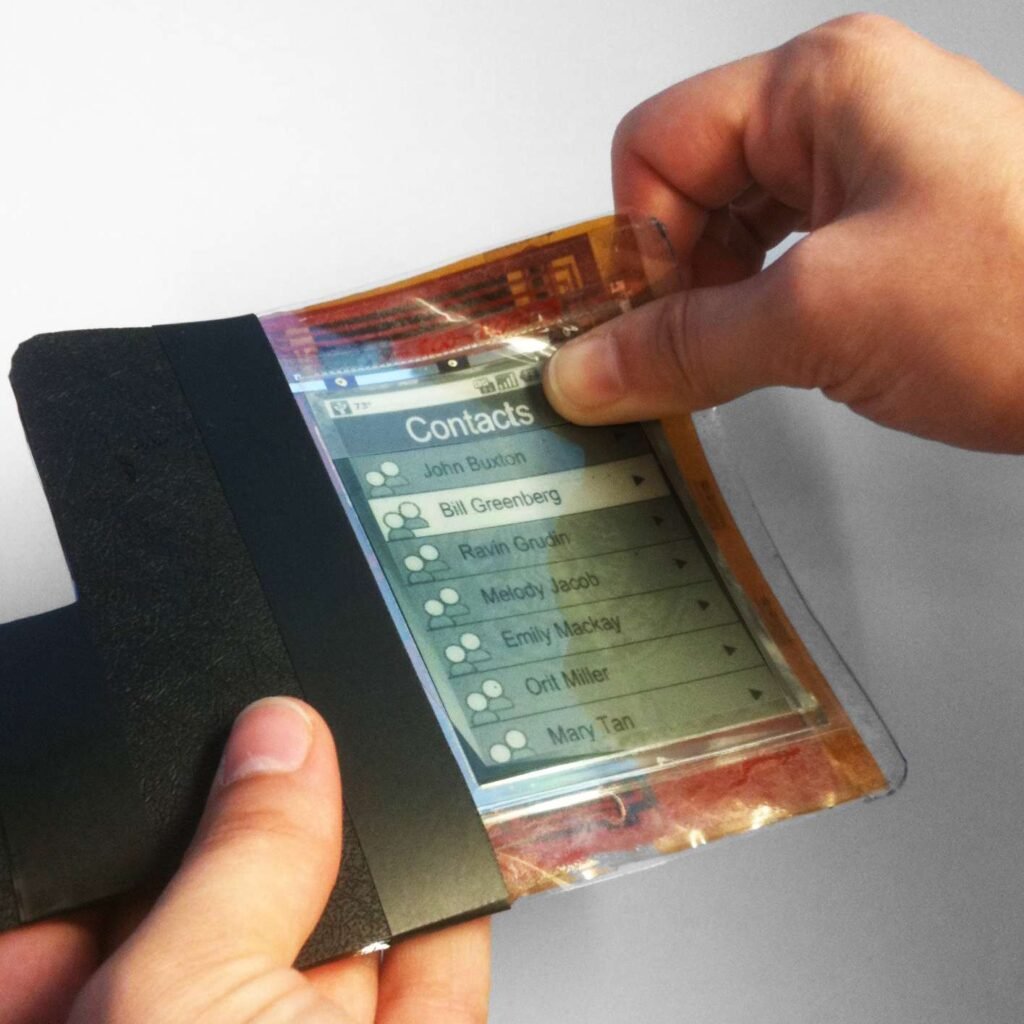
If existing smartphone manufacturers can deliver satellite-capable hardware, why would Tesla ever need its own smartphone?
The answer could be ecosystem control.
A hypothetical Tesla phone could potentially integrate:
Starlink Connectivity
Satellite connectivity could become a core feature, providing communication where terrestrial networks are unavailable.
Grok and AI
A Tesla-branded smartphone could potentially integrate Grok and xAI services deeply into its operating system and hardware.
Tesla Vehicle Integration
The phone could function as an advanced digital key, provide vehicle telemetry, support remote controls, and eventually interact with autonomous driving and fleet services.
X and Digital Services
Integration with X and other digital services could create another layer of the broader technology ecosystem.
Could a Tesla Phone Challenge Apple and Google?
A dedicated Tesla smartphone would face an enormous challenge competing with the established ecosystems of Apple and Google.
The advantage would not necessarily be superior cameras or a cheaper processor. Instead, Tesla could attempt to differentiate through satellite connectivity, AI, vehicles, energy products, and ecosystem integration.
Owning the hardware and operating system could also give Tesla greater control over software distribution and customer relationships.
That could make a Tesla phone strategically valuable even if it never becomes the world’s best-selling smartphone.
Tesla Pi Phone: What Is Actually Confirmed?
The key distinction is between technology that exists and a product that is rumored.
Direct-to-cell satellite communication is real. Starlink and other companies are actively developing satellite-to-phone connectivity.
However, a commercially confirmed Tesla Pi Phone, particularly one priced at $199 with unlimited free satellite internet, should not be treated as established fact without an official announcement.
The technology behind the rumor is far more credible than the rumor itself.
Final Verdict: The Satellite Phone Future Is More Real Than the Tesla Phone
The Tesla Pi Phone $199 rumor makes for an exciting headline, but the bigger technological story is direct-to-cell satellite communication.
Satellite connectivity could eventually become a standard smartphone capability, allowing devices to remain connected in places where conventional cellular infrastructure cannot reach.
The biggest hurdles are not simply software. They involve hardware engineering, spectrum, satellite capacity, economics, battery efficiency, and mass adoption.
For that reason, the most likely path toward a connected future may not begin with a Tesla phone at all. It may begin with Starlink working alongside existing carriers, Apple, Samsung, and other smartphone manufacturers.
If Tesla eventually enters the smartphone market, its greatest advantage could be the combination of Starlink, AI, Tesla vehicles, and a tightly integrated technology ecosystem.
Until then, the $199 Pi Phone should remain firmly in the rumor category—while the satellite-to-smartphone revolution itself is becoming increasingly real.
FAQs
1. Is the Tesla Pi Phone real?
The Tesla Pi Phone remains unconfirmed. While rumors and concept designs have circulated online, there has been no verified official announcement establishing a commercially available Tesla smartphone.
2. Is the Tesla Pi Phone really priced at $199?
The rumored $199 Tesla Pi Phone price has not been officially confirmed. Claims about a $199 launch price should be treated as speculation unless Tesla announces specific pricing.
3. Will the Tesla Pi Phone use Starlink?
If Tesla ever launches a smartphone, Starlink satellite connectivity would be a logical feature given the broader SpaceX ecosystem. However, there is currently no official confirmation that a Tesla phone will include Starlink Direct-to-Cell technology.
4. What is Starlink Direct-to-Cell?
Starlink Direct-to-Cell is a technology designed to allow compatible mobile devices to communicate with Starlink satellites. Instead of relying entirely on a nearby terrestrial cell tower, a device can potentially connect through a satellite when conventional coverage is unavailable.
5. Can a smartphone connect directly to a Starlink satellite?
Yes, direct-to-cell satellite communication is technically possible with compatible network infrastructure and devices. The technology is designed to extend connectivity beyond areas covered by traditional cellular towers.
6. Will the Tesla Pi Phone provide free internet for life?
There is no confirmed evidence that a Tesla Pi Phone would provide free unlimited internet for life. Satellite networks require significant investment to launch, operate, maintain, and replace satellites, making a completely free service economically unlikely.
7. What is the Qualcomm X105 modem?
The Qualcomm X105 modem is frequently mentioned in online discussions about advanced satellite-capable smartphones. Modern satellite communication requires sophisticated modem technology to manage signal processing, timing, Doppler effects, and other challenges associated with non-terrestrial networks.
8. What is NTN technology in smartphones?
NTN stands for Non-Terrestrial Network. It refers to communication networks that use satellites or other space-based platforms instead of relying exclusively on terrestrial cellular infrastructure. NTN standards are helping integrate satellite connectivity with modern mobile networks.
9. Will the Tesla Pi Phone work without cell towers?
A future satellite-capable smartphone could potentially communicate with satellites when terrestrial cell towers are unavailable. However, this does not necessarily mean the device would operate entirely independently of traditional carriers or ground-based infrastructure.
10. Could Starlink replace AT&T, Verizon, and T-Mobile?
Probably not in the near term. A more realistic scenario is satellite connectivity complementing traditional cellular networks. Users could rely on terrestrial networks in populated areas and satellite connectivity when conventional coverage is unavailable.
11. Why is satellite connectivity difficult for smartphones?
The main challenges include weak satellite signals, antenna size, battery consumption, Doppler shifts, spectrum requirements, and signal processing. Engineers must fit sophisticated satellite communication capabilities into a small device without significantly increasing its size or power consumption.
12. Could iPhones and Samsung Galaxy phones get Starlink connectivity?
Existing smartphone manufacturers could play a major role in expanding direct-to-cell technology. Apple, Samsung, and other manufacturers have the global distribution needed to put compatible satellite hardware into hundreds of millions of devices.
13. Will a Tesla phone replace the iPhone or Samsung Galaxy?
There is no evidence that a Tesla phone would replace established smartphone brands. Apple and Samsung have enormous ecosystems, manufacturing capabilities, developer communities, and global distribution networks. A Tesla phone would face significant competition if it entered the market.
14. What could a Tesla phone be used for?
A hypothetical Tesla smartphone could potentially combine Starlink connectivity, AI services, Tesla vehicle controls, digital keys, navigation, communications, and other ecosystem features. These possibilities remain speculative until Tesla officially announces such a product.
15. What is the future of Tesla Pi Phone and satellite smartphones?
The future of satellite-connected smartphones looks increasingly promising, even though the Tesla Pi Phone itself remains unconfirmed. Direct-to-cell technology could eventually provide connectivity in remote areas, during emergencies, and wherever traditional cellular coverage is unavailable.
The key takeaway is simple: Starlink Direct-to-Cell is the real technology to watch, while the $199 Tesla Pi Phone remains a rumor until officially confirmed by Tesla.
Read More:
- Tesla V2L adapter for Model Y stirs up a new complaint among owners
- NASA Reveals Starship Flight 14 NEW Schedule and S40 Recovery Trouble Update
- Terafab BIG Circle In The Center Finally Destroy Chip Industry
- Tesla launches V2L Outlet Adapter for Premium Model Y in the U.S.
- NEW Tesla Bot Gen 3 Replacing Housekeepers With $1/Hour
1 thought on “NEW Tesla Pi Phone $199 Rumor: Starlink Direct-to-Cell & X105 Modem Shock”