
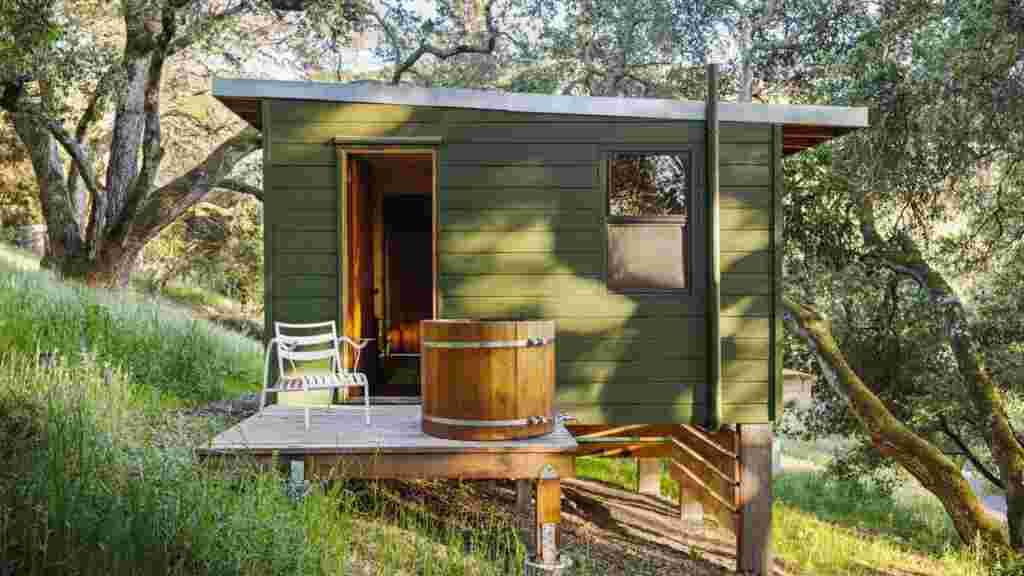
If you’ve been scrolling through tech forums or TikTok lately, you’ve probably seen the buzz: Tesla is allegedly launching an $8,000 tiny house later this year. Sounds like the kind of headline that would make even Elon Musk pause mid-Tweet, right?
But here’s the catch—there’s zero official confirmation, no press release, no launch event, and not even a hint from Musk himself. Still, the rumor refuses to die. And when you consider that Elon Musk once lived in a tiny home and called it the most minimalist living experience of his life, the story starts to sound a little more plausible.
So what’s real and what’s hype? Let’s dig into the truth behind the $7,999 Tesla Tiny House rumor—and what the real story reveals about Tesla, Boxible, and the future of affordable housing.
The Rumor That Started It All
Tech forums have been quietly buzzing with claims that Tesla will soon launch a tiny house priced at $7,999. People argue that it makes sense because there were leaks throughout last year, suggesting Tesla might be moving into housing next.
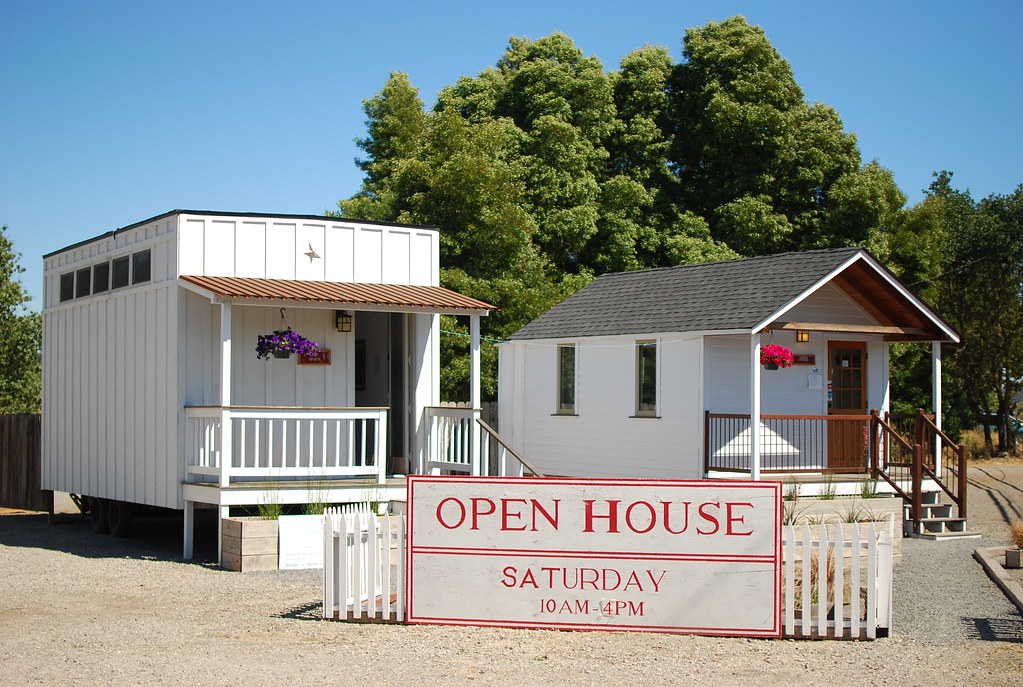
But the majority of analysts say this is fake news, and for good reason.
Why the Rumor Spread So Fast
The internet loves a good Elon Musk story because:
- He’s known for bold, futuristic projects
- He lives a minimalist lifestyle
- He has a reputation for disrupting industries
So when someone throws out the idea of a Tesla tiny home, it instantly becomes a viral sensation.
But the real truth is much more grounded.
The Real Tiny Home: Boxible’s Cassita
The truth is this: the tiny home everyone is talking about isn’t a Tesla product at all—it’s a Boxible Cassita.
What We Know for Sure
- The home is under 400 sq ft
- It’s located at Starbase, Texas
- It’s a compact Cassita built by Boxible
- It can be set up in roughly one hour
- Elon Musk’s unit was one of the first three homes Boxible ever built
So, yes, Elon Musk does live in a tiny house—but it’s not a Tesla tiny house. It’s a Boxible Cassita.
And here’s the most important detail:
Boxible has nearly 200,000 pre-orders, translating to almost $2 billion in potential sales.
That’s a huge indicator of Musk’s influence.
Without his involvement, Boxible likely wouldn’t have gained this much attention.
The Truth About Elon Musk’s Cassita
Let’s clear up the biggest misconception:
The Cassita Is Not a Cheap Prefab
People assumed it was a flimsy, drywall-based prefab.
But Musk himself confirmed on a podcast that the home was far from basic.
The Cassita is built using:
- Steel
- Concrete
- Insulating foam
- Multi-layer panel systems
These components are compressed under 250,000 lbs of pressure, making them extremely durable.
No Drywall
Boxible avoids drywall because it’s fragile and doesn’t survive long-distance transport.
That’s why the Cassita can withstand:
- Hurricanes
- Flooding
- Heavy snow
- Extreme conditions
If it’s durable enough for Elon Musk to live and work in at Starbase, it’s built to a very high standard.
Mobility Is the Cassita’s Biggest Advantage
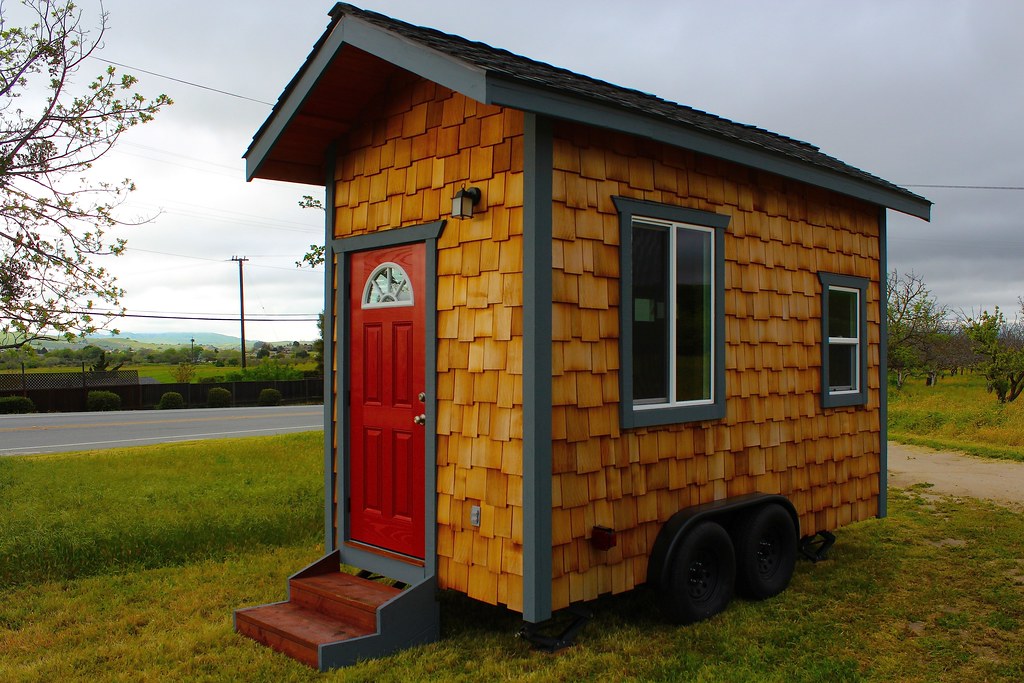
One of the most impressive features is that the Cassita is portable.
You can literally move your entire home.
Boxible says transport costs range from $2 to $10 per mile, depending on distance. They even ship internationally if the buyer covers the cost.
Transport Dimensions
When folded, the Cassita measures:
- 19 ft long
- 8.5 ft wide
- 12.5 ft tall
It fits within standard road limits.
Despite weighing up to 13,000 lb, it can be unfolded and installed in about 1 hour.
That’s a game-changing level of convenience.
Inside Elon Musk’s Tiny House
The interior is surprisingly impressive for a home under 400 sq ft.
Living Room
The living area looks much larger than it is, thanks to:
- Floor-to-ceiling glass doors
- Minimalist furniture
- Smart layout
- Natural lighting
The living room also doubles as Musk’s workspace, since he often handles major Tesla and SpaceX matters there.
Bedrooms
The Cassita originally had two bedrooms, but Musk converted the garage into a third bedroom.
Most sleeping areas use foldable beds that fold into the wall when not in use.
Kitchen
The kitchen includes:
- Sink
- Refrigerator
- Dishwasher
- Oven
- Cabinets
- Kitchen island/dining table
It even has a proper ventilation system.
Bathroom
The bathroom features:
- Walk-in shower
- Sink
- Toilet
- Sliding door
The design is optimized to feel spacious and comfortable.
Energy Efficiency & Sustainability
Elon Musk’s Cassita is equipped with:
- LED lighting
- Energy-efficient appliances
- Solar panels
- Tesla Powerwall batteries
The Cassita uses a 2 kW solar setup, supported by Powerwall batteries mounted outside.
It also includes:
- 100 amp electrical panel
- 16 outlets
The compact layout allows for a smaller HVAC system, reducing energy usage even more.
Why Musk Chose a Tiny Home
Elon Musk is known for his unconventional lifestyle choices.
In May 2020, he sold most of his real estate and chose to live in a tiny home near his workspace.
This choice becomes even more meaningful when you consider the current housing crisis.
The Rental Market Reality
Most Americans pay:
- $1,700 to $2,200+ per month
- In NYC or SF, rents are even worse
So a billionaire living in a $45,000 tiny house is not just unusual—it’s a powerful statement.
It’s a flex on minimalism, sustainability, and practicality.
Boxible’s Secret Sauce
Boxible isn’t worried about competitors.
They believe no one else understands their folding technology and manufacturing process.
The company is confident they can dominate the market for years.
Why the Fold Matters
The Cassita folds up like a suitcase, making shipping easier and cheaper.
That’s a major advantage in a world where logistics often kill innovation.
The $8,000 Tesla Tiny House—Is It Real?
Now, the big question:
Is Tesla Launching a Tiny House for $7,999?
No official confirmation exists.
Elon Musk has not announced anything, and Tesla has never listed a tiny house product.
The viral videos and images are simply internet hype.
The Reality Check
If a standard Cassita costs $45,000–$60,000, a $7,999 price tag is almost impossible.
Even Tesla’s own components alone would exceed that cost.
So the $8,000 Tesla tiny house is most likely clickbait.
The Real Impact of the Cassita
Despite the hype, the Cassita is still a potential game-changer for the housing market.
Why It Could Solve the Housing Crisis
- Rapid deployment
- Low environmental impact
- Portability
- Energy efficiency
- Affordable compared to traditional homes
But There Are Major Hurdles
Boxible only produced a maximum of 400 homes in their first year, averaging 2 units per day.
That pace is not enough to meet demand.
Customer Frustration
Last year, customers demanded over $1 million in refunds out of 8,000 pre-orders.
This shows serious trust issues.
Hidden Costs
The $45,000 price doesn’t include:
- Land
- Permits
- Utilities
- Delivery fees
So the “affordable home” can become much more expensive.
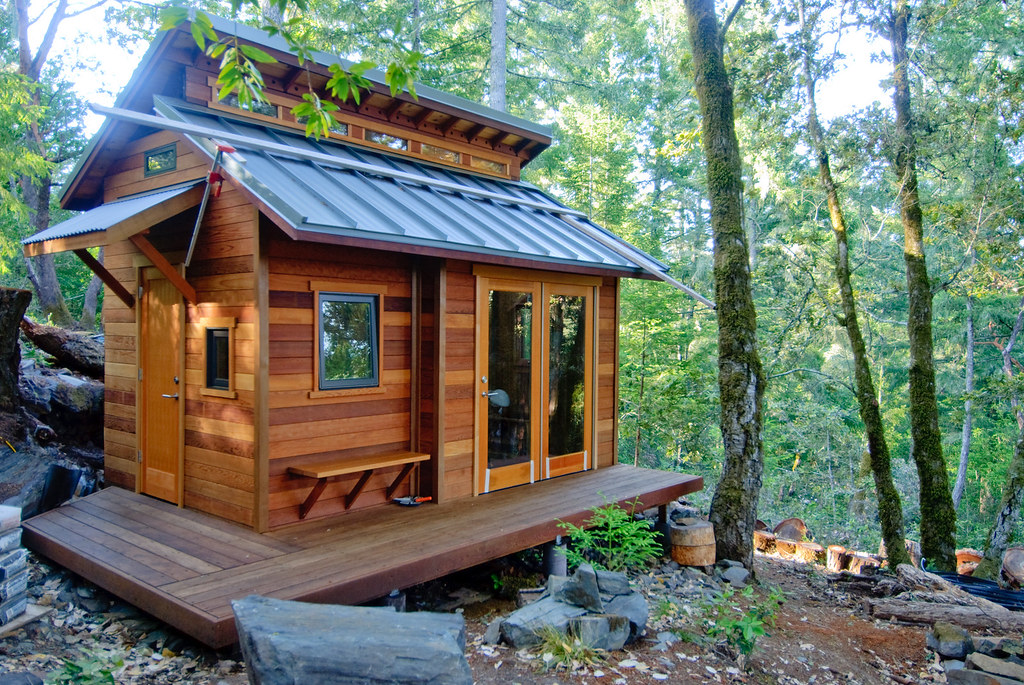
The Future—Is This Just a Test Run for Mars?
Some believe Musk’s Cassita could be a prototype for interplanetary living.
If he sends robots and colonizes Mars, homes like Boxible’s could be the blueprint.
Why It Makes Sense
- Speed
- Efficiency
- Lightweight materials
- Easy transport
- Minimalist design
It could be the future of housing on Earth and beyond.
Final Verdict — Tesla Tiny House or Not?
Here’s the bottom line:
The $7,999 Tesla Tiny House is a Myth
The real story is:
- Elon Musk lives in a Boxible Cassita
- It cost about $45,000
- It’s under 400 sq ft
- It’s durable, portable, and efficient
But the Idea of a Tesla Tiny House Is Not Entirely Impossible
If Musk wanted to, he could potentially:
- Back a new housing product
- Use Tesla tech
- Scale production
But right now, it’s just a rumor.
Your Thoughts?
So what do you think?
Would you be excited to live in a tiny house like Musk’s?
Or would you be skeptical of the $7,999 price tag?
If you enjoyed this breakdown, drop a comment below and share your thoughts. We’d love to hear what you think.
Conclusion
The Tesla tiny house rumor sparked massive hype, but the real story is even more interesting. Elon Musk’s tiny home is real—but it’s a Boxible Cassita, not a Tesla product. While the $7,999 price tag is unrealistic, the concept of affordable, efficient, portable housing is definitely gaining traction.
Whether you think it’s the future of housing or just another internet myth, one thing is clear:
Tiny homes are here to stay—and Elon Musk just made them cool again.
FAQs
1. Is the Tesla tiny house for $7,999 real?
No. There is no official confirmation from Tesla or Elon Musk. The $7,999 Tesla tiny house is a rumor that has been exaggerated online.
2. Who actually built Elon Musk’s tiny house?
Elon Musk’s tiny house is built by Boxible, a company specializing in foldable, modular homes.
3. How much did Elon Musk pay for his tiny house?
Musk reportedly paid $45,000 for his Boxible Cassita.
4. Where is Elon Musk’s tiny house located?
His Cassita is located at Starbase, Texas, near his SpaceX facilities.
5. How big is the Cassita tiny house?
The Cassita is under 400 square feet, with a ceiling height of 9 ft 6 in.
6. How long does it take to set up a Cassita?
A Cassita can be fully unfolded and installed in about one hour.
7. What materials is the Cassita made from?
It uses steel, concrete, insulating foam, and multi-layer panel systems, compressed under 250,000 lbs of pressure.
8. Can the Cassita withstand extreme weather?
Yes. It’s designed to handle hurricanes, flooding, and heavy snow.
9. Is the Cassita portable?
Yes. The Cassita is built to be transported easily and can be moved anywhere using a flatbed truck.
10. How much does it cost to transport a Cassita?
Transport costs range from $2 to $10 per mile, depending on distance.
11. Can multiple Cassitas be connected together?
Yes. Multiple units can be joined or stacked to create larger homes or buildings.
12. Does Elon Musk actually live in a tiny house?
Yes. Musk has lived in a Cassita at Starbase, using it as a guest house and workspace.
13. What’s inside Musk’s Cassita?
It includes:
- Living room
- Bedrooms (including a converted garage bedroom)
- Kitchen
- Bathroom
- Workspace
14. Does the Cassita have solar power?
Yes. It includes solar panels and Tesla Powerwall batteries to store energy.
15. How many pre-orders does Boxible have?
Boxible has received close to 200,000 pre-orders, totaling nearly $2 billion in potential sales.
16. Why is the Cassita considered a potential solution for housing?
It’s fast to deploy, energy efficient, portable, and more affordable than traditional homes.
17. What are the biggest problems facing Boxible?
Major issues include:
- Limited production capacity
- Long waiting times
- Refund requests due to delayed deliveries
- High costs and land/permit expenses
18. Could Tesla ever actually launch a tiny house?
It’s possible, but unlikely in the near future due to production and cost constraints. There’s no official confirmation.
19. What is the main reason Elon Musk chose a tiny house?
He wanted a minimalist, efficient living space near his workspace, and it aligns with his sustainable lifestyle and public image.
Read More:
- SpaceX is Launching first New Space Stations to Replace NASA’s ISS This Year
- Tesla Model Y outsells all EV rivals in Europe in 2025 despite headwinds
- Tesla China hires Autopilot Test Engineer amid continued FSD rollout preparations
- Starlink gets its latest airline adoptee for stable and reliable internet access
- Tesla Supercharger left offline as Swedish court backs union strike
- Tesla Model Y tops California vehicle sales despite Elon Musk backlash