
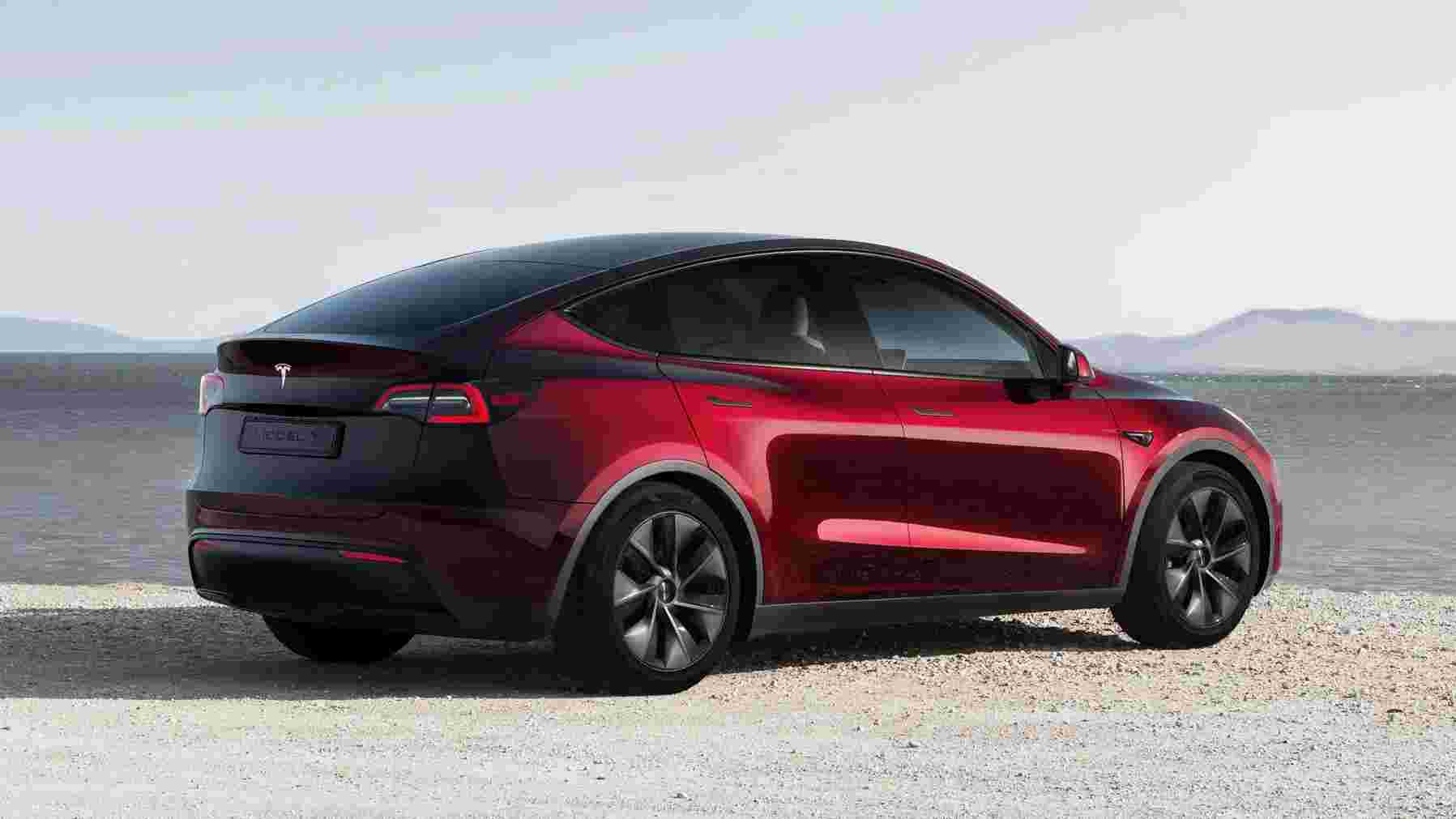
Imagine this for a moment. You’re driving through a vast desert or a remote mountain road. Your car is perfectly fine, the battery is charged, but your phone shows no signal at all. No calls. No messages. No navigation updates. No one knows where you are.
It sounds like a movie scene, but it has happened in real life—many times. And in some cases, the consequences have been tragic.
This is exactly why car internet connectivity is no longer a luxury. It’s quickly becoming a matter of safety, reliability, and survival. Tesla seems to have recognized this reality before most automakers, quietly filing a patent that could integrate Starlink satellite internet directly into Tesla vehicles.
This isn’t just another tech upgrade. It could mark the beginning of a new era for the global automotive industry.
Why Starlink in Tesla Cars Is Such a Big Deal
Tesla has always treated connectivity as the backbone of its ecosystem, not a side feature. According to reports first highlighted by Electric, Tesla is preparing to integrate Starlink connectivity into both new and existing vehicles. While rumors about this idea have circulated for years, this patent filing makes it feel far more real.
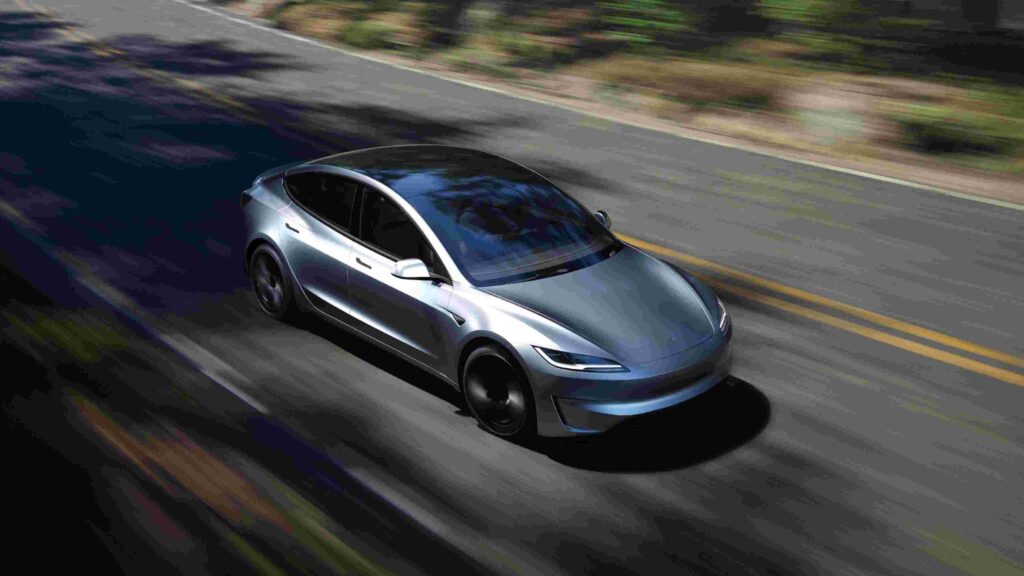
Elon Musk has hinted at this combination multiple times, and now it’s becoming clear why. If Tesla succeeds, it may deliver one of the most meaningful upgrades in modern automotive history.
The Growing Dependence on In-Car Internet
Connectivity Is No Longer Optional
For years, in-car internet was mostly used for:
- Navigation
- Music streaming
- Software updates
But Tesla changed the rules. Today, connectivity powers:
- Autopilot and Full Self-Driving data
- Over-the-air software updates (OTA)
- Remote vehicle access
- Phone-as-a-key functionality
- Real-time diagnostics and syncing
In fact, Tesla owners have already experienced situations where losing internet for just a few minutes caused serious problems—from being unable to unlock the car to navigation failures that disrupted entire trips.
The smarter the car becomes, the more it depends on connectivity.
The Fatal Weakness of Cellular Networks
Why Traditional Coverage Isn’t Enough
Cellular networks were never designed to cover the entire planet. Even in highly developed regions like the United States, Europe, and Australia, vast areas have no mobile signal at all.
In Australia alone, more than 50% of the mainland has zero mobile coverage, even from the strongest carriers. Once you enter these regions, even the most advanced smartphone becomes useless.
This is the fatal flaw of the current connectivity model—and it’s exactly where Starlink changes everything.
What Makes Starlink Different
Satellite Internet Explained Simply
Unlike traditional networks, Starlink is a constellation of thousands of low-Earth-orbit satellites designed to provide near-global coverage. If you can see the sky, you can access the internet.
That means:
- No reliance on cell towers
- Coverage in deserts, mountains, forests, and oceans
- Reliable connectivity in places where cellular networks fail
For vehicles, this is a revolutionary shift.
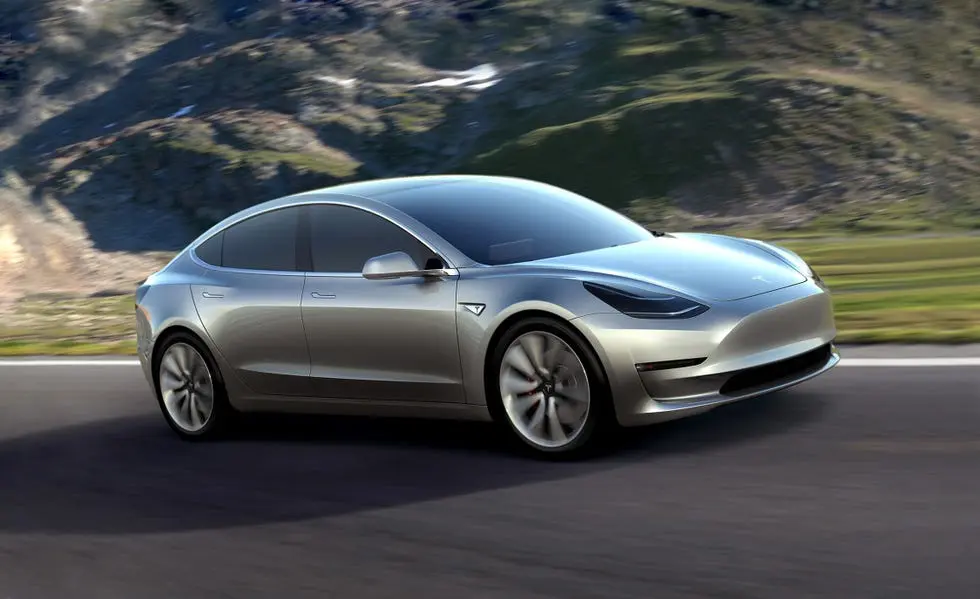
Tesla’s Patent: More Than Just an Antenna
Tesla isn’t simply slapping a satellite dish onto the roof. The patent reveals a much deeper engineering approach.
RF-Transparent Vehicle Roofs
Tesla has filed a patent for a vehicle roof component made of radio-frequency (RF) transparent materials. These materials allow satellite signals to pass through with minimal loss.
This matters because:
- Satellite signals struggle to penetrate glass and metal
- Traditional car roofs block Starlink signals
- External antennas would hurt design and aerodynamics
By integrating the antenna directly into the roof structure, Tesla can deliver:
- Stable satellite connectivity
- Cleaner aesthetics
- No bulky external hardware
This shows Tesla isn’t experimenting—it’s preparing a new connectivity standard for automobiles.
The Real Benefits of Starlink in Tesla Vehicles
If Starlink becomes fully integrated, the advantages go far beyond faster internet.
Key Benefits Include:
- Near-continuous global connectivity
- More reliable autopilot data transmission
- Software updates without cellular dependence
- Smoother entertainment on long journeys
- Dramatically improved emergency response
But perhaps the most exciting idea is still speculative.
Could Your Tesla Become a Mobile Hotspot?
What if Tesla allowed drivers to share Starlink connectivity as a mobile hotspot?
Currently, Tesla does not enable hotspot functionality, but the potential is enormous.
Tesla Camp Mode + Starlink = Anywhere Office
Tesla’s existing Camp Mode already allows:
- Climate control
- Movie streaming
- Device charging
- Lighting without draining the 12V battery
Add Starlink, and you suddenly have:
As long as you’re within driving distance of a power source, your Tesla becomes a self-contained digital hub.
Why the Cybertruck Stands to Benefit the Most
The Cybertruck is uniquely positioned to take advantage of Starlink integration.
With:
- High ground clearance
- Rugged off-road capability
- Massive power output
The Cybertruck could become the ultimate off-grid vehicle—perfect for adventurers, remote workers, and emergency response teams.
The One Downside of Internet Everywhere
Of course, there’s a trade-off.
With internet everywhere:
- You can be reached anywhere
- Work emails don’t stop
- Notifications follow you even into the wilderness
Still, for most people, the benefits far outweigh the drawbacks.
From Convenience to Survival
Why Satellite Connectivity Saves Lives
In the near future, consumers may ask:
“Does this car have satellite connectivity?”
The same way they once asked about airbags or ABS brakes.
There have been countless real-world cases where drivers:
- Got lost
- Ran out of fuel
- Were injured in accidents
And couldn’t call for help because there was no cellular coverage.
With satellite internet:
- A single emergency signal could reveal their location
- Rescue could begin almost immediately
In life-or-death moments, just a few minutes of connectivity can mean everything.
Freedom for Explorers and Road Trippers
For people who love:
- Long road trips
- Off-grid camping
- Exploring remote landscapes
Starlink in a vehicle isn’t just convenience—it’s freedom.
Some Tesla owners already install Starlink mini systems manually, but factory integration would be:
- Cleaner
- Safer
- More reliable
Pressure on Other Automakers
If Tesla moves first, competitors will be forced to follow. Automakers that ignore satellite connectivity risk being left behind as consumer expectations shift.
Tesla’s advantage lies in acting early—but the race is still open.
A New Era of Automotive Connectivity
Tesla isn’t just selling electric cars. It’s selling a vision of mobility:
- Always connected
- Always updated
- Always safer
When we look back, this moment may be remembered as the point when cars stopped depending on the ground for connectivity.
Soon, the question won’t be:
“Do I need Starlink in my car?”
It will be:
“Do I dare to drive without it?”
Cyber Cab: Tesla’s Autonomous Future Accelerates
Shifting focus, Tesla is also pushing hard on its Cyber Cab, a two-seat autonomous vehicle designed for robo taxi service.
Real-World Testing in Austin
Recent images show the Cyber Cab driving in downtown Austin with:
- Temporary side mirrors
- A safety supervisor onboard
- Texas manufacturer plates
While Elon Musk has stated the final version will have no steering wheel or pedals, these additions are likely for regulatory compliance and testing.
Why a Safety Supervisor Is Still Needed
Even though Model Y robo taxis are already operating driverless, the Cyber Cab faces:
- Regulatory barriers
- Data collection requirements
Federal safety standards still require manual controls. Tesla is working with regulators, but test vehicles must comply for now.
Cyber Cab Production Timeline
With mass production targeted for April 2026, Tesla is clearly racing against the clock. Real-world urban testing signals a major step toward deployment in Austin and the San Francisco Bay Area.
Optimus: Tesla’s Most Controversial Bet
While robo taxis gain public trust, Optimus, Tesla’s humanoid robot, faces skepticism.
A recent incident where Optimus 2.5 fell during a demo sparked doubts about:
- True autonomy
- Possible remote control
Tesla’s silence has only fueled speculation.
Are Expectations Too High?
A humanoid robot falling during development isn’t unusual. Even humans take years to master balance.
The real issue is expectation management. Tesla presented Optimus as a general-purpose robot, naturally inviting comparisons to science fiction.
Remote Control vs. Autonomy
In robotics, teleoperation during training is common. It helps robots learn movement patterns and coordination. This doesn’t mean the robot is fake—but unclear communication creates skepticism.
The Risk of Losing Public Trust
With robo taxis, Tesla benefits from billions of miles of real-world data. With Optimus, that data simply doesn’t exist yet.
If Tesla can prove steady improvement through transparent demos, today’s doubts may fade. If not, Optimus risks becoming a crisis of trust rather than a technical failure.
Final Thoughts: A Defining Moment for Tesla
Tesla integrating Starlink into vehicles, accelerating Cyber Cab deployment, and pushing forward with Optimus shows a company betting big on the future.
Some bets are paying off faster than others—but together, they paint a picture of where mobility, automation, and connectivity are heading.
What do you think?
- Are you excited about Starlink in Tesla cars?
- Do robo taxis make you optimistic or nervous?
- What makes you skeptical about Optimus?
Share your thoughts—because this future is arriving faster than anyone expected.
FAQs
1. What is Starlink and how does it work in cars?
Starlink is a satellite-based internet system developed by SpaceX that uses thousands of low-Earth-orbit satellites to provide global internet coverage. When integrated into cars, it allows vehicles to stay connected even in areas with no cellular signal.
2. Is Tesla really integrating Starlink into its vehicles?
Yes. Tesla has filed patents indicating plans to integrate Starlink directly into vehicle designs, suggesting official satellite connectivity for both new and possibly existing Tesla models.
3. Why is Starlink integration important for Tesla cars?
Tesla vehicles rely heavily on internet connectivity for navigation, OTA updates, Autopilot data, remote access, and safety features. Starlink removes the limitations of traditional cellular networks.
4. Will Starlink make Tesla cars safer?
Absolutely. Satellite connectivity can be life-saving in emergencies by allowing drivers to send their location and contact help in areas with no mobile coverage.
5. How is Tesla solving the satellite signal problem in cars?
Tesla’s patent describes a radio-frequency (RF) transparent roof that allows satellite signals to pass through without obstruction from metal or glass.
6. Will Tesla need an external satellite dish like Starlink home systems?
No. Tesla aims to integrate the antenna seamlessly into the vehicle, preserving aerodynamics and design without bulky external hardware.
7. Can Starlink work anywhere on Earth?
Starlink offers near-global coverage wherever the sky is visible, including deserts, mountains, and remote rural areas where cellular networks fail.
8. Will Tesla allow Starlink to be used as a Wi-Fi hotspot?
This has not been officially confirmed. While Tesla currently does not allow hotspot sharing, Starlink integration opens the possibility of using the car as a mobile internet hub.
9. How would Starlink improve Tesla Camp Mode?
With Starlink, Camp Mode could become a fully connected mobile office, allowing internet access, streaming, and remote work from virtually anywhere.
10. Which Tesla model benefits the most from Starlink?
The Cybertruck stands out due to its off-road capability, high power output, and suitability for remote exploration and off-grid use.
11. Are other automakers using satellite internet?
Very few automakers currently offer true satellite internet. If Tesla moves first, it could force competitors to adopt similar solutions to stay relevant.
12. When could Starlink appear in Tesla vehicles?
Tesla typically deploys new technology quickly. While no official date is confirmed, many expect early implementations before or around 2026.
13. Why is satellite connectivity better than cellular networks?
Cellular networks rely on ground-based towers, which leave large coverage gaps. Satellite internet provides continuous coverage, regardless of location.
14. Has Starlink been banned in some countries?
Yes. Countries like China and Brazil have restricted or banned Starlink, mainly due to regulatory, security, or political concerns.
15. What is the Tesla Cyber Cab?
The Cyber Cab is Tesla’s upcoming two-seat autonomous robo taxi designed for fully self-driving operation without pedals or a steering wheel.
16. Why was a Cyber Cab spotted with mirrors and a safety driver?
These additions are likely temporary measures for regulatory compliance and testing, as current laws require manual controls during public-road testing.
17. When will the Cyber Cab enter mass production?
Tesla is targeting April 2026 for Cyber Cab mass production, with real-world testing already underway in cities like Austin.
18. Why are people skeptical about Tesla’s Optimus robot?
Skepticism comes from high expectations, limited public data, and incidents during demonstrations, including questions about autonomy and remote control during early development stages.
Read More:
- Tesla Model 2 Leaked Coming In 2026, Specs & Hatchback Design Changes Everything
- Tesla FSD fleet is nearing 7 billion total miles, including 2.5 billion city miles
- Elon Musk’s 2026 Tesla Pi Phone Finally HERE: What Makes It a True iPhone KILLER?
- Elon Musk Explains How a $199 Tesla Phone Cuts Monthly Phone Bills
- Tesla Cybertruck NEW Update On Dec! Elon Musk Reveals That Makes A Big Difference
1 thought on “Just Happened! Elon Musk Finally Integrating STARLINK Into Tesla New CAR! Game Changer 2026”