
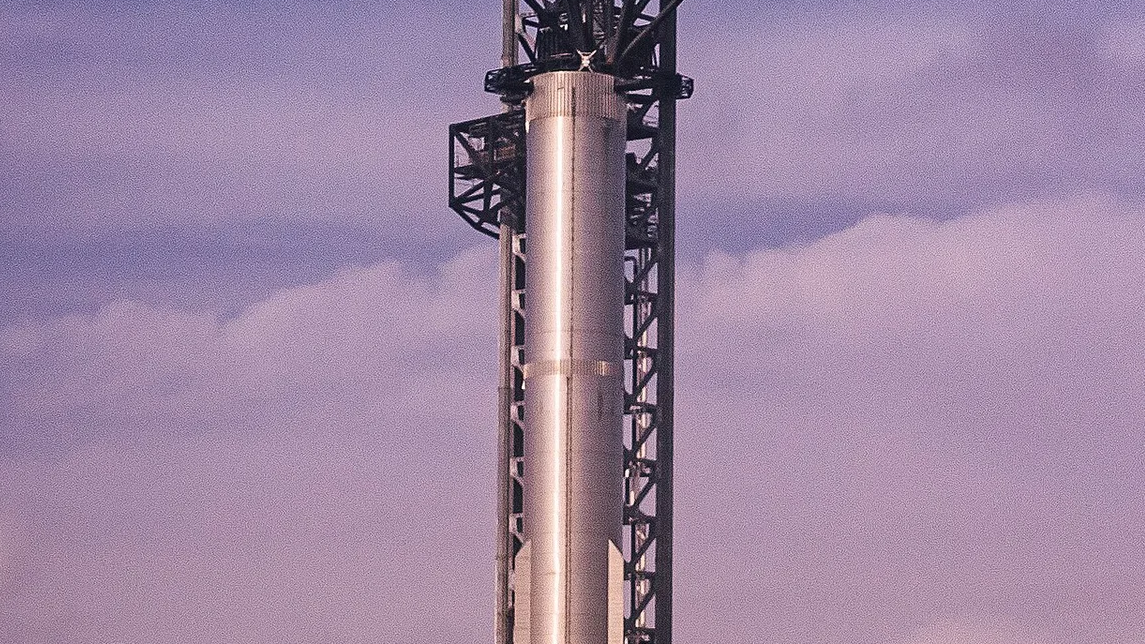
SpaceX’s First Starship Launch in Florida This Year finally Coming: SpaceX is preparing for a major expansion of its Starship launch operations in Florida, potentially transforming Kennedy Space Center into a second major hub for the world’s largest rocket. While Starbase in Boca Chica, Texas, has served as the primary testing ground for Starship development, the expansion to Launch Complex 39A (LC-39A) could mark a significant step toward routine, high-frequency spaceflight.
The Florida launch site offers several strategic advantages, including established aerospace infrastructure, access to different orbital trajectories, and proximity to NASA’s Artemis launch operations. With new launch tower infrastructure, upgraded propellant systems, and dedicated manufacturing facilities, SpaceX is working toward a future in which Starship can launch from both Texas and Florida.
However, the exact date of the first Florida Starship launch depends on hardware readiness, testing, and regulatory approvals. Here is a closer look at the infrastructure, vehicles, and technology behind this ambitious project.
1. SpaceX Is Transforming Launch Complex 39A
Launch Complex 39A is one of the most historically significant launch facilities in the United States. It supported NASA’s Apollo missions and Space Shuttle program before becoming an important launch site for SpaceX’s Falcon 9 and Falcon Heavy rockets.
Now, the company is adapting the complex to accommodate Starship, a fully reusable transportation system designed to carry large payloads and eventually transport people to the Moon and Mars.
Mechazilla Launch Tower Takes Center Stage
One of the most important elements of the Florida expansion is the construction of a dedicated Starship launch tower inspired by the Mechazilla system at Starbase.
The tower is designed to support several critical operations:
- Vehicle stacking: Helping position and integrate the Starship upper stage with its Super Heavy booster.
- Booster catching: Using mechanical arms to capture returning Super Heavy boosters, if the system is qualified for the planned operation.
- Ground servicing: Providing access to the vehicle during preparation and maintenance.
- Rapid turnaround: Supporting the long-term goal of reusing rockets with minimal refurbishment.
The ultimate objective is to reduce the time between launches and make Starship a practical option for missions requiring frequent access to space.
Upgraded Propellant and Water Deluge Systems
Starship uses liquid methane (LCH4) and liquid oxygen (LOX) as propellants. Its enormous fuel requirements demand large storage tanks, high-capacity transfer lines, and carefully controlled loading operations.
The launch pad must also withstand the intense heat, pressure, and acoustic energy generated by dozens of Raptor engines.
A high-capacity water deluge system is essential for protecting the launch infrastructure during engine ignition and liftoff. Engineers must verify that the upgraded pad can safely handle Starship’s powerful exhaust while protecting surrounding equipment.
2. Starship Flight Hardware: Ship 43 and Booster 23
The first Starship launch from Florida will require a flight-ready upper stage, a compatible Super Heavy booster, and supporting ground systems. The supplied project outline identifies Ship 43 and Booster 23 as potential hardware units associated with the preparations.
Their actual flight assignments and readiness should be confirmed through official SpaceX updates before being treated as final.
Super Heavy Booster: The First Stage
The Super Heavy booster provides the initial thrust needed to lift Starship away from Earth. The vehicle is designed around 33 Raptor engines, which work together during the early stages of flight.
Its major responsibilities include:
- Generating the thrust required for liftoff.
- Guiding the launch vehicle through the early ascent phase.
- Separating from the Starship upper stage.
- Performing a controlled return and landing sequence when the mission profile allows.
A successful booster recovery could help SpaceX demonstrate the potential of rapid rocket reuse, reducing the need to manufacture a new first stage for every launch.
Starship Upper Stage: The Orbital Spacecraft
Starship is the upper stage of the launch system and the vehicle intended to carry satellites, cargo, and eventually crew.
Its development includes improvements to heat-shield tiles, thermal protection systems, payload deployment mechanisms, and vacuum-optimized Raptor engines.
The spacecraft must also withstand the extreme temperatures generated during atmospheric reentry. Reliable thermal protection and controlled landing operations are essential to achieving the company’s long-term goal of full reusability.
3. Why SpaceX Needs Two Major Starship Launch Sites
Operating from a single launch location can limit mission frequency and create scheduling challenges. Establishing Starship operations in both Texas and Florida could give SpaceX greater flexibility.
Higher Launch Cadence and Operational Redundancy
Starbase provides an important environment for vehicle development and testing, while Florida offers access to an established launch corridor and additional aerospace infrastructure.
With two operational sites, SpaceX could potentially conduct more launches without depending entirely on one location.
This approach could improve launch scheduling, hardware allocation, and operational resilience. It would also give the company more flexibility when maintenance, technical problems, or regulatory restrictions temporarily affect one site.
Access to Different Orbital Trajectories
Launch location matters because a rocket’s trajectory influences the orbits it can reach efficiently.
Florida’s position on the Atlantic coast supports a wide range of launch trajectories, including missions to low Earth orbit and other orbital destinations. Launch planners must still account for safety corridors, mission requirements, weather, and airspace restrictions.
The ability to launch Starship from multiple locations could make it easier to accommodate different payloads and mission schedules.
Supporting Rapid Satellite Deployment
SpaceX operates the Starlink satellite network and continues to develop larger launch vehicles capable of deploying substantial payloads.
A high-capacity Starship system could eventually carry large batches of next-generation Starlink satellites on a single flight. More frequent launches could help expand network capacity and replace aging spacecraft more efficiently.
However, the practical benefits depend on Starship achieving reliable operations, completing the required flight testing, and demonstrating consistent payload deployment.
4. In-Space Refueling Could Change Lunar Exploration
One of Starship’s most ambitious applications is NASA’s Artemis lunar exploration program.
SpaceX is developing a Starship-based Human Landing System (HLS) intended to transport astronauts between lunar orbit and the Moon’s surface. This mission architecture requires capabilities beyond those of a conventional rocket launch.
Why Multiple Tanker Launches Matter
A lunar Starship mission requires substantial propellant. Instead of carrying all the necessary fuel in one launch, the proposed architecture relies on orbital refueling.
The process involves launching a tanker vehicle, transferring propellant to an orbital depot or another Starship, and repeating the process as required.
This creates a demanding logistical challenge. Multiple launches must take place within carefully coordinated schedules, and the vehicles must demonstrate reliable orbital rendezvous and cryogenic propellant transfer.
Additional launch infrastructure in Florida could help SpaceX work toward the high launch cadence required for orbital refueling.
Before this architecture can support crewed lunar missions, the relevant systems must complete their development and qualification milestones.
5. Regulatory Approval Is a Critical Milestone
Even when the launch tower and supporting equipment are physically ready, a new Starship launch operation cannot simply begin.
The Federal Aviation Administration (FAA) plays a central role in commercial launch licensing and public-safety oversight. Environmental reviews and operational approvals can also affect launch schedules.
Environmental and Safety Assessments
Authorities must evaluate issues associated with launch operations, including noise, potential environmental impacts, airspace closures, and public safety.
SpaceX must also coordinate with relevant government agencies to establish appropriate launch exclusion areas, emergency procedures, and operational controls.
Protecting Existing Falcon 9 Operations
LC-39A already supports Falcon missions, making site coordination particularly important.
SpaceX must manage launch schedules, vehicle movements, propellant operations, and maintenance activities to prevent conflicts between Starship and existing operations.
The company also needs to demonstrate that Starship’s powerful exhaust and ground systems can operate without unacceptable risks to nearby infrastructure.
These requirements mean that physical construction alone does not guarantee an immediate launch date.
6. What a Florida Starship Launch Could Mean for the Future
A successful Starship launch from Florida would represent an important milestone in the vehicle’s development. It would demonstrate that the system can operate from another major launch complex and potentially support a broader range of missions.
More Capable Starlink Deployments
Starship’s large payload capacity could enable the deployment of more satellites per mission than smaller launch vehicles can accommodate.
If the spacecraft achieves reliable and economical operations, it could support the expansion of Starlink’s global communications network while reducing the number of launches needed for some deployment campaigns.
Progress Toward NASA Artemis Missions
Florida is already a central location for American lunar exploration. Establishing Starship operations there could improve coordination between launch infrastructure, mission preparation, and other spaceflight activities.
The ultimate objective is to support the technologies required for future lunar missions, including orbital refueling, reusable spacecraft, and large-scale cargo delivery.
Lower Launch Costs and Larger Payloads
Reusable rockets have the potential to reduce launch costs by spreading vehicle manufacturing expenses across multiple flights.
Starship aims to push this concept further through the recovery and reuse of both its booster and upper stage.
Achieving that goal will require reliable recovery systems, rapid inspections, efficient ground operations, and sustained flight performance. If these capabilities mature, large-scale access to space could become more affordable for commercial operators and scientific missions.
Conclusion: Is Starship’s Florida Launch Finally Coming?
SpaceX’s work at Launch Complex 39A represents a significant step toward expanding Starship operations beyond Starbase in Texas. The planned combination of a dedicated launch tower, upgraded propellant infrastructure, local assembly capabilities, and additional launch capacity could reshape the company’s operational strategy.
The potential benefits extend beyond commercial satellite launches. Florida-based Starship operations could contribute to Starlink expansion, NASA Artemis missions, orbital refueling experiments, and future deep-space exploration.
Nevertheless, the first Florida launch remains dependent on verified vehicle assignments, ground-system testing, regulatory clearance, and operational readiness. Until SpaceX confirms an official launch date, claims that Starship will launch from Florida by a particular deadline should be treated as projections rather than confirmed schedules.
If the necessary milestones are completed, LC-39A could become a major part of SpaceX’s vision for frequent, reusable, and high-capacity spaceflight.
FAQs
1. When Will SpaceX Launch Starship From Florida for the First Time?
SpaceX’s first Starship launch from Florida depends on launch tower readiness, vehicle testing, and regulatory approvals. An official launch date should be confirmed through SpaceX announcements.
2. Where Will Starship Launch From in Florida?
Starship is planned to launch from Launch Complex 39A (LC-39A) at NASA’s Kennedy Space Center in Florida, a historic launch site also used for SpaceX Falcon missions.
3. Why Is SpaceX Building a Starship Launch Tower at LC-39A?
The tower is designed to support Starship integration, vehicle stacking, ground servicing, and potentially booster catching. It could help SpaceX prepare vehicles for more frequent launches.
4. What Is Mechazilla, and How Will It Support Starship?
Mechazilla is SpaceX’s launch tower and mechanical arm system designed to handle Starship and Super Heavy. Its catching mechanism aims to capture returning boosters and potentially Starship vehicles during recovery operations.
5. What Are Ship 43 and Booster 23?
Ship 43 and Booster 23 are vehicle designations identified in the project outline as potential hardware for Florida operations. Their actual assignment to the first Florida Starship flight requires confirmation from official SpaceX updates.
6. How Much Thrust Can the Super Heavy Booster Produce?
Super Heavy is designed to use 33 Raptor engines. The exact thrust depends on the booster configuration and engine performance, with the system designed to generate millions of pounds of thrust at liftoff.
7. Why Does Starship Need Liquid Methane and Liquid Oxygen?
Starship uses liquid methane and liquid oxygen (LOX) as rocket propellants. These fuels power its Raptor engines and support the vehicle’s high-performance launch and spaceflight requirements.
8. Why Is SpaceX Expanding Starship Operations Beyond Texas?
Operating from both Starbase in Texas and LC-39A in Florida could increase launch flexibility, reduce dependence on a single site, and support more ambitious commercial and government missions.
9. How Could a Florida Starship Launch Benefit Starlink?
Starship’s large payload capacity could enable it to deploy many next-generation Starlink satellites in a single mission, potentially increasing network capacity and making satellite deployment more efficient.
10. How Will Florida Starship Operations Support NASA’s Artemis Program?
Starship is being developed as NASA’s Human Landing System for planned Artemis lunar missions. Florida operations could support launch preparation, testing, and the complex logistics required for lunar transportation.
11. What Is In-Space Refueling, and Why Is It Important?
In-space refueling involves transferring propellant between spacecraft or through an orbital depot. It is important because lunar Starship missions require more propellant than a single launch may be able to deliver alongside the spacecraft.
12. Why Are Multiple Starship Launches Needed for Moon Missions?
The proposed lunar mission architecture may require several tanker launches to deliver enough propellant for orbital refueling. Coordinating these flights is a major challenge for SpaceX’s future launch operations.
13. What Regulatory Approvals Are Required Before the First Florida Launch?
SpaceX must satisfy applicable FAA launch licensing and safety requirements, along with relevant environmental reviews and operational coordination. The specific approvals depend on the launch configuration and proposed mission.
14. Will Starship Launches Affect Existing Falcon 9 Missions at LC-39A?
SpaceX must coordinate Starship operations with existing Falcon 9 and Falcon Heavy activities. Scheduling, ground infrastructure, safety procedures, and maintenance planning will be important to prevent operational conflicts.
15. Could Starship Make Space Launches Cheaper in the Future?
SpaceX aims to reduce launch costs through full vehicle reusability, high launch frequency, and efficient manufacturing. The actual cost savings will depend on successful recovery, refurbishment, reliability, and operational performance.
16. Does the First Florida Starship Launch Have an Official Confirmed Date?
A specific date should not be considered confirmed unless SpaceX or the relevant authorities officially announce it. Construction progress alone does not guarantee that the launch will occur within a particular month or year.
Read More:
- Trump to hand Elon Musk a top honor that traces back to JFK
- Elon Musk shuts down talk of TSMC taking over Terafab
- SpaceX brings four astronauts home after 8 months in space, and the return was flawless
- Elon Musk’s Boring Company lands a new Middle East deal, and Nashville is about to get faster
- New 2027 Tesla Bot Optimus Gen 3 Revealed