
In the last century, humanity unlocked something extraordinary—a technology so powerful it could redefine how we explore the solar system. That key is nuclear power.
Imagine a spacecraft traveling from Earth to Mars not in a year, but in just a few weeks—or even days. What once sounded like science fiction is now being seriously discussed by engineers and researchers. And if SpaceX were to adopt this revolutionary idea for Starship, it could change space travel forever.
Let’s dive deep into how nuclear propulsion could make Elon Musk’s dream of a multi-planetary civilization a reality—and why NASA is keeping a very close eye on these developments.
The Hidden Power of the Atom: Why Nuclear Energy Changes Everything
When people hear the word nuclear, fear often comes to mind—images of weapons, fallout, and catastrophic explosions. But beyond its destructive history lies one of the most powerful energy sources in the universe.

To understand its potential, let’s put things into perspective:
A traditional Starship rocket requires nearly 5,000 tons of chemical propellant to reach Mars. If that much fuel were to explode, it would release the same energy as 16,000 tons of TNT, enough to devastate everything within a 1.6 km radius.
Now here’s the mind-blowing part: the same amount of energy could be produced through nuclear fission with just 82 kilograms of uranium-235, and only 1% of it would need to react. If all of it reacted? You’d need less than a kilogram—roughly the weight of four smartphones—to unleash that much energy.
That’s how dense nuclear energy is. Dangerous? Yes. But incredibly efficient and powerful, too.
And that’s exactly why scientists have long believed that nuclear propulsion could be humanity’s ticket to exploring the entire solar system.
Why SpaceX’s Starship Needs Nuclear Propulsion
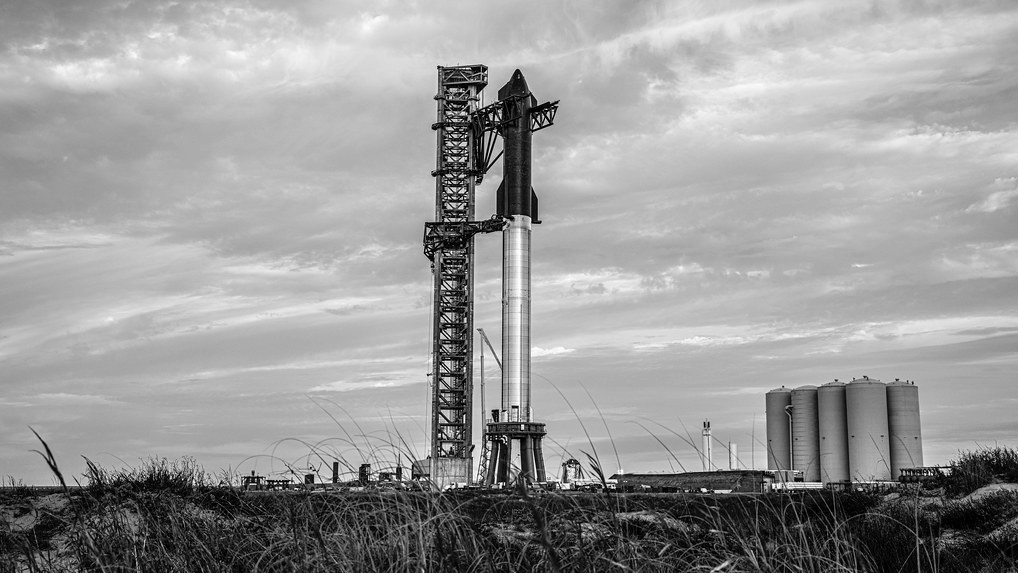
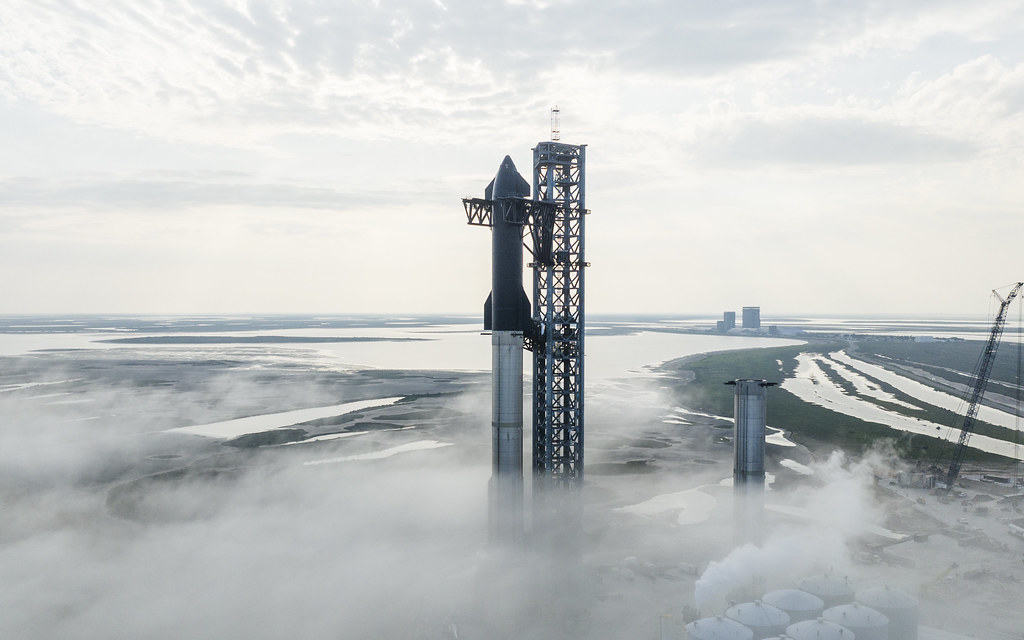
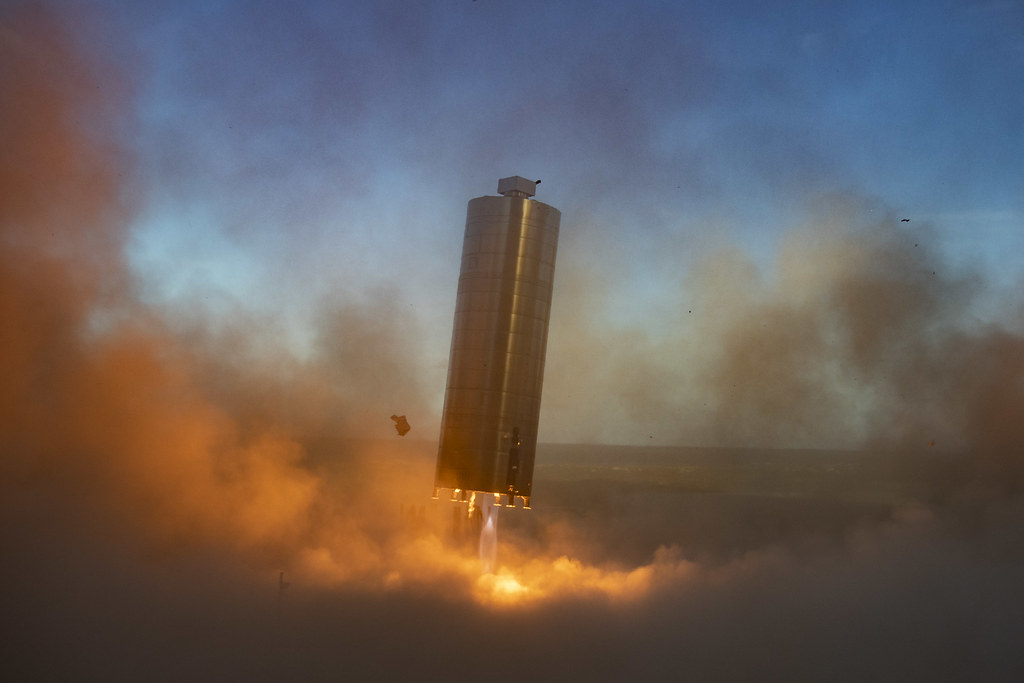
SpaceX’s Starship is currently the most ambitious spacecraft ever built. Standing nearly 120 meters tall and made of stainless steel, it’s designed to carry humans and hundreds of tons of cargo to the Moon, Mars, and beyond.
However, over 56% of Starship’s internal volume is devoted entirely to fuel tanks, leaving just around 10% for payload—crew, cargo, or science labs.
Now imagine replacing those massive fuel tanks with a compact nuclear reactor and smaller liquid hydrogen tanks. The propulsion system would only occupy about 15–20% of Starship’s volume, freeing up enormous space for living quarters, research modules, or cargo bays.
With that kind of efficiency, Starship could become a true interplanetary vessel, capable of reaching not just Mars, but also the outer planets of our solar system.
From Project Rover to NERVA: The Forgotten Era of Nuclear Rockets
Many people think nuclear rockets are a new concept, but the truth is, they’ve been around since the 1950s.
The first serious attempt came in 1955, when the U.S. Atomic Energy Commission launched Project Rover at Los Alamos National Laboratory. The idea was simple yet revolutionary—develop a nuclear-powered upper stage for intercontinental ballistic missiles that could also serve as a space engine.
How It Worked
Instead of burning chemical propellants, engineers used a nuclear reactor to superheat liquid hydrogen, which then expanded and shot out through a nozzle, producing thrust. The result was twice the efficiency of chemical rockets.
After the launch of Sputnik in 1958, the U.S. shifted its focus toward space exploration. Project Rover evolved into NERVA (Nuclear Engine for Rocket Vehicle Application), a joint effort between NASA and the AEC.
The Achievements
Under these programs, engineers developed several reactor prototypes—KIWI, Phoebus, and Pewee—that could generate up to 4,000 megawatts of thermal power and achieve a specific impulse of 825 seconds, nearly double that of the best chemical engines today.
Had these engines been integrated into a Mars mission, the round trip could have taken just a few months, instead of nearly a year.
Unfortunately, as political priorities shifted in the 1970s, the program was shelved, and the world’s progress on nuclear propulsion went dark for decades.
SpaceX’s Raptor 3 vs. Nuclear Thermal Propulsion
Let’s fast-forward to today. SpaceX’s Raptor 3 engine is one of the most advanced chemical engines ever built.
Each Raptor 3 vacuum engine produces around 306 tons of thrust with a specific impulse of 380 seconds. Equipped with six of these engines, Starship has a total thrust of 18 meganewtons and a delta-V capacity of roughly 7–8 km/s after orbital refueling.
That’s impressive—but it still takes six months or more to reach Mars using a Hohmann transfer orbit, the most fuel-efficient path.
Even with perfect alignment between Earth and Mars, the journey still spans 54 million kilometers and months of exposure to cosmic radiation—a serious health risk for astronauts.
Now imagine replacing those engines with nuclear thermal propulsion (NTP) systems capable of specific impulses between 800–900 seconds. That would double the efficiency and drastically reduce travel time.
How Nuclear Thermal Propulsion Works
At its core, nuclear thermal propulsion is beautifully simple.
A fission reactor heats liquid hydrogen to temperatures exceeding 2,500°C (over 4,500°F). The hydrogen expands into a gas and is expelled through a nozzle, creating thrust.
Unlike chemical rockets, the uranium fuel isn’t burned—it simply provides heat.
The Components of an NTP Starship
- Reactor Core: Generates immense heat through uranium fission.
- Liquid Hydrogen Tanks: Store cryogenic hydrogen fuel.
- Shielding: Layers of boron or tungsten to protect astronauts from radiation.
- Nozzles: Made from special high-temperature alloys that withstand the extreme heat.
In operation, the nuclear engines would only activate after reaching orbit, eliminating risks during launch. Once in space, the engines could run for multiple burns, lasting about an hour each.
This system’s key advantage lies in its specific impulse, or efficiency. Higher ISP means less fuel and more velocity. The result? A trip to Mars in 45–60 days, not six months.
Challenges and Safety Concerns
Of course, building a nuclear-powered Starship isn’t without serious challenges.
1. Cryogenic Hydrogen Storage
Hydrogen must be kept extremely cold—close to -253°C—for long durations. Preventing boil-off in space for weeks or months is an enormous engineering challenge.
2. Material Durability
Nozzles, fuel lines, and reactor components must endure intense heat and radiation without degrading.
3. Radiation Shielding
Protecting the crew and sensitive electronics from neutron and gamma radiation requires thick, heavy shielding—adding mass and complexity.
4. Launch Safety and Legal Barriers
Launching a spacecraft containing nuclear material is politically and legally sensitive. If an accident occurred during liftoff from Starbase, Texas, or Cape Canaveral, the fallout would be catastrophic—not just environmentally, but also for SpaceX’s reputation and licensing.
The Hybrid Solution: Chemical + Nuclear Propulsion
One of the most practical solutions is a hybrid propulsion system.
Here’s how it would work:
- Raptor engines lift Starship off Earth and into orbit using chemical propellants (methane and oxygen).
- Once in space, a detachable nuclear module takes over for the interplanetary journey.
This approach combines the brute force of chemical engines with the efficiency of nuclear propulsion, allowing fast, long-duration travel.
However, this dual setup adds weight, complexity, and cost. Engineering two propulsion systems in one spacecraft would require unprecedented innovation and safety measures.
The Next Evolution: Centrifugal Nuclear Thermal Rockets (CNTR)
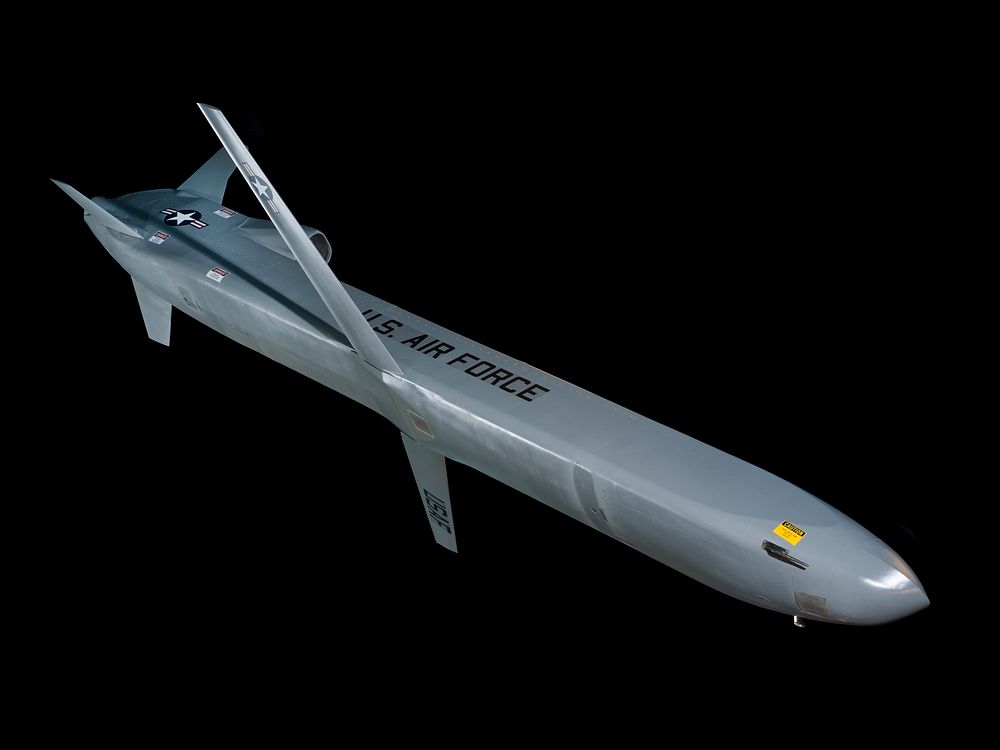
While traditional NTP designs use solid uranium fuel rods, newer concepts like the Centrifugal Nuclear Thermal Rocket (CNTR) could take things even further.
Developed by researchers at Ohio State University and supported by NASA, CNTR uses liquid uranium spun inside a rotating cylinder. This design allows the fission reaction to occur in a more controlled and efficient way.
Advantages of CNTR Technology
- Higher reactor temperatures, increasing exhaust velocity.
- Greater thrust-to-weight ratio, reducing travel time even further.
- Enhanced efficiency, making deep-space missions more practical.
In theory, CNTR engines could make Mars missions as short as 30–45 days, and open the door to exploring the outer planets—Jupiter, Saturn, and beyond.
Refueling in Space: A Step Toward Deep Solar Exploration
Another exciting advantage of nuclear propulsion is refueling flexibility.
Hydrogen isn’t the only possible propellant. Scientists believe other materials—possibly extracted from asteroids, comets, or Kuiper Belt objects—could serve as fuel sources for future missions.
That means self-sustaining spacecraft capable of refueling along their journey, effectively turning the solar system into a connected network of refueling outposts.
Why NASA and SpaceX Are Both Interested
NASA has recently revived its interest in nuclear propulsion, funding projects through its DRACO program (Demonstration Rocket for Agile Cislunar Operations) in partnership with DARPA.
The agency plans to test a nuclear rocket in orbit by the late 2020s—potentially paving the way for future Mars missions.
SpaceX, meanwhile, has already demonstrated an unmatched ability to design, build, and launch spacecraft at a pace no other organization can match. If SpaceX integrates nuclear propulsion into Starship, it could leapfrog even NASA’s efforts.
Together, these two forces—NASA’s research expertise and SpaceX’s rapid innovation—could usher in a new golden age of space travel.
From Science Fiction to Reality
For decades, nuclear-powered spacecraft were confined to the realm of science fiction, inspiring visions of interstellar explorers and starships traveling at unimaginable speeds.
But today, the technology is real, tested, and within reach. The only barriers left are engineering challenges and political hesitation.
Once those are overcome, we could see the first nuclear-powered interplanetary missions within our lifetime—potentially led by SpaceX’s Starship.
The Future: Mars in Weeks, Not Months
A nuclear Starship could make a round trip to Mars in just a few weeks instead of a year.
That means:
- Less radiation exposure for astronauts.
- Lower life-support demands.
- Faster scientific discoveries.
- Greater mission flexibility.
Ultimately, the ability to travel quickly and efficiently through the solar system could turn humanity into a true spacefaring civilization.
Final Thoughts
While no nuclear-powered rocket has yet left Earth, the research is advancing rapidly. Space agencies and private companies now recognize that chemical propulsion has reached its limits for deep-space travel.
If SpaceX’s Starship were ever equipped with a nuclear thermal or CNTR propulsion system, it wouldn’t just shorten the Mars journey—it would transform human space exploration forever.
So, is a nuclear Starship science fiction? Maybe not for long. The pieces are already in motion, and as history has shown us, what once seemed impossible often becomes inevitable.
FAQs
1. What is SpaceX’s Nuclear Starship concept?
SpaceX’s Nuclear Starship concept refers to the idea of replacing Starship’s chemical propulsion system with a nuclear thermal propulsion (NTP) or centrifugal nuclear thermal rocket (CNTR) system. This would drastically increase efficiency and reduce travel time between Earth and Mars.
2. How does nuclear propulsion work in space?
Nuclear propulsion uses a fission reactor to heat a propellant—typically liquid hydrogen—to extremely high temperatures. The hot gas expands through a nozzle, creating thrust. Unlike chemical rockets, the uranium fuel isn’t burned; it simply generates heat, resulting in far greater efficiency.
3. How fast could a nuclear-powered Starship travel to Mars?
A nuclear-powered Starship could make the journey to Mars in as little as 45 to 60 days, compared to the current 6 to 9 months required by chemical rockets. Some advanced designs suggest the trip could be shortened to just a few weeks.
4. Why is nuclear propulsion better than chemical rockets?
Nuclear propulsion offers twice the efficiency of chemical engines, meaning less fuel and shorter travel times. It also provides continuous thrust over long periods, making it ideal for deep-space missions.
5. Is nuclear propulsion safe to use in space?
Yes—if managed properly. The reactor would only activate once the spacecraft reaches orbit, eliminating risks during launch. Advanced shielding and safety systems protect astronauts from radiation during operation.
6. What are the biggest challenges of using nuclear engines in Starship?
The main challenges include cryogenic hydrogen storage, radiation shielding, material durability, and launch approval regulations. Each requires advanced engineering solutions to ensure mission safety.
7. Has nuclear propulsion ever been tested before?
Yes. Programs like Project Rover and NERVA in the 1950s–70s successfully tested nuclear rocket engines on Earth. They demonstrated stable operation, high efficiency, and specific impulses of up to 825 seconds, nearly double chemical rockets.
8. Why didn’t NASA use nuclear rockets for past missions?
Political concerns, environmental fears, and the success of chemical propulsion during the Apollo era caused nuclear programs to be paused. However, renewed interest and improved safety measures are bringing them back.
9. What is the difference between NTP and CNTR engines?
NTP (Nuclear Thermal Propulsion) uses solid uranium fuel to heat hydrogen, while CNTR (Centrifugal Nuclear Thermal Rocket) uses liquid uranium spun at high speeds to increase fission efficiency and thrust. CNTR could potentially be 100x more powerful than traditional NTP designs.
10. Could SpaceX and NASA collaborate on a nuclear Starship?
It’s possible. NASA’s DRACO program, which aims to test a nuclear rocket in orbit by the late 2020s, shares goals similar to SpaceX’s interplanetary ambitions. A collaboration could combine NASA’s research with SpaceX’s rapid engineering capabilities.
11. Would launching a nuclear rocket from Earth be dangerous?
There are risks if a launch failure occurs before reaching orbit. That’s why proposed designs keep the reactor inactive until safely in space. Additionally, launch sites and procedures would undergo strict safety protocols and government approvals.
12. Can a nuclear Starship land on Mars?
In theory, yes. The nuclear engines would primarily be used for long-distance travel, while chemical engines (like Raptors) could handle landing and liftoff from planetary surfaces. This hybrid approach combines efficiency with practicality.
13. How much uranium would be needed to power a nuclear Starship?
Surprisingly little—just tens of kilograms of uranium-235 could power an entire interplanetary mission, compared to thousands of tons of chemical propellant required by current rockets.
14. What is the ISP (specific impulse) of a nuclear rocket?
A nuclear thermal rocket can achieve an ISP between 800–900 seconds, nearly twice the efficiency of SpaceX’s Raptor 3 engine, which has an ISP of about 380 seconds in a vacuum.
15. How would astronauts be protected from radiation?
Radiation shielding materials like boron, water, and tungsten would be placed between the reactor and the crew cabin. The reactor itself would also be mounted far from living areas, with shielding angled to block direct radiation.
16. Could nuclear propulsion help explore beyond Mars?
Absolutely. Nuclear propulsion could enable missions to Jupiter, Saturn, and even the Kuiper Belt. The efficiency and long operational lifespan make it ideal for deep-space exploration and potential interstellar probes.
17. When could we see the first nuclear-powered spacecraft launch?
NASA’s DRACO test mission aims to fly in the late 2020s, marking the first nuclear-powered rocket test in space. If successful, SpaceX could adopt similar technology for Starship missions to Mars in the 2030s.
Read More:
- Nobody Realized! Elon Musk’s Tesla Model 2 JUST Changed: Never Done Before
- Starship lunar update shows SpaceX will not give up the Moon without a fight
- Elon Musk’s AI empire grows as xAI leases Palo Alto space near Tesla
- Tesla’s popular side business is going to get bigger, Elon Musk says
- Tesla Robotaxi test units spotted in new region ahead of launch
- Tesla Cybercab sighting highlights big change since 2024 unveiling
2 thoughts on “SpaceX’s New Nuclear Starship Design to Mars in a Day Shocked NASA! 100X Better”