
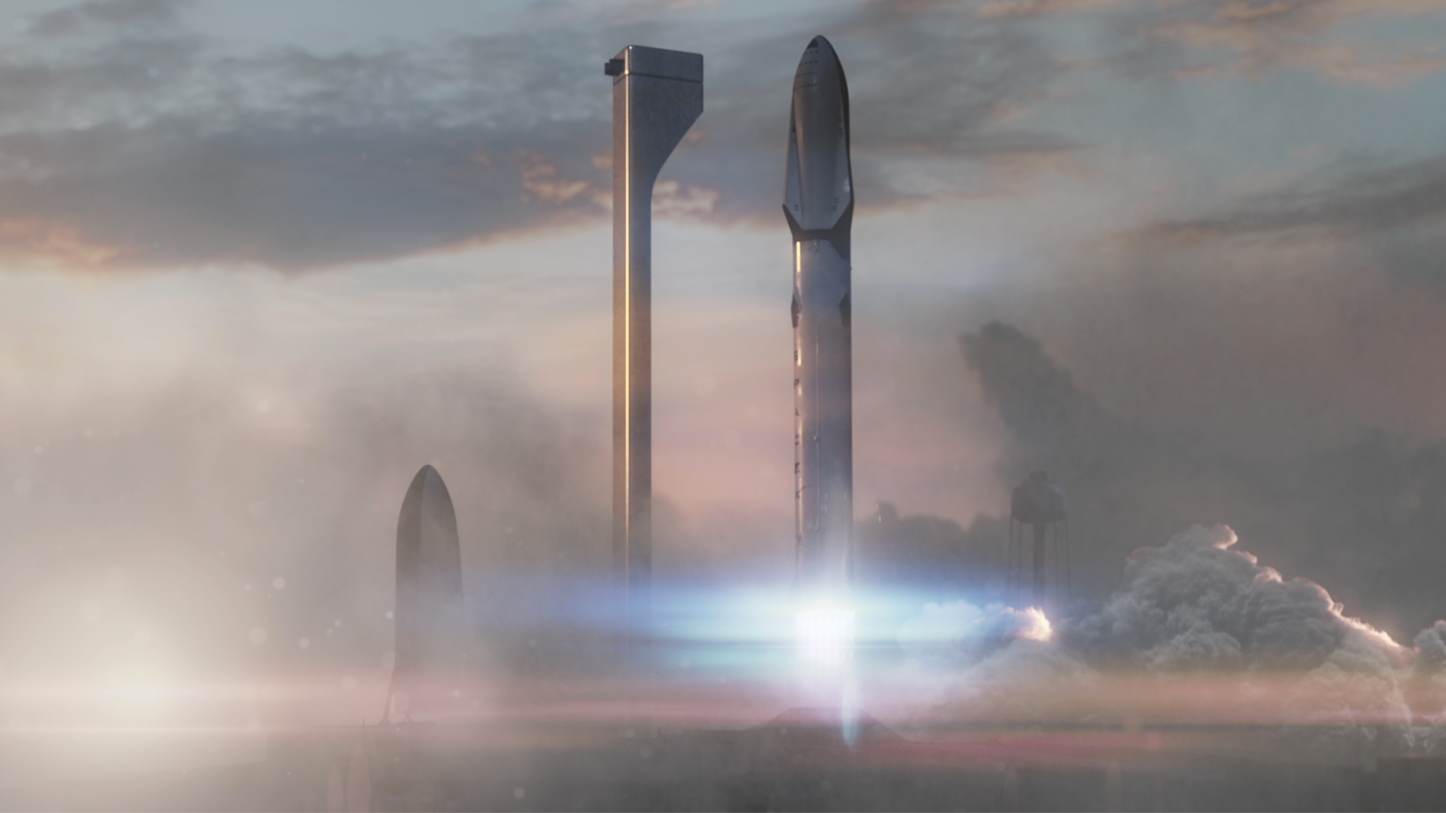
The space world is buzzing — and Elon Musk just shook the entire space industry with a bold strategic shift. For years, Mars has been SpaceX’s ultimate goal, the “big dream” that drives every Starship launch, every ambitious test, and every bold statement.
But now, Musk is redefining the mission.
Instead of Mars being the first destination, SpaceX is now focusing on the Moon, with a lunar city potentially coming in less than 10 years. This change isn’t just a tweak in planning — it could reshape the future of American aerospace and the global space race.
Why the Moon, Not Mars? The Time Factor Explained
It may sound unbelievable, but Musk’s new approach is rooted in time, distance, and competition. The Moon is much closer, easier to reach, and can be visited more frequently than Mars.
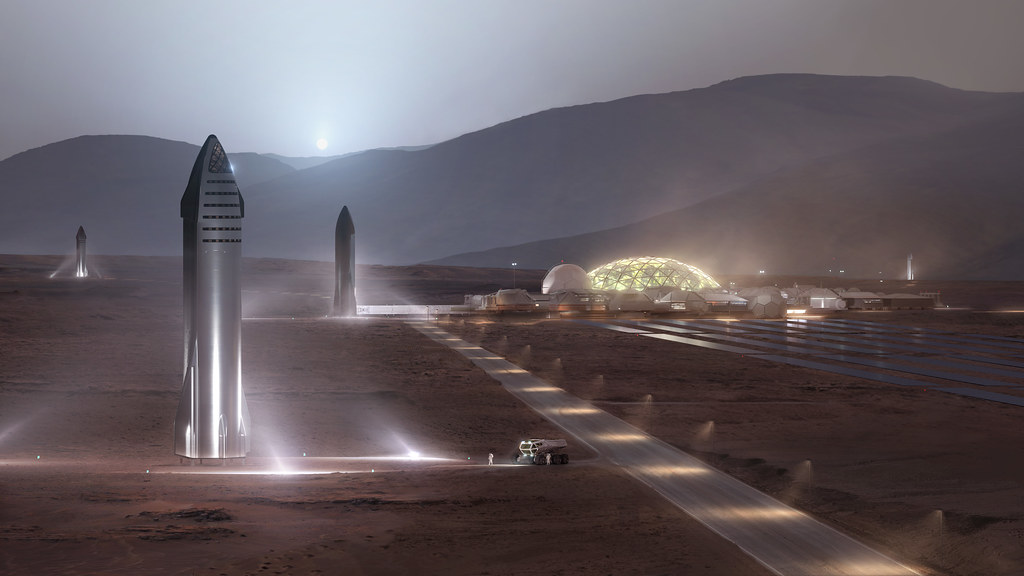
Here’s what Musk emphasized:
1. The Moon is Faster and More Practical
- Moon mission duration: ~2 days
- Mars mission duration: ~6 months
- Moon launch window: every 10 days
- Mars launch window: every 26 months
That means the Moon allows faster iteration, faster learning, and faster progress toward building a permanent human presence.
2. Mars is a Long-Term Goal
Musk’s vision of a Mars city remains unchanged — but it’s now delayed by 5–7 years, with Moon missions taking priority.
He explained that focusing too much on Mars could cause the Moon to be neglected, which could be disastrous considering China’s lunar ambitions.
3. The Moon is a Strategic Priority
China plans to have the International Lunar Research Station operational by 2035. Musk’s new timeline aims to ensure the US stays ahead.
What Changed? Musk’s Earlier Statement About the Moon
Just last year, Musk said the Moon was a “distraction”. SpaceX was even planning an uncrewed mission to Mars in 2026 or early 2027.
Now, that plan is shifting.
Why?
Because the global space landscape is evolving fast, and SpaceX must adapt or risk losing leadership.
What Is a “Mass Driver” on the Moon?
One of the most talked-about phrases from Musk’s recent announcement is:
“Mass driver on the Moon or bust.”
So what does that mean?
A mass driver is a proposed system that could launch objects from the Moon using electromagnetic acceleration, without relying on chemical rockets.
While Musk didn’t reveal full details, the goal is clear:
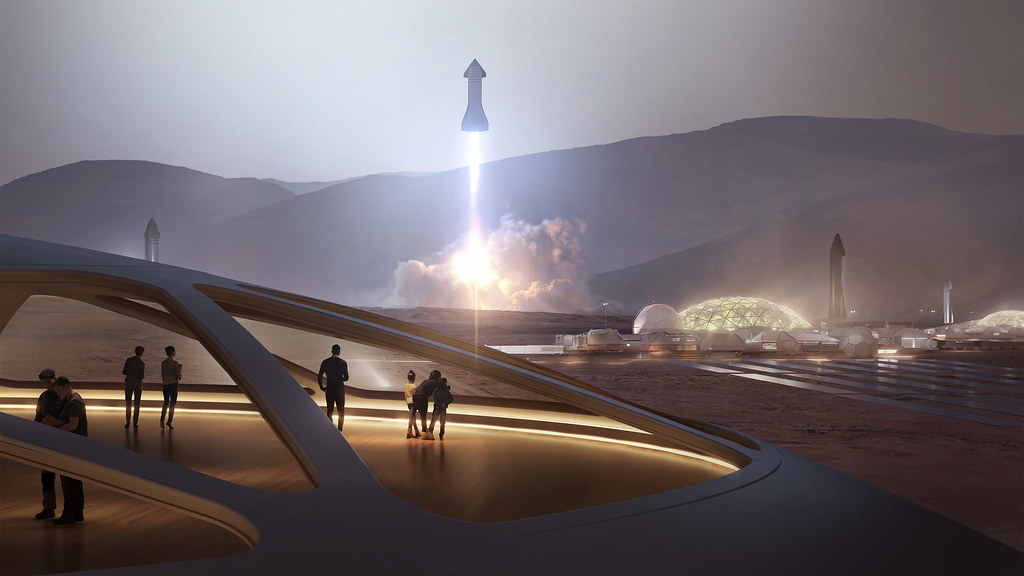
SpaceX wants unprecedented transportation capability in space.
This would support:
- Permanent lunar bases
- Moon factories
- Orbital infrastructure
- Long-term resource extraction
Why the Moon Shift Matters for SpaceX and the US
SpaceX’s Corporate Pressure
SpaceX faces new competition and scrutiny:
- NASA is allowing Blue Origin to compete for Artemis missions.
- Blue Origin paused New Shepard launches to focus on lunar development.
- SpaceX is under pressure to maintain the title of first company to land humans on the Moon.
This means SpaceX can’t afford delays.
National Strategy
From a national perspective, the Moon shift strengthens U.S. leadership in space.
NASA and contractors are aligning more closely than ever.
As Jared Isikman said, the U.S. will fully support contractors preparing for lunar missions.
What Does This Mean for SpaceX’s Lunar Timeline?
If the Moon is now the top priority, the timeline changes dramatically.
Uncrewed Moon Mission Target: March 2027
That’s a major shift, and it implies:
- Mars missions will be delayed
- Resources will be redirected to lunar infrastructure
If SpaceX successfully lands an uncrewed Starship on the Moon in 2027, a crewed lunar landing could follow as early as late 2027 or early 2028.
What About Mars? Is It Still Part of SpaceX’s Mission?
Yes — but Mars is now a secondary priority.
Musk clarified that SpaceX’s mission remains:
“Extend consciousness and life as we know it to the stars.”
However, the new timeline indicates:
- Mars city planning starts in 5–7 years
- Major milestones will first occur on the Moon
- Mars colonization could begin in the early 2030s
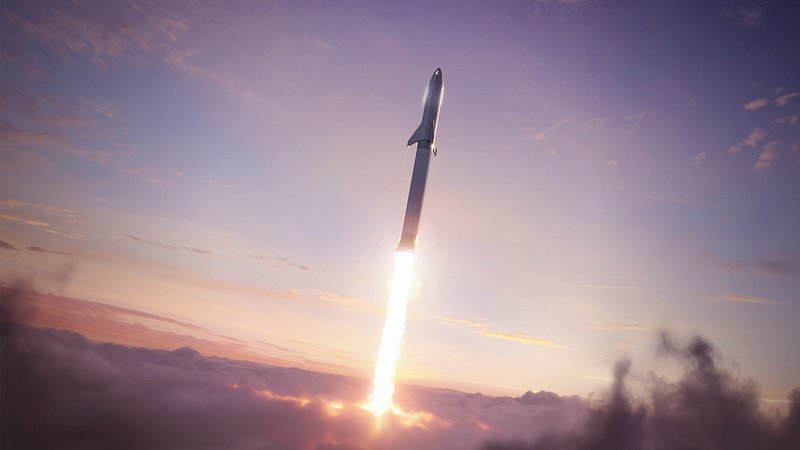
Why Mars Still Matters (Even If It’s Delayed)
Musk has said building a true Mars city could take:
20 to 40 years
That’s because Mars presents unique challenges:
- Distance and launch window limitations
- Human adaptation and survival
- Resource extraction and return capability
- Long-term travel logistics
Even if Mars is delayed, the ultimate goal remains unchanged.
China’s Space Progress: A Quiet but Powerful Rival
The space race isn’t just about SpaceX and the US anymore.
China is rapidly advancing in:
- Reusable spacecraft
- Lunar exploration
- Launch technology
Recently, China launched a reusable experimental spacecraft aboard a Long March 2F rocket, signaling major progress in reusable space systems.
Why this matters
China’s developments mean the U.S. and SpaceX must maintain a strategic lead, especially in:
- Lunar exploration
- Reusable spacecraft technology
- Space infrastructure
SpaceX’s Next Big Challenge: Proving Starship’s Capabilities
To make the Moon and Mars goals possible, SpaceX must prove Starship’s reliability.
The company is entering the Version 3 era, which requires successful testing of:
Core capabilities
- Orbital insertion
- Payload deployment
- Two-stage landings
After those are confirmed, SpaceX will move to:
- Orbital refueling
- Advanced propulsion systems
Flight 12 in March
Flight testing will intensify, and SpaceX must prove Starship can meet its ambitions.
Conclusion: Is This the Right Move?
SpaceX’s new Moon-first strategy is bold, strategic, and highly practical.
It reflects a growing reality:
- The Moon is closer, faster, and more feasible.
- Mars remains a long-term dream.
- Competition is rising — especially from China.
- SpaceX must maintain leadership now, not in 20 years.
So, is it the right move or a risky detour?
That’s for you to decide.
FAQs
1: Why is SpaceX delaying Mars to focus on the Moon?
SpaceX is prioritizing the Moon because it’s closer, easier to reach, and allows faster mission cycles. Musk believes a lunar city can be built within 10 years, while Mars could take 20+ years.
2: What is the “mass driver” Elon Musk mentioned?
A mass driver is a proposed system that could launch objects from the Moon using electromagnetic acceleration, reducing reliance on rockets. Musk has not revealed full details yet.
3: When is SpaceX planning an uncrewed Moon mission?
SpaceX is targeting March 2027 for an uncrewed Starship lunar landing demonstration.
4: Does this mean SpaceX is abandoning Mars?
No. Mars is still a core objective, but it will be delayed by about 5–7 years, with the Moon becoming the immediate priority.
5: Why is the Moon considered easier than Mars?
The Moon is much closer to Earth, with a 2-day trip time and frequent launch windows. Mars missions require a 6-month trip and only occur every 26 months.
6: Is the Moon shift related to competition from China?
Yes. China plans to have the International Lunar Research Station operational by 2035, so the U.S. wants to secure lunar leadership first.
7: What does this mean for NASA’s Artemis program?
SpaceX’s Moon-first approach strengthens NASA’s lunar goals and increases alignment between NASA and private contractors.
8: Could SpaceX still send humans to Mars in the future?
Yes. Musk stated that SpaceX will start Mars city planning in about 5–7 years, with potential progress in the early 2030s.
9: What is Starship’s Version 3 era?
Version 3 refers to the next generation of Starship tests focused on improving reliability, orbital insertion, and landing capabilities.
10: What are the biggest challenges of building a Mars city?
Major challenges include distance, human adaptation, resource extraction, return capability, and long-term travel logistics.
11: How does SpaceX plan to build a lunar city?
SpaceX aims to establish a permanent lunar base first, then develop manufacturing facilities, infrastructure, and advanced transportation systems.
12: Will SpaceX still perform Mars sample return missions?
Yes. Sample return missions are a key part of proving long-range capability and maintaining leadership over competitors.
13: What does Musk mean by “extend consciousness to the stars”?
This is Musk’s long-term vision of making humanity a multi-planetary species by establishing permanent settlements beyond Earth.
14: What is China’s reusable spacecraft program?
China has been testing reusable spacecraft similar to the US Space Force’s X-37B, focusing on repeated missions and on-orbit operations.
15: What is the significance of reusable spacecraft?
Reusable spacecraft reduce costs, increase launch frequency, and enable long-term space missions, which are critical for lunar and Mars colonization.
16: Why is SpaceX facing competition from Blue Origin?
NASA allowed Blue Origin to compete for lunar missions, increasing pressure on SpaceX to maintain its leadership in lunar landing technology.
17: What is the biggest takeaway from Musk’s Moon-first strategy?
The biggest takeaway is that SpaceX is prioritizing speed, feasibility, and strategic leadership. The Moon is now the stepping stone to Mars, not a distraction.
Read More:
- Tesla ends Full Self-Driving purchase option in the U.S.
- Tesla Model 2 $149 Month NO Subsidy! 2026 Lease + High Residual Value + LFP Battery Upgrades
- NASA announced Artemis 2 Rocket Problem Fixed for 2nd WDR Test! The Countdown Begins
- 2026 Tesla Model 2 $15,990 FINALLY Launch In US! What’s Inside & First Look?
- Tesla ramps up Sweden price war with cheaper Model Y offer
1 thought on “Wow! Elon Musk just Announced Delay Mars to send Starship to the Moon in 2027, Moonbase FIRST”