
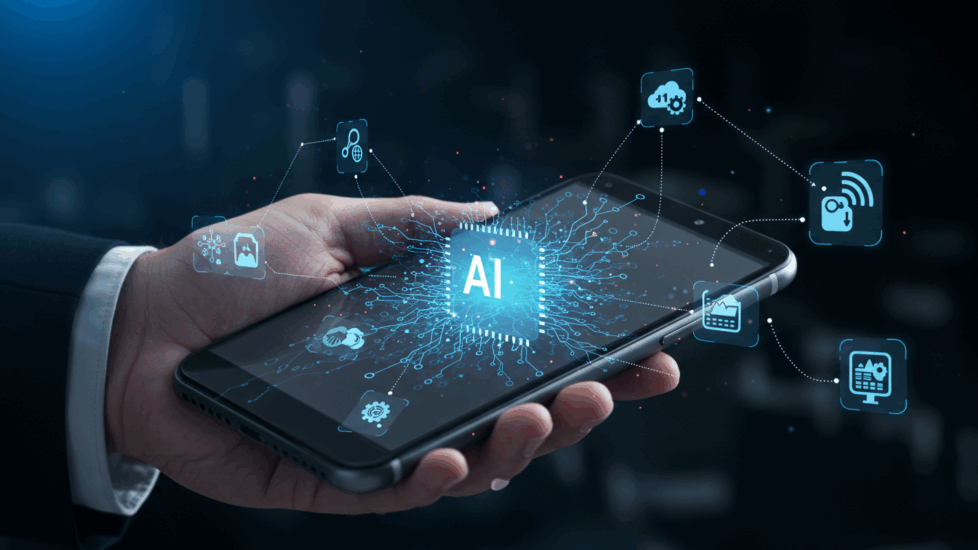
NEW Tesla Cell Phone ( Pi Phone ): Something fundamental is changing in the world of mobile communication. For decades, smartphones have depended on a simple formula: your phone connects to a nearby cell tower, and that tower connects you to the wider network. But the rise of Starlink Direct-to-Cell technology is challenging that architecture.
Instead of relying entirely on terrestrial infrastructure, compatible smartphones can increasingly communicate with satellites in low-Earth orbit (LEO). This development has also fueled renewed interest in the rumored Tesla Pi Phone, a concept often associated with Starlink connectivity, Grok AI, and tower-free communication.
The bigger story, however, may not be about a new piece of hardware. It could be about transforming the smartphone into an always-connected AI device powered by orbital infrastructure.
The Death of the Mobile Dead Zone
Traditional mobile networks have an obvious limitation: cell towers have to be somewhere. A smartphone sends its signal to a terrestrial tower, which then routes information through ground-based networks.
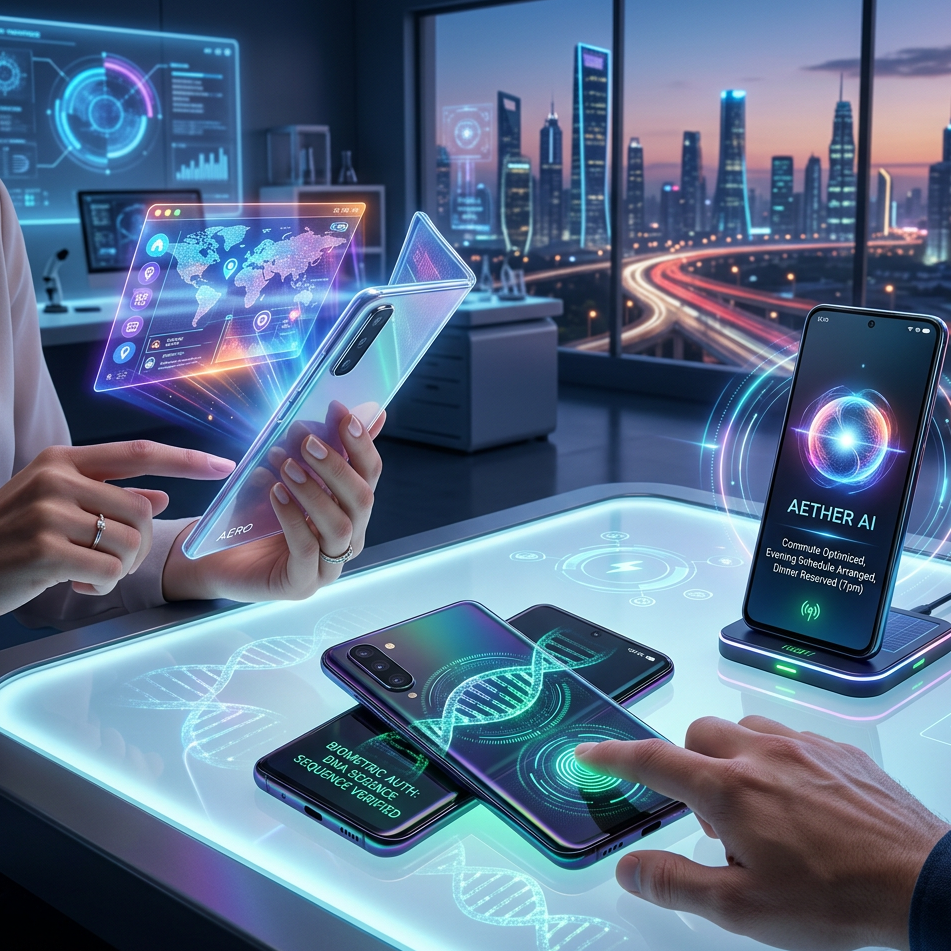
That works extremely well in cities and populated areas. But problems appear when people travel into mountains, forests, deserts, oceans, or disaster zones.
When there is no tower within range, conventional cellular connectivity can disappear.
Space Becomes the New Cell Tower
Direct-to-cell satellite technology changes the relationship between a smartphone and the network.
Instead of sending a signal to a tower a few miles away, a compatible handset can communicate with a satellite hundreds of kilometers above Earth. These LEO satellites move rapidly across the sky, creating a constantly changing network overhead.
The result is potentially a much broader coverage model—one that is less dependent on the location of physical towers.
No Special Satellite Phone Required
One of the most important advantages of direct-to-cell technology is that it aims to work with ordinary smartphones.
Users do not necessarily need a traditional satellite phone, large external antenna, or bulky specialized equipment. The satellite network is designed to communicate with cellular devices using technologies such as LTE and evolving 5G Non-Terrestrial Network (NTN) standards.
This could make satellite connectivity far more accessible to everyday consumers.
Connectivity During Emergencies
Satellite networks could also become extremely valuable during natural disasters and infrastructure failures.
Earthquakes, hurricanes, floods, wildfires, and other emergencies can damage cell towers, fiber connections, and electrical infrastructure. An orbital network operates above much of this physical damage.
That does not mean satellite connectivity is immune to every disruption, but it creates an additional communications layer when conventional infrastructure becomes unavailable.
Tech Giants Are Moving Toward Satellite Connectivity
The shift toward satellite communication is not limited to SpaceX. Major smartphone manufacturers and telecommunications companies are also exploring satellite-to-phone connectivity.
The strategic direction is clear: satellite communication is moving from a niche emergency feature toward a potentially important part of the consumer mobile experience.
Samsung’s Satellite Strategy
Samsung has increasingly incorporated satellite-related capabilities into its broader mobile ecosystem. Rather than building its own satellite constellation, the company can work with telecommunications partners and satellite operators.
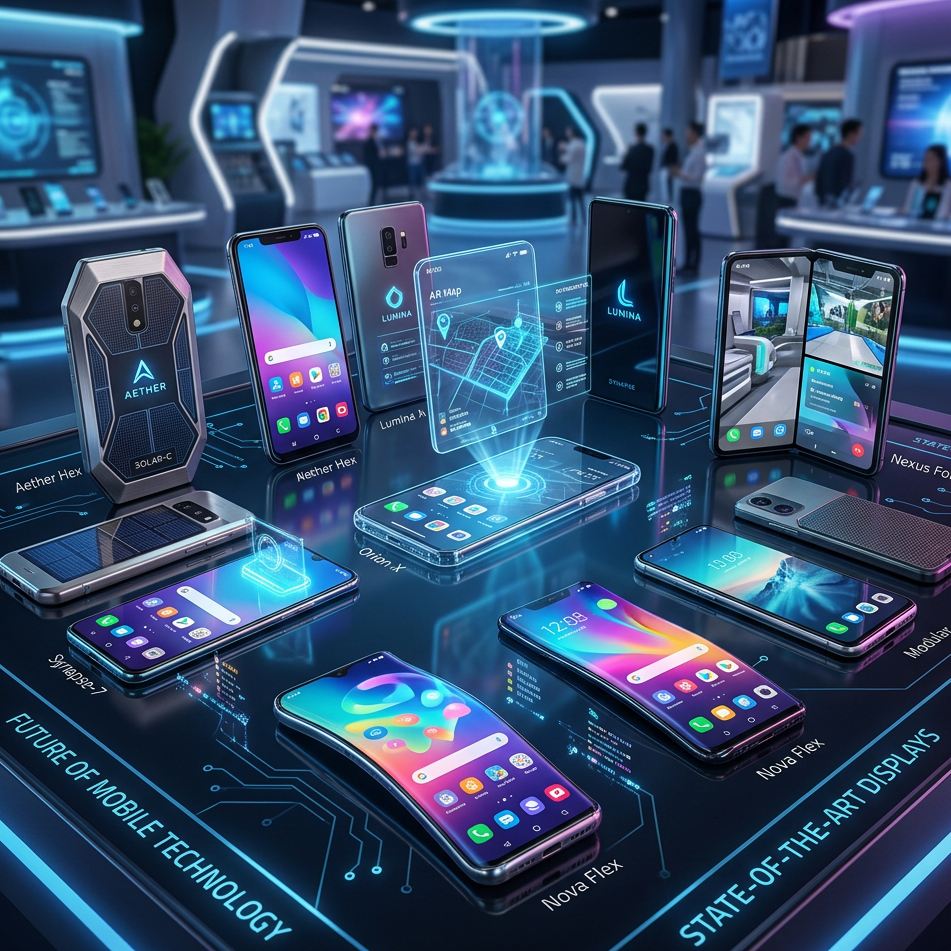
This approach allows Galaxy smartphones to potentially benefit from satellite infrastructure without Samsung having to operate an orbital fleet itself.
The major advantage is scale. If satellite connectivity becomes integrated into carrier networks, consumers could eventually move between terrestrial towers and satellites depending on where they are.
Apple’s Non-Terrestrial Network Future
Apple also began its satellite journey primarily through emergency communication, but the long-term opportunity is considerably larger.
Future generations of smartphones could expand satellite connectivity into everyday services such as:
- Satellite messaging
- Emergency communication
- Navigation in remote areas
- Location-based services
- Photo and media sharing
- Data connectivity outside conventional cellular coverage
The key development is the transition from satellite connectivity being an emergency backup to becoming a regular communications layer.
Starlink Direct-to-Cell Could Change the Smartphone
The real significance of Starlink Direct-to-Cell is not simply that phones can reach satellites. It is the possibility of creating a continuous global connectivity layer.
Today, mobile coverage resembles a patchwork of terrestrial infrastructure. Tomorrow, that model could become hybrid.
A smartphone might connect to a traditional cell tower when one is available. When the user moves outside terrestrial coverage, the device could potentially switch to a satellite connection.
Seamless Connectivity Everywhere
This creates the possibility of a smartphone that remains connected across dramatically different environments.
Imagine driving through a remote highway, hiking in a wilderness area, sailing offshore, or traveling through a region where terrestrial infrastructure is damaged.
Instead of seeing “No Service,” the phone could potentially establish a connection through an orbital network.
That is the fundamental promise behind direct-to-cell satellite technology.
Grok AI and the Rise of the AI Phone
Satellite connectivity represents one side of the equation. Artificial intelligence could represent the other.
Elon Musk’s Grok AI points toward a future in which smartphones are not simply communication devices but intelligent systems capable of helping users perform increasingly complex digital tasks.
Instead of opening multiple applications and manually completing every step, an AI assistant could potentially understand an objective and coordinate the required actions.
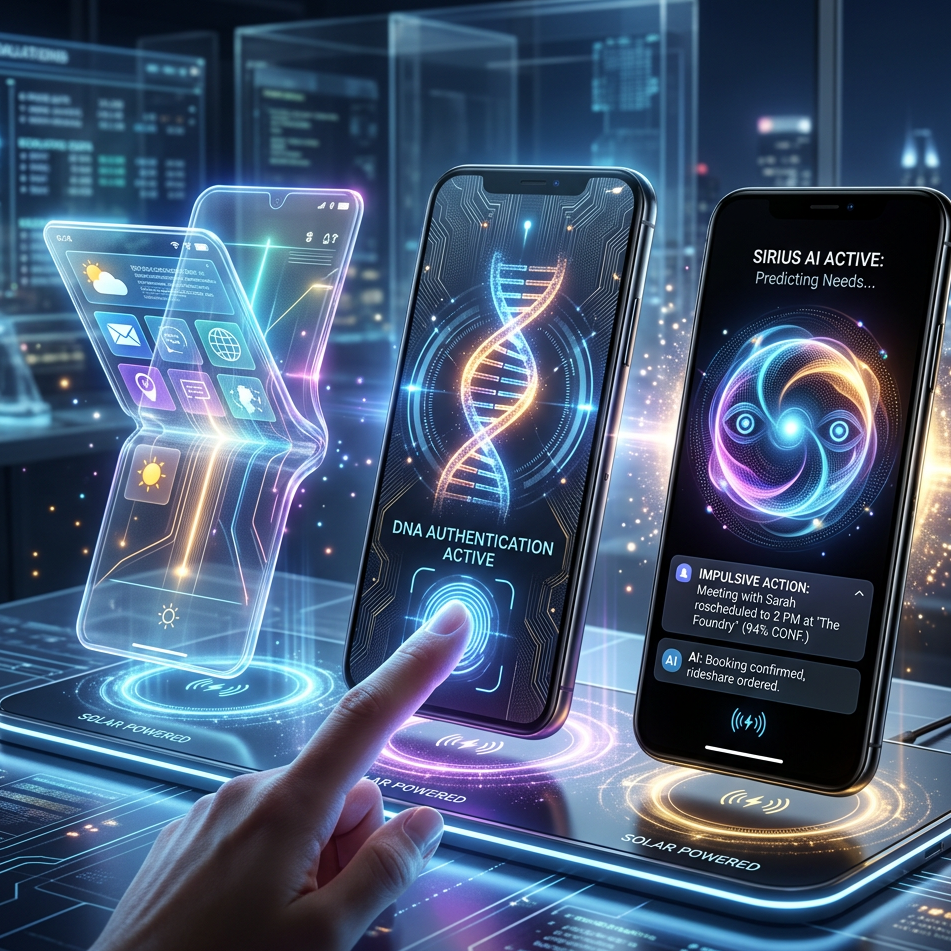
From Smartphone to AI Agent
Consider the difference between a traditional smartphone and an AI-centric device.
A traditional phone gives you applications. An AI-centric phone could give you capabilities.
You might ask an intelligent assistant to research information, organize documents, write content, analyze data, manage schedules, or coordinate digital tasks.
When that intelligence is combined with persistent satellite connectivity, the concept becomes even more interesting.
The device could potentially have access to communication and AI services even when conventional cellular infrastructure is unavailable.
The Tesla Pi Phone: Two Possible Futures
The rumored Tesla Pi Phone has generated years of speculation, but the most interesting possibility may not be a conventional smartphone competing directly with the iPhone or Galaxy.
There are two broad ways to imagine the Tesla phone concept.
Theory 1: The Ambient Tesla Phone
The first possibility is that Tesla does not need to release a completely new smartphone.
Instead, existing smartphones could gradually become part of an ecosystem powered by Starlink connectivity and AI services.
Under this model, the physical phone becomes less important. Your iPhone or Galaxy could still be the hardware in your hand, while the connectivity and intelligence come from external infrastructure.
In this scenario, the phrase “Tesla Phone” could describe an ecosystem rather than a specific piece of hardware.
Theory 2: Dedicated Tesla Hardware
The second possibility is a completely new Tesla device.
A dedicated phone could theoretically combine satellite communication, custom silicon, AI processing, and Tesla software into a single platform.
Such hardware could be designed from the beginning around direct-to-satellite connectivity instead of treating it as an optional feature.
However, this remains speculative. There is no confirmed consumer Tesla smartphone that establishes these rumored specifications as fact.
The Dual-Stack Future: Satellites + AI
The most important idea is the convergence of two technologies.
On one side is orbital connectivity—satellites capable of extending communications beyond traditional cell towers.
On the other is advanced AI capable of becoming the primary interface between humans and digital services.
Together, these technologies could redefine what consumers expect from a smartphone.
The phone would no longer be merely a piece of glass and metal connected to the nearest tower. It could become a mobile AI terminal connected to a global communications network.
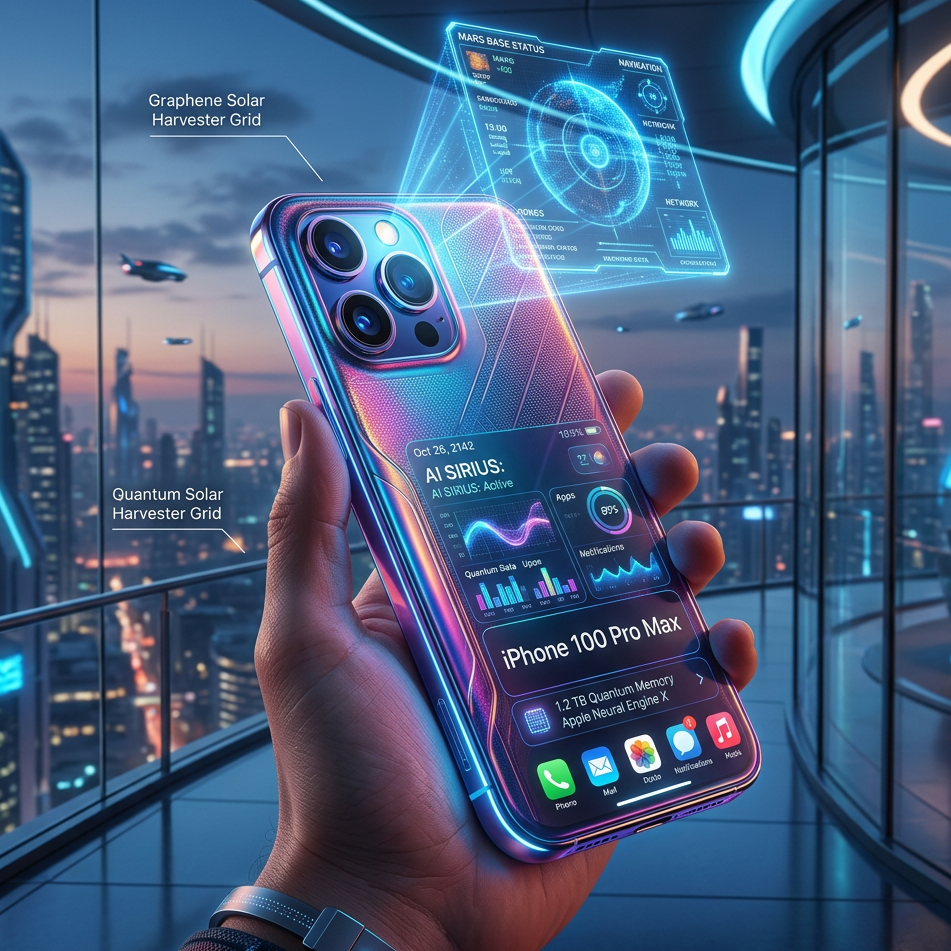
What the Future of Mobile Communication Could Look Like
The mobile industry is moving toward a more distributed architecture.
Terrestrial cell towers will remain extremely important because they provide high-capacity connectivity in populated areas. Satellites are unlikely to simply make traditional cellular infrastructure disappear.
Instead, the future may be a hybrid network in which towers, satellites, Wi-Fi, and AI services work together.
For consumers, the biggest benefit could be simple: fewer dead zones and smarter devices.
The rumored Tesla Pi Phone is therefore interesting not only because of the possibility of new hardware, but because it represents a broader technological idea.
The Phone May Become Less Important
The most radical future may be one where the identity of the physical smartphone matters less.
Whether someone holds a Tesla-branded device, an iPhone, or a Galaxy phone, the underlying experience could increasingly depend on orbital networks and artificial intelligence.
Starlink can potentially provide the connectivity layer. AI systems such as Grok could provide the intelligence layer. Smartphones could become the interface connecting people to both.
That is why the Tesla Pi Phone concept is bigger than a rumored device. It represents a possible shift from a hardware-centric smartphone industry to a network-and-AI-centric ecosystem.
The next generation of mobile technology may not be defined simply by faster processors, better cameras, or thinner screens. It could be defined by whether your phone can stay connected anywhere and intelligently help you accomplish almost anything.
And in that future, the most important technology may not be in your hand at all—it may be orbiting above you.
FAQs
1. What is the Tesla Pi Phone?
The Tesla Pi Phone is a rumored smartphone concept associated with Tesla and Elon Musk. While there has been widespread online speculation about its features, Tesla has not officially confirmed a consumer smartphone with the rumored specifications.
2. Will the Tesla Pi Phone use Starlink?
One of the most discussed possibilities is Starlink satellite connectivity. A future Tesla device could potentially take advantage of SpaceX’s Direct-to-Cell technology, although there is currently no official confirmation of a Tesla-branded phone with built-in Starlink service.
3. What is Starlink Direct-to-Cell?
Starlink Direct-to-Cell is a satellite connectivity technology designed to allow compatible cellular devices to communicate with satellites in low-Earth orbit. Its goal is to extend connectivity into areas where traditional cell towers are unavailable.
4. Can a normal smartphone connect to Starlink satellites?
Direct-to-cell technology is designed to work with compatible cellular smartphones without requiring a traditional satellite phone or large external antenna. Availability and supported services depend on the device, network operator, satellite service, and location.
5. Will the Tesla Pi Phone work without cell towers?
A future Tesla phone using direct-to-cell satellite technology could potentially communicate without a nearby terrestrial cell tower. However, satellite connectivity has technical limitations and should not be interpreted as unlimited connectivity everywhere.
6. What is Grok AI?
Grok AI is an artificial intelligence system developed by xAI. It is designed to provide conversational assistance, reasoning, information processing, and other AI capabilities. Its potential integration into future devices is one reason it is frequently mentioned alongside Tesla phone speculation.
7. Could the Tesla Pi Phone have Grok AI built in?
It is possible that a future Tesla-branded device could integrate Grok AI, but this remains speculative. There has been no official announcement confirming a Tesla phone with a dedicated Grok-powered operating system or hardware.
8. What would make a Tesla Pi Phone different from an iPhone or Samsung Galaxy?
The biggest rumored difference would be its potential focus on satellite connectivity, AI integration, and the Tesla ecosystem. Traditional smartphones already offer advanced cameras, 5G, AI features, and some satellite services, so any Tesla device would need a meaningful ecosystem advantage.
9. Will satellite connectivity eliminate dead zones?
Satellite connectivity could significantly reduce some traditional mobile dead zones, particularly in remote areas. However, mountains, buildings, weather, network capacity, device compatibility, and other environmental factors can still affect satellite communication.
10. Can Starlink satellites provide internet directly to smartphones?
Direct-to-cell satellite systems are intended to provide connectivity directly to compatible cellular devices. The exact capabilities can vary by service and deployment, with messaging and basic connectivity generally easier to support than high-bandwidth applications.
11. Could the Tesla Pi Phone work anywhere in the world?
A future satellite-connected phone could potentially provide coverage across large geographic areas, but global availability is not guaranteed. Regulatory approvals, satellite coverage, carrier agreements, service plans, and local restrictions can affect where satellite services work.
12. Will the Tesla Pi Phone replace traditional cell towers?
It is unlikely that satellites will completely replace cell towers. Terrestrial networks offer much greater capacity in densely populated areas, while satellites can complement them by providing coverage in remote and underserved locations.
13. Could the Tesla Pi Phone work during natural disasters?
Satellite communication could provide an important backup communication option during disasters when terrestrial towers or electrical infrastructure are damaged. However, satellite service is not guaranteed during every emergency and can still be affected by physical or network conditions.
14. Is the Tesla Pi Phone officially confirmed?
The Tesla Pi Phone remains largely a subject of online speculation. Many websites and social media posts discuss potential specifications and release dates, but consumers should distinguish rumors from officially announced Tesla products.
15. What is the future of smartphones with Starlink and AI?
The future could involve smartphones that combine terrestrial cellular networks, satellite connectivity, and advanced AI assistants. Rather than relying exclusively on cell towers, phones may increasingly switch between different connectivity layers while AI becomes a more powerful interface for completing digital tasks.
Read More:
- Tesla 100GW Solar Factory First Look SHOCKING The World
- SpaceX tells the FCC that Starship Flight 14 is going to orbit
- Tesla Cybercab event gains steam ahead of massive launch
- Tesla Model Y L gets suspension complaints in over odd issue China
- SpaceX Ready to Make Massive Surprise in Starship Flight 15, Totally Destroys the Industry