
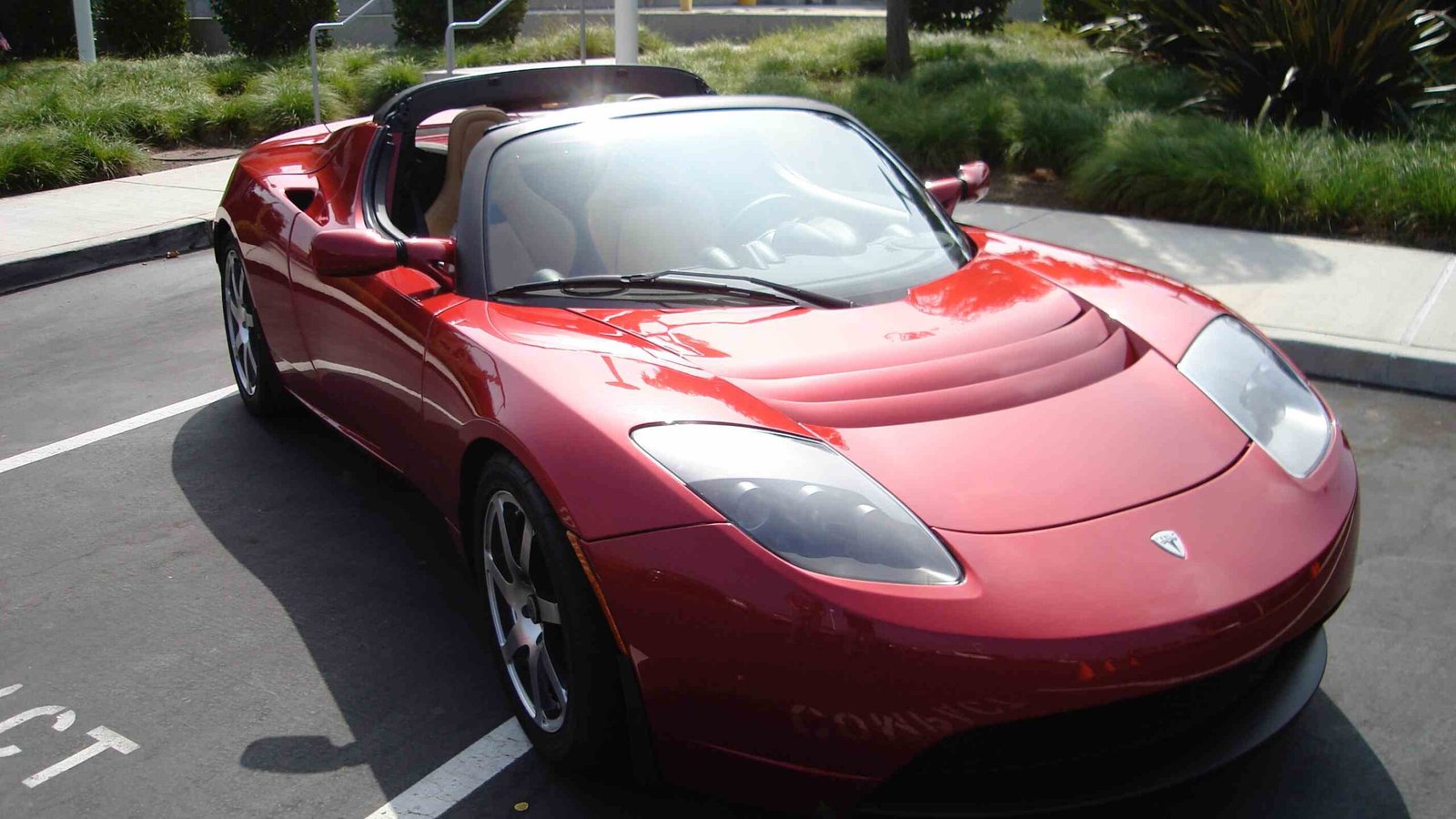
Tesla Roadster 2.0 OFFICIALLY FLYING! BIG Reveal Confirmed: The Tesla Roadster 2.0 has spent years sitting at the intersection of futuristic engineering, ambitious promises, and intense automotive speculation. First unveiled in late 2017, the second-generation Roadster was originally presented as an electric sports car capable of accelerating from 0 to 60 mph in just 1.9 seconds. Since then, Tesla’s ambitions for the car have reportedly grown even more extreme.
The latest vision surrounding the Roadster goes far beyond conventional electric-car performance. Claims of sub-one-second acceleration, SpaceX-inspired cold-air thrusters, advanced aerodynamics, and a futuristic drive-by-wire steering system have transformed the Roadster 2.0 from an electric sports car into a potential electric hypercar.
With Tesla continuing to tease the vehicle and its future reveal, the biggest question is no longer simply how fast the Roadster could be. The real question is whether Tesla can overcome the enormous engineering and physics challenges required to make those numbers practical in a production car.
Tesla Roadster 2.0: More Than Just Speed
Building a car that can accelerate incredibly quickly requires much more than installing a powerful battery and electric motors.
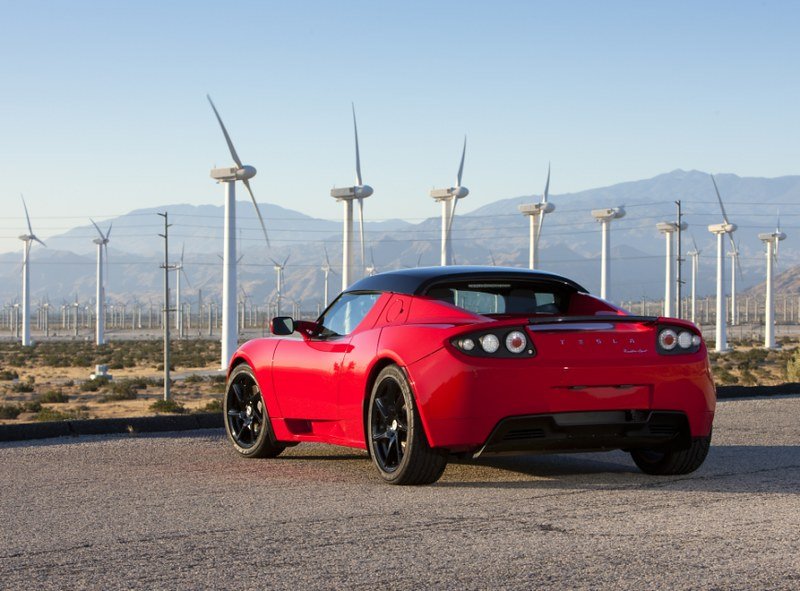
At extreme performance levels, virtually every component becomes a limitation. The motors must survive extraordinary rotational speeds, the inverter must deliver enormous amounts of electrical power almost instantly, and the tires must transfer that power to the road without losing traction.
The Roadster’s proposed technology suggests Tesla is attempting to solve these problems as one interconnected system.
1. High-Speed Electric Motors
One of the most important challenges is the electric motor itself.
As an electric motor spins faster, centrifugal forces increase dramatically. The rotor’s internal components experience enormous outward forces, creating a serious risk of mechanical failure.
Traditional electric motors use metal structures to secure the rotor and its magnets. However, these structures can interfere with the motor’s magnetic field and reduce efficiency.
Tesla has explored the use of carbon-fiber-wrapped rotors to address this problem. A high-strength composite sleeve can help contain the rotor as it spins at extremely high RPM while minimizing interference with the magnetic flux.
This technology becomes especially important if Tesla wants the Roadster to achieve sub-one-second acceleration. Simply increasing electrical power is not enough. The motor itself has to survive the physical forces created by that power.
2. Hybrid Inverters and Extreme Power Delivery
The second major challenge is getting enormous amounts of electricity from the battery to the motors quickly and efficiently.
An EV battery produces direct current (DC), while the electric motor generally requires alternating current (AC). The inverter sits between these systems and controls how electrical energy reaches the motor.
For a vehicle like the Roadster, the inverter has two very different jobs.
Efficiency Versus Maximum Power
During normal cruising, the inverter needs to operate efficiently to reduce energy losses and maximize driving range.
During a full-power launch, however, the system must suddenly process hundreds of kilowatts while controlling heat and electrical stress.
Advanced semiconductor technologies such as silicon carbide (SiC) can help improve efficiency and power management. A sophisticated inverter architecture could allow the Roadster to switch between efficient everyday driving and extreme bursts of acceleration.
In other words, the inverter becomes the electrical gatekeeper between the battery and the wheels.
3. The Biggest Limitation: Tire Traction
Even the world’s most powerful electric motor cannot overcome the laws of physics.
The Roadster’s ultimate acceleration is limited by the amount of traction available between its tires and the road.
A simplified performance chain looks like this:
Motor Torque → Inverter Power → Tire Grip → Acceleration
The problem is particularly severe at launch. Conventional aerodynamic wings generate meaningful downforce only after a vehicle begins moving at significant speed. At zero or very low speed, a normal spoiler cannot generate enough downforce to dramatically increase tire grip.
Active Downforce Could Change the Launch
This is where futuristic aerodynamic technology becomes particularly interesting.
Tesla has discussed concepts involving active aerodynamic systems and potentially fan-assisted downforce. By manipulating airflow beneath the vehicle, a system could theoretically create a low-pressure area underneath the chassis.
Atmospheric pressure would then push the vehicle downward, increasing the load on the tires without requiring massive additional physical weight.
Such technology could provide additional traction during acceleration, potentially helping an extremely powerful electric drivetrain put its torque onto the road.
At higher speeds, active aerodynamic components could then adjust their configuration to improve stability while reducing aerodynamic drag.
4. Drive-By-Wire Steering and the Yoke
The Roadster 2.0 is also expected to rethink how the driver controls the car.
Elon Musk has indicated that the vehicle could feature drive-by-wire steering combined with a steering yoke rather than a traditional mechanical steering wheel and column.
In a conventional vehicle, the steering wheel is mechanically connected to the steering rack. Turning the wheel physically moves the front wheels.
With drive-by-wire technology, sensors detect the driver’s steering input and send electronic signals to control units and steering actuators.
Variable Steering for Different Speeds
One potential advantage is that steering response can be electronically adjusted according to vehicle speed.
At low speeds, a small yoke movement could create a relatively large steering angle, making parking and tight turns easier.
At high speeds, the same input could produce a much smaller wheel movement. This could reduce the possibility of sudden over-steering or excessive steering corrections.
However, removing the traditional mechanical connection introduces a major requirement: redundancy and fail-safe engineering.
Sensors, electronic control systems, actuators, and software would all need multiple layers of protection to ensure reliable operation.
5. Why Is the Tesla Roadster Taking So Long?
The long development period has become one of the defining stories surrounding the Roadster 2.0.
One explanation is that Tesla’s performance target appears to have continually evolved.
The Target Keeps Getting More Extreme
The original Roadster promise centered around 1.9-second 0–60 mph acceleration. Later discussions pushed the concept toward sub-second acceleration and even more advanced technologies.
That means Tesla is not simply finishing the same vehicle originally shown in 2017. The company appears to be pursuing a much more technically ambitious product.
Production Validation Takes Time
There is also a huge difference between achieving an impressive result with a prototype and building thousands of vehicles that can repeatedly deliver that performance.
A production Roadster would need extensive testing for durability, safety, reliability, thermal management, software, braking, tires, aerodynamics, and legal compliance.
A Low-Volume Halo Vehicle
The Roadster is also expected to be a low-volume halo car rather than a mass-market vehicle.
Developing specialized components and production processes for a small number of vehicles is expensive. Tesla has simultaneously been working on much larger projects designed for global scale.
Programs involving vehicles such as the Tesla Semi, Cybercab and Optimus have potentially competed for engineering resources and manufacturing attention.
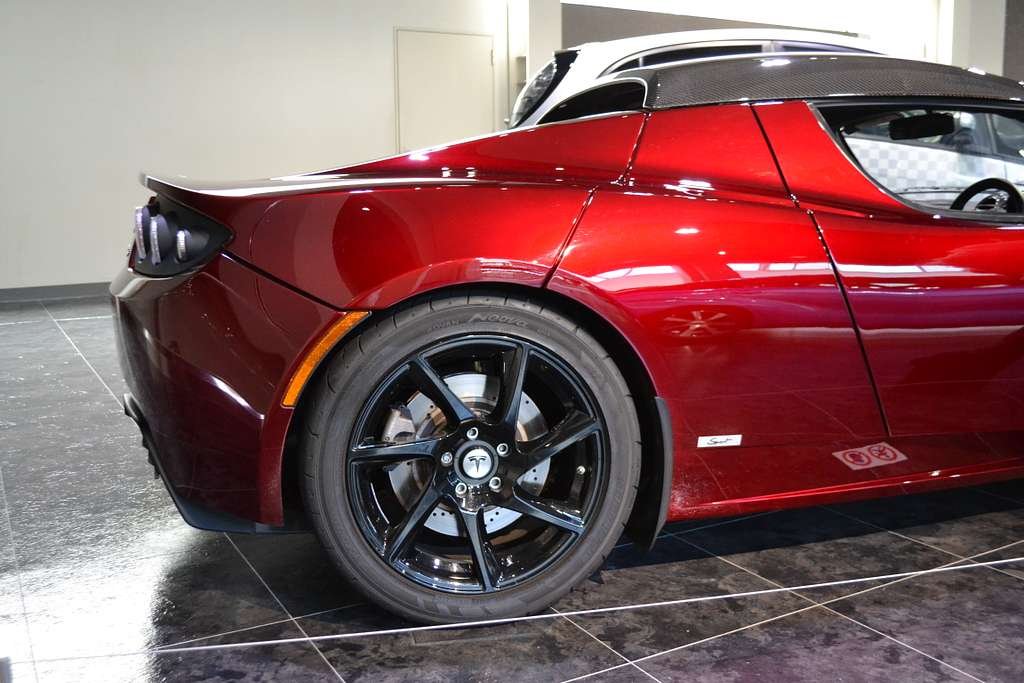
The Ultimate Tesla Halo Car
The Tesla Roadster 2.0 is shaping up to be much more than a fast electric sports car.
Its biggest technological challenge is not any single component. It is the integration of multiple extreme systems into one reliable, street-legal vehicle.
The electric motors must survive extraordinary RPM. The inverter must manage huge power demands. The tires need enough grip to handle the acceleration. Advanced aerodynamics could provide additional downforce, while drive-by-wire technology could fundamentally change the way the car is controlled.
If Tesla manages to bring all of these technologies together in a production-ready package, the Roadster 2.0 could become one of the most technically ambitious electric hypercars ever produced.
The original 2017 announcement created the hype. The next reveal will have to prove that Tesla can turn those extraordinary promises into real-world automotive engineering.
For enthusiasts, that is what makes the Tesla Roadster 2.0 so fascinating: the story is no longer just about how fast an electric car can go. It is about how far Tesla can push the boundaries of electric performance, aerodynamics, software, and vehicle control.
FAQs
1. What is the Tesla Roadster 2.0?
The Tesla Roadster 2.0 is Tesla’s second-generation electric sports car, first unveiled in 2017. It is designed to deliver extreme acceleration, high-speed performance, advanced aerodynamics, and futuristic vehicle technology.
2. How fast can the Tesla Roadster 2.0 accelerate?
The original Tesla Roadster 2.0 target was 0–60 mph in 1.9 seconds. More recent discussions surrounding the car have suggested an even more ambitious goal of sub-one-second acceleration, although this remains a challenging engineering target.
3. Is the Tesla Roadster 2.0 officially flying?
The phrase “flying” refers to the Roadster’s proposed SpaceX-inspired thruster technology and extreme performance, rather than a conventional flying-car capability. The concept has been associated with cold-air thrusters designed to potentially improve acceleration and handling.
4. Will the Tesla Roadster 2.0 use SpaceX-inspired thrusters?
Tesla has discussed the possibility of using cold-air thrusters inspired by SpaceX technology. Such a system could potentially provide additional thrust and help improve acceleration or vehicle control, but its final production implementation remains an important question.
5. What is the biggest challenge for the Tesla Roadster’s acceleration?
One of the biggest challenges is tire traction. Even if the electric motors can generate enormous torque, the tires must be able to transfer that power to the road without excessive wheelspin.
6. How could active aerodynamics improve the Roadster 2.0?
Advanced active aerodynamics could increase downforce when additional tire grip is needed while reducing aerodynamic drag at higher speeds. Potential fan-assisted systems could theoretically generate downforce even at relatively low speeds.
7. What type of electric motors could the Tesla Roadster use?
The Roadster is expected to require extremely high-performance electric motors capable of operating at very high RPM. Carbon-fiber-wrapped rotor technology could help strengthen the rotor and allow it to withstand enormous centrifugal forces.
8. Why are carbon-fiber-wrapped rotors important for the Roadster?
At extremely high rotational speeds, centrifugal forces can place enormous stress on a motor’s rotor. A carbon-fiber sleeve can help contain the rotor while potentially minimizing interference with the motor’s magnetic field.
9. What role does the inverter play in the Tesla Roadster 2.0?
The inverter acts as an electrical gatekeeper between the battery and electric motors. It converts the battery’s DC electricity into the AC power required by the motors while controlling power delivery, efficiency, and heat.
10. Could the Roadster use silicon-carbide inverters?
Advanced silicon-carbide (SiC) semiconductor technology could help improve inverter efficiency and power management. This would be particularly valuable for a vehicle that needs both efficient cruising and extremely high power during acceleration.
11. Will the Tesla Roadster 2.0 have drive-by-wire steering?
The Roadster has been associated with the possibility of drive-by-wire steering, where electronic sensors and actuators replace the traditional direct mechanical connection between the steering wheel and front wheels.
12. What is the advantage of drive-by-wire steering?
Drive-by-wire could allow Tesla to electronically adjust steering sensitivity according to vehicle speed. This could make steering easier at low speeds while providing more controlled responses at high speeds.
13. Why might the Tesla Roadster use a steering yoke?
A steering yoke could complement the Roadster’s drive-by-wire system and futuristic interior design. Electronic steering allows the relationship between driver input and wheel movement to be adjusted through software.
14. Why has the Tesla Roadster 2.0 taken so long to reach production?
The Roadster’s development has taken years partly because its performance ambitions have become increasingly ambitious. Tesla would need to validate motors, batteries, inverters, tires, braking, aerodynamics, thermal management, software, safety systems, and reliability before producing the car at scale.
15. Could the Tesla Roadster 2.0 become an electric hypercar?
Yes, the Roadster 2.0 is being positioned as potentially much more than a conventional electric sports car. If Tesla successfully combines extreme acceleration, advanced aerodynamics, high-speed electric motors, drive-by-wire controls, and SpaceX-inspired technology, it could become one of the most technically ambitious electric hypercars ever produced.
Read More:
- Why SpaceX is finishing another space-internet system that isn’t Starlink
- Elon Musk’s companies made up with Apple but OpenAI still on the hook
- NEW Tesla Battery Threat: Sodium-Ion & Aluminum-Ion Could Change EVs Forever
- Wow! Tesla Bot Gen 3 Finally Learning To Cook A Meal
- Tesla gives the Roadster an official “Go for launch” demonstration date
1 thought on “Tesla Roadster 2.0 OFFICIALLY FLYING! BIG Reveal Confirmed”