
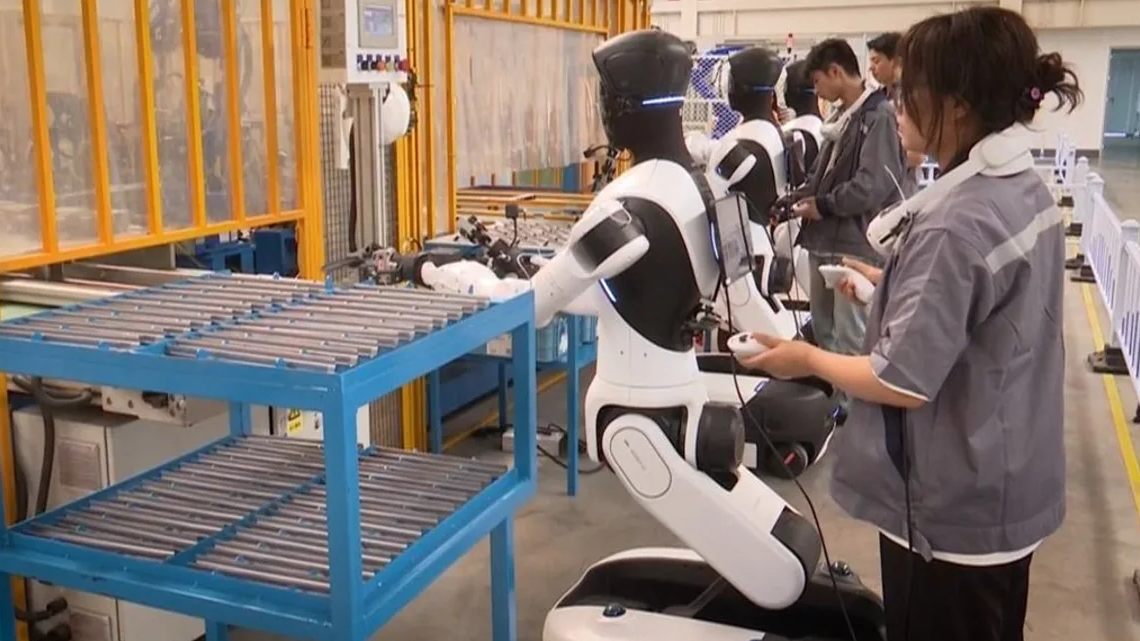
Tesla Reveals Major New Optimus Robot Update 2027: The future of robotics, autonomous transportation, and space exploration is moving closer to reality as Elon Musk’s companies continue developing technologies designed to transform everyday life. From Tesla Optimus humanoid robots equipped with advanced tactile sensors to the expansion of CyberCab robotaxis, SpaceX’s satellite-powered mobile network ambitions, and Starship’s upcoming tower-catch attempt, several major developments are attracting worldwide attention.
Among these innovations, Tesla’s latest patent for a three-dimensional tactile sensor stands out because it could help humanoid robots perform delicate tasks with greater precision. Meanwhile, SpaceX is exploring new ways to expand mobile connectivity, Tesla is scaling its autonomous transportation services, and Starship is progressing toward a more ambitious reusable rocket system.
These developments highlight a common goal: making advanced technology practical, scalable, and economically useful.
1. Tesla Optimus Robot: A Major Breakthrough in Touch Technology
Tesla Develops a New Tactile Sensor System
Humanoid robots have made impressive progress in walking, balancing, and navigating complex environments. However, performing useful physical work requires much more than movement. Robots must also manipulate objects, recognize pressure, and adjust their grip without damaging the items they handle.
Tesla is addressing this challenge through a patent titled “Three-Dimensional Soft Compliant Array Tactile Sensor.” The proposed technology is designed to give the Optimus robot a more sophisticated sense of touch.
For Elon Musk’s humanoid robot project, the hands and forearms represent particularly challenging engineering components. Human hands combine numerous joints, tendons, muscles, and sensory receptors in a compact structure. Reproducing these capabilities in a robot requires advanced mechanical design, reliable electronics, and intelligent software.
Tesla’s new sensor concept could help bridge this gap by allowing Optimus to detect contact and pressure across the surfaces of its fingers, palms, and thumbs.
How Tesla’s 3D Tactile Sensors Could Work
Unlike conventional flat sensors, the proposed design uses flexible sensing layers that can conform to the curved surfaces of a robotic hand. This arrangement could improve contact detection across complicated shapes.
The system describes several important capabilities:
- Sensor Array Mapping: Numerous small sensing areas, or pixels, could create a detailed map of where a robot touches an object.
- Capacitive Sensing: Changes in electrical capacitance could help detect contact and pressure.
- Resistive Sensing: Pressure-dependent changes in electrical resistance could provide additional information about physical interactions.
- Flexible Sensor Construction: Soft, curved sensor layers could improve coverage across fingers and palms.
Together, these features could help Optimus determine whether it is holding an object securely, applying too much force, or losing contact with a surface.
Why Robotic Hands Matter for the Future
Tesla’s previous Optimus demonstrations have highlighted increasingly sophisticated hand movements and fingertip control. The latest design discussed in the patent builds on this broader development effort, which includes a hand architecture described as having approximately 22 degrees of freedom.
A more advanced tactile system could enable Optimus to perform tasks such as handling fragile products, picking up small components, operating tools, and sorting materials.
In factories, these abilities could make robots more useful for repetitive assembly work. In warehouses, they could support object handling and packaging. In the longer term, reliable tactile control could also be essential for robots designed to assist with household activities.
However, a patent does not guarantee that a technology has entered production. Tesla must still demonstrate reliability, affordability, and consistent performance before any proposed sensor system can be considered a commercially proven solution.
2. SpaceX Starlink Mobile: Challenging Traditional Cellular Networks
Low-Band Spectrum Could Improve Satellite Connectivity
While Tesla advances humanoid robotics, SpaceX is pursuing another ambitious goal: expanding satellite-powered connectivity for mobile devices.
According to the supplied report, SpaceX agreed on October 8 to acquire a nationwide block of low-band spectrum licenses from investment firm Grain Management. The agreement involves rights to as much as 14 MHz of spectrum in the 800 MHz band.
Low-frequency radio signals can travel considerable distances and generally penetrate buildings more effectively than higher-frequency signals under comparable conditions. These characteristics could make low-band spectrum valuable for improving direct-to-device satellite connectivity.
The technology could help address a major limitation of conventional cellular networks: coverage gaps in remote areas, rural communities, and locations where building terrestrial infrastructure is expensive.
Nevertheless, spectrum ownership alone does not create a nationwide cellular service. SpaceX would still need compatible network infrastructure, appropriate regulatory approvals, suitable devices, and sufficient satellite capacity.
Can Starlink Compete With Major Mobile Carriers?
Traditional mobile operators rely heavily on networks of ground-based towers. Starlink takes a different approach by using satellites in low Earth orbit to deliver connectivity over large geographic areas.
The supplied source reports that Starlink has expanded to more than 13 million subscribers across over 160 countries. Its growth illustrates the potential demand for satellite internet, particularly where conventional broadband is unavailable or unreliable.
Partnerships involving maritime and aviation connectivity also demonstrate how satellite networks can serve customers beyond residential internet users.
If SpaceX successfully combines satellite coverage with additional spectrum resources, its mobile ambitions could increase competition across the telecommunications industry. However, competing directly with established cellular carriers will require dependable coverage, adequate capacity, competitive pricing, and a strong customer experience.
3. Tesla CyberCab 2027: Expanding Autonomous Transportation
From Concept Vehicle to Robotaxi Fleet
Tesla’s CyberCab represents the company’s vision of transportation built specifically around autonomous driving.
Unlike conventional passenger cars, the purpose-built vehicle described in the supplied report features no steering wheel and no pedals. Its cabin is designed around two seats and a central display, reflecting a transportation model in which passengers do not operate the vehicle themselves.
The report states that Tesla’s CyberCab fleet in Austin grew to more than 300 vehicles within approximately one month of the reported public ride launch on September 4.
This expansion would represent an important operational milestone if sustained, because deploying autonomous vehicles at scale involves much more than manufacturing them. Companies must also manage software performance, vehicle maintenance, passenger safety, fleet coordination, and local regulations.
Why Dallas Could Become the Next Major Market
Dallas is identified in the supplied report as a potential next deployment area for purpose-built CyberCabs.
Tesla has also been expanding its autonomous ride-hailing activities using Model Y vehicles. Testing purpose-built vehicles on public roads could help the company evaluate operational requirements before introducing a larger commercial fleet.
The CyberCab concept is built around the idea that removing conventional driving controls could simplify the passenger experience and support a dedicated robotaxi business model.
However, driverless operation requires rigorous safety validation and regulatory compliance. A vehicle designed without manual controls depends on its autonomous system being capable of handling real-world situations safely within its approved operating conditions.
The long-term success of CyberCab will depend on reliable driving performance, affordable manufacturing, high vehicle utilization, and the ability to operate legally across different cities.
4. SpaceX Starship Flight 15: The Ambitious Double-Catch Plan
Preparing for a New Reusability Milestone
SpaceX is also working toward a major development in reusable rocket technology. On October 13, 2024, the company achieved a historic milestone by catching a returning Super Heavy booster with the mechanical arms of its launch tower.
That achievement demonstrated the potential of a recovery system designed to capture a large rocket booster directly at the launch site.
According to the supplied report, preparations for Starship Flight 15 are targeting a flight window in mid-to-late November.
The proposed objective is especially ambitious: attempting to catch both the Super Heavy booster and the upper Starship vehicle during the same mission.
How a Double Catch Could Transform Rocket Reuse
Traditional rocket recovery often requires vehicles to land on designated pads or platforms, after which teams must inspect, transport, and prepare them for another flight.
SpaceX’s tower-catch approach aims to streamline this process by bringing returning vehicles back to specialized launch infrastructure.
If both stages can eventually be recovered successfully, the system could support faster inspections, reduced refurbishment requirements, and more frequent launches.
The long-term objective is fully reusable orbital transportation, potentially allowing Starship to be refueled and relaunched more like a reusable aircraft than a conventional expendable rocket.
However, a double catch is a technically demanding operation involving precise guidance, aerodynamic control, engine performance, structural loads, and launch-tower coordination. The proposed attempt should therefore be treated as a target rather than a guaranteed outcome.
5. What These Developments Mean for the Future
The latest developments across Tesla and SpaceX demonstrate how ambitious engineering projects are moving toward practical applications.
Tesla’s tactile sensing research could improve the ability of Optimus robots to handle real objects. Starlink’s spectrum ambitions could support broader mobile connectivity. CyberCab could reshape ride-hailing if autonomous operations become safe, reliable, and economically sustainable. Starship’s tower-catch strategy could reduce the complexity of recovering and reusing large launch vehicles.
Each project faces different challenges, but they share an emphasis on automation, reusable infrastructure, and scalable technology.
The most important question is no longer simply whether these systems can be demonstrated. It is whether they can be manufactured, deployed, maintained, and operated reliably at commercial scale.
Conclusion
The reported Tesla Optimus tactile sensor patent is an important example of the engineering work needed to make humanoid robots useful beyond impressive demonstrations. By combining advanced sensing with dexterous robotic hands, Tesla is pursuing a system capable of interacting more naturally with the physical world.
At the same time, SpaceX is exploring satellite-based mobile connectivity, Tesla is expanding its robotaxi ambitions, and Starship is moving toward more challenging recovery operations.
The future of robotics, transportation, communications, and spaceflight will depend on turning ambitious concepts into reliable real-world systems. If these technologies overcome their remaining technical and regulatory hurdles, they could significantly influence how people work, travel, communicate, and access space in the years ahead.
FAQs
- What is the major Tesla Optimus robot update for 2027?
The major Tesla Optimus update discussed is the development of a three-dimensional soft tactile sensor designed to improve the robot’s sense of touch. This technology could help Optimus detect pressure, handle objects carefully, and perform tasks with greater precision.
- What is Tesla’s 3D Soft Compliant Array Tactile Sensor?
Tesla’s 3D Soft Compliant Array Tactile Sensor is a patented technology designed to fit the curved surfaces of robotic fingers, thumbs, and palms. Its flexible sensing layers could help Optimus detect physical contact and pressure across its hands.
- How will tactile sensors improve Tesla Optimus?
Tactile sensors could help Optimus adjust its grip, recognize contact with objects, and avoid applying excessive force. These capabilities may improve its performance when handling fragile items, assembling components, and using tools.
- How many degrees of freedom does the Tesla Optimus hand have?
The supplied report describes Tesla’s robotic hand design as having approximately 22 degrees of freedom. This allows multiple independent movements that could improve hand flexibility, precision, and dexterity.
- Can Tesla Optimus handle fragile objects?
Tesla Optimus could potentially handle fragile objects using advanced tactile sensors and precise motor control. These technologies could help the robot adjust its grip when handling eggs, delicate components, glassware, and other sensitive items.
- Why are robotic hands difficult to manufacture?
Robotic hands require compact actuators, complex joints, durable materials, sensitive electronics, and precise control systems. Manufacturing these components reliably and affordably at large scale remains a major engineering challenge.
- What is SpaceX planning with Starlink Mobile?
SpaceX is pursuing expanded satellite-to-phone connectivity to help mobile devices communicate in areas with limited cellular coverage. The goal is to combine satellite infrastructure and spectrum resources to improve connectivity in remote and underserved locations.
- Why is the 800 MHz spectrum important for Starlink Mobile?
The 800 MHz spectrum is important because lower-frequency radio signals generally travel farther and penetrate many building materials more effectively than higher-frequency signals. This could help Starlink improve mobile coverage, depending on network design and available capacity.
- How much spectrum is SpaceX reportedly acquiring?
According to the supplied report, SpaceX agreed to acquire rights to up to 14 MHz of spectrum in the 800 MHz band from investment firm Grain Management. The practical benefits depend on regulatory approvals and the implementation of the network.
- Can Starlink replace traditional cellular carriers?
Starlink could become a stronger competitor in mobile connectivity, particularly in underserved regions. However, competing with established carriers requires reliable coverage, sufficient network capacity, compatible devices, competitive pricing, and regulatory approval.
- What is the Tesla CyberCab?
The Tesla CyberCab is a purpose-built autonomous passenger vehicle designed for robotaxi services. The version described in the supplied report features two seats, a central display, and no steering wheel or pedals.
- How many Tesla CyberCabs are reportedly operating in Austin?
The supplied report states that the Tesla CyberCab fleet in Austin grew to more than 300 vehicles within approximately one month of the reported public ride launch. Actual fleet numbers and operational status may change over time.
- Is Tesla planning to expand CyberCab operations to Dallas?
Dallas is identified in the supplied report as a potential next deployment market for Tesla CyberCab. Testing and fleet staging could support preparations, although the timing and scale of commercial operations depend on safety requirements and regulatory approval.
- What is the main advantage of a steering-wheel-free CyberCab?
A steering-wheel-free CyberCab is designed specifically for autonomous transportation. Its passenger-focused interior could support a dedicated robotaxi business model, but the vehicle must rely on dependable autonomous driving technology and appropriate safety validation.
- What is the goal of the SpaceX Starship Flight 15 double catch?
The reported goal of SpaceX Starship Flight 15 is to attempt to catch both the Super Heavy booster and the Starship upper stage using the launch tower’s mechanical arms during the same flight. If successful, this would represent a major milestone in reusable rocket technology.
- How could Starship’s tower-catch technology change space travel?
Starship’s tower-catch technology could help SpaceX reduce refurbishment time, simplify recovery operations, and increase launch frequency. In the long term, fully reusable Starship vehicles could make access to orbit more economical and support satellite deployment and future deep-space missions.
Read More: