
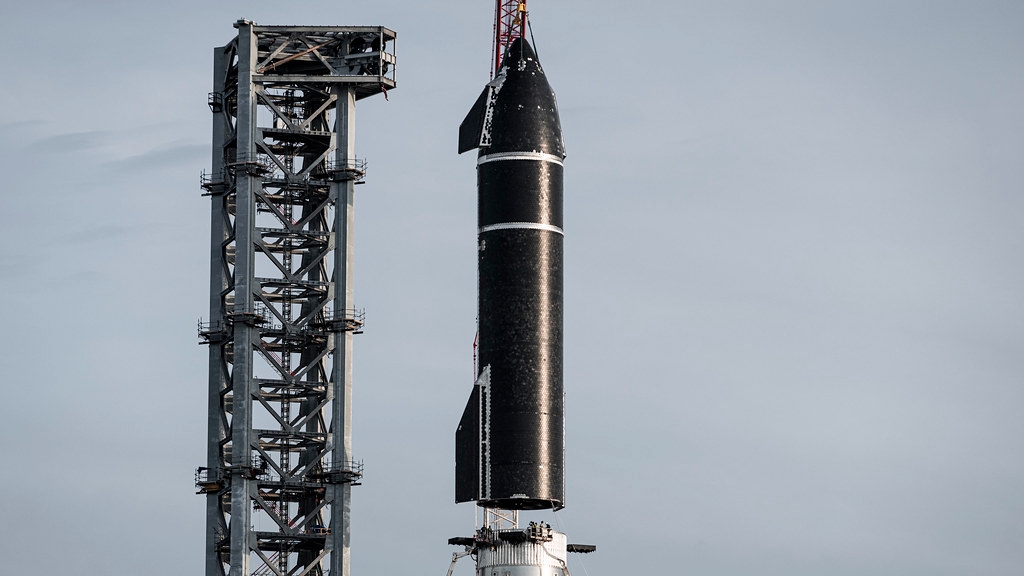
The space industry is undergoing a radical transformation, and at the center of this revolution stands SpaceX’s Starship. What was once imagined as a powerful transportation system is now evolving into something far more ambitious—a cornerstone for humanity’s future in orbit. The latest announcements surrounding Starship’s droneship landing capabilities and its orbital deployment strategy have sent shockwaves through the aerospace sector, signaling a dramatic shift in how we approach space infrastructure.
This shift is not just about rockets anymore. It’s about redefining the very concept of space stations, turning spacecraft into habitable environments, and leveraging automation to build sustainable ecosystems in Low Earth Orbit (LEO). As we step into 2026, the convergence of engineering, robotics, and infrastructure is shaping a future where living and working in space becomes scalable, efficient, and economically viable.
The Blurring Line Between Spacecraft and Space Stations
For decades, space missions followed a predictable pattern: launch a vehicle, deliver payloads, and return or discard the hardware. Space stations, on the other hand, were assembled piece by piece through complex and costly missions. Today, that distinction is fading.
Starship is redefining this paradigm by acting as both a transport vehicle and a destination. Its massive structure allows it to function as a standalone habitat once in orbit. This dual-purpose capability is not only innovative but also economically transformative.
Why This Shift Matters
- Reduced costs by eliminating the need for multiple launches
- Faster deployment of orbital infrastructure
- Greater scalability for future space habitats
Instead of constructing space stations like Lego sets in orbit, the industry is now moving toward launching fully integrated structures that are ready for conversion upon arrival.
The “Wet Workshop” Concept Reimagined
What Is a Wet Workshop?
The “wet workshop” concept involves converting a rocket’s spent fuel tank into usable living or working space after it has delivered its payload. While this idea dates back to early space exploration concepts, it never reached its full potential—until now.
Starship’s enormous size changes everything.
Internal Volume: A Game Changer
A single Starship offers approximately 1,000 cubic meters of pressurized volume, rivaling the entire capacity of traditional modular stations. This opens the door to:
- Multi-level living quarters
- Dedicated research laboratories
- Storage and manufacturing zones
Instead of cramped modules, astronauts could operate within expansive interiors designed for long-term habitation.
Reduced Complexity in Orbit
Traditional space stations require dozens of docking maneuvers and intricate robotic assembly. Each step introduces risk, cost, and time delays.
With Starship:
- The core structure is launched as one unified unit
- Minimal assembly is required in orbit
- Operational readiness is significantly accelerated
This streamlined approach represents a major leap forward in space logistics.
The Power Behind the Mission: Raptor 3 Engine
A New Era of Propulsion
The introduction of the Raptor 3 engine marks a critical milestone in Starship’s evolution. With improved efficiency and thrust capabilities, it enables heavier payloads and more sophisticated onboard systems.
Why Raptor 3 Matters for Space Habitats
- Enhanced payload capacity allows integration of life-support systems before launch
- Improved fuel efficiency reduces mission costs
- Greater structural flexibility supports pre-installed shielding and equipment
This means Starship can be launched not just as a shell, but as a fully equipped habitat ready for conversion.
Advanced Automation: The Rise of Orbital Robotics
Building and maintaining structures in space has always been a dangerous and resource-intensive task for humans. Enter the next generation of robotics: Optimus Gen 3.
The Role of Optimus Gen 3 in Space Construction
These robots are no longer limited to factory floors. They are designed to operate in extreme environments, making them ideal for orbital construction and maintenance.
Tendon-Driven Dexterity
One of the standout features of Optimus Gen 3 is its advanced hand design:
- 22 degrees of freedom
- Mimics human forearm anatomy
- Capable of intricate tasks like wiring and plumbing
This level of precision enables robots to perform tasks that previously required astronaut intervention.
Autonomous Navigation with AI
Using an adapted Full Self-Driving neural network, these robots can:
- Navigate complex interiors without human control
- Install equipment and partitions
- Adapt to non-standardized layouts
This autonomy drastically reduces the need for constant human supervision.
Stability in Microgravity Environments
Moving through a curved, repurposed rocket interior is no easy feat. Optimus Gen 3 is engineered for:
- Stability on uneven surfaces
- Efficient movement in confined spaces
- Continuous learning and adaptation
These capabilities make it an indispensable tool for building the next generation of space habitats.
Infrastructure Breakthroughs for Sustainable Living in Space
Living in a Starship-based station requires more than just space—it demands robust infrastructure capable of supporting human life for extended periods.
Mega-Scale Power Systems
A Starship habitat requires significant energy to support:
- Life-support systems
- Scientific research
- Communication networks
To meet these demands, massive solar arrays are deployed via additional cargo missions. These arrays provide:
- High-capacity energy generation
- Redundancy for critical systems
- Scalability for expanding stations
Radiation Protection: Storm Cellars in Space
Radiation exposure is one of the biggest challenges in space habitation. Starship’s design offers a unique solution.
Using Propellant Tanks as Shields
Once emptied, the large fuel tanks can be repurposed as:
- Radiation shelters
- Storage for water and waste materials
These materials act as natural barriers against solar radiation, creating safe zones for astronauts during solar storms.
On-Orbit Manufacturing Capabilities
The future of space isn’t just about living—it’s about producing.
With mass production of robotic systems:
- Continuous expansion of orbital structures becomes possible
- Repairs and upgrades can be handled autonomously
- New modules can be fabricated in space
This marks the beginning of a self-sustaining orbital economy.
The Economic Impact of Starship-Based Stations
The implications of this transformation extend far beyond engineering.
Lower Barriers to Entry
With reduced costs and simplified deployment:
- More organizations can participate in space exploration
- Private companies can establish research facilities
- Governments can expand their presence in orbit
New Industries in Space
Starship-based habitats could enable:
- Space manufacturing
- Pharmaceutical research in microgravity
- Tourism and hospitality in orbit
This shift turns space from a frontier into a marketplace.
Challenges That Still Remain
While the progress is remarkable, several hurdles must be addressed:
Thermal Management
Large structures generate and retain heat. Efficient cooling systems are essential to maintain livable conditions.
Long-Term Life Support
Sustaining human life for months or years requires:
- Advanced recycling systems
- Reliable oxygen generation
- Food production capabilities
Regulatory and Safety Concerns
As more players enter space, clear guidelines and safety protocols will be critical to avoid conflicts and ensure sustainability.
The Future of Orbital Living
The convergence of Starship’s capabilities, advanced propulsion systems, and autonomous robotics is paving the way for a new era in space exploration.
From Laboratories to Habitats
Future space stations will no longer be small, isolated labs. Instead, they will become:
- Multi-deck habitats
- Industrial hubs
- Centers for innovation and commerce
A Step Toward Interplanetary Civilization
These developments are not just about Earth orbit. They serve as a testing ground for:
- Lunar bases
- Mars colonies
- Deep-space missions
The technologies being developed today will form the backbone of humanity’s expansion into the solar system.
Conclusion: A New Chapter in Space Exploration
The announcement of Starship’s droneship landing and its revolutionary orbital strategy marks a turning point in the aerospace industry. By transforming rockets into habitable structures, leveraging advanced robotics for construction, and developing sustainable infrastructure, we are witnessing the birth of a new space paradigm.
The pieces are finally coming together:
- Massive spacecraft that double as habitats
- Powerful engines enabling unprecedented payload capacity
- Intelligent robots building and maintaining structures autonomously
This synergy is reshaping what is possible in Low Earth Orbit and beyond. The transition from experimental missions to large-scale orbital living is no longer a distant dream—it is rapidly becoming a reality.
As we move forward, one thing is clear: the future of space exploration will not be defined by how far we can travel, but by how well we can live once we get there.
FAQs
1. What is SpaceX Starship and why is it important?
SpaceX Starship is a next-generation spacecraft designed for reusable space travel, enabling missions to Low Earth Orbit (LEO), the Moon, and Mars while also serving as a potential space habitat.
2. What makes Starship different from traditional rockets?
Unlike traditional rockets, Starship is designed to be fully reusable and can function as both a transport vehicle and a habitable structure in space.
3. What is the “wet workshop” concept?
The wet workshop concept involves converting a rocket’s empty fuel tanks into usable living or working spaces after reaching orbit.
4. How much space does a Starship provide?
A single Starship offers around 1,000 cubic meters of pressurized volume, comparable to an entire space station module system.
5. How does Starship reduce space station construction complexity?
It eliminates the need for multiple launches and complex assembly, as the core structure is launched in one piece.
6. What is the Raptor 3 engine?
The Raptor 3 engine is an advanced rocket engine that improves payload capacity, efficiency, and supports heavier onboard systems.
7. Why is Raptor 3 important for space habitats?
It allows pre-installation of life-support systems, radiation shielding, and other critical infrastructure before launch.
8. What is Optimus Gen 3?
Optimus Gen 3 is a humanoid robot designed for automation tasks, including space construction and maintenance.
9. How do Optimus Gen 3 robots help in space?
They perform complex tasks like wiring, repairs, and installation, reducing the need for astronaut involvement.
10. What is special about Optimus Gen 3’s hands?
They feature tendon-driven architecture with 22 degrees of freedom, enabling human-like precision and dexterity.
11. Can robots work autonomously in space stations?
Yes, using AI-based navigation systems, they can operate independently in complex environments.
12. How is power generated in a Starship-based station?
Through large-scale solar arrays deployed via cargo missions, providing high-capacity energy.
13. How are astronauts protected from radiation?
Radiation shelters are created using repurposed fuel tanks filled with water or waste materials for shielding.
14. Can Starship stations support long-term living?
Yes, with advanced life-support systems, energy infrastructure, and automation, they are designed for extended habitation.
15. What industries can benefit from Starship-based stations?
Industries like space manufacturing, pharmaceutical research, and space tourism can benefit significantly.
16. What challenges still exist for space habitats?
Key challenges include thermal management, life-support sustainability, and safety regulations.
17. What is the future of space stations with Starship?
The future involves large-scale orbital habitats, acting as industrial hubs and living spaces for a growing space economy.
Read More:
- Next-Gen GigaPress 4.0 Entirely Change Automakers in 2027
- SpaceX’s Insane Upgrades on Starship Refueling System to the Moon after Artemis 2
- Tesla owners keep coming back for more
- Tesla reigns supreme in the heaviest EV market on Earth
- Tesla adds new in-app feature to solve the used EV market’s biggest headache
2 thoughts on “SpaceX Announced Starship Landing on the Droneship after Orbital Plan Shocked the Whole Industry”