
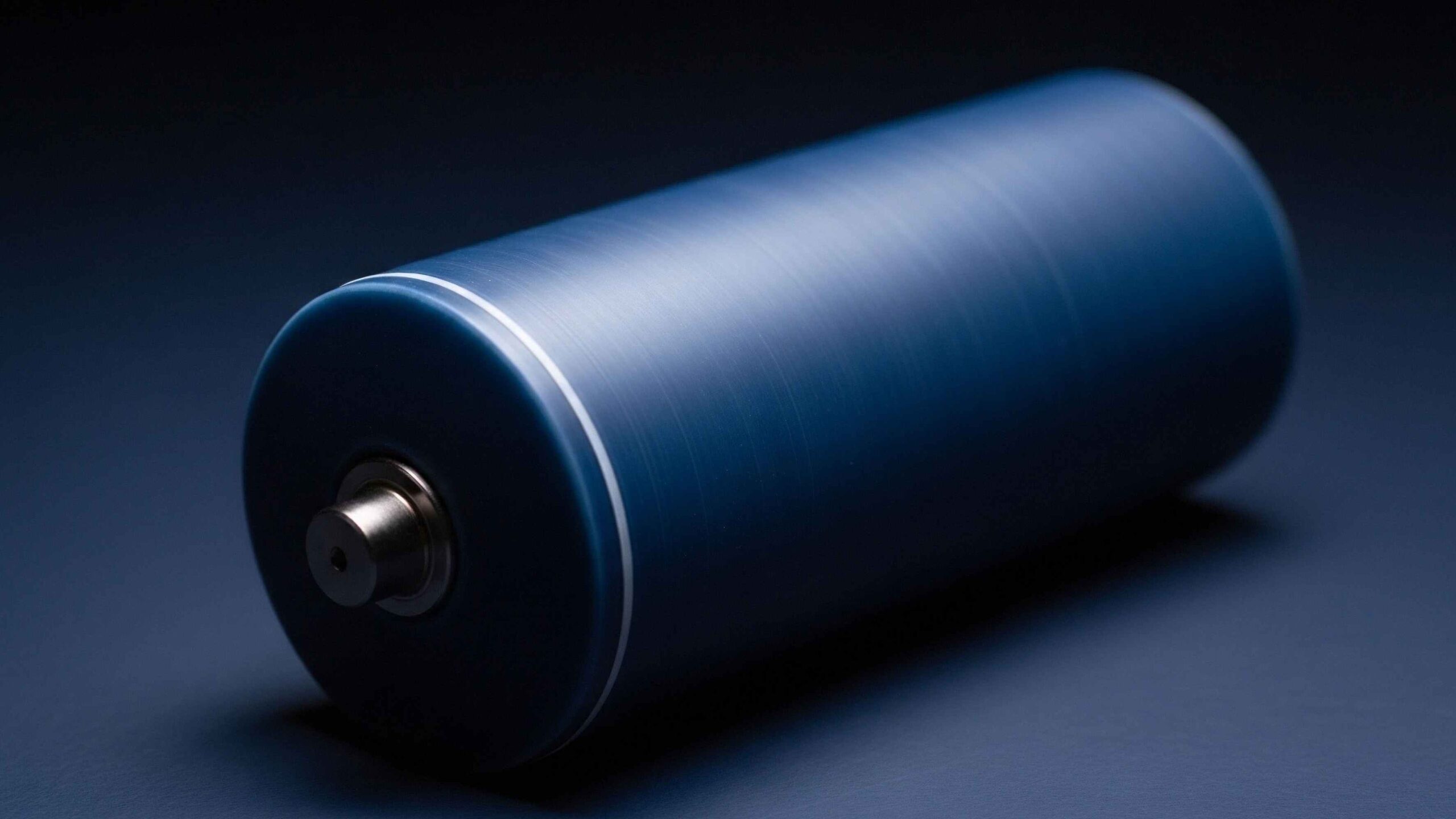
The global electric vehicle (EV) industry is entering a revolutionary era, and at the center of this transformation stands Tesla and its ambitious new solid-state battery technology. For years, electric vehicles were limited by concerns over charging time, driving range, battery degradation, and safety. Now, reports suggest that Elon Musk and Tesla may have found the breakthrough that changes everything forever.
A rumored 1,500km range Tesla battery is sending shockwaves across the automotive world. If successful, this innovation could completely eliminate range anxiety, outperform gasoline-powered vehicles, and accelerate the end of the internal combustion engine.
In this article, we’ll explore how Tesla’s solid-state battery works, why it matters, how it could impact global transportation, and why experts are calling this the most important technological battle of the 21st century.
The Beginning of the New EV Space Race
The first phase of the EV revolution focused on proving that electric cars could compete with traditional gasoline vehicles. Tesla successfully demonstrated that EVs could be fast, luxurious, and practical. However, the next phase is far more critical: mastering battery technology.
Today, battery performance determines nearly every aspect of an electric vehicle:
- Driving range
- Charging speed
- Vehicle weight
- Manufacturing cost
- Safety
- Long-term durability
Whoever dominates battery innovation could dominate the future of transportation.
That’s why Tesla’s rumored solid-state battery with 1,500km range is being viewed as a potential industry-defining breakthrough.
Breaking the Energy Density Barrier
What is Energy Density?
In battery technology, the most important measurement is energy density, commonly measured in Watt-hours per kilogram (Wh/kg).
Energy density determines how much power a battery can store relative to its weight. The higher the density:
- The longer the vehicle can travel
- The lighter the battery becomes
- The more efficient the car performs
Current lithium-ion EV batteries generally operate around 250–300 Wh/kg. Reports suggest Tesla is testing prototypes exceeding an incredible 500 Wh/kg.
That would represent one of the biggest leaps in battery technology in modern history.
Why 500 Wh/kg is a Game Changer
A battery with 500 Wh/kg energy density would transform electric vehicles in multiple ways:
1. Massive Driving Range
Tesla vehicles could potentially travel:
- 1,200km to 1,500km on a single charge
- Comparable or superior to gasoline vehicles
- Ideal for long-distance travel without charging stress
For most drivers, charging would become an occasional event rather than a daily concern.
2. Reduced Vehicle Weight
Battery packs are currently the heaviest component in an EV. Tesla insiders suggest these new batteries could be up to 40% lighter.
Benefits include:
- Improved acceleration
- Better handling
- Increased efficiency
- Lower tire wear
- Enhanced braking performance
A lighter EV also consumes less energy overall, creating a positive efficiency cycle.
3. Improved Vehicle Design
Smaller, lighter batteries give Tesla engineers more flexibility in designing future vehicles.
Possible innovations include:
- More interior cabin space
- Sleeker aerodynamic designs
- Higher cargo capacity
- Better weight distribution
This could lead to entirely new categories of electric vehicles.
Solid-State Batteries Explained
How Current Lithium-Ion Batteries Work
Traditional EV batteries use a liquid electrolyte to move lithium ions between the anode and cathode.
While effective, liquid electrolytes have several major weaknesses:
- They are flammable
- Sensitive to temperature changes
- Heavier than solid alternatives
- Prone to long-term degradation
These limitations have slowed EV progress for years.
The Shift to Solid-State Technology
Tesla’s new approach reportedly replaces the liquid electrolyte with a solid electrolyte material, possibly sulfide-based.
This changes everything.
Key Advantages of Solid-State Batteries
1. Dramatically Improved Safety
One of the biggest concerns surrounding EVs is battery fires.
Because solid electrolytes are non-flammable, the risk of catastrophic thermal runaway becomes dramatically lower.
Benefits include:
- Increased passenger safety
- Lower insurance costs
- Improved public confidence in EVs
- Better reliability in extreme temperatures
This alone could accelerate global EV adoption.
2. Ultra-Fast Charging
Current charging technology still takes significantly longer than filling a gasoline car.
Solid-state batteries can potentially handle much higher electrical currents.
This means future Teslas may charge:
- From 10% to 80% in minutes
- Similar to a gas station refueling stop
If Tesla achieves this milestone, EV charging infrastructure becomes far less of a limitation.
3. Longer Battery Lifespan
Battery degradation is one of the biggest financial concerns for EV owners.
Reports suggest Tesla’s solid-state batteries may survive over 15,000 charging cycles.
That number is astonishing.
For comparison:
- Many current EV batteries last around 1,500–3,000 cycles
- A 15,000-cycle battery could potentially operate for decades
This could create what analysts call the “eternal electric vehicle.”
The Rise of the Million-Mile Battery
A Vehicle That Lasts for Decades
A long-lasting battery fundamentally changes how consumers view cars.
Instead of being disposable machines that rapidly lose value, EVs could become:
- Long-term transportation assets
- Shared mobility vehicles
- Autonomous income-generating machines
Imagine owning a Tesla that still performs efficiently after decades of daily driving.
That possibility could reshape the automotive economy.
Why This Matters for Tesla RoboTaxi
Tesla’s future plans heavily depend on autonomous transportation.
The company’s RoboTaxi network requires vehicles capable of operating nearly 24/7.
For such a system to work economically, batteries must:
- Resist degradation
- Handle continuous charging
- Survive extremely high mileage
A solid-state battery with exceptional longevity may finally make autonomous ride-sharing financially practical.
This could become one of Tesla’s most profitable businesses in the future.
Tesla vs China: The Global Battery War
China’s Dominance in Battery Manufacturing
Currently, China controls much of the global EV battery supply chain.
Chinese companies dominate:
- Lithium processing
- Graphite production
- Rare earth mineral refining
- Battery manufacturing
Major companies like:
are aggressively expanding into Europe and North America.
Their strength lies in:
- Massive production scale
- Lower manufacturing costs
- Government support
- Supply chain control
Why Tesla Needs a Technological Leap
Tesla cannot rely solely on manufacturing scale to maintain dominance.
Instead, the company must create a technology advantage competitors cannot easily copy.
According to analysts, if Tesla commercializes solid-state batteries first, it could gain:
- A 5–7 year technological lead
- Stronger profit margins
- Increased global market share
- Greater pricing power
This is why the battery race has become geopolitical, not just corporate.
Tesla’s Secret Weapon: Dry Electrode Coating
The Biggest Problem with Solid-State Batteries
For years, many automakers successfully created solid-state batteries in laboratories.
The challenge has always been mass production.
Even automotive giants struggled to manufacture these batteries efficiently at scale.
Tesla’s Manufacturing Advantage
Tesla may solve this problem using dry electrode coating technology.
Traditional battery manufacturing requires:
- Massive drying ovens
- Complex chemical processing
- Expensive factory equipment
Tesla’s dry coating process removes many of these steps.
Benefits of Dry Electrode Technology
- Lower production costs
- Faster manufacturing
- Reduced factory size
- Less energy consumption
- Easier scaling
This could become Tesla’s hidden advantage over competitors.
Hybrid Battery Strategy
Some analysts believe Tesla may initially launch a hybrid battery design.
This approach could combine:
- Lithium-metal technology
- Solid-state components
- Advanced lithium-ion systems
Instead of waiting for a “perfect” battery, Tesla could release an intermediate version by:
- 2027
- 2028
This strategy allows Tesla to enter the market faster while continuing to refine full solid-state technology.
How Solid-State Batteries Could Kill Range Anxiety Forever
The Psychological Barrier to EV Adoption
One of the biggest reasons consumers hesitate to buy EVs is range anxiety.
Drivers worry about:
- Running out of battery power
- Limited charging stations
- Long charging times
- Battery degradation during road trips
A Tesla capable of traveling 1,500km per charge changes this entirely.
Why 1,500km Range Changes Consumer Behavior
Most people drive:
- Less than 50km daily
- Rarely exceed 500km in one trip
A 1,500km EV would mean:
- Weekly or bi-weekly charging
- Easier long-distance travel
- Reduced charging infrastructure pressure
- Greater convenience than gasoline vehicles
At that point, EVs may become objectively superior to internal combustion cars.
The Future of Electric Semi-Trucks
Why Battery Weight Matters for Freight
The freight industry could benefit enormously from Tesla’s breakthrough.
Heavy-duty electric trucks face a major challenge:
- Batteries are extremely heavy
- Heavy batteries reduce cargo capacity
Every kilogram added to the battery reduces freight efficiency.
Tesla Semi Could Transform Logistics
A lighter, high-density battery would allow the Tesla Semi to:
- Match diesel truck payloads
- Travel long distances
- Reduce operational costs
- Lower maintenance expenses
This could trigger a massive disruption in:
- Global shipping
- Logistics
- Freight transportation
- Fuel supply industries
The diesel trucking industry may face enormous pressure if Tesla succeeds.
The End of the Internal Combustion Engine?
Tesla’s Ultimate Goal
Reports suggest Elon Musk believes current batteries are merely an “intermediate stage” in transportation history.
If Tesla delivers:
- 1,000km+ range
- Ultra-fast charging
- Affordable pricing
- Long-lasting batteries
then gasoline-powered vehicles may rapidly become obsolete.
Why Price Matters
Advanced technology alone is not enough.
Mass adoption only happens when products become affordable.
Industry rumors suggest Tesla aims to launch future models priced between:
- $30,000 and $35,000
If successful, these vehicles could compete directly with mainstream gasoline cars.
That would mark the tipping point for global EV dominance.
Environmental Impact of Solid-State Batteries
Reduced Carbon Emissions
More efficient batteries help reduce:
- Fossil fuel dependence
- Greenhouse gas emissions
- Urban pollution
As EV adoption accelerates, global transportation emissions could decline significantly.
Longer Lifespan Means Less Waste
Long-lasting batteries also reduce environmental waste.
Benefits include:
- Fewer battery replacements
- Reduced mining demand
- Better recycling efficiency
- Lower lifetime environmental impact
A durable battery is both economically and environmentally valuable.
Challenges Tesla Still Faces
Despite the excitement, several major challenges remain.
Manufacturing Complexity
Scaling solid-state batteries remains extremely difficult.
Tesla must prove it can:
- Produce millions of units
- Maintain quality consistency
- Control costs
- Ensure long-term reliability
Supply Chain Constraints
Even advanced batteries still require raw materials like:
- Lithium
- Nickel
- Rare earth elements
Global demand for these materials continues to rise rapidly.
Competition is Intensifying
Tesla is not alone in the race.
Major companies investing heavily in battery innovation include:
- Toyota
- BMW
- Volkswagen
- Samsung SDI
The next decade will likely determine which companies dominate the future EV market.
What This Means for Consumers
For everyday drivers, Tesla’s battery breakthrough could mean:
Lower Ownership Costs
- Reduced fuel expenses
- Minimal maintenance
- Longer vehicle lifespan
- Higher resale value
Greater Convenience
- Fewer charging stops
- Faster charging times
- Improved reliability
Better Performance
- Lighter vehicles
- Faster acceleration
- Enhanced efficiency
- Superior driving experience
The overall ownership experience could become significantly better than traditional vehicles.
Final Thoughts
The race for solid-state battery dominance may become one of the defining technological battles of the century. Tesla’s rumored 1,500km solid-state battery represents far more than an automotive upgrade—it could reshape transportation, logistics, economics, and geopolitics.
If Tesla successfully commercializes this technology by the late 2020s, the consequences could be enormous:
- Gasoline vehicles may rapidly decline
- EV adoption could explode globally
- Autonomous transportation may become mainstream
- Global battery leadership could shift dramatically
The automotive industry is no longer just competing to build better cars. It is competing to control the future of energy and mobility itself.
And once again, Elon Musk and Tesla appear determined to lead that transformation.
FAQs
1. What is Tesla’s solid-state battery?
Tesla’s solid-state battery is a next-generation EV battery technology that replaces the traditional liquid electrolyte with a solid material. This design aims to improve range, safety, charging speed, and battery lifespan.
2. How far can Tesla’s new battery travel on a single charge?
Reports suggest Tesla’s upcoming solid-state battery could deliver up to 1,500km (932 miles) of driving range on a single charge, potentially eliminating range anxiety for EV owners.
3. Why are solid-state batteries better than lithium-ion batteries?
Solid-state batteries offer several advantages over traditional lithium-ion batteries, including:
- Higher energy density
- Faster charging
- Improved safety
- Longer lifespan
- Reduced battery weight
These improvements could revolutionize the entire electric vehicle industry.
4. What does 500 Wh/kg mean in battery technology?
500 Wh/kg (Watt-hours per kilogram) refers to battery energy density. It measures how much energy a battery can store relative to its weight. A higher number means:
- Longer driving range
- Better efficiency
- Lighter battery packs
Tesla’s rumored 500 Wh/kg battery would nearly double current EV battery performance.
5. Will Tesla’s solid-state battery charge faster?
Yes. Solid-state batteries can potentially handle much higher electrical currents, allowing ultra-fast charging times that may become comparable to refueling a gasoline vehicle.
6. Are solid-state batteries safer?
Yes. Unlike liquid electrolytes used in current batteries, solid electrolytes are generally non-flammable, greatly reducing the risk of battery fires and thermal runaway incidents.
7. When will Tesla release solid-state battery vehicles?
While Tesla has not officially confirmed a release date, industry analysts believe commercial production could begin around 2027 or 2028.
8. What is range anxiety in electric vehicles?
Range anxiety is the fear that an electric vehicle will run out of battery power before reaching a charging station. A 1,500km-range Tesla could effectively eliminate this concern.
9. How long could Tesla’s new battery last?
Reports suggest Tesla’s advanced battery could survive over 15,000 charging cycles, potentially lasting for decades with regular use.
10. What is the “million-mile battery” concept?
A million-mile battery refers to an EV battery capable of operating efficiently for extremely long distances without significant degradation. Tesla’s solid-state technology may help achieve this milestone.
11. How could Tesla’s battery impact autonomous RoboTaxis?
Long-lasting batteries are essential for Tesla’s future RoboTaxi network, where vehicles may operate nearly 24/7. Durable solid-state batteries could make autonomous transportation economically viable.
12. Why is China important in the EV battery industry?
China currently dominates the global battery supply chain, including:
- Lithium processing
- Graphite production
- Rare earth minerals
- EV battery manufacturing
Companies like BYD and CATL are major global competitors.
13. What is Tesla’s dry electrode coating technology?
Tesla’s dry electrode coating process is an advanced manufacturing method designed to reduce battery production costs and simplify large-scale battery manufacturing.
Benefits include:
- Faster production
- Lower energy consumption
- Reduced factory costs
- Easier scaling
14. Could solid-state batteries replace gasoline cars completely?
Many experts believe solid-state batteries could accelerate the end of the internal combustion engine by making EVs:
- More affordable
- Longer-range
- Faster to charge
- More convenient than gasoline vehicles
15. How will Tesla’s battery affect electric trucks?
A lighter, high-density battery could significantly improve the Tesla Semi by increasing driving range while maintaining cargo capacity, potentially disrupting the diesel trucking industry.
16. What are the biggest challenges Tesla still faces?
Tesla still needs to overcome several obstacles, including:
- Mass production scalability
- Raw material supply constraints
- Manufacturing costs
- Long-term battery reliability
- Increasing competition from global automakers
Successfully solving these challenges could redefine the future of transportation.
Read More:
- It Finally Happened: Elon Musk Sends Millions of Tesla Optimus AI Robots to Colonize Mars
- SpaceX’s Unexpected Launch Date for Starship Flight 12 Revealed! Later than We thought, But
- Delta Airlines rejects Starlink, and the reason will probably shock you
- Honda gives up on all-EV future: ‘Not realistic’
- Tesla puts Giga Berlin in Plaid Mode with new massive investment