
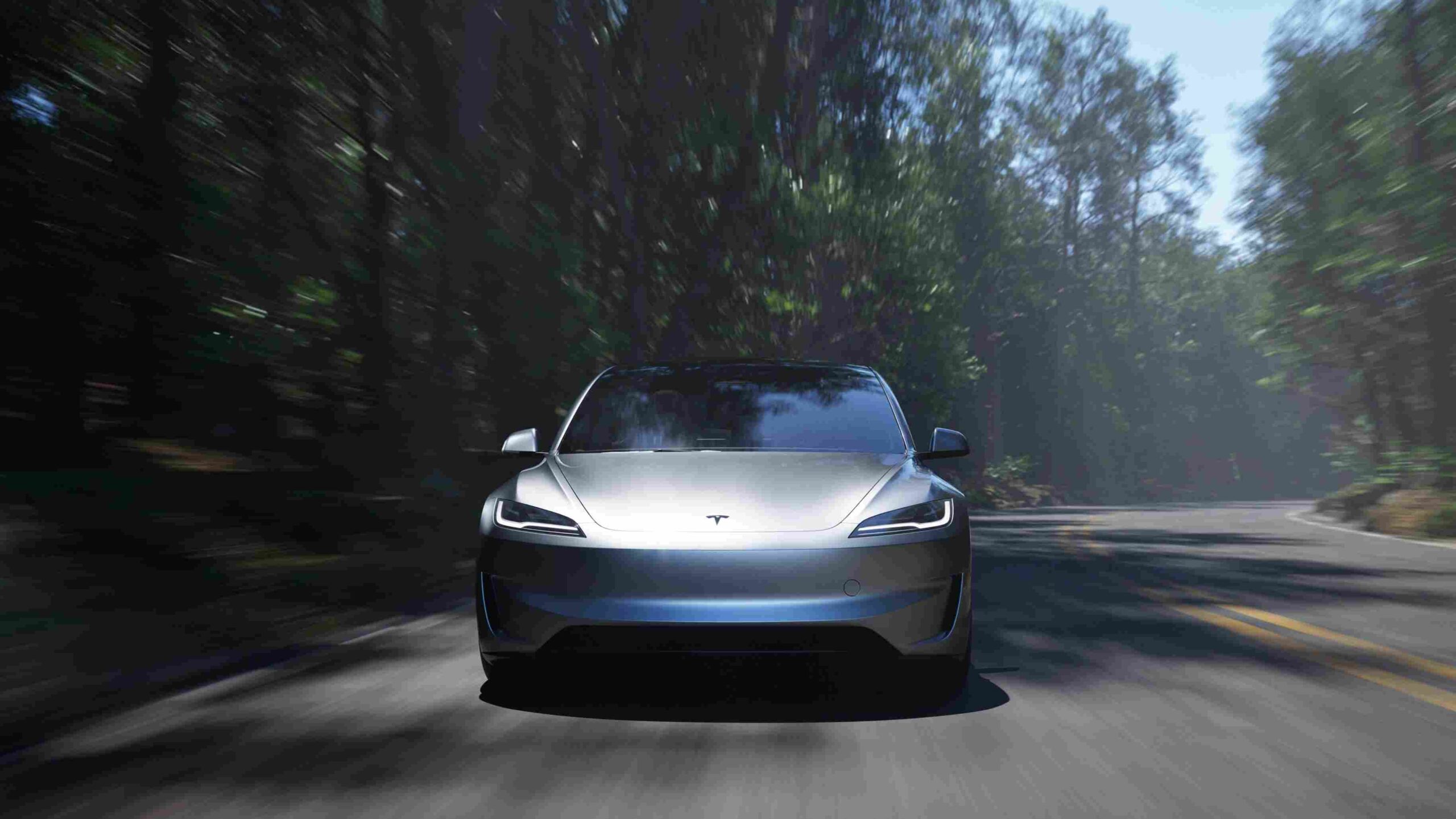
The global electric vehicle revolution is accelerating at an unprecedented pace. Automakers are racing to deliver futuristic cabins, AI-powered driving systems, and minimalist interiors dominated by giant touchscreens. Yet amid this technological transformation, one critical question remains unanswered: Are modern electric vehicles truly designed for everyone?
For millions of senior drivers worldwide, the shift toward digital-only controls and ultra-minimalist vehicle interiors has introduced unexpected challenges. While younger buyers may celebrate the disappearance of physical buttons, older drivers often value something far more practical — clarity, accessibility, safety, and confidence behind the wheel.
The upcoming Tesla Model 2 2026 could become a defining moment for the automotive industry. Expected to launch as Tesla’s affordable compact EV, the Model 2 is not simply another budget electric car. It represents an opportunity to redefine what “innovation” truly means. Instead of focusing solely on speed, automation, and futuristic aesthetics, Tesla has the chance to create a vehicle centered around real-world usability, especially for senior drivers.
In many ways, the Model 2 could become the first mainstream EV that genuinely respects human biology, aging, and practical driving realities.
Why Senior Drivers Matter in the EV Revolution
The automotive industry often markets electric vehicles toward younger, tech-oriented audiences. However, senior drivers make up a massive and growing segment of the global car-buying population.
Many older adults rely heavily on personal vehicles for:
- Medical appointments
- Grocery shopping
- Visiting family
- Maintaining independence
- Daily transportation in areas with limited public transit
For these drivers, mobility is not just convenience — it is autonomy and quality of life.
Unfortunately, many modern EVs unintentionally create barriers for seniors through:
- Overcomplicated touchscreen interfaces
- Difficult vehicle entry and exit
- Confusing driver assistance systems
- Lack of tactile controls
- Dependence on software menus
The Tesla Model 2 has the potential to change this narrative entirely.
The Ergonomics of Entry and Exit
Why the First Five Seconds Matter
Most automotive reviews focus on horsepower, battery range, or acceleration. Yet for senior drivers, the most important moment often occurs before the car even starts moving.
Getting into and out of a vehicle can become physically demanding due to:
- Hip replacements
- Arthritis
- Lower back pain
- Reduced mobility
- Knee stiffness
A vehicle that ignores these realities immediately alienates older buyers.
The Ideal Seat Height for Seniors
One of the most important design factors for senior-friendly vehicles is seat height.
Experts often suggest that a seating position between 55 and 65 centimeters from the ground offers the ideal balance. This height closely resembles a standard chair, allowing drivers to:
- Sit naturally
- Pivot comfortably
- Stand up without excessive strain
- Reduce pressure on joints
If the Tesla Model 2 adopts a crossover-style seating position instead of an ultra-low sedan layout, it could become significantly more appealing to mature drivers.
Door Geometry and Accessibility
A senior-friendly vehicle is not just about seat height. Door design plays an equally important role.
Older drivers benefit from:
- Wide-opening doors
- Strong roof handles
- Stable support points
- Easy ingress angles
In tight parking spaces or windy conditions, poor door geometry can transform a simple task into a stressful experience.
Tesla’s challenge will be balancing sleek modern aesthetics with genuine ergonomic practicality.
Touchscreens vs Physical Controls
The Hidden Problem With Minimalism
Modern automotive design increasingly prioritizes minimalist cabins. Physical buttons are disappearing in favor of touchscreen interfaces.
While visually impressive, this trend creates serious usability concerns.
For younger drivers, adjusting climate controls through a screen may be mildly inconvenient. For senior drivers, it can become a dangerous distraction.
Why Physical Buttons Still Matter
As humans age, several biological changes naturally occur:
- Slower reaction times
- Reduced peripheral vision
- Decreased finger precision
- Longer cognitive processing times
In this context, forcing drivers to navigate multiple digital menus while driving at highway speeds becomes problematic.
Critical functions should remain instantly accessible, including:
- Air conditioning
- Rear defroster
- Hazard lights
- Windshield controls
- Audio volume
Physical controls provide something touchscreens cannot fully replicate: muscle memory.
Drivers can locate buttons by feel without taking their eyes off the road.
The Best Solution for Tesla Model 2
The ideal Tesla Model 2 cabin would combine:
- A clean modern interface
- Large readable displays
- Voice assistance
- Essential tactile controls
This hybrid approach would preserve Tesla’s futuristic identity while dramatically improving accessibility for older drivers.
Driver Assistance Systems Must Support, Not Intimidate
ADAS Can Feel Overwhelming
Advanced Driver Assistance Systems (ADAS) are intended to improve safety. Features like:
- Lane-keeping assist
- Automatic braking
- Blind-spot warnings
- Adaptive cruise control
can genuinely help drivers.
However, poorly calibrated systems often create frustration rather than confidence.
Many senior drivers describe aggressive lane correction systems as feeling like an “anxious passenger” constantly interfering with their decisions.
Clarity Is Essential
Senior drivers need immediate visual confirmation regarding:
- Which systems are active
- When interventions may occur
- What the vehicle is detecting
The interface must avoid ambiguity.
Simple, high-contrast indicators are far more effective than overly complex graphical animations.
One-Touch Override Controls
Perhaps most importantly, drivers need control.
The Tesla Model 2 should ideally include:
- A dedicated physical ADAS toggle
- One-touch system disable options
- Immediate override capabilities
Drivers should never need to dig through software menus during stressful driving situations.
Emergency Handling and Real-World Safety
Seniors Think About Worst-Case Scenarios
Experienced drivers often evaluate vehicles differently from younger buyers.
Instead of asking:
“How fast is it?”
They ask:
“What happens if something goes wrong?”
This mindset comes from decades of driving experience and mechanical familiarity.
The Importance of Manual Door Releases
Modern EVs increasingly rely on electronic door latches. While sleek and futuristic, they introduce a dangerous vulnerability.
If the battery fails or electrical systems malfunction:
- Can passengers still exit easily?
- Can rescuers open the doors quickly?
- Can older occupants operate emergency mechanisms under stress?
Hidden emergency releases buried under trim panels are not practical solutions.
What Tesla Must Get Right
The Tesla Model 2 should include:
- Clearly marked manual door releases
- Intuitive emergency mechanisms
- Easy-to-grip handles
- Visible instructions
In emergencies, simplicity saves lives.
Human-Centered Error Messages
Modern vehicles often communicate through cryptic alerts and technical codes.
For many drivers, messages like:
- “System Fault 404”
- “Battery Error B217”
create confusion and anxiety.
Tesla could dramatically improve usability by implementing natural-language notifications such as:
- “Battery low — nearest charger is 5 km away.”
- “Front sensor blocked by snow.”
- “Door not fully closed.”
This style of communication feels more human and less intimidating.
Weather Limits and Range Anxiety
Winter Changes Everything
Electric vehicles behave differently in cold climates.
Battery efficiency drops significantly during winter, sometimes reducing driving range by up to 35% in extreme conditions.
For senior drivers, uncertainty about range can become a major psychological barrier.
The Need for Automatic Thermal Management
Many EV owners today must manually manage:
- Battery preconditioning
- Charging temperatures
- Climate efficiency settings
For tech enthusiasts, this may seem manageable.
For older drivers, it can feel unnecessarily complicated.
The Tesla Model 2 should prioritize automation by:
- Automatically preheating batteries
- Managing thermal systems intelligently
- Minimizing user intervention
The best technology often works quietly in the background.
Frozen Door Handles Are a Serious Problem
Tesla’s retractable door handles have previously faced criticism in icy climates.
In freezing weather, handles can become difficult or impossible to operate.
For seniors, this is more than an inconvenience — it is a potential safety issue.
The Model 2 needs:
- Reliable mechanical redundancy
- Ice-resistant hardware
- Practical winter usability testing
Real-world reliability matters more than futuristic aesthetics.
The Emotional Cost of Modern Vehicle Maintenance
From Mechanical Simplicity to Software Dependency
Many senior drivers grew up in an era when vehicles were understandable machines.
A trusted local mechanic could diagnose problems by:
- Listening to engine sounds
- Checking belts
- Inspecting fluids
Modern EVs operate very differently.
Today’s repairs often require:
- Specialized software
- Proprietary diagnostic systems
- Manufacturer-authorized service centers
This shift creates emotional discomfort for many older drivers who value independence.
Service Accessibility Matters
One major concern with EV ownership is service accessibility.
If drivers must travel hundreds of kilometers for repairs, ownership becomes stressful.
Tesla must continue expanding its service network to support buyers in:
- Smaller towns
- Rural communities
- Suburban regions
Convenience is critical for older customers.
Transparent Repair Costs
Unexpected repair costs create anxiety, especially for retirees on fixed incomes.
Tesla could improve trust by offering:
- Upfront digital estimates
- Transparent service pricing
- Predictive maintenance alerts
- Clear explanations of required repairs
Transparency builds confidence.
Affordable Everyday Components
Not every vehicle component needs to be proprietary.
Senior drivers benefit when common maintenance items remain affordable, including:
- Tires
- Wiper blades
- Cabin filters
- Brake components
Reducing ownership complexity can significantly increase long-term customer satisfaction.
The Psychological Side of EV Adoption
Trust Is More Important Than Hype
The modern EV market is often dominated by:
- Product rumors
- Social media leaks
- Aggressive marketing
- Artificial scarcity tactics
While excitement may attract younger audiences, mature buyers typically prioritize:
- Stability
- Reliability
- Proven performance
- Honest communication
Tesla’s success with the Model 2 may depend less on hype and more on credibility.
Senior Drivers Value Predictability
Older buyers are often cautious adopters of new technology because they prioritize consistency over novelty.
To earn their trust, Tesla must focus on:
- Clear ownership expectations
- Realistic range estimates
- Reliable software updates
- Long-term durability
Promises alone will not be enough.
Why Real Usability Could Become Tesla’s Biggest Advantage
The Future of EVs Is Human-Centered Design
The automotive industry has spent years chasing futuristic design trends.
However, the next major innovation may not be larger screens or faster processors.
It may be something far simpler:
Vehicles designed around actual human needs.
The Tesla Model 2 could become revolutionary if it embraces:
- Accessibility
- Simplicity
- Ergonomics
- Reliability
- Transparency
instead of pure technological spectacle.
Independence Is the Ultimate Luxury
For senior drivers, a car is not merely transportation.
It represents:
- Freedom
- Self-sufficiency
- Dignity
- Confidence
A truly successful EV must protect these values.
Could the Tesla Model 2 Redefine Senior-Friendly Electric Cars?
The answer depends entirely on Tesla’s priorities.
If the company focuses solely on futuristic minimalism, the Model 2 may repeat many of the usability mistakes already present in modern EV design.
But if Tesla embraces:
- Tactile controls
- Ergonomic seating
- Intuitive emergency systems
- Winter reliability
- Transparent ownership experiences
the Model 2 could become one of the most important electric vehicles of the decade.
Not because it is the fastest.
Not because it has the largest screen.
But because it understands that technology should adapt to humans — not the other way around.
Final Thoughts
The transition to electric mobility is inevitable. Yet the success of this transformation depends on whether automakers create vehicles that work for people of all ages and abilities.
The Tesla Model 2 2026 Senior Edition philosophy represents a larger conversation about the future of transportation itself.
Will cars become increasingly digital and disconnected from human needs?
Or will the next generation of EVs prioritize comfort, accessibility, and intuitive usability?
The companies that answer these questions correctly will define the future of the automotive industry.
In the end, the winning electric car of 2026 may not be the one with the most advanced features.
It may simply be the one that allows people — especially senior drivers — to feel safe, independent, and confident every time they get behind the wheel.
FAQs
1. What is the Tesla Model 2 2026 Senior Edition concept?
The Tesla Model 2 2026 Senior Edition refers to the idea of a more accessible, user-friendly electric vehicle designed with senior drivers in mind. It focuses on comfort, safety, ergonomics, intuitive controls, and real-world usability rather than just futuristic technology.
2. Why is the Tesla Model 2 important for senior drivers?
The Tesla Model 2 could become one of the first affordable EVs that truly addresses the needs of older adults by offering better seat height, easier entry and exit, simplified controls, and safer driving assistance systems.
3. What seat height is ideal for older drivers?
Experts suggest a seat height between 55 cm and 65 cm from the ground. This range allows senior drivers to sit down and stand up more comfortably without putting excessive strain on the knees, hips, or back.
4. Are touchscreens difficult for senior drivers?
Yes, many senior drivers find touchscreen-only controls distracting and difficult to use while driving. Physical buttons and tactile controls are often safer because they allow drivers to operate key functions without taking their eyes off the road.
5. Will the Tesla Model 2 have physical buttons?
Tesla has not officially confirmed the interior layout of the Model 2, but many experts believe adding at least some physical controls for essential functions would greatly improve usability for older drivers.
6. What are the biggest challenges seniors face with modern EVs?
Some common challenges include:
- Complicated touchscreen menus
- Difficult vehicle entry and exit
- Confusing driver assistance systems
- Range anxiety
- Software-heavy maintenance processes
- Lack of emergency mechanical controls
7. How can driver assistance systems help older drivers?
Features like automatic emergency braking, adaptive cruise control, and blind-spot monitoring can improve safety and reduce driving stress when properly calibrated and easy to understand.
8. Why are manual emergency door releases important in EVs?
Many electric vehicles use electronic door handles and latches. In case of a battery or electrical failure, manual emergency releases are essential so passengers can safely exit the vehicle.
9. Does cold weather affect electric vehicle range?
Yes, cold weather can significantly reduce EV battery efficiency. In extreme winter conditions, some electric vehicles may lose up to 35% of their driving range.
10. Could frozen door handles become a problem for the Tesla Model 2?
Tesla’s retractable door handles have faced criticism in freezing climates. If Tesla wants the Model 2 to appeal to senior drivers, it will need more reliable all-weather hardware solutions.
11. Why is range anxiety more serious for older drivers?
Senior drivers often prioritize predictability and reliability. Uncertainty about battery range, charging locations, or weather-related performance can create additional stress during travel.
12. Are EV maintenance costs lower than gasoline cars?
Electric vehicles generally have fewer moving parts, which can reduce maintenance needs. However, repairs involving battery systems, sensors, or proprietary software can still be expensive.
13. Why do senior drivers prefer transparent repair pricing?
Many retirees live on fixed budgets, so unexpected repair costs can be stressful. Clear pricing estimates and transparent service communication help build trust and confidence.
14. What features would make the Tesla Model 2 senior-friendly?
Important features could include:
- Comfortable seating height
- Wide-opening doors
- Physical climate controls
- Large readable displays
- Simple emergency systems
- Reliable winter performance
- Easy-to-understand notifications
15. Could the Tesla Model 2 become the best affordable EV for seniors?
If Tesla focuses on ergonomics, accessibility, intuitive design, and reliability, the Model 2 could become one of the most attractive and practical electric vehicles for senior drivers worldwide.
Read More:
- Tesla patent aims to make massive change to common automotive part
- SpaceX unveils sweeping Starship V3 upgrades ahead of May 19 launch
- Elon Musk reveals how SpaceX is always on board Air Force One
- Tesla gathers 93,000 FSD miles in a country where FSD isn’t approved – here’s how
- SpaceX FIXED Starship Flight 12 WDR Problem, Do Over in Hours! Will This Delay Launch?
1 thought on “Tesla Model 2 2026 Senior Edition: Real Usability, Emergency Handling, Weather Limits”