
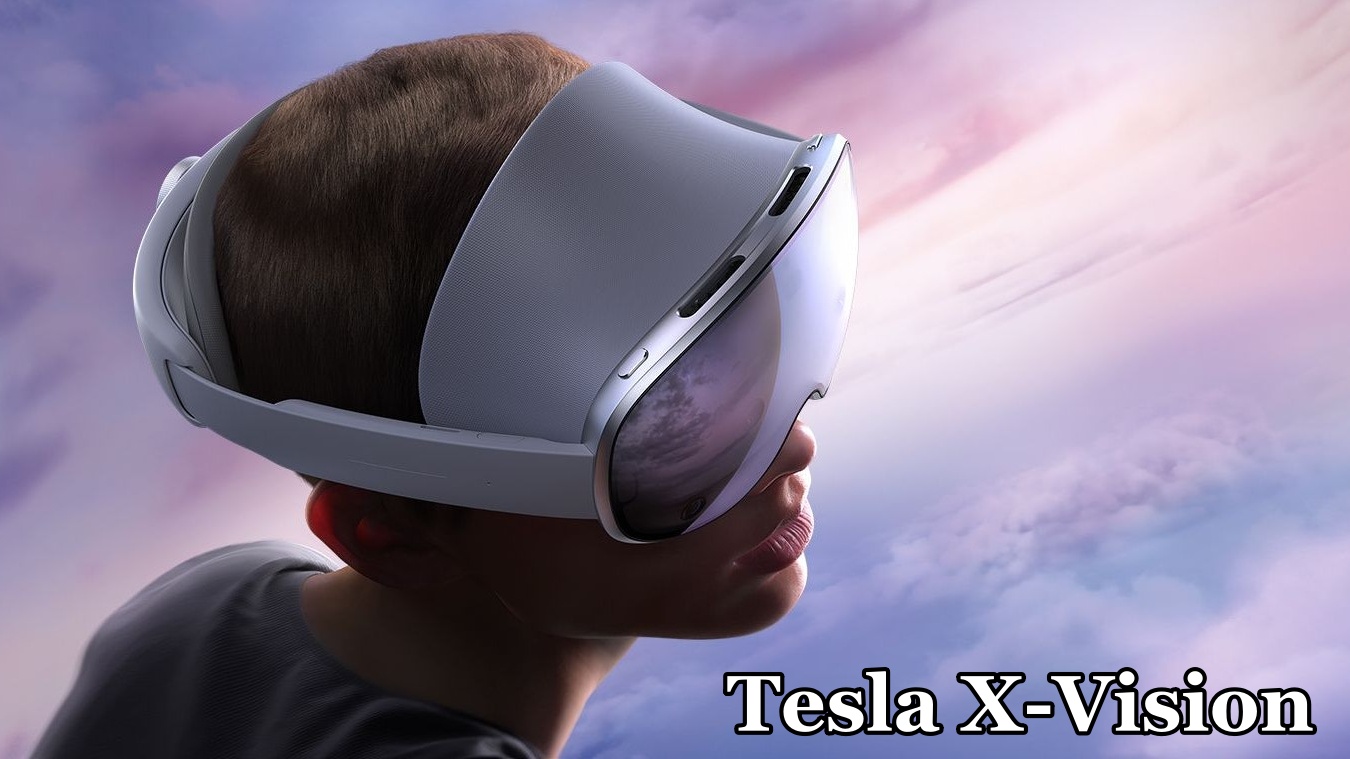
In the world of high technology, a hidden race is quietly shaping the future. One that, until recently, few discussed openly, is now rapidly gaining momentum. This race is not about smartphones, electric cars, or even space exploration — it is about the next frontier of virtual reality (VR) and artificial intelligence (AI) integration. And at the center of it all is Elon Musk with Tesla’s mysterious new project: X-Vision.
After the explosive growth of AI and the widespread adoption of neural networks, tech giants like Apple, Meta, and Samsung have tried to redefine human interaction with digital space. The vision? Devices that transport a person into entirely new worlds the moment they wear a headset. But despite years of hype, the industry has struggled to deliver a mass-market breakthrough.
The VR Industry Stagnation: Apple Vision Pro and Beyond
Take the Apple Vision Pro, for example. Marketed as a revolutionary step in computing, it ultimately fell short of expectations. Sales were lower than projected, and numerous reviews pointed out that the technology was raw, uncomfortable, and not ready for the mass consumer market.
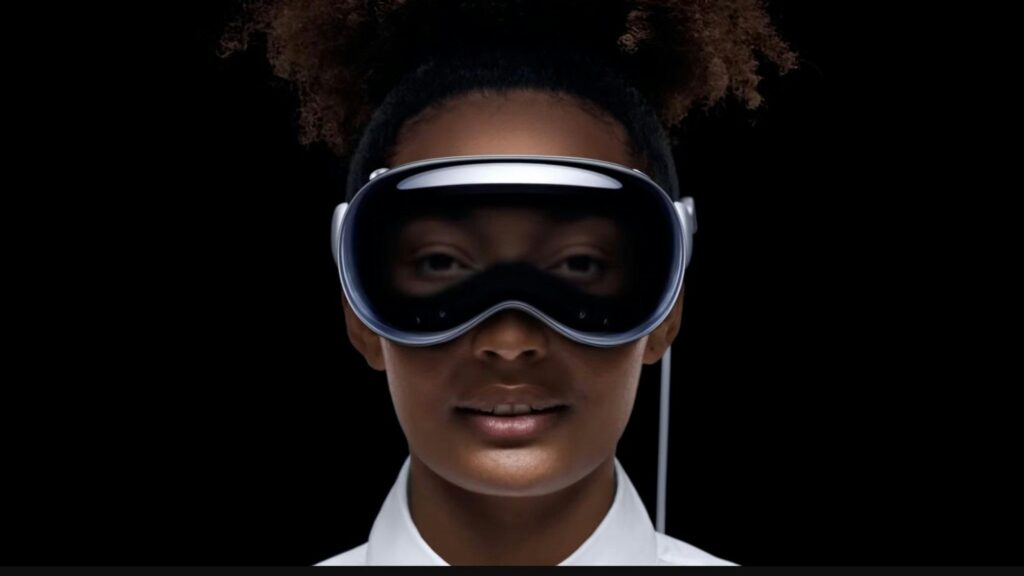
Despite these setbacks, analysts from Wall Street Tech Review, Financial Sphere, and AR Future Lab agree that virtual reality remains one of the most profitable and revolutionary sectors of the future. A single product capable of a qualitative leap could completely reshape the landscape.
And it seems that Tesla might be preparing to deliver exactly that.
Enter Tesla: A New Player in the VR Race
Until now, Tesla has not been associated with VR technology. Elon Musk has publicly criticized the field, calling it a “dead-end technology” with only a temporary wow effect, arguing that direct neural interfaces like Neuralink would always outperform VR.
But insiders say something has changed. According to leaks from Techra Radar Asia and Tesla suppliers in Shanghai, Musk has greenlit an internal project codenamed X-Vision — potentially the most unexpected initiative in Tesla’s history.
The plan? A virtual and mixed reality headset fully integrated with Tesla’s AI, Optimus algorithms, Autopilot systems, Dojo networks, and Neuralink’s experimental developments.
Why Tesla’s Move Matters
You might wonder: why would Tesla, a company famous for electric cars, suddenly pivot to VR?
The reasons are both strategic and technological:
- Pressure on Tesla’s core business – Car sales are slowing, competitors are increasing, and Optimus robot development is slower than expected.
- The end of the electric car era – Elon Musk sees a future dominated by AI devices, autonomous systems, and immersive computing that surrounds you rather than fits in your pocket.
- The opportunity to merge technologies – By combining Neuralink, Tesla AI, and VR headsets, Tesla could create a device that anticipates human behavior, adapts environments dynamically, and transforms digital interaction.
According to insiders, this is what changed Musk’s opinion on VR: the potential to create a device that adapts to the user, rather than forcing the user to adapt to technology.
X-Vision: What We Know So Far
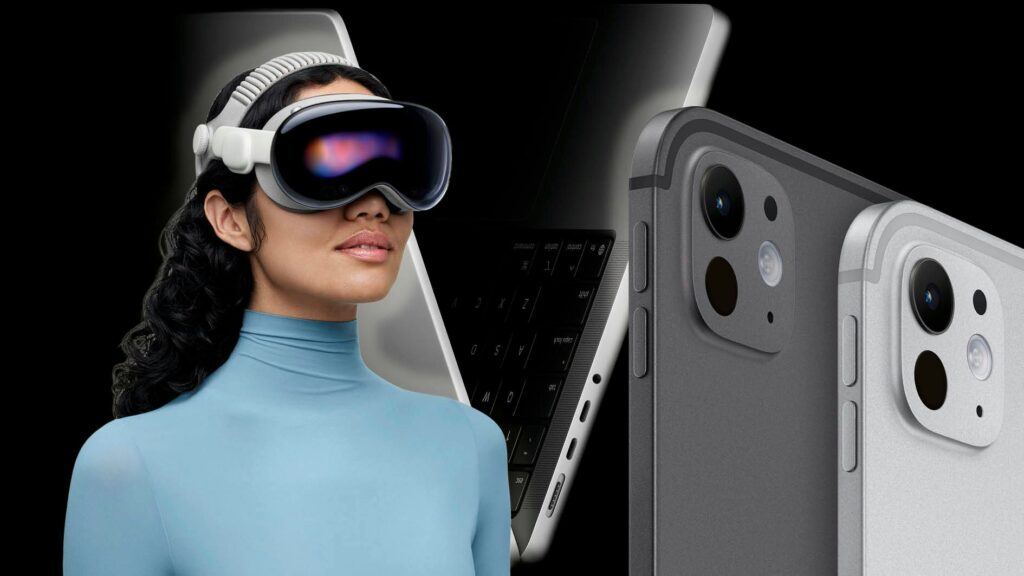
Leaked details about X-Vision paint a picture of a device unlike anything on the market today:
Design and Hardware
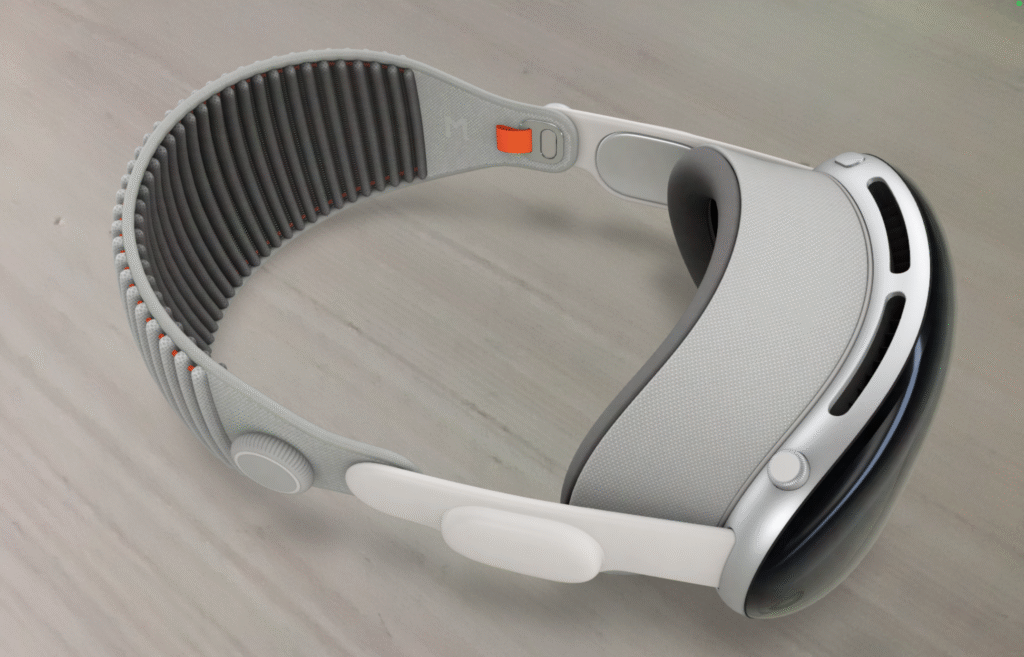
- Frame: Ultra-light, red titanium resembling a cross between futuristic glasses and Apple Vision prototypes.
- Cooling: Miniature modules on the side arms for efficient heat management.
- Chip: Tesla N3 neural chip, previously used in Optimus robots.
- Displays: High-density lenses with micro-lens technology purchased specifically for this device.
Key Features
- AI-Driven Reality: X-Vision won’t rely on traditional controllers, gestures, or tracking cameras. Instead, it will analyze user attention, reactions, and preferences, dynamically adapting the environment.
- Soft Neuro Interface: An optional lightweight Neuralink module reads microwave brain activity signals, creating a non-invasive neuro interface.
- Real-Time Rendering: Tesla’s Dojo clusters can render visual scenes in under 5 milliseconds, virtually eliminating motion sickness — a common problem for current VR headsets.
Functional Capabilities
- Adaptive Visuals: Softens images when the user is tired, structures information when focus is needed, and generates immersive learning environments dynamically.
- Predictive AI: Anticipates user actions based on behavioral patterns.
- Integrated Tesla Ecosystem: Works seamlessly with Tesla AI, Neuralink, and potentially Optimus robots for a fully connected experience.
Why X-Vision Could Change Everything
If Tesla succeeds, X-Vision could repeat the revolutionary effect of the iPhone in 2007, creating a completely new tech ecosystem. Analysts suggest that this device has the potential to:
- Reignite Tesla growth by diversifying its product line.
- Create an unreplicable ecosystem combining AI, VR, and neural interface technologies.
- Transform how humans interact with digital and physical environments, from work and education to entertainment and healthcare.
Moreover, Tesla is reportedly preparing trial production lines in Shanghai, leveraging its existing expertise in precision manufacturing. This indicates that the company is not just experimenting — it’s preparing for a serious market launch.
The Future of VR and AI Integration
Tesla’s X-Vision is part of a larger trend: the merging of AI with immersive technologies. Current VR devices have struggled to achieve mainstream adoption due to:
- Hardware discomfort – bulky headsets that are heavy and restrictive.
- Latency issues – delays causing motion sickness and user frustration.
- Limited interactivity – most VR still relies on hand controllers or external tracking.
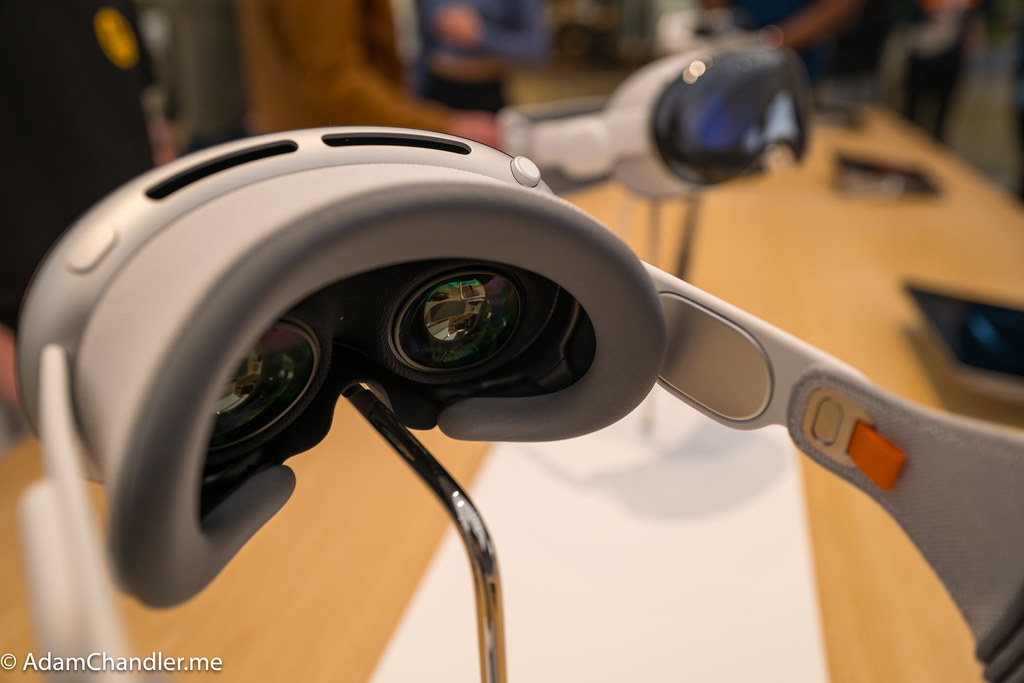
X-Vision’s approach could overcome these barriers, offering:
- Ultra-light, wearable design
- Real-time AI adaptation
- Predictive user behavior modeling
If successful, this could make VR not just a niche technology, but a daily utility, reshaping everything from remote work to entertainment.
Elon Musk’s Track Record of Disruption
Elon Musk is no stranger to transforming industries. From Tesla’s electric cars to SpaceX rockets and Neuralink neural interfaces, Musk has repeatedly taken technologies that were niche or underdeveloped and turned them into global game-changers.
X-Vision could be his next industry-defining innovation, combining:
- Automotive AI systems
- Neural interface research
- Virtual reality hardware
All wrapped in Tesla’s trademark design and engineering excellence.
Potential Market Impact
Analysts suggest that if X-Vision delivers on its promises:
- Consumer adoption could be massive, similar to the iPhone or Tesla Model S.
- VR industry dynamics would shift, forcing Apple, Meta, and Samsung to react.
- Tesla could dominate the next wave of immersive computing, controlling both the hardware and AI ecosystems.
Experts also highlight the unique integration with Neuralink as a differentiator, offering a soft neuro interface that other companies currently cannot replicate.
Timeline and Expectations
Leaks indicate the following timeline:
- Early 2026: Initial internal decisions and approvals for X-Vision.
- Late 2026: First public prototypes may appear.
- 2027 and beyond: Potential commercial launch, following extensive testing and refinement.
Tesla’s approach, according to insiders, follows Musk’s classic style: pretend the project doesn’t exist publicly while secretly building the infrastructure for launch.
Challenges Ahead
While the hype is enormous, there are potential hurdles:
- Manufacturing complexity: New materials, high-density displays, and neuro interfaces are untested at scale.
- User acceptance: Non-invasive brain interfaces may still face public skepticism.
- Software integration: Seamlessly merging Tesla AI, Neuralink, and real-time rendering is highly ambitious.
Despite these challenges, Tesla has a track record of overcoming seemingly impossible technological hurdles.
Conclusion: A New Era of Immersive Technology
Tesla’s X-Vision could mark the beginning of a new technological era, where the boundaries between reality, AI, and human perception are blurred. Unlike current VR headsets, X-Vision promises:
- Adaptive, predictive virtual environments
- Integration with AI and neural systems
- Ultra-low latency rendering for comfortable immersion
If the leaks hold true, the device will not only challenge Apple, Meta, and Samsung but potentially destroy the existing VR market’s status quo, much like the iPhone reshaped smartphones or Tesla redefined electric vehicles.
2026 could very well be the year Elon Musk and Tesla change the world of virtual reality forever.
FAQs
1. What is Tesla X-Vision?
Tesla X-Vision is a next-generation virtual and mixed reality headset developed by Tesla, integrating AI, Neuralink, and immersive VR technologies. It aims to create adaptive virtual environments that respond to user behavior.
2. Who is behind Tesla X-Vision?
Elon Musk and Tesla’s internal R&D teams are leading the project. Musk approved the initiative as part of Tesla’s expansion into AI-driven immersive technology.
3. When will Tesla X-Vision be released?
Leaks suggest that internal prototypes may appear in late 2026, with a potential commercial launch planned for the following years, depending on testing and development progress.
4. How is X-Vision different from Apple Vision Pro?
Unlike Apple Vision Pro, X-Vision uses predictive AI, a soft Neuralink interface, and ultra-low latency rendering, allowing the headset to adapt to user attention, fatigue, and preferences.
5. What technologies power Tesla X-Vision?
X-Vision combines Tesla AI, Optimus algorithms, Dojo networks, and Neuralink experimental modules for real-time predictive virtual reality.
6. Will X-Vision require controllers or tracking cameras?
No. X-Vision is designed to be controller-free and does not rely on external tracking. It anticipates human actions using AI-driven predictive modeling.
7. Is Tesla X-Vision safe to use?
Yes. Tesla is reportedly using a non-invasive neural interface, avoiding surgery while still tracking brain activity to enhance adaptive VR experiences.
8. What are the main features of X-Vision?
Key features include:
- AI-adaptive virtual environments
- Predictive user behavior modeling
- Ultra-lightweight design
- Real-time rendering under 5 milliseconds
- Optional soft Neuralink module
9. Can X-Vision cause motion sickness?
According to leaks, X-Vision’s low-latency rendering and AI adaptation should eliminate motion sickness, dizziness, and typical VR delays.
10. Will X-Vision work with Tesla cars or Optimus robots?
Yes. X-Vision is designed to integrate seamlessly with Tesla’s AI ecosystem, potentially interacting with cars, robots, and other smart devices.
11. How is X-Vision powered?
X-Vision uses Tesla’s advanced AI chips (N3 neural chip) and Dojo computing clusters for real-time graphics and predictive processing.
12. Is X-Vision a gaming headset?
While it can be used for entertainment, X-Vision is primarily an adaptive VR computer, designed for productivity, learning, and immersive interaction rather than just gaming.
13. What makes X-Vision unique in the VR market?
Its uniqueness comes from AI-driven predictive environments, Neuralink integration, and a fully Tesla-designed ecosystem, making it difficult for competitors to replicate.
14. How does X-Vision use Neuralink technology?
It uses a soft neuro interface module that reads microwave brain signals, enabling the device to anticipate attention, focus, and learning patterns without surgery.
15. Will Tesla X-Vision be affordable for consumers?
Pricing is not confirmed. However, initial prototypes and advanced AI integration suggest it may target early adopters and enterprise applications first, similar to other cutting-edge Tesla products.
16. Why is Tesla entering the VR market now?
Tesla aims to diversify beyond electric cars, tapping into AI, immersive computing, and neural technologies to create the next major breakthrough in consumer and professional tech.
Read More:
- Tesla is improving Giga Berlin’s free “Giga Train” service for employees
- Elon Musk makes a key Tesla Optimus detail official
- SpaceX’s Starship program is already bouncing back from Booster 18 fiasco
- Tesla Model Y is still China’s best-selling premium EV through October
- Tesla’s most affordable car is coming to the Netherlands